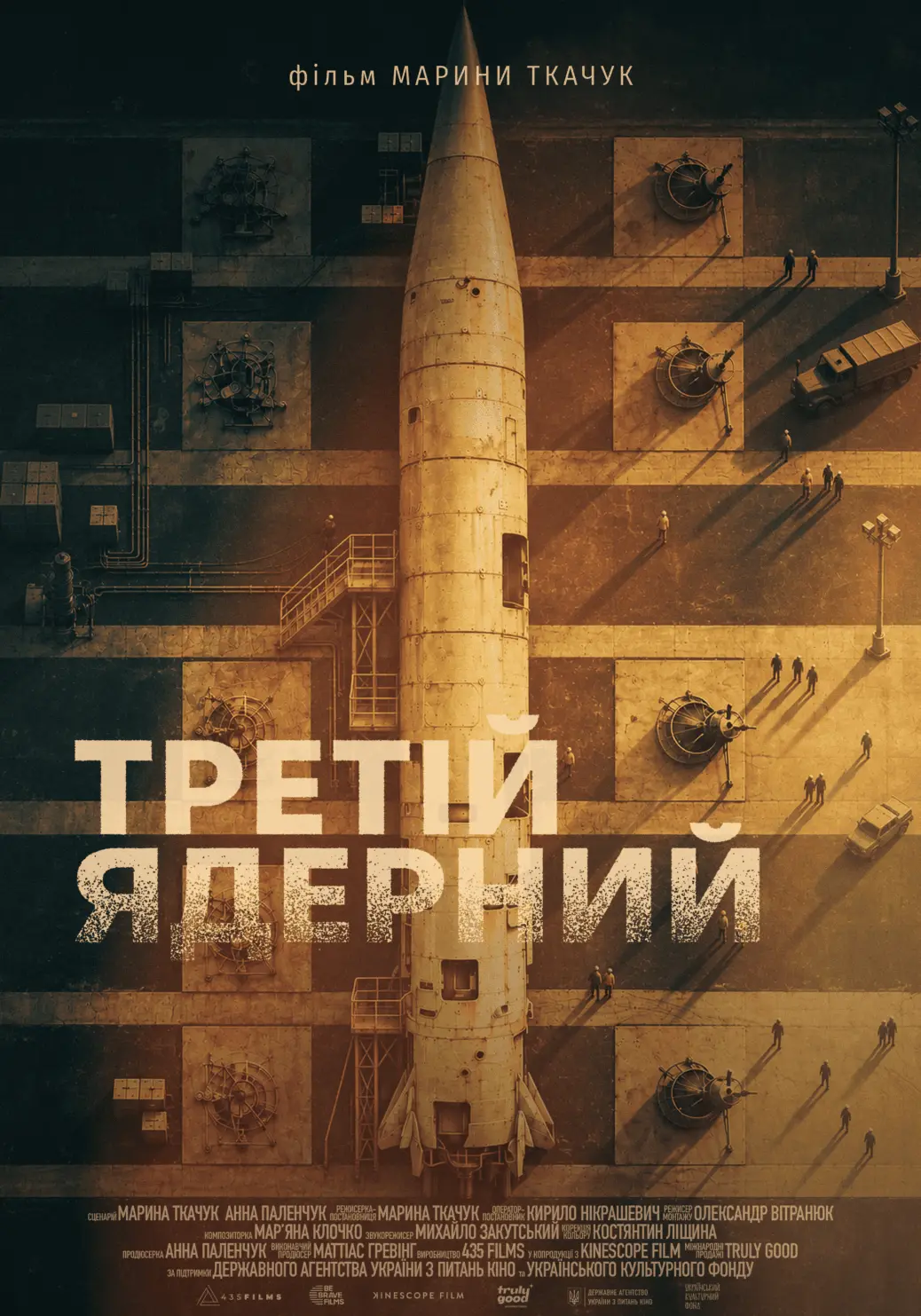
The third-largest nuclear arsenal in the world. 435 FILMS produces a documentary about the nuclear weapons Ukraine once possessed and previously unknown facts about its disarmament.
“The Third Nuclear” is the title of a documentary that tells the story of Ukraine as a nuclear power and its subsequent loss of that status. The topic of Ukraine’s nuclear disarmament remains little known around the world. To shed light on the consequences of those events, which Ukraine is facing today, an English-dubbed version of the film was produced with the support of the Ukrainian Cultural Foundation as part of its Art in Frame grant programme.
One of the film’s distinctive features is its use of previously unpublished archival material on Ukraine’s nuclear disarmament. The filmmakers also worked with people who had remained silent about the events of that time for decades and recorded interviews with experts directly involved in the decision-making processes that shaped history.
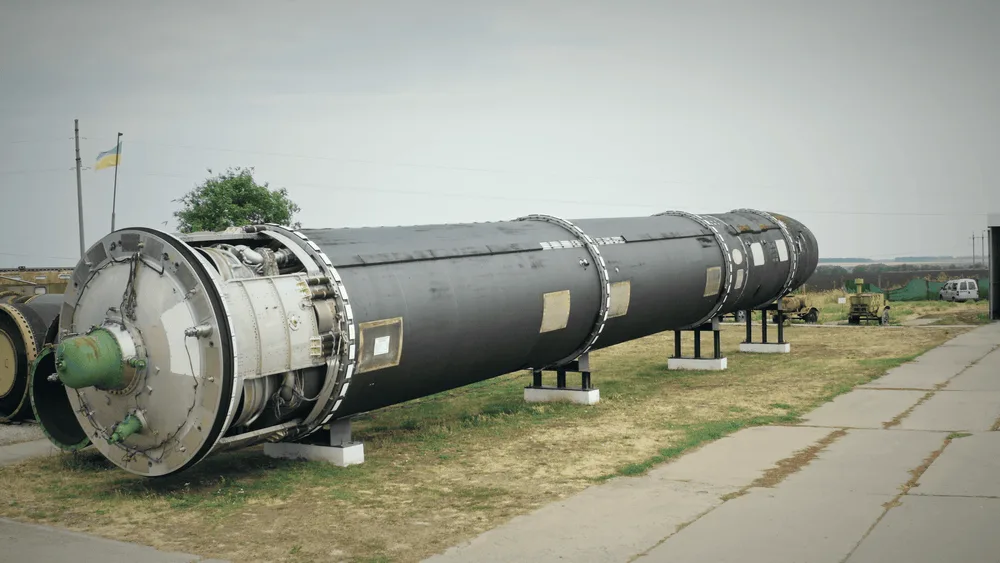
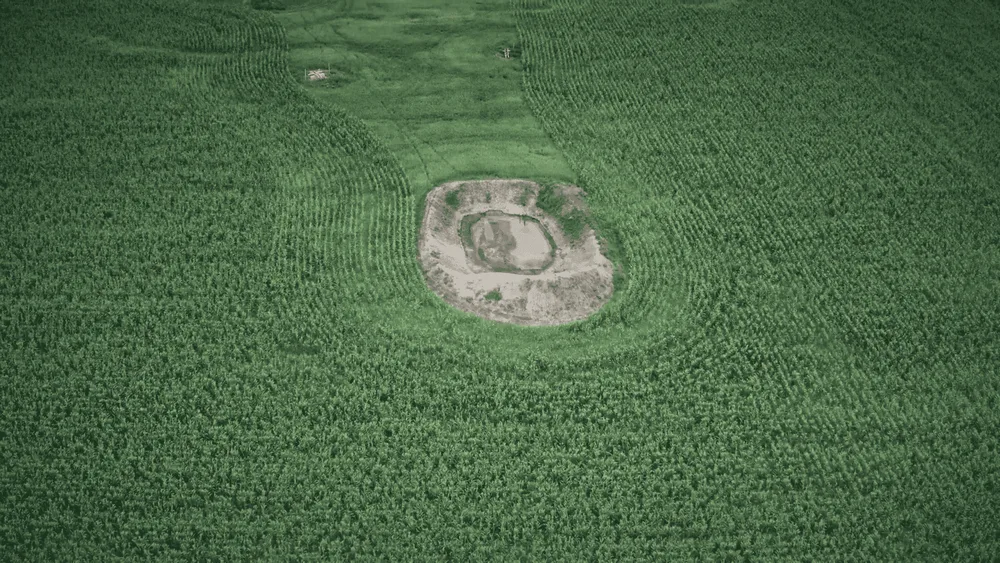
The film takes viewers through a hidden history in which Ukraine was at the heart of the Soviet nuclear machine. It explores secret military facilities, classified programmes and operations whose existence was unknown even to those living nearby. The documentary sheds light on the hidden mechanisms of the USSR — those that shaped its control over the world and whose repercussions can still be felt today. Most importantly, it provides a detailed look at what these weapons were and what they were capable of.
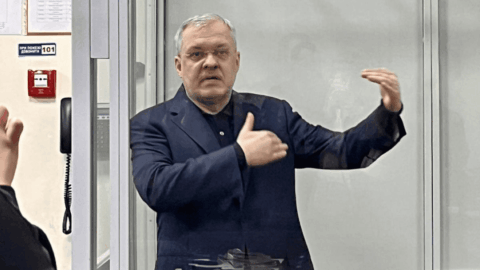
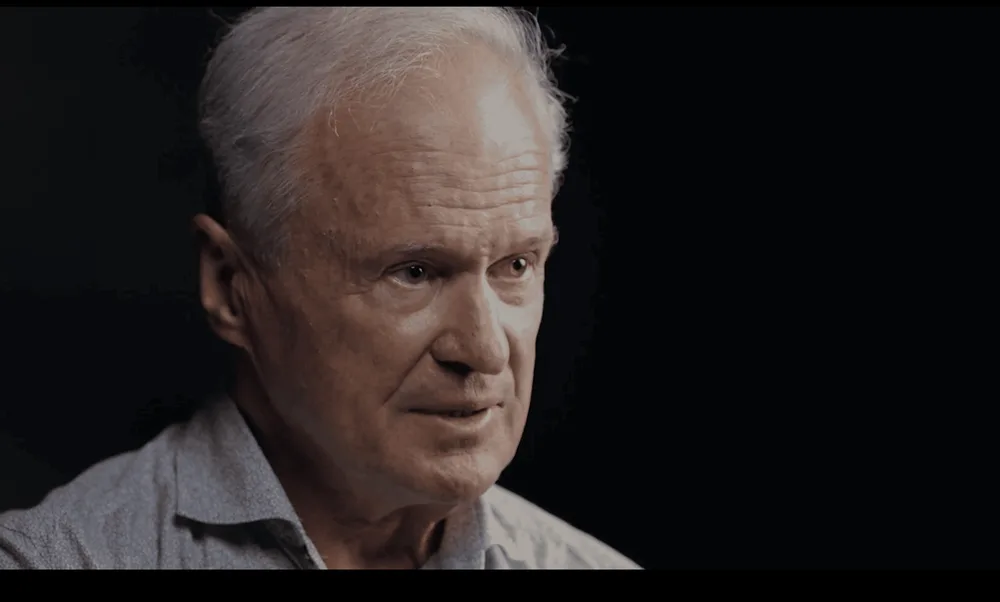
Yurii Kostenko, an expert featured in the film, Ukraine’s Minister of Environmental Protection and Nuclear Safety (1992–1998) and head of the special working group on nuclear disarmament strategy (1992–1994), emphasizes:
“Transferring all of the USSR’s nuclear weapons into the hands of totalitarian Russia instead of dismantling them created a new global threat: Russian neo-imperialism, which is now waging a full-scale war of aggression against Ukraine and threatening NATO and EU countries with nuclear weapons. That is why the history of Ukraine’s nuclear disarmament remains relevant today, as the world’s third-largest nuclear arsenal was once located on its territory.”
For producer Anna Palenchuk and director Maryna Tkachuk, this is their second collaboration. In the autumn of this year, they presented their joint project EuroKryvbas, about the European industrial heritage of Dnipropetrovsk Oblast.
The filmmakers plan to launch a full-scale advocacy campaign abroad and have already secured an international sales agent. It was for this purpose that an English-dubbed version of the film was produced with the support of the Ukrainian Cultural Foundation.
“Today, when nuclear weapons and global security are more pressing issues than ever, our film offers an opportunity to grasp the true scale of the nuclear arsenal once stationed on Ukrainian territory and understand Ukraine’s role in the history of global nuclear policy. It is extremely important to us that international audiences hear this story. We are glad to have the opportunity to create an English-dubbed version of the film, and we hope that The Third Nuclear will become not only an important documentary record but also an effective tool of Ukraine’s cultural diplomacy, serving as a starting point for international dialogue about our country’s historical experience and its place in the modern global security architecture,” said Anna Palenchuk, the film’s producer.
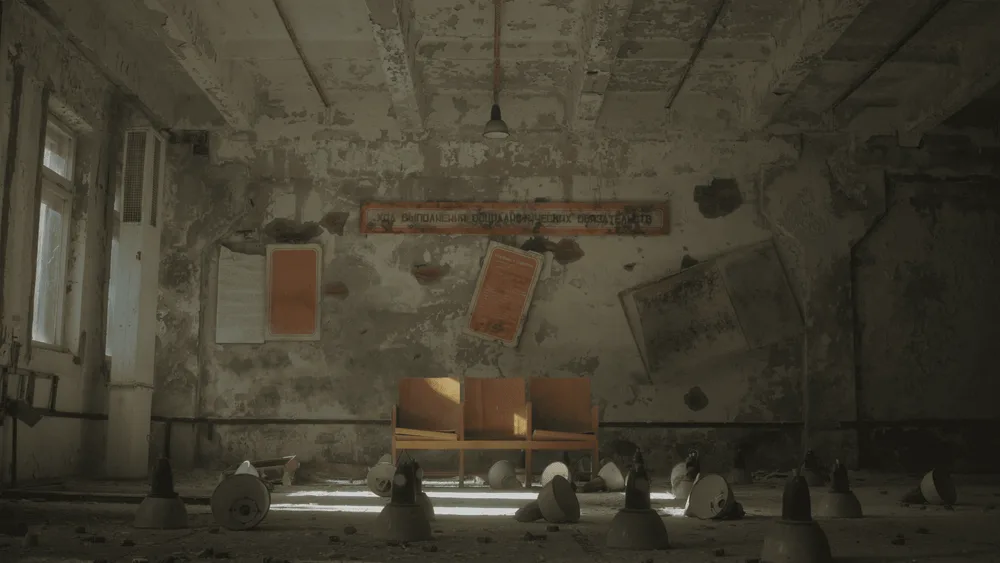
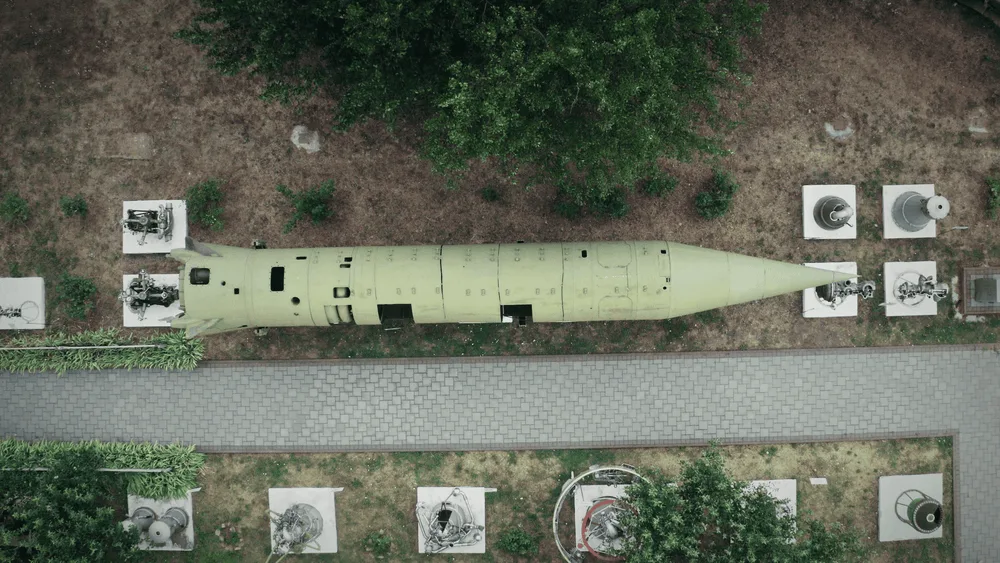
Filming took place across Ukraine. In Pervomaisk, Mykolaiv Oblast, the crew worked at the Strategic Missile Forces Museum, while in the Chornobyl Exclusion Zone, they filmed the famous Duga over-the-horizon radar system. Additional filming took place in Kirovohrad, Khmelnytskyi and Kharkiv oblasts, as well as at a branch of the National Military History Museum of Ukraine in Poltava.
“Back in 1990, the Ukrainian parliament adopted a decision to eliminate nuclear weapons and move towards nuclear-free status. However, under pressure from Russia and the United States, Ukraine was forced to hand over its entire nuclear arsenal to a potential aggressor. Today, amid Russia’s brutal war against Ukraine, the political mistakes of the past are being repeated: instead of forcing the aggressor to make peace, the United States is pressuring Ukraine to agree to territorial concessions to a terrorist state. Such a stance could once again lead not to an end to the war, but to a full-scale nuclear apocalypse. That is why the world must know the full truth about the misguided political decisions that create new challenges for humanity,” Yurii Kostenko adds.
The film The Third Nuclear was produced with the support of the State Film Agency of Ukraine and in co-production with the German film company KINESCOPE FILM.