Opinion
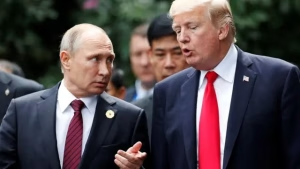
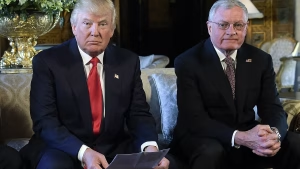
Deep geopolitical analysis reveals how Putin’s strategic maneuvering and maximalist demands may be steering Trump’s diplomacy into a trap that benefits Moscow’s leverage while undercutting consistent Western pressure in the Ukraine war | empr.media.
When survival in war depends on luck rather than planning: frontline chaos, failed command decisions and lives lost in Ukraine’s brutal conflict. An unfiltered look at modern war reality. :contentReference[oaicite:0]{index=0}
A Da Vinci Wolves battalion commander breaks silence on the Pokrovsk disaster: higher command set impossible tasks, leading to chaos and losses on the front. Read the full frontline analysis.
Retired Col. Svitan tells empr.media the Ukraine war halt feels like surrender as top generals are allegedly forbidden from striking Russia — unpacking what this could mean for the conflict.
Despite sanctions, Europe’s fuel buys “washed” through Indian refineries are filling Putin’s war chest with billions. Inside the loopholes and shadow tanker networks funding Moscow. empr.media.
Ukraine’s government is described as “completely exhausted,” prioritizing PR and partner demands over real strategy, risking deeper crisis and stagnation in wartime governance. empr.media.
MP Aleksandr Dubinsky alleges President Zelensky secretly negotiated with Putin through SBU head Bakanov, raising questions about covert diplomacy and political motives ahead of elections. empr.media
Ukraine is withdrawing 100,000 defective domestically‑produced landmines from frontline deployment after quality control failures raised safety and tactical concerns for troops and civilians. ([empr.media](https://empr.media/opinion/investigation/ukraine-withdraws-100000-defective-domestically-produced-mines-from-the-frontline/?utm_source=chatgpt.com))
An inside look at how Ukraine’s push for drone reform has triggered political power struggles, policy battles and defense sector intrigue that could reshape battlefield autonomy and procurement.
This analytical piece examines allegations of a coordinated psychological operation by Washington and the Kremlin, dissecting how narratives, media signals and geopolitical interests shape public perceptions of the Russia‑Ukraine conflict.
This analytical piece cuts through the hype around Russia’s so‑called “terrifying” intercontinental missiles like Rubezh and Oreshnik, separating Kremlin propaganda from real technical capabilities. :contentReference[oaicite:0]{index=0}
This analytical piece explains why Russia conducts simulated missile launches targeting Ukraine — whether to intimidate, test systems, influence global perception or signal strategic intent on the battlefield.