
 JUSTICE HUNTERS 24/7




History
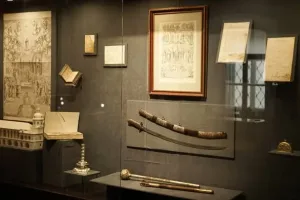
In Kyiv, visitors can see a rare 1705 engraving “Panegyric in Honor of Ivan Mazepa,” a rich symbolic Baroque composition featuring the Cossack hetman and landmarks at the “Mazepa. The Strategy of a European Ukraine” exhibit at the Kyiv‑Pechersk Lavra. :contentReference[oaicite:0]{index=0}
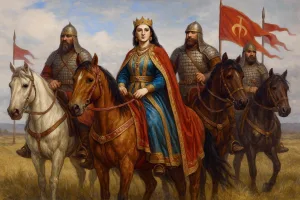
Ancient Ukrainian states existed long before Kyiv Rus, yet history textbooks erased them. Who rewrote the past — and why it matters for Ukraine’s identity today. EMPR.media.
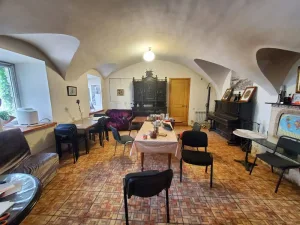
Explore the oldest residential building in Kyiv at 7 Kontraktova Square, built in 1798 and still used as a home today — surviving fires, restoration and centuries of change. empr.media.
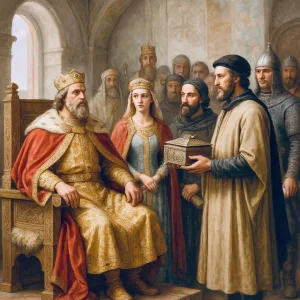
“From Rus to Ukraine” challenges imposed narratives, argues Kyiv was the true centre of Rus and calls for reclaiming Ukrainian history from centuries of colonial distortion. empr.media. :contentReference[oaicite:1]{index=1}
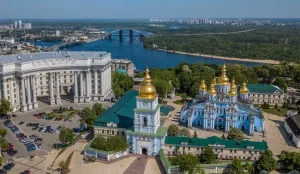
Who really founded Kyiv — history, myth, or legend? Dive into the facts and centuries-old theories that shaped Ukraine’s capital and its ancient origins.
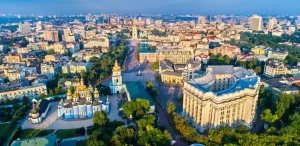
Soviet era said Kyiv was 1500 years old — but archaeologists knew it’s *much older*. EMPR reveals the hidden history redefining the age of Ukraine’s capital.

Archaeologists unearthed four prehistoric dwellings built from ~149 mammoth bones near Mezhyrich outside Kyiv, offering a rare glimpse of early human ingenuity around 17,000 years ago.:contentReference[oaicite:2]{index=2}
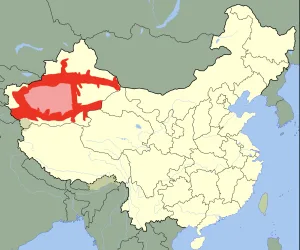
This historical and linguistic investigation frames Russian as a “surzhyk” — a hybrid language blending Old Bulgarian, Turkic, Finno-Ugric, Ukrainian, Greek, Polish, German and Latin elements. :contentReference[oaicite:0]{index=0}
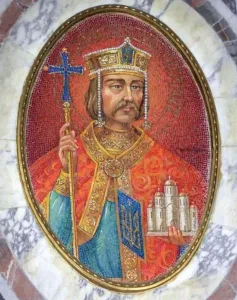
An exploration of Ukraine’s enduring resilience, deep historical legacy and expanding global influence — how a nation shaped by trials continues to impact the world.
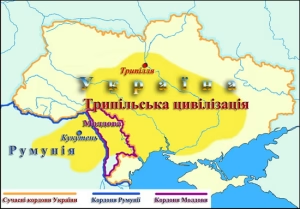
From ancient Trypillia settlements to early Slavic tribes and today’s recognized Indigenous groups like Crimean Tatars, Karaites and Krymchaks — discover Ukraine’s deep heritage. | empr.media
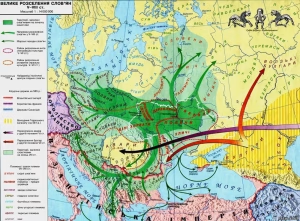
Uncover the lost narrative of Ukraine from Trypillia’s ancient civilization to modern identity — how genetics, culture and history redefine a nation’s roots.
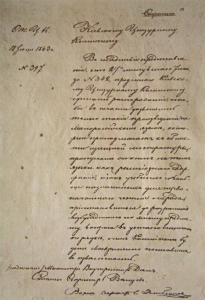
On July 30, 1863, the “Valuev Circular” was adopted, banning religious and educational literature in the Ukrainian language. This is a historical monument to the “friendship of peoples” and at the same time a pointer to the direction of movement (fuck you) to the fighters for the rights of the Russian language in Ukraine. “There never was, is not, and […]