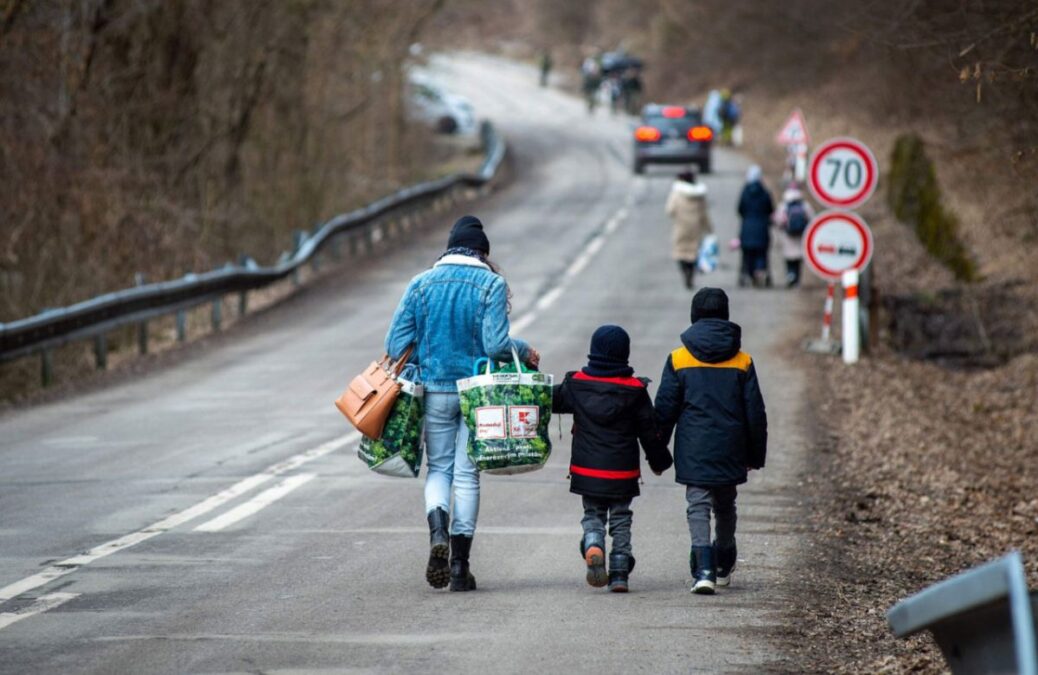
Ukraine continues mandatory evacuations in frontline regions, focusing on children with parents, while authorities report remaining children to be evacuated from Donetsk, Kharkiv, Dnipropetrovsk, and Zaporizhzhia.
In Ukraine, 20 transit centers have been set up to receive Ukrainians evacuated from areas of potential combat.
This was reported at the briefing “State of Evacuation from Frontline Areas” by Oleksiy Ryabykin, Deputy Minister for Community and Territorial Development, according to a Suspilne correspondent.
“Currently, the main transit centers operating in our country are Lozova in Kharkiv region and Pavlohrad in Dnipropetrovsk region. An additional center has also been opened in Zaporizhzhia region,” the official said.
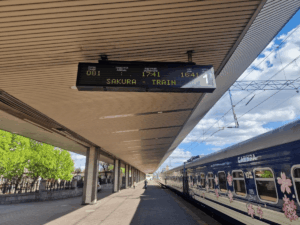
According to him, if necessary, the authorities will set up additional transit centers, but for now, there is no such need. At the same time, Ryabykin noted that there is a need for additional evacuation train cars, as rail connections in some frontline areas no longer operate, assuring that this issue is being addressed.
How Ukrainians Are Supported in Transit Centers
Deputy Minister of Social Policy, Family, and Unity Tetiana Kirienko said that the Ministry of Social Policy is developing a new strategy to support evacuated people.
“At all stages: evacuation, adaptation, integration, and, including, the return of Ukrainians from abroad, because this is an integral part of our overall system,” she explained.
In addition, she said, the ministry provides nursing care services to Ukrainians who need them. The official also acknowledged that after visiting and monitoring transit centers, many problems are identified that need to be addressed on site.
“And these issues include security, energy supply, and heating. It also concerns the fact that transit centers today must be ready for the arrival of different people from evacuation. This includes, for example, people with certain mental disorders who require special assistance. Such individuals should immediately receive proper support, either through the relevant healthcare facility or another appropriate institution where they will be cared for. Therefore, we are currently trying to create flexible support mechanisms,” Kirienko said.
Participation of Police and the State Emergency Service in Evacuation
Deputy Minister of Internal Affairs Oleksiy Serhieiev assured that police and State Emergency Service units continue to assist local authorities and territorial communities in carrying out evacuation measures. According to him, 77 evacuation teams have been created, including 51 mobile units directly within the National Police, with the “professional core” made up of the special units known as the “White Angels.”
“Currently, mandatory evacuation is being carried out, and we are directly involved in this in Donetsk, Sumy, Kharkiv, Kherson, Dnipropetrovsk, and Zaporizhzhia regions. Within our direct responsibility is the forced evacuation of children with their parents. This is currently being carried out in Dnipropetrovsk, Donetsk, Zaporizhzhia, and Kharkiv regions. In Sumy and Kherson regions, where this type of evacuation was announced, all children have now been evacuated forcibly,” he said.
The deputy minister also noted that 420 children remain to be evacuated from the frontline areas of Donetsk, 243 from Kharkiv, 26 from Dnipropetrovsk, and 11 from Zaporizhzhia region.
Tags: 2025 war news displaced persons Donetsk evacuation frontline zones humanitarian aid IDPs Ukraine russia - ukraine war transit hubs Ukraine evacuation