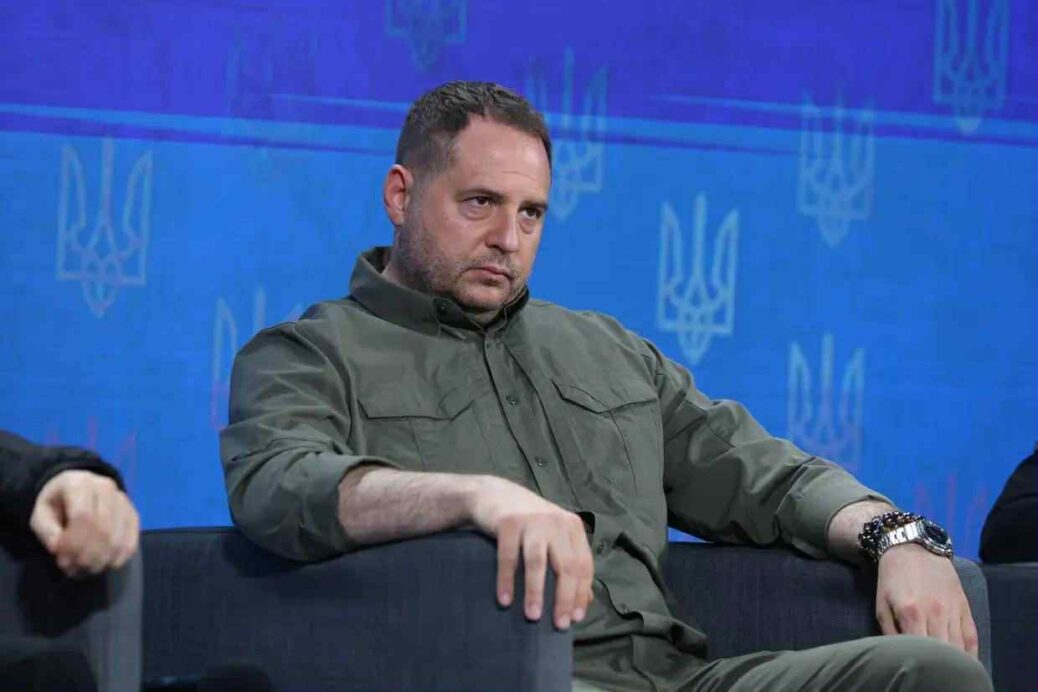
A growing body of evidence suggests that Andriy Yermak’s decisions – from influencing defense policy and sabotaging key operations to shaping diplomatic missteps and internal political conflicts – may not have aligned with Ukraine’s national interests.
The documented controversies, ranging from defense-sector interference to major geopolitical failures, raise serious questions that many analysts believe warrant thorough investigation by Ukraine’s security institutions.
Dmytro Chekalkin analyzing the actions of this figure, it becomes increasingly clear that he was not acting in the best interest of Ukraine.
FACTS:
- The Steinmeier Formula — Yermak was the main proponent.
- Yermak is appointed to the supervisory board of Ukroboronprom, leading to sabotage of defense orders.
- The announcement of troop withdrawals in Donbas was made by Yermak as a “major achievement.”
- Yermak initiated the Oman negotiations.
- His appointment as Head of the President’s Office coincided with the appointment of new heads of the NSDC and Ministry of Defense.
- Suspension of Ukraine’s missile programs.
- State defense enterprises moved to a one-day work week.
- Bribes for appointments to influential state positions (as recorded by Yermak’s brother).
- A system of bribery and mutual protection in the Verkhovna Rada (including the murder of Poliakov).
- Large-scale embezzlement with kickbacks (initial “back offices”).
- The Wagner operation — Yermak was responsible for sabotaging it.
- He convinced President Zelenskyy that there would be no invasion.
- He undermined bipartisan support in the U.S. Congress by organizing a smear campaign against Victoria Spartz.
- He created a conflict between Zelenskyy and General Zaluzhny, driving the dismissal of the Commander-in-Chief of the Armed Forces.
- During wartime, he actively weakened societal unity by targeting journalists, civil society representatives, and political opposition.
This list is far from exhaustive. However, even these points alone provide more than enough reason for the Security Service of Ukraine (SBU) to investigate his activities.
Tags: Andriy Yermak corruption defense sector NSDC Ukraine Politics ukraine war ukroboronprom Wagner operation Zelenskyy Administration