It is a deeply unsettling feeling to watch events unfold whose inevitability you warned about for years — shouted about, wrote about, and tried to draw attention to for three consecutive years.
The United States is attempting to divide Europe together with Russia, effectively dismantling NATO and the European Union in advance, as envisioned in a secret agreement with Putin. The so-called “Yalta-2,” long demanded by the Kremlin, has already happened. Have you noticed how Putin has suddenly stopped talking about it?
The problem is that turning this agreement into reality — redrawing Europe along NATO’s 1997 borders — is failing. First and foremost, because of Ukraine’s resilience.
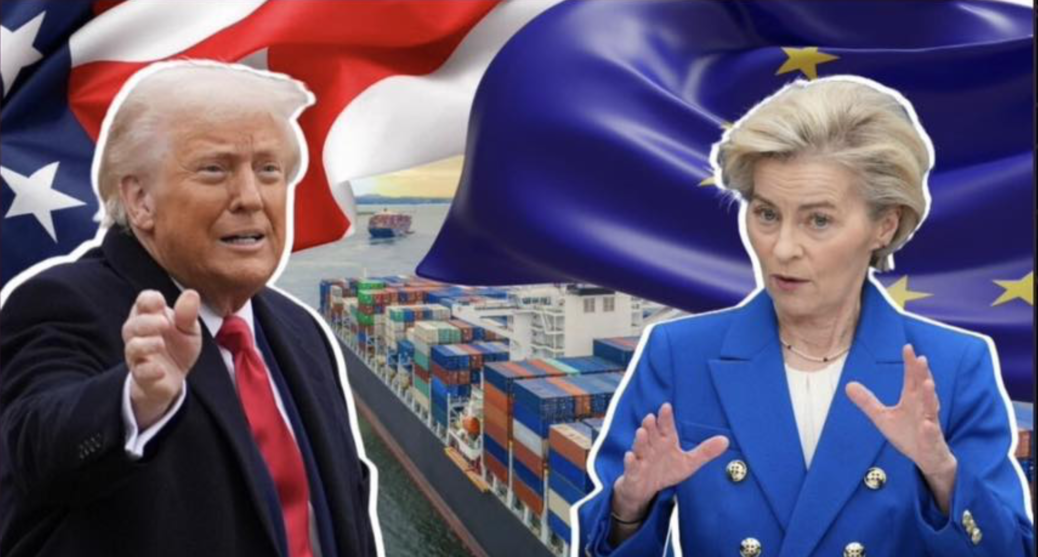
Europe now clearly sees that Donald Trump is acting recklessly, using Greenland as a pretext for a broader confrontation with Europe. On its own, Europe cannot withstand a joint U.S.–Russian axis at this stage. At the same time, neither Washington nor Putin is giving Europe the time it needs to strengthen itself.
As a result, Europe will be forced to seek an understanding with China — a coordinated strategy against a U.S.–Russia alignment in Eurasia — and to ask Ukraine to enter into a formal military alliance with leading European states or with the European Union itself. This could happen as early as this spring.
Ukraine, in turn, must be prepared to remove the U.S. embassy’s leverage from the country altogether — along with the International Monetary Fund, the dollar as the National Bank’s reserve currency, and so-called “minerals agreements.” At the same time, Europe will have to push U.S. troops out of its own territory.
This will not be easy. The presence of a powerful American “fifth column” inside Ukraine’s parliament, anti-corruption bodies, central bank, and government ensures fierce resistance. But there is no longer any alternative.
When the United States begins sliding into internal destabilization — potentially approaching civil conflict closer to autumn 2026 — Europe and China will move to divide Russia into spheres of influence. Within those spheres, each side will be forced to ensure order and stability across what remains of the former pro-American Russian Federation.
Ukraine is not a pawn in this process. Ukraine is the obstacle that has delayed it — and may yet redefine the outcome.
Tags: China Europe strategy EMPR.media Europe security Geopolitics NATO future ukraine war US Russia relations