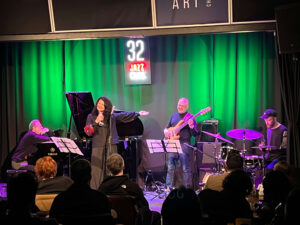
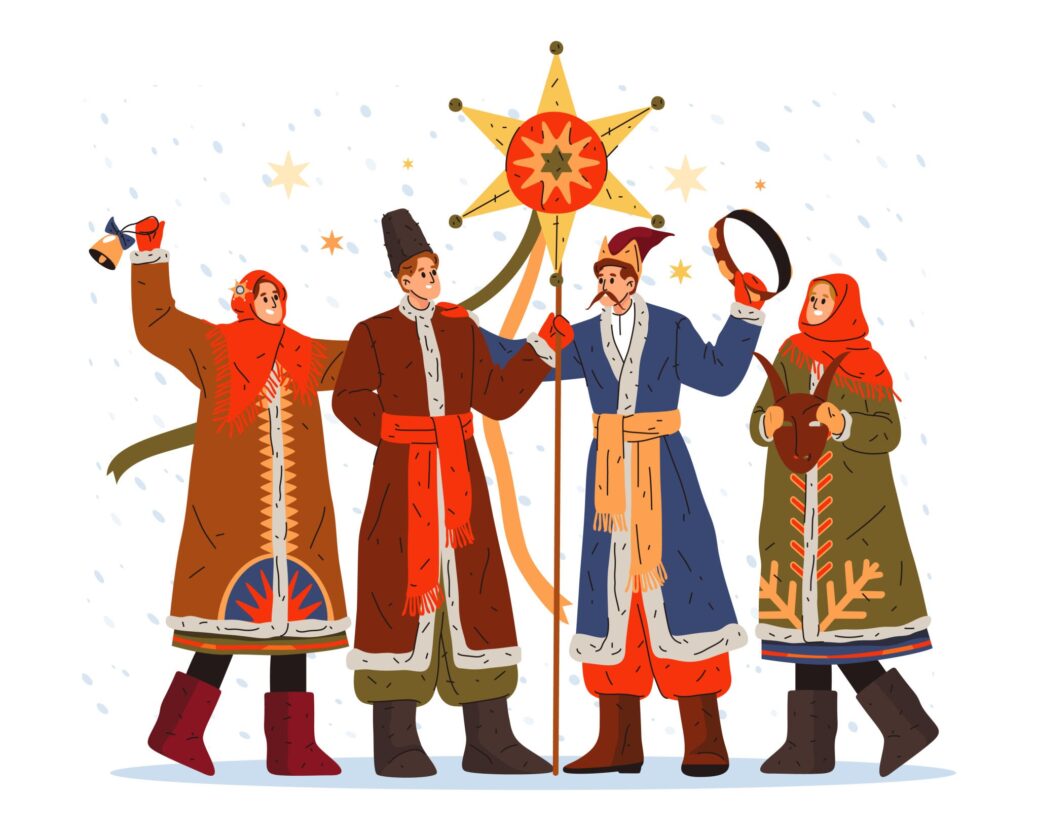
Every December, millions of people around the world hear the familiar melody of Carol of the Bells. Few know that this iconic tune is not American, not Western European—and not even originally a Christmas song.
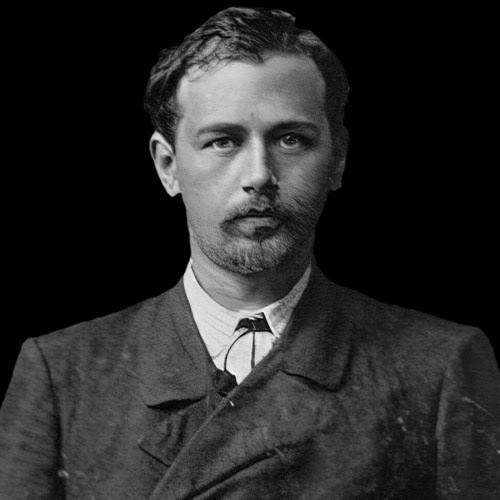
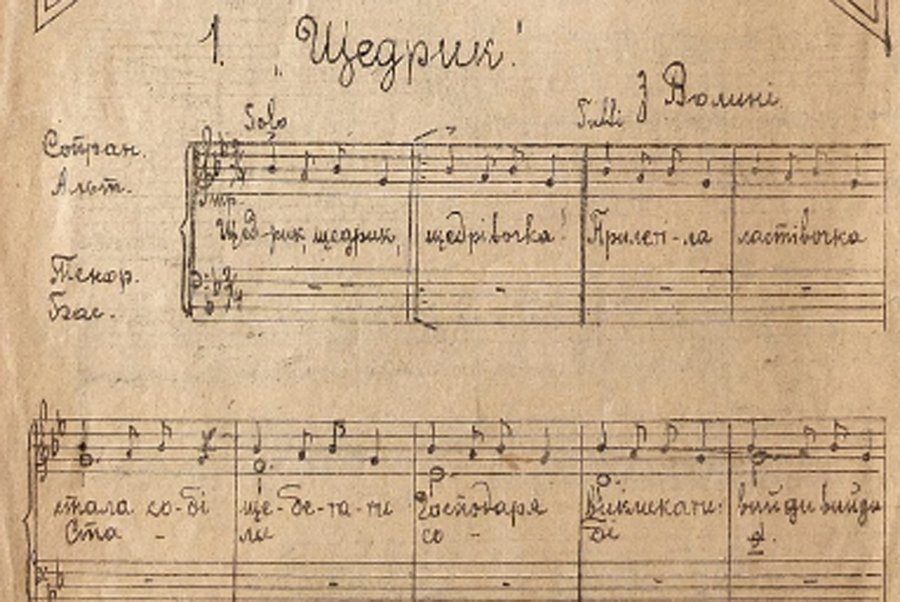
Its true name is Shchedryk, a Ukrainian folk melody arranged over a century ago by composer Mykola Leontovych.
A Song Older Than the 20th Century
“Shchedryk” dates back more than 100 years and is rooted in Ukraine’s ancient folk traditions. The song tells a simple but powerful story: the turning of the seasons, the end of winter, and the arrival of spring. It is about renewal, abundance, and hope—the reassurance that light will ultimately defeat darkness.
Despite its modern association with Christmas, “Shchedryk” was never meant to celebrate the holiday. It was a song about survival, continuity, and faith in the future.
Those themes would later become tragically prophetic.
From Ukrainian Folk Song to Global Phenomenon
In the early 20th century, Ukrainian choirs toured Europe and North America, introducing “Shchedryk” to the world. In 1936, English lyrics were added, transforming the song into “Carol of the Bells.” The melody spread rapidly through films, concerts, and holiday traditions—often stripped of its Ukrainian origin.
While the tune became globally famous, its creator would not live to see its lasting legacy.
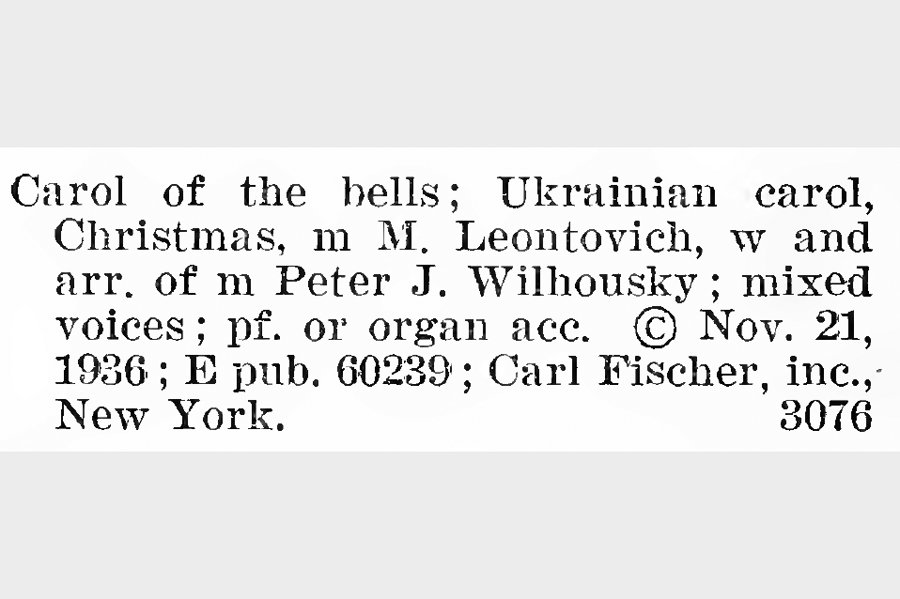
Murdered for His Culture
On January 23, 1921, Mykola Leontovych was murdered by an agent of the Soviet Union. He was just 43 years old.
His death was not an isolated crime. It was part of a broader campaign to eliminate Ukrainian cultural elites after Ukraine lost its independence in 1919. Composers, writers, poets, scientists, and artists were systematically targeted because Ukrainian culture itself was seen as a threat.
Imperial ideology dismissed Ukrainians as a “nation of peasants” incapable of producing high culture. “Shchedryk”—beloved, refined, and unmistakably Ukrainian—directly contradicted that myth.
A Genocide That Did Not End
The destruction of Ukrainian culture did not stop in the 1920s.
Today, history is repeating itself. In territories occupied by Russia, Ukrainian writers, actors, musicians, and cultural figures have been detained, tortured, or executed. Libraries and theaters are destroyed. Ukrainian language and identity are suppressed.
Many artists have laid down their instruments and taken up weapons—not because they want war, but because they refuse to let genocide happen again.
Why Ukrainians Fight
Ukrainians fight not only for land or borders, but for memory, dignity, and the right to exist as a people with a culture of their own.
That is why “Shchedryk” matters.
The next time you hear “Carol of the Bells,” remember:
this melody was born in Ukraine.
It is a song about light defeating darkness.
And its story is still being written.










![Visitors at the “Thank You With All My Heart” Ukrainian exhibition at the Council of Europe, featuring the Great Amber Heart and powerful war art. :contentReference[oaicite:2]{index=2}](https://empr.media/wp-content/uploads/2026/02/heart-300x171.png)