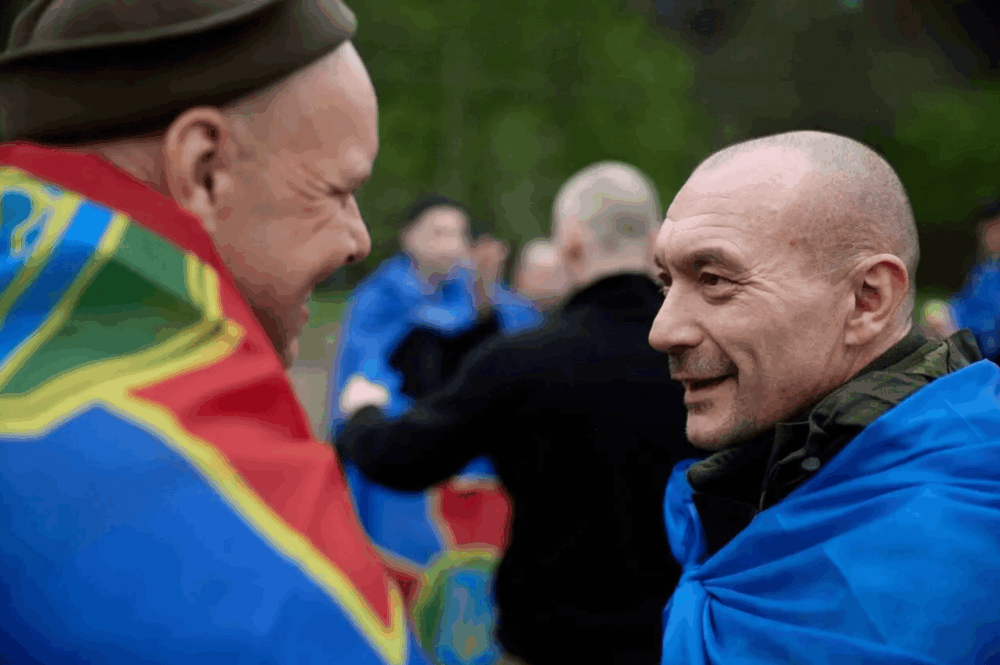

Ukraine has secured the return of 205 prisoners of war from Russian captivity in what officials describe as the first phase of a large-scale 1,000-for-1,000 exchange between Kyiv and Moscow.
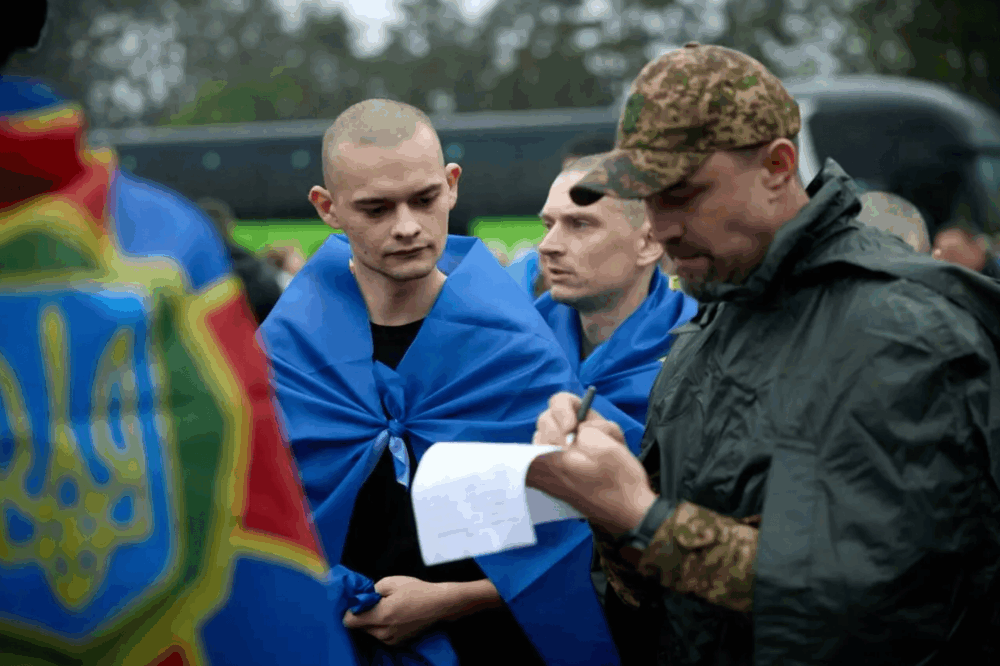
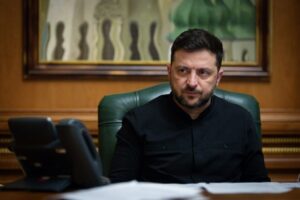
President Volodymyr Zelenskyy confirmed that the released Ukrainians include members of the Armed Forces of Ukraine, the National Guard, and the State Border Guard Service.
Many of them had been held since 2022, including defenders of Mariupol and the Azovstal steel plant — one of the defining battles of Russia’s full-scale invasion.
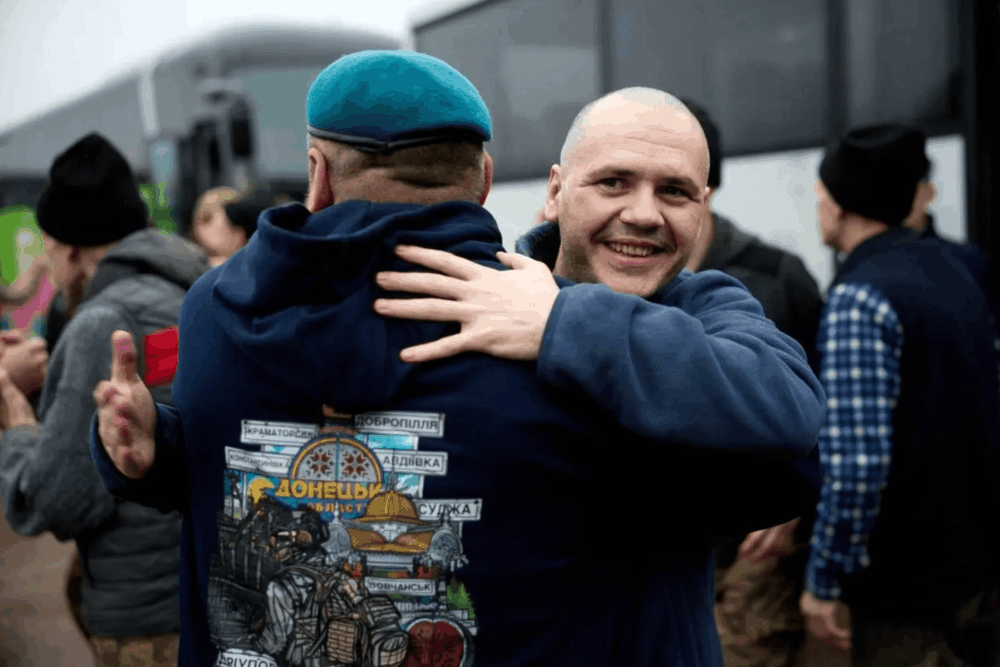
The exchange marks one of the largest prisoner returns of the war and comes amid continued international mediation efforts involving the United States and humanitarian organizations.
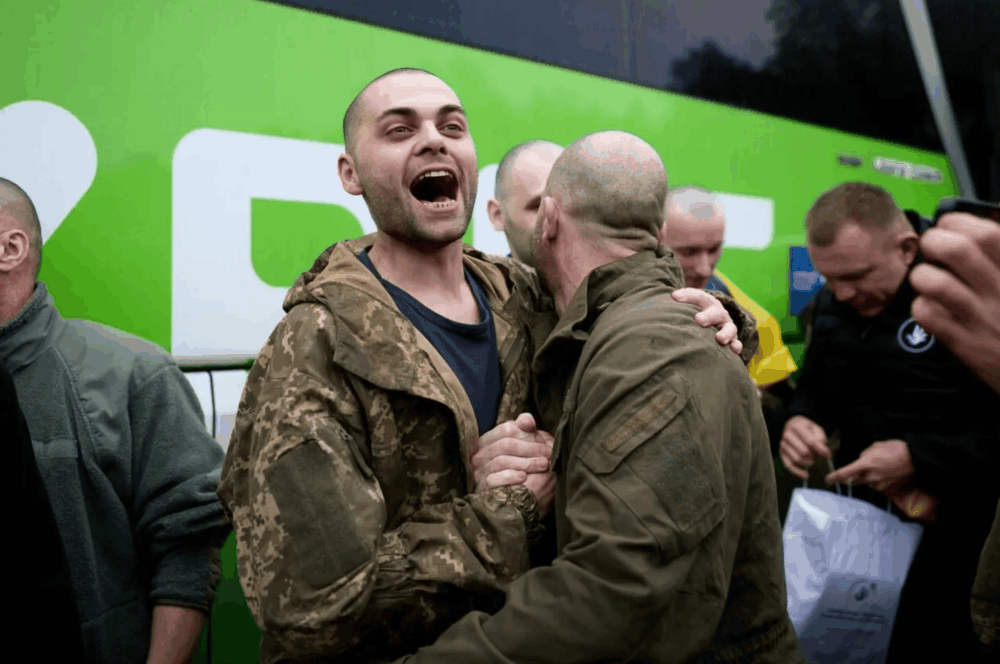
According to Ukraine’s Coordination Headquarters for the Treatment of Prisoners of War, those released include enlisted personnel, sergeants, officers, and members of the Azov Regiment.
Ukrainian Ombudsman Dmytro Lubinets stated that 95% of the released prisoners had entered Russian captivity in 2022.
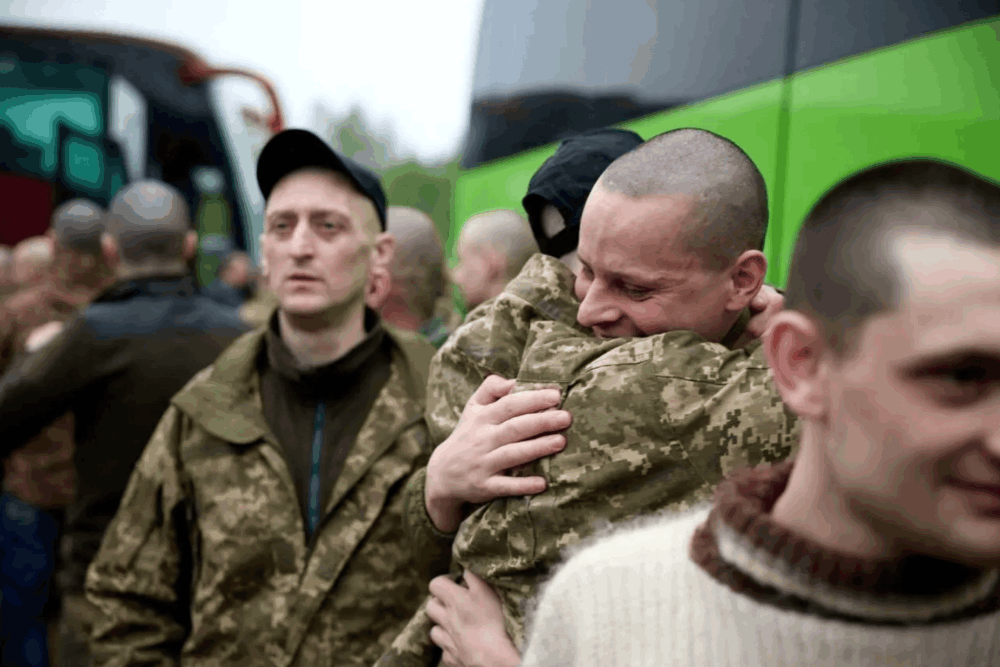
Several of the returning soldiers fought on key front lines across Donetsk, Luhansk, Kharkiv, Kherson, Zaporizhzhia, Sumy, and Kyiv regions, while others participated in operations connected to the Chornobyl Nuclear Power Plant area during the opening phase of the invasion.
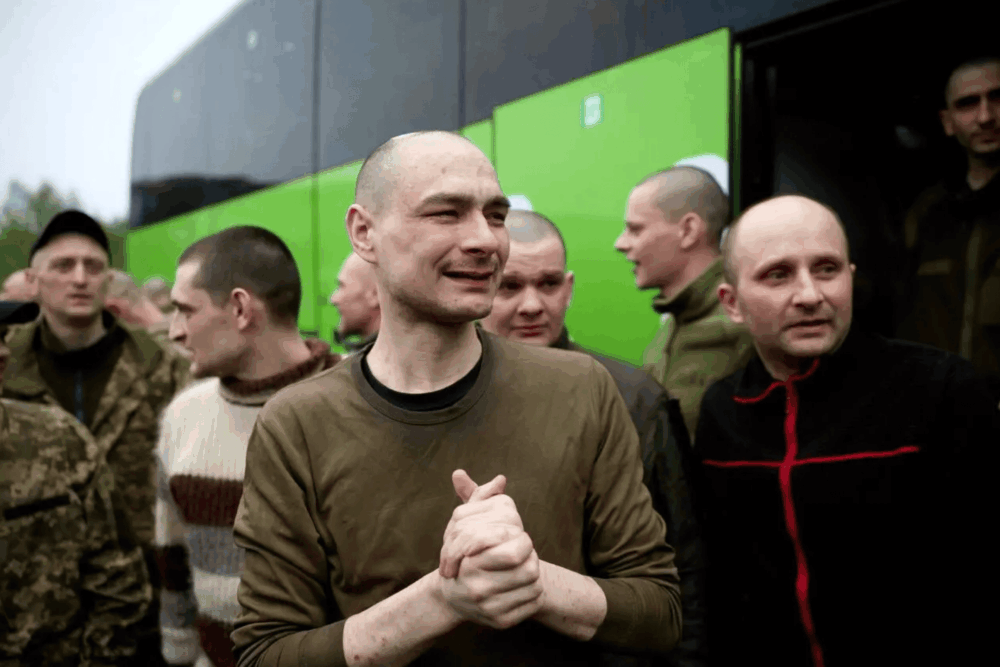
Many of the released prisoners are reportedly returning in poor physical and psychological condition after years in captivity. Ukrainian officials say numerous soldiers suffered serious injuries, deteriorating health, and long-term trauma while detained.
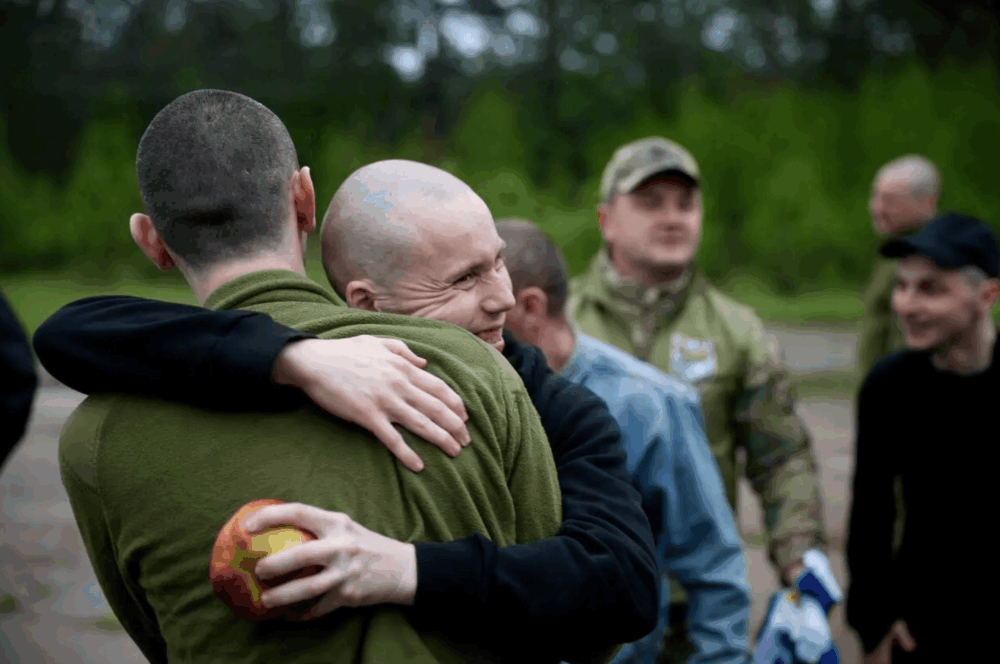
Among those freed are wounded defenders evacuated from Azovstal during the siege of Mariupol. Ukrainian authorities say all released prisoners will receive medical treatment, rehabilitation assistance, document restoration, and financial support.
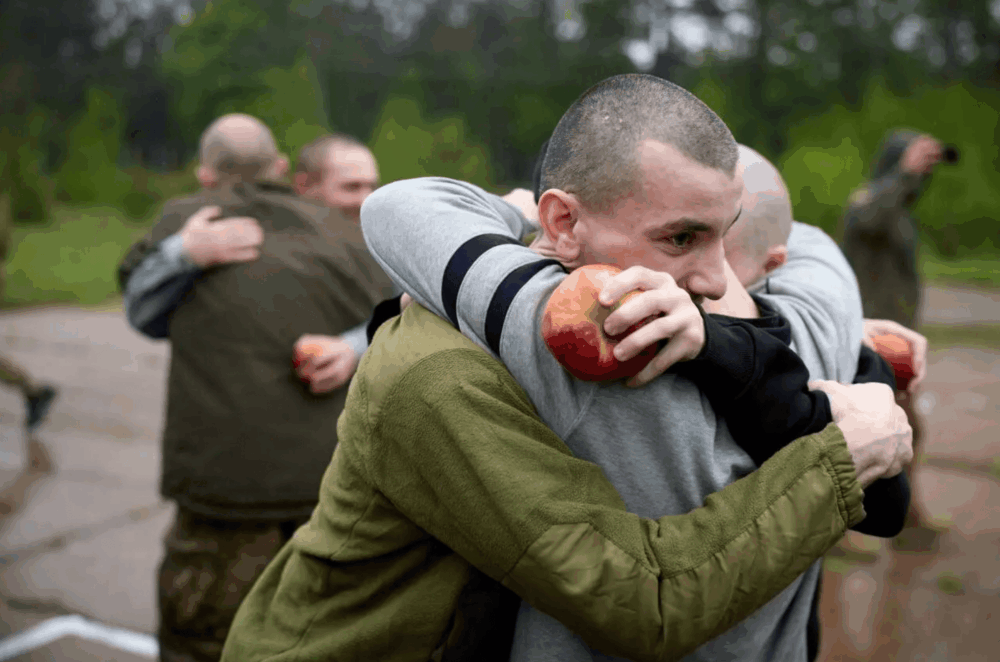
The youngest released serviceman is 21 years old, while the oldest is 62. Two of the returning Ukrainians celebrated birthdays on the day of their release.
Lubinets also revealed that one of the returned Ukrainians had been convicted in Russia and later pardoned before the exchange process was finalized.
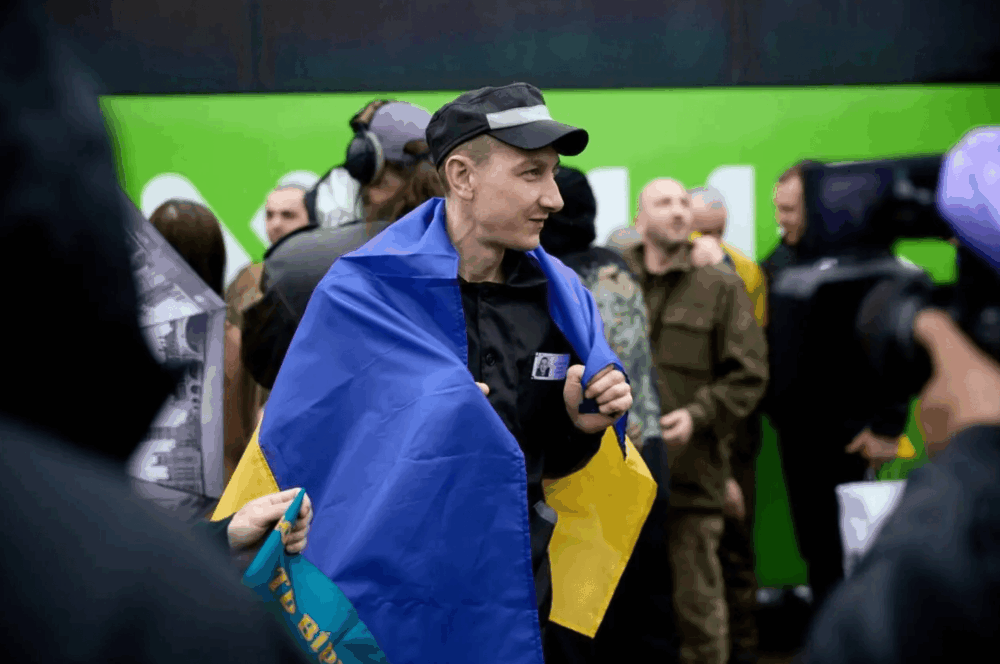
All released prisoners had previously been officially confirmed as POWs through the International Committee of the Red Cross.
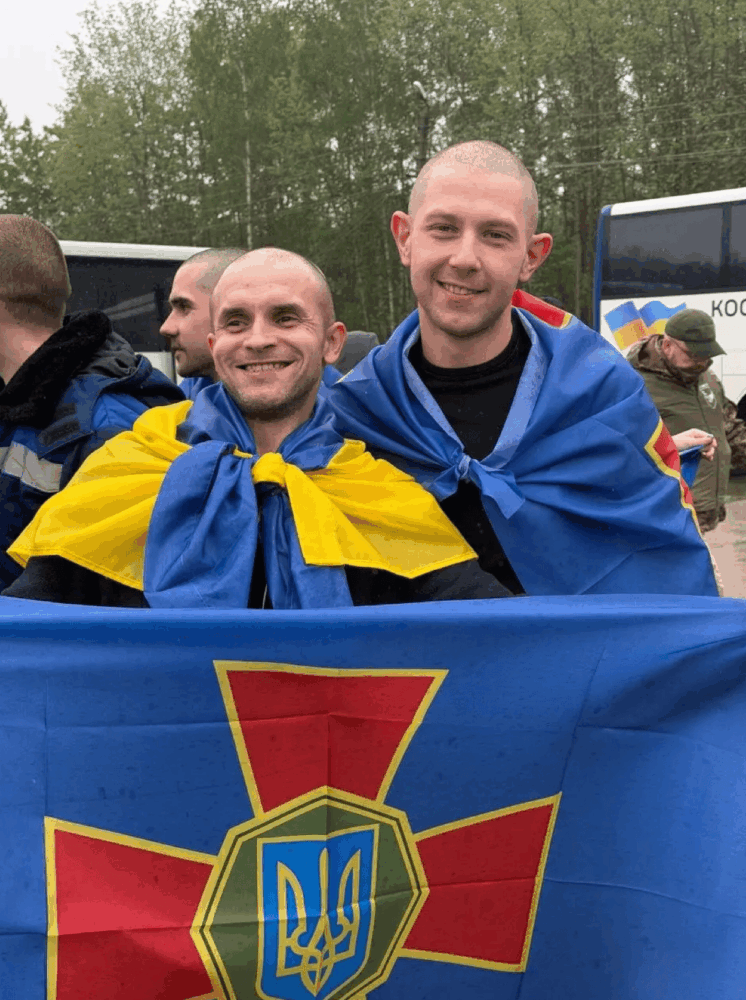
The exchange follows earlier statements from Zelenskyy indicating that the United States had acted as a mediator in negotiations for the broader 1,000-for-1,000 prisoner swap framework.
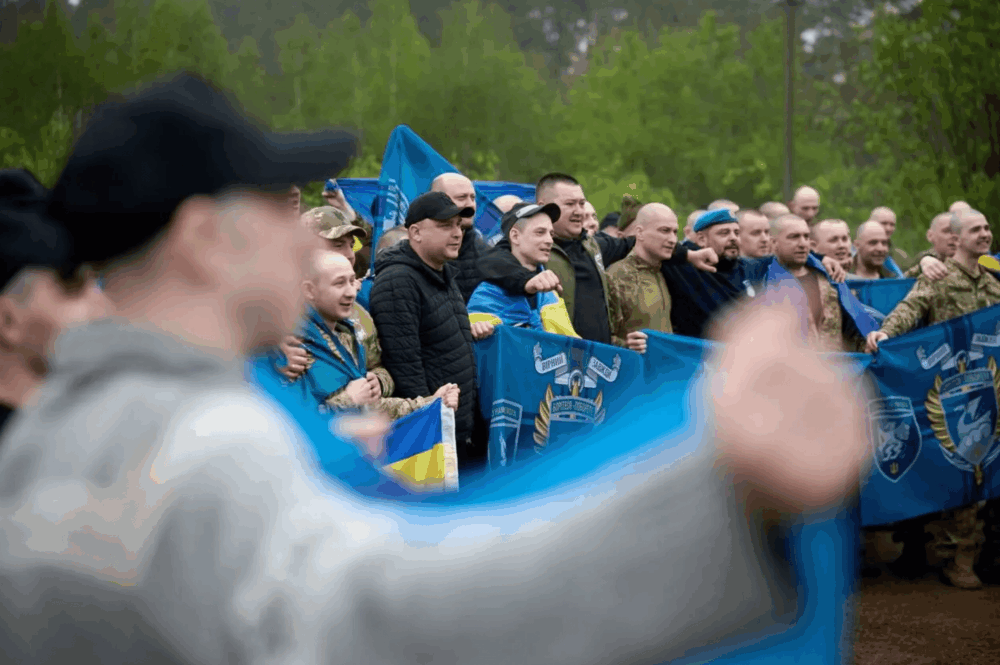
Despite the ongoing war and intensifying battlefield operations, the return of Ukrainian prisoners remains one of Kyiv’s highest national priorities — both politically and symbolically.