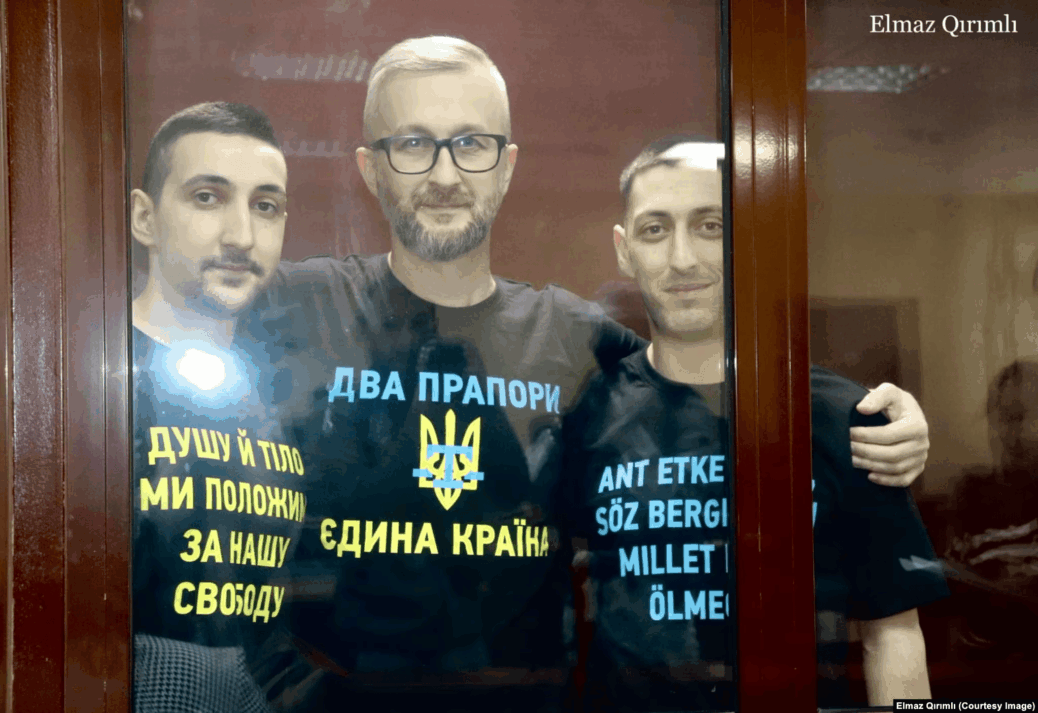
Crimean journalists face imprisonment, repression and exile under Russian rule, while international organizations document their cases and warn of Crimea becoming a media desert.
‘They are deliberately being driven to death’ – that is how the sister of convicted Crimean activist and citizen journalist Iryna Danylovych commented on the conditions of the woman’s detention in a Russian penal colony. In a pre-trial detention centre, she was denied medical care for a long time despite suffering from acute otitis. As a result, the activist lost hearing in one ear but still does not receive treatment. Iryna Danylovych is one of nearly two dozen Ukrainian journalists whom the Russian authorities have punished for their work in Crimea. On World Press Freedom Day, marked on 3 May, Krym.Realii remind readers of the names of these Crimean journalists.
Over 12 years of occupation, Russia has cut off access to independent journalism in Crimea, says Nariman Dzhelyal, Ukraine’s Ambassador Extraordinary and Plenipotentiary to Türkiye, former political prisoner and Crimean Tatar journalist.
“When the occupation authorities were shutting down media outlets, refusing to issue licences and persecuting professional journalists, ordinary citizens – activists, relatives of political prisoners – began documenting searches, arrests and court proceedings. Thus, in response to pressure and the destruction of independent media in Crimea, a phenomenon of citizen journalism emerged. Many of them had no journalistic experience, but became key sources of truth about the situation in Crimea,” Dzhelyal told Krym.Realii.”
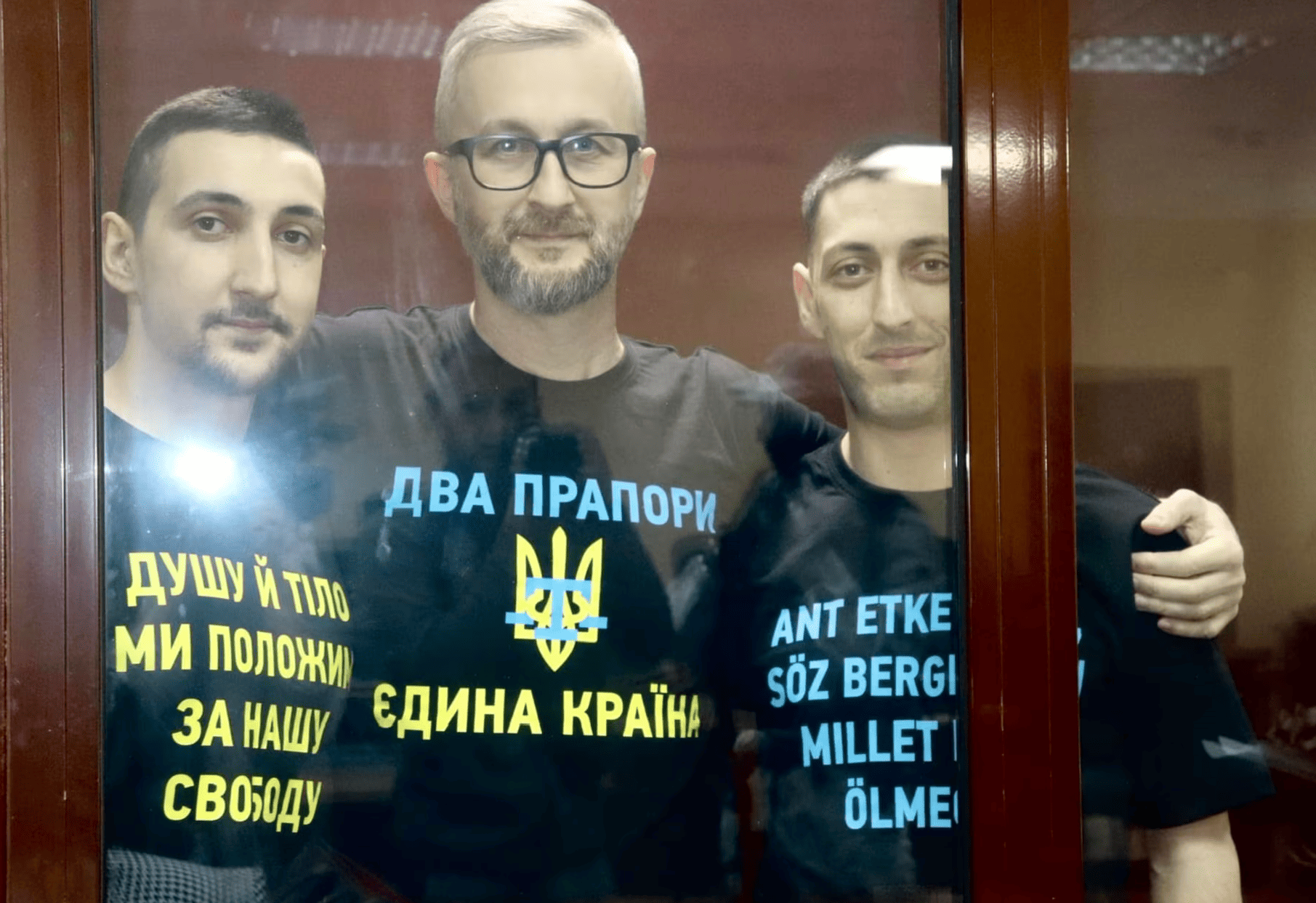
Citizen journalists in Crimea covered topics that would never appear in local pro-government media.
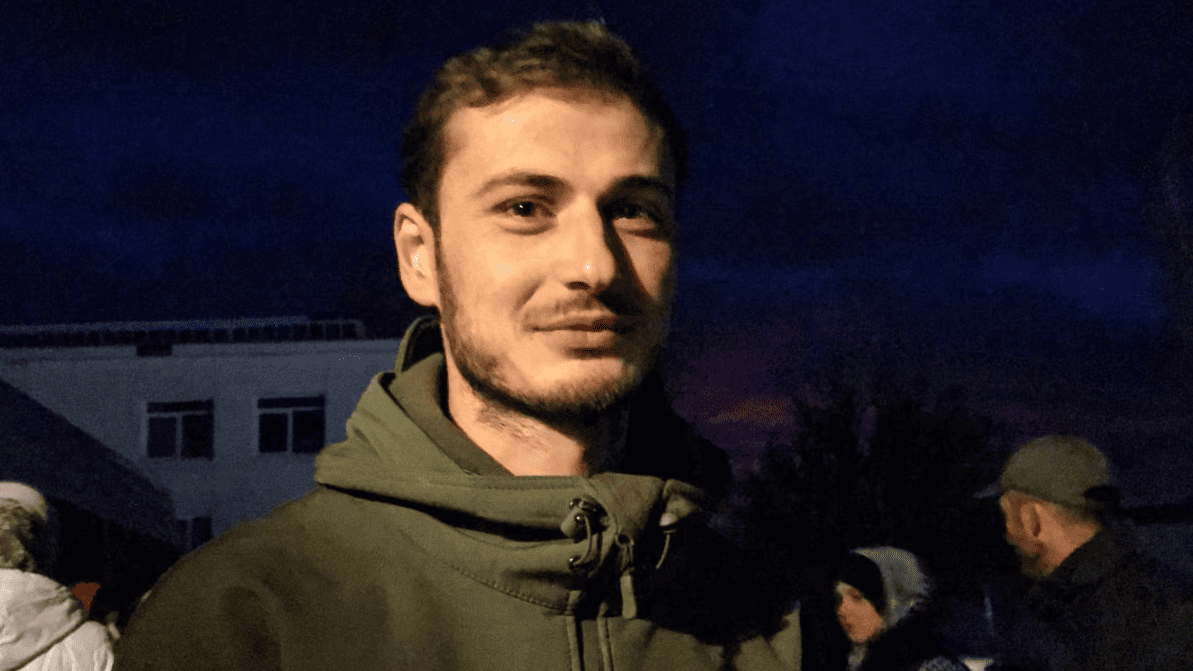
“There are many topics in Crimea: from social issues (pensions, utilities, the level of medical care in hospitals) to so-called ‘elections.’ Another separate topic is ecology. For example, in towns on the southern coast of Crimea, wastewater is often discharged directly into the sea. Standing on a hill, you can sometimes see huge dark patches on the water, which the local ‘authorities’ usually dismiss as emergency discharges. Another critical issue is the Bakalska Spit. The occupation administration has allowed industrial sand extraction there. Because of this, there is a serious risk that within 3–5 years this unique natural feature will disappear forever,” says Vladyslav Yesypenko, former Kremlin prisoner and journalist for Krym.Realii.
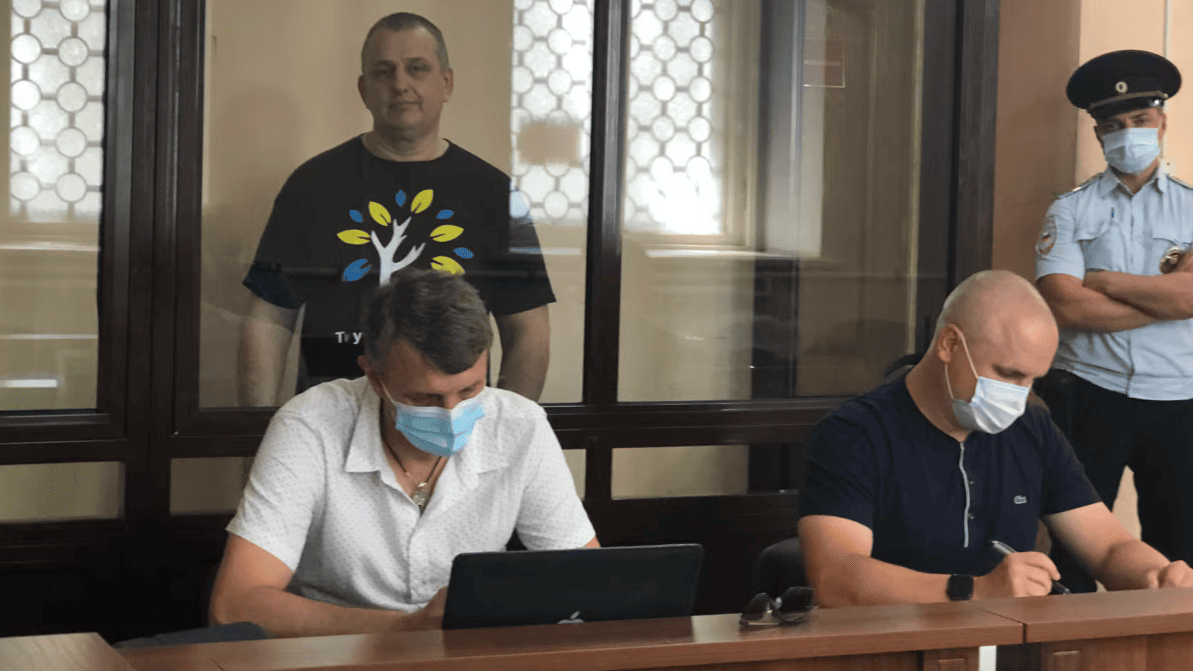
While covering repression in Crimea, citizen journalists themselves often become victims of the Russian political system.
“Repressions are aimed at isolating people, forcing them to ‘withdraw into themselves,’ to stop trusting one another and not to know what is happening even nearby. In these conditions, citizen journalists perform an extremely important function – they bring people together. Thanks to their reporting, people learn about searches, trials, arrests, support the families of political prisoners, and come to court buildings, even at the risk of fines or persecution. The Russian authorities see such journalists not simply as media, but as a political threat,” Nariman Dzhelyal believes.
Among Crimean journalists currently held in Russian prisons, the vast majority are Crimean Tatars.
“This policy has deep historical roots – distrust and hostility toward the Crimean Tatar people, which today is being intensified by their clear position against the occupation,” Dzhelyal believes.
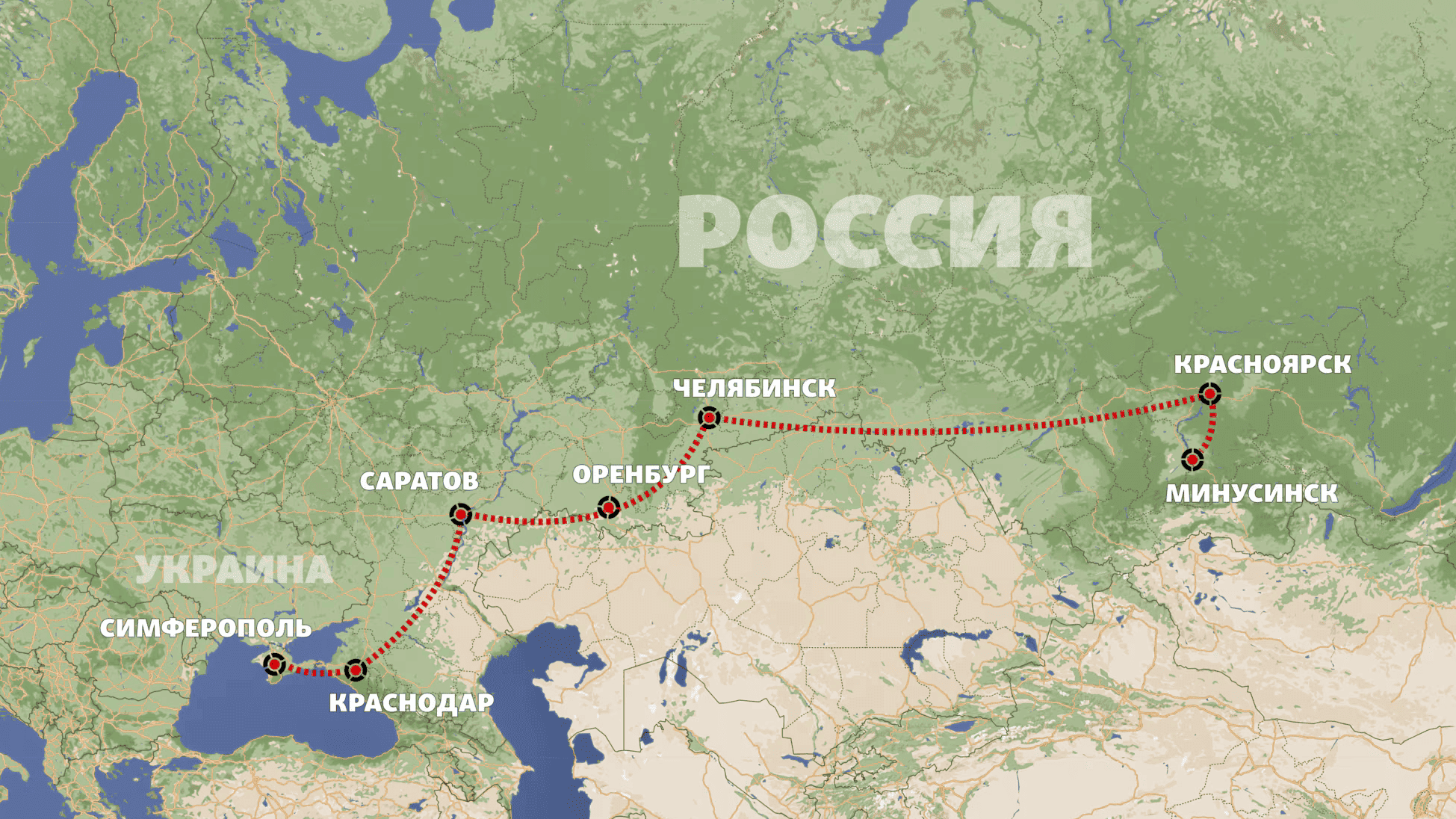
According to the Crimean Tatar Resource Center, 25 Crimean journalists have faced persecution by the Russian authorities. Among them are a number of activists, citizen journalists, and bloggers, including those associated with the “Crimean Solidarity” initiative. Four of them – Nariman Dzhelyal, Vladyslav Yesypenko, Nariman Memedeminov, and Mykola Semena – have been released as part of prisoner exchanges or after completing their unlawful sentences.
Here are the names of 21 Crimean journalists who are still held in Russian detention:
Aziz Azizov
Ernes Ametov
Osman Arifmemetov
Marlen Asanov
Asan Akhtemov
Remzi Bekirov
Oleksii Bessarabov
Iryna Danylovych
Volodymyr Dudka
Tymur Ibragimov
Server Mustafayev
Rustem Osmanov
Seiran Saliiev
Amet Suleimanov
Ruslan Suleimanov
Vilen Temeriianov
Rustem Sheykhaliiev
Dmytro Shtyblikov
In addition:
Iryna Levchenko (a journalist from Melitopol in the Zaporizhzhia region, who was transferred to Simferopol in 2025)
Hennadii Osmak (a journalist from Henichesk in the Kherson region, who was charged by the Russian authorities with participation in the “Crimean Tatar battalion named after Noman Chelebidzhikhan”)
Serhii Tsyhipa (a journalist from Nova Kakhovka in the Kherson region, sentenced in Crimea to 13 years in prison on charges of “espionage”)
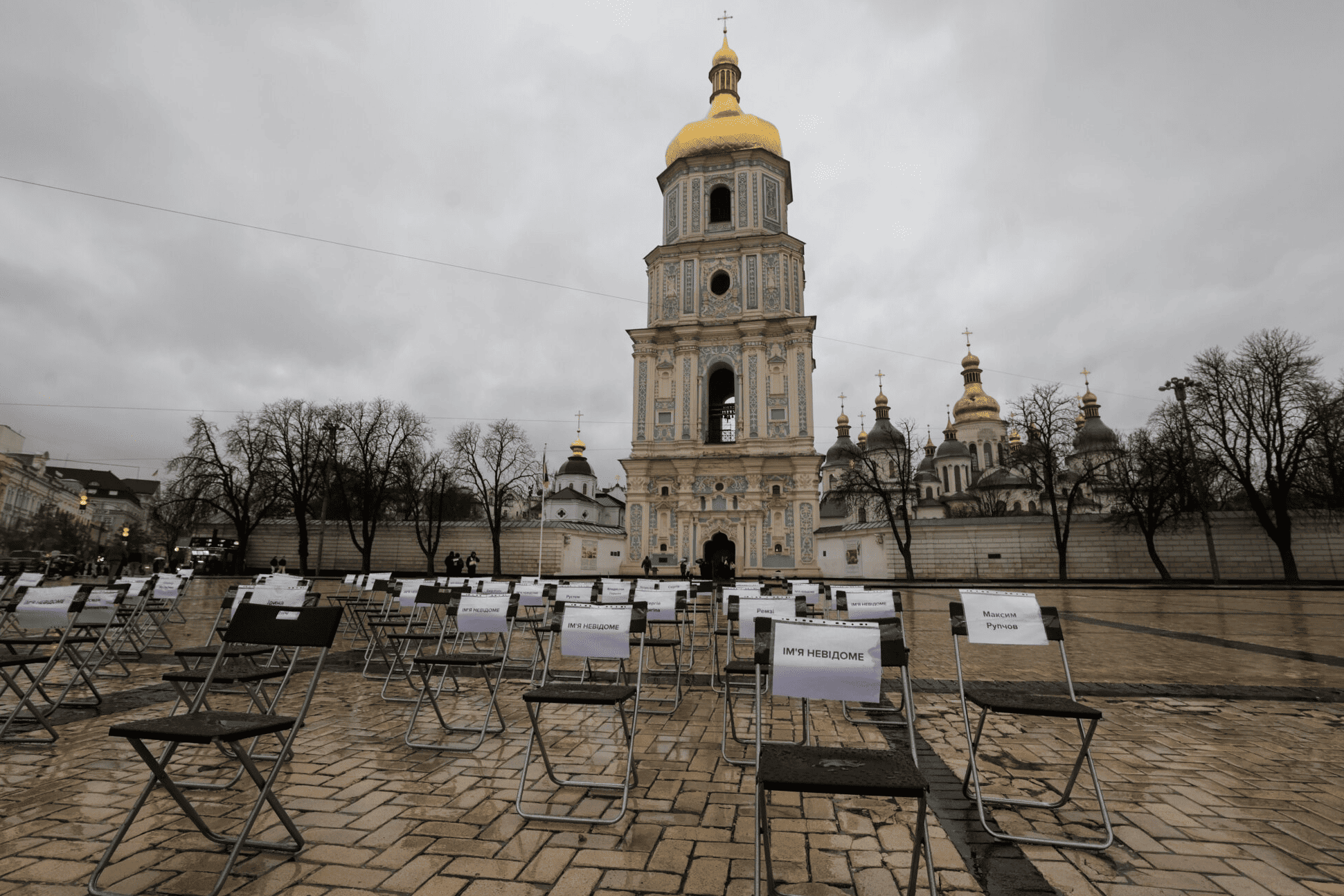
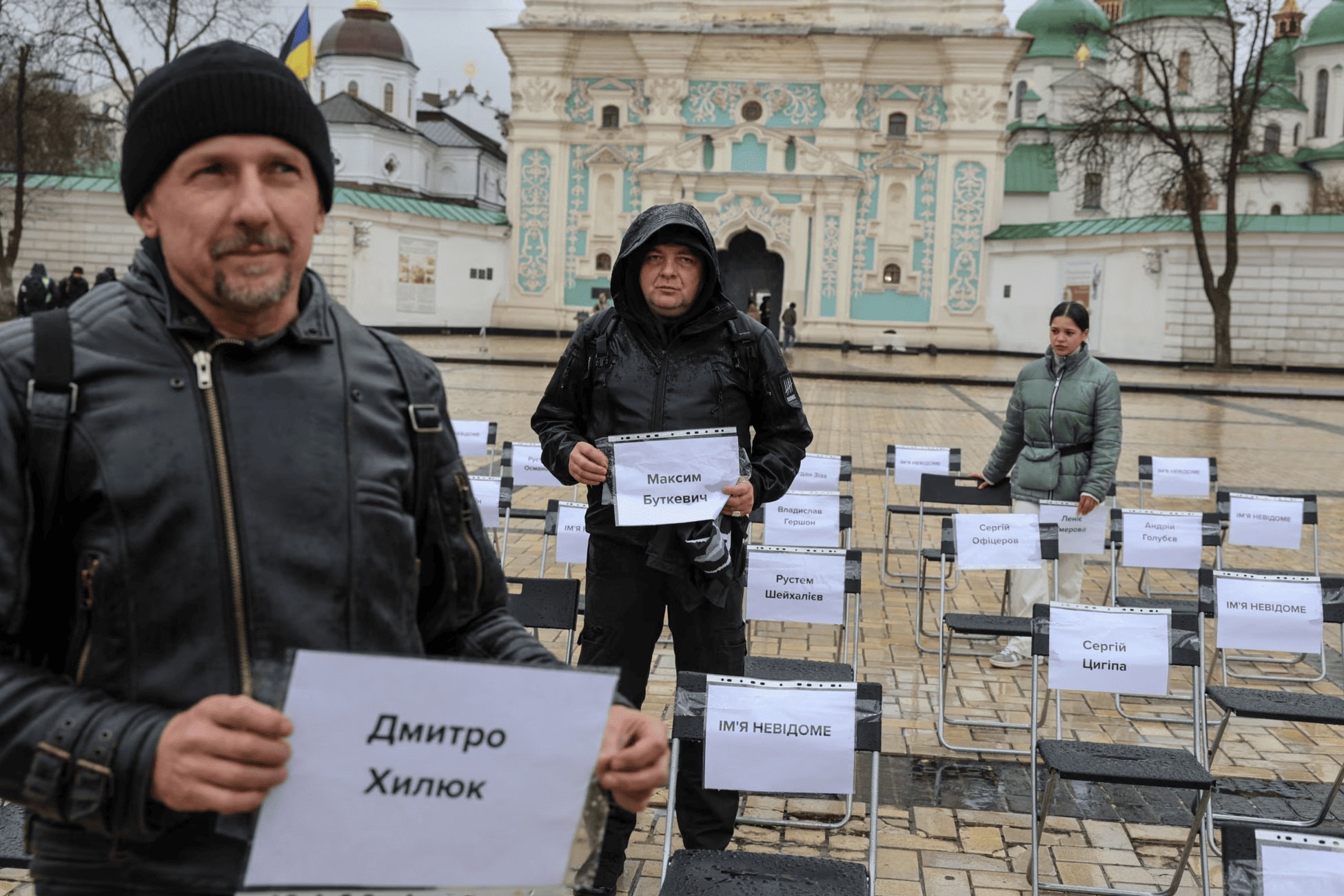
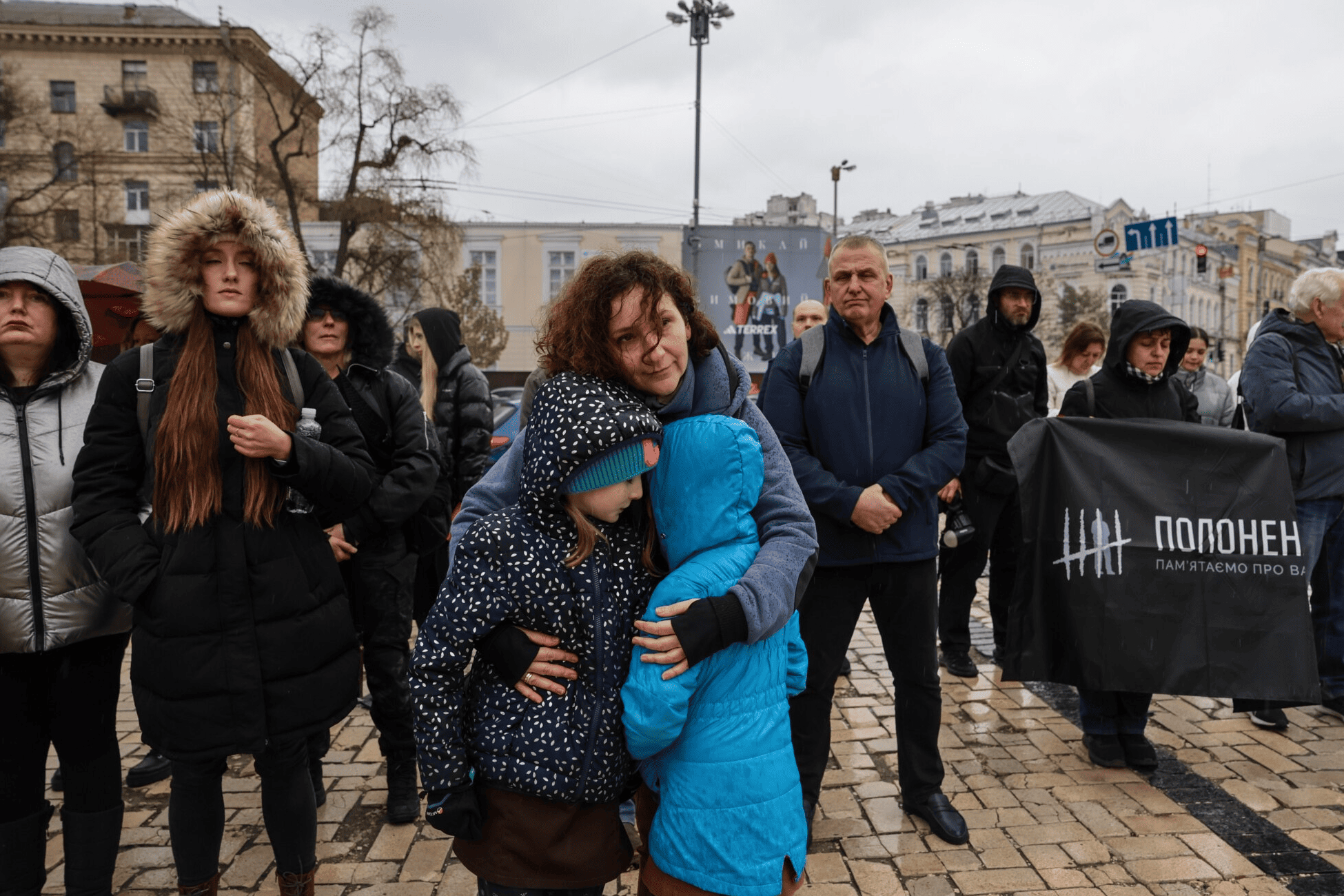
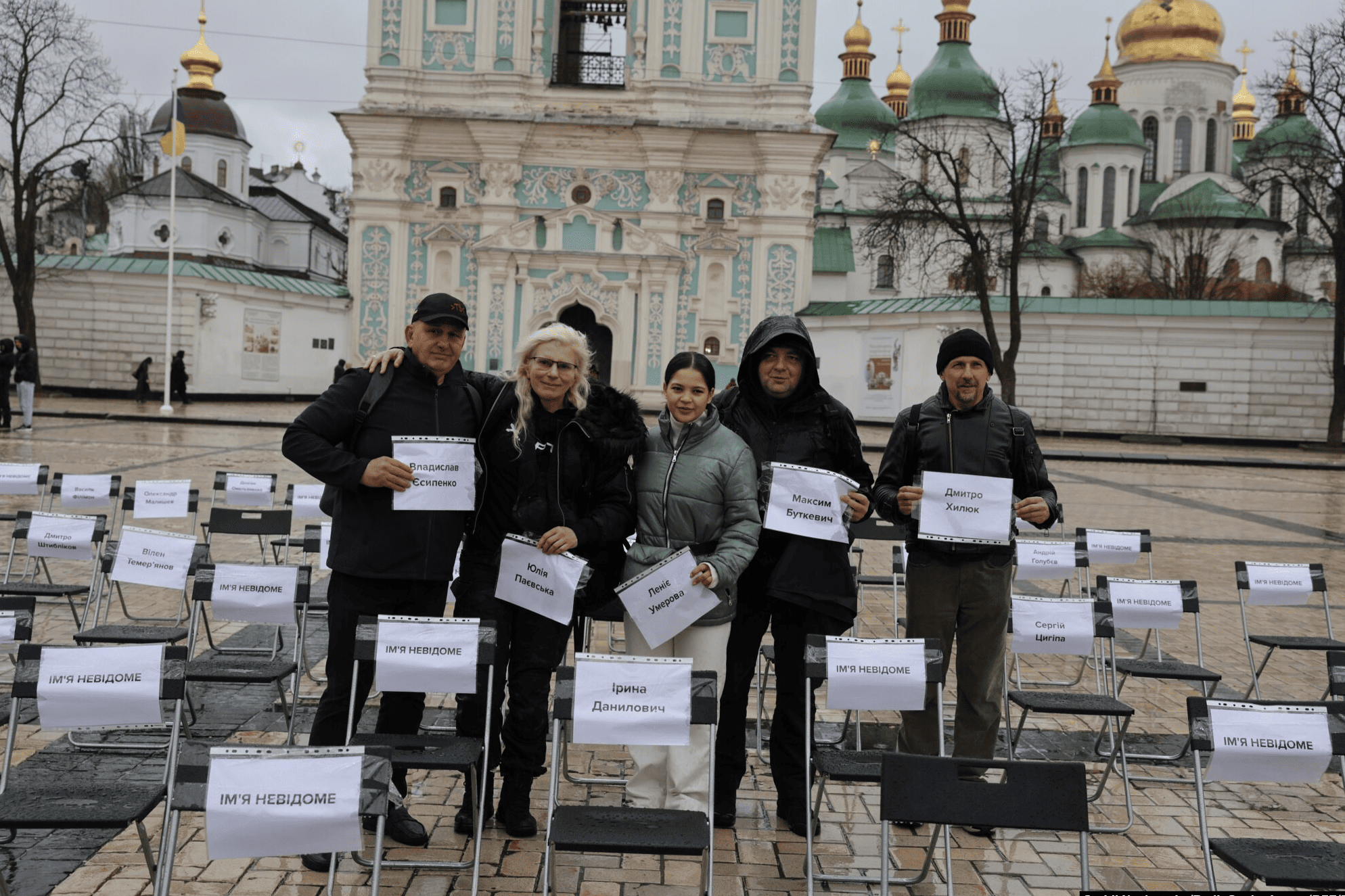
Kyiv Action: “Empty Chairs” – A Call Not to Forget Kremlin Prisoners (Photo Gallery)
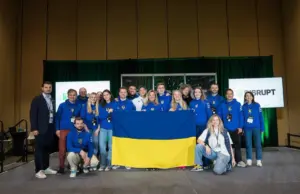
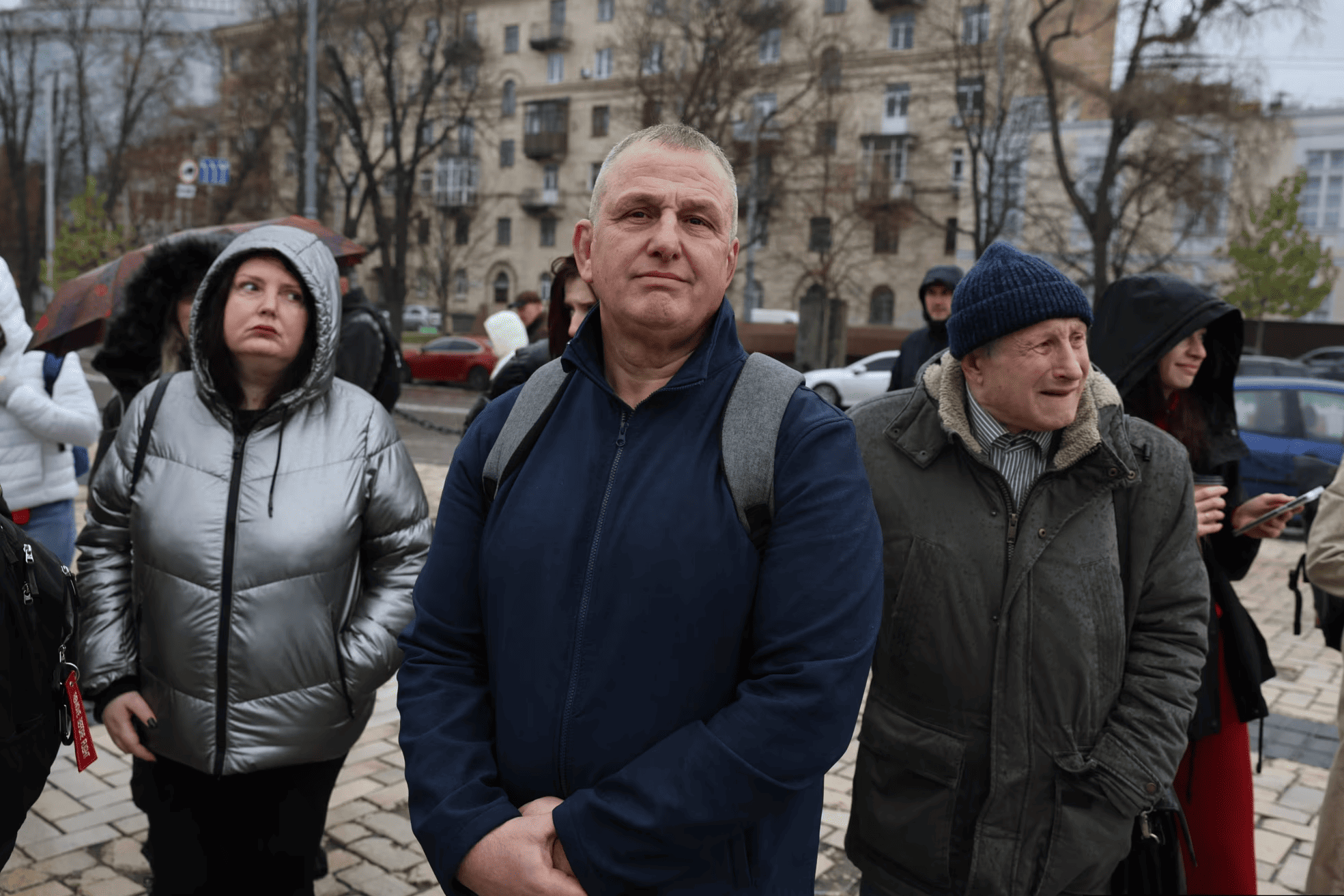
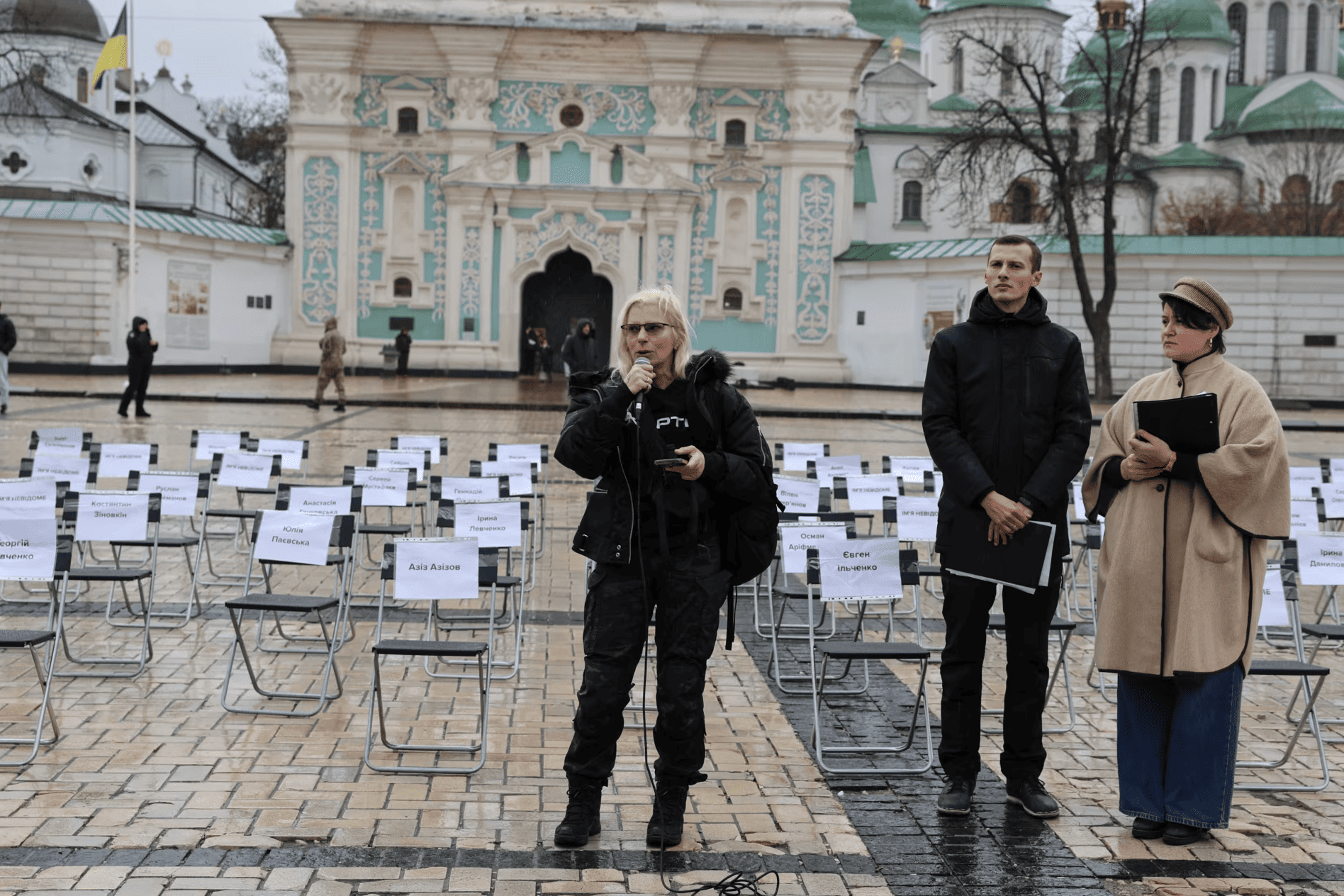
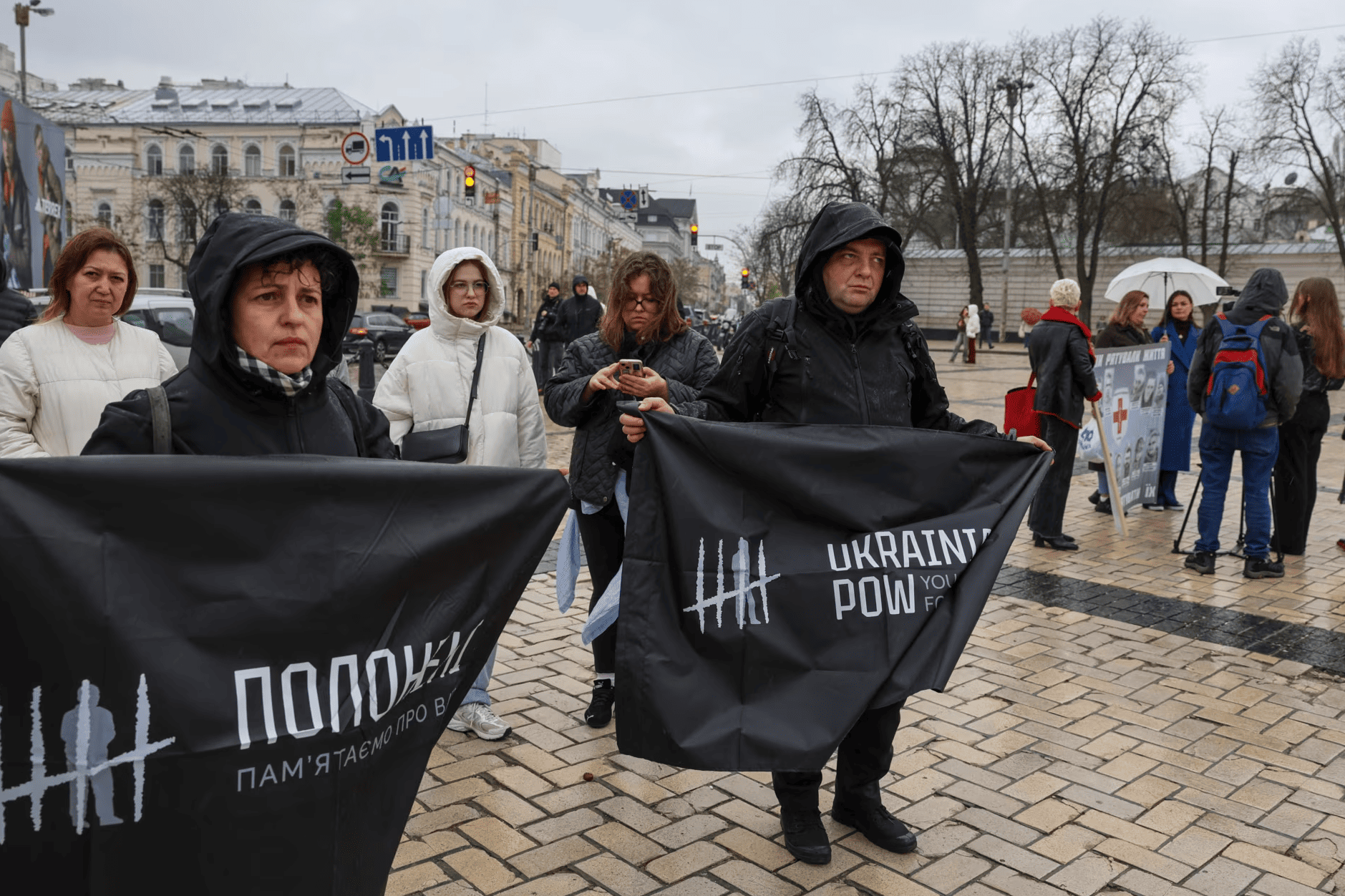
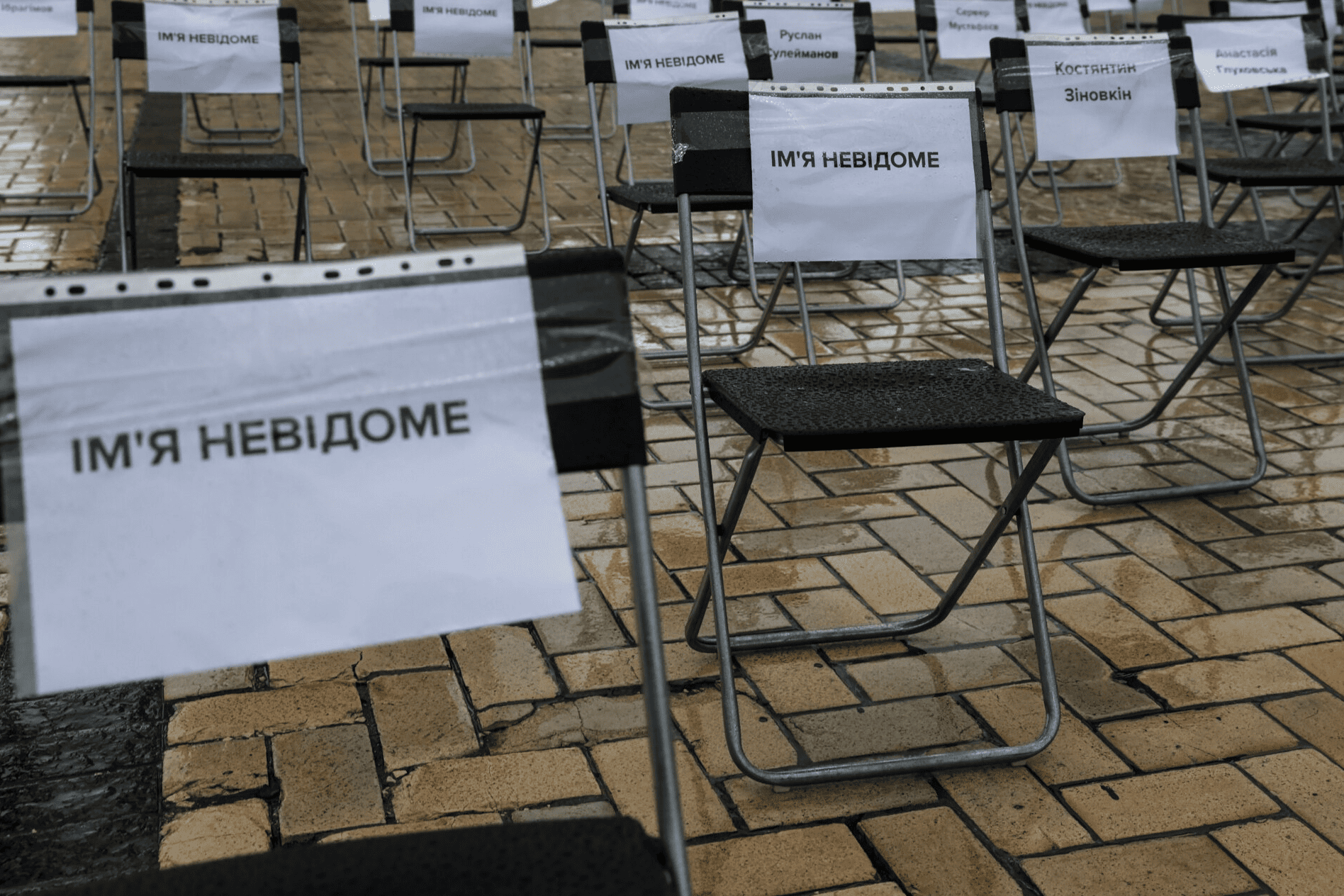
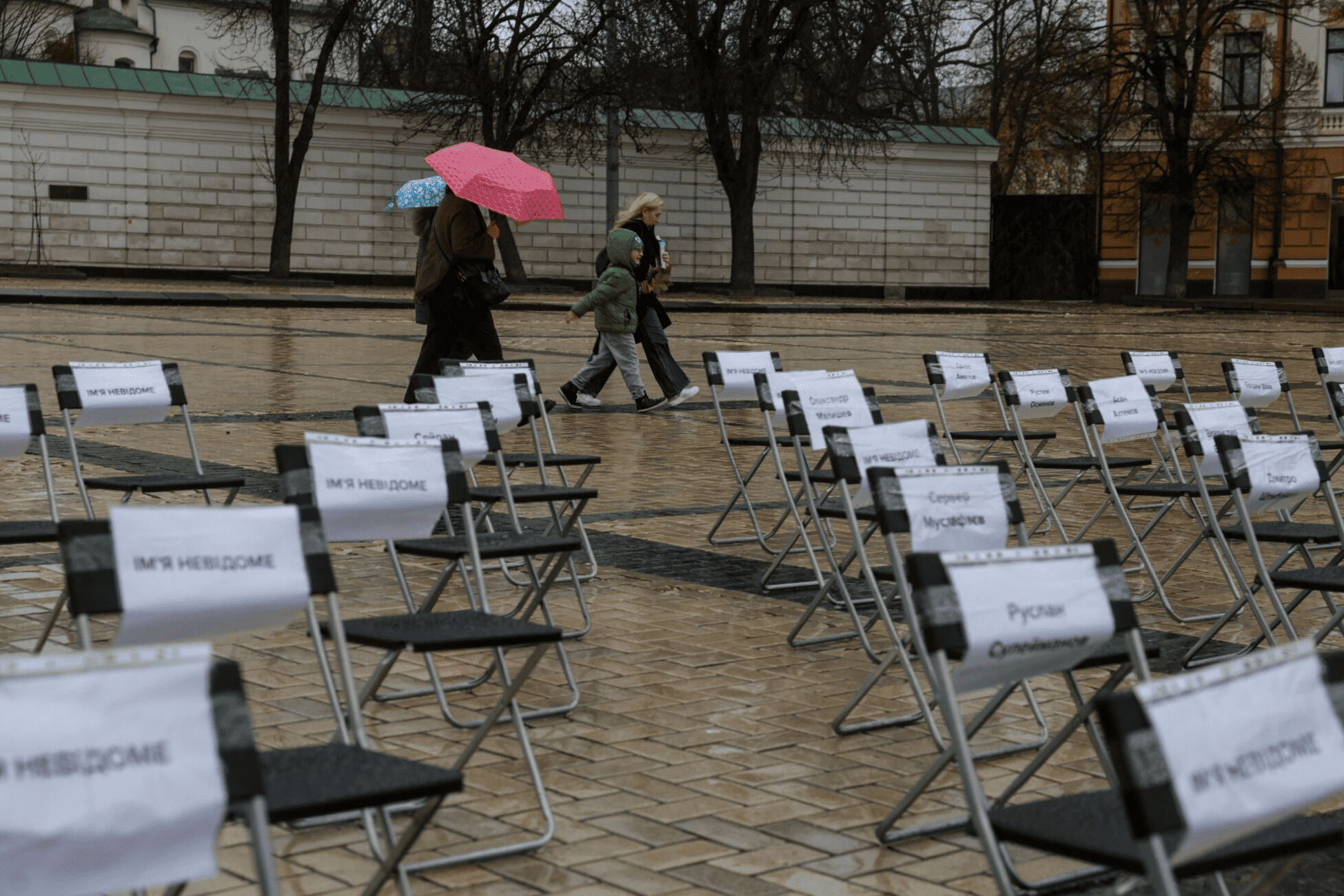
On Sofiiska Square in central Kyiv on 15 November, the annual human rights action “Empty Chairs” took place in support of journalists, writers, cultural figures, and human rights defenders who have gone missing, been imprisoned, or remain in captivity as a result of Russia’s war against Ukraine.
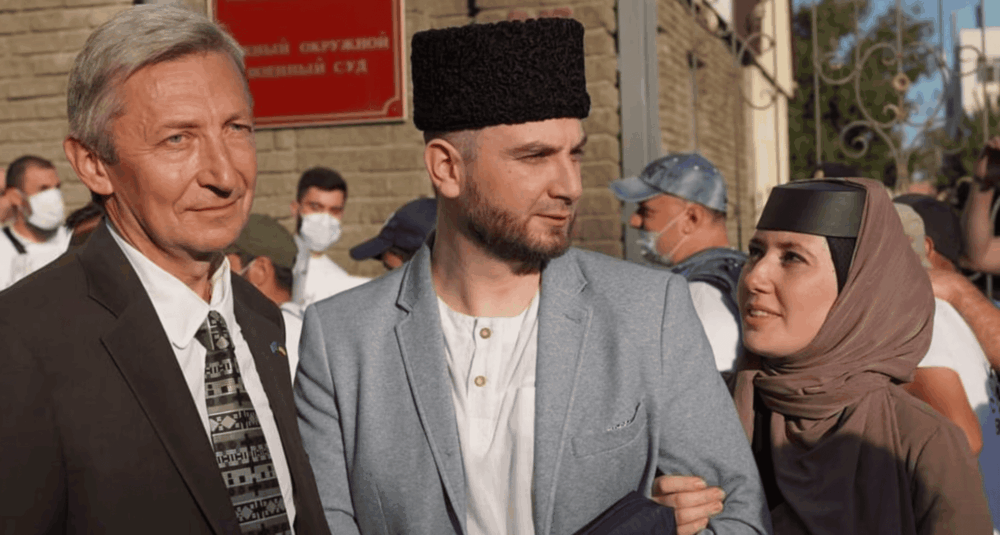
Aziz Azizov and Rustem Osmanov
Aziz Azizov lived in Bakhchysarai with his family. He worked in construction and roofing. Later, he joined the work of the civic initiative “Crimean Solidarity.” For his work — as a citizen journalist present at the homes where Russian security forces conducted searches of Crimean Tatars—he was twice detained and arrested for 7 days.
“Crimean Solidarity” is a civic human rights initiative created in April 2016 in Crimea by relatives of detainees, activists, and lawyers. The movement focuses on defending victims of political repression, providing legal and material support to political prisoners and their families, and covering court proceedings.
Rustem Osmanov was a professional journalist and worked as a video editor for the Crimean Tatar TV channel ATR in Simferopol. After the annexation, the Russian authorities shut down the channel, and since 2015 it has been broadcasting from Kyiv. However, Osmanov remained in Crimea.
On 5 March 2024, FSB officers carried out another series of searches in the homes of Crimean Tatars in Crimea. In the Bakhchysarai and Dzhankoi districts, ten people were detained and later arrested. Among them were citizen journalists Aziz Azizov and Rustem Osmanov from Bakhchysarai. Both became defendants in the so-called Sixth Bakhchysarai Hizb ut-Tahrir case. Russian security forces accused all those detained that day of belonging to a terrorist organization.
Ernes Ametov
Ernes Ametov was engaged in entrepreneurial activity in Crimea. He was passionate about videography and enjoyed filming advertisements. He was also an activist of “Crimean Solidarity” and, as a citizen journalist, covered political persecution of Crimean Tatars and human rights violations in annexed Crimea. Russian authorities arrested Ametov twice. The first time was in 2017, after which he spent three years in unlawful detention. In September 2020, the Southern District Military Court acquitted Ametov and released him in the courtroom. However, the verdict was later overturned and the case was retried. In 2022, he was sentenced to 11 years in a strict-regime penal colony.
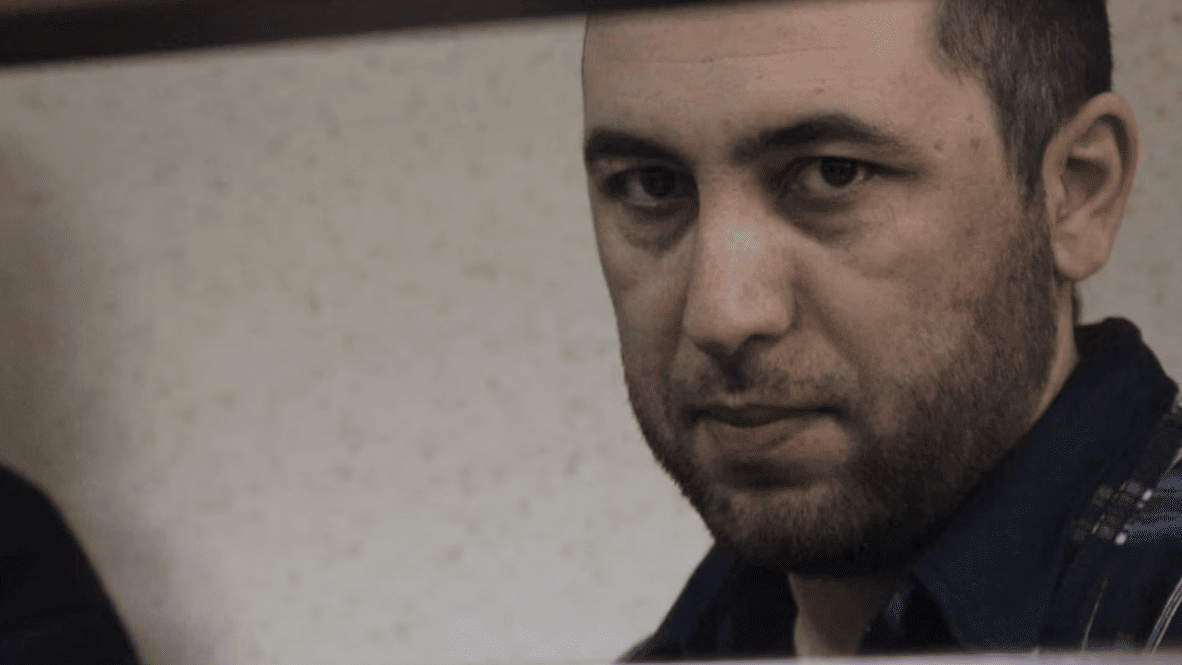
Osman Arifmemetov
Osman Arifmemetov is a journalist and activist who documented court proceedings against Crimean Tatar activists in Crimea. For example, he photographed Russian security forces conducting a search of Timur Ibragimov’s home on 11 October 2017. In 2019, Arifmemetov was arrested in a case involving “terrorist activity” — charges that human rights defenders say were fabricated. The Crimean resident has been in Russian detention for the seventh year.
Marlen (Suleiman) Asanov
In his youth, Marlen (Suleiman) Asanov worked as a teacher of the Crimean Tatar language and literature. Later, he became the director of the “Kokkoz” cultural and ethnographic centre, and subsequently founded the caravanserai “Salachyk.”
After Russia’s annexation of Crimea, Asanov began assisting the families of political prisoners. He attended all court hearings in politically motivated cases and published videos of searches conducted by Russian security forces on his YouTube channel. Marlen Asanov was arrested in Bakhchysarai on 12 October 2017. The FSB accuses him of involvement in a terrorist organization.
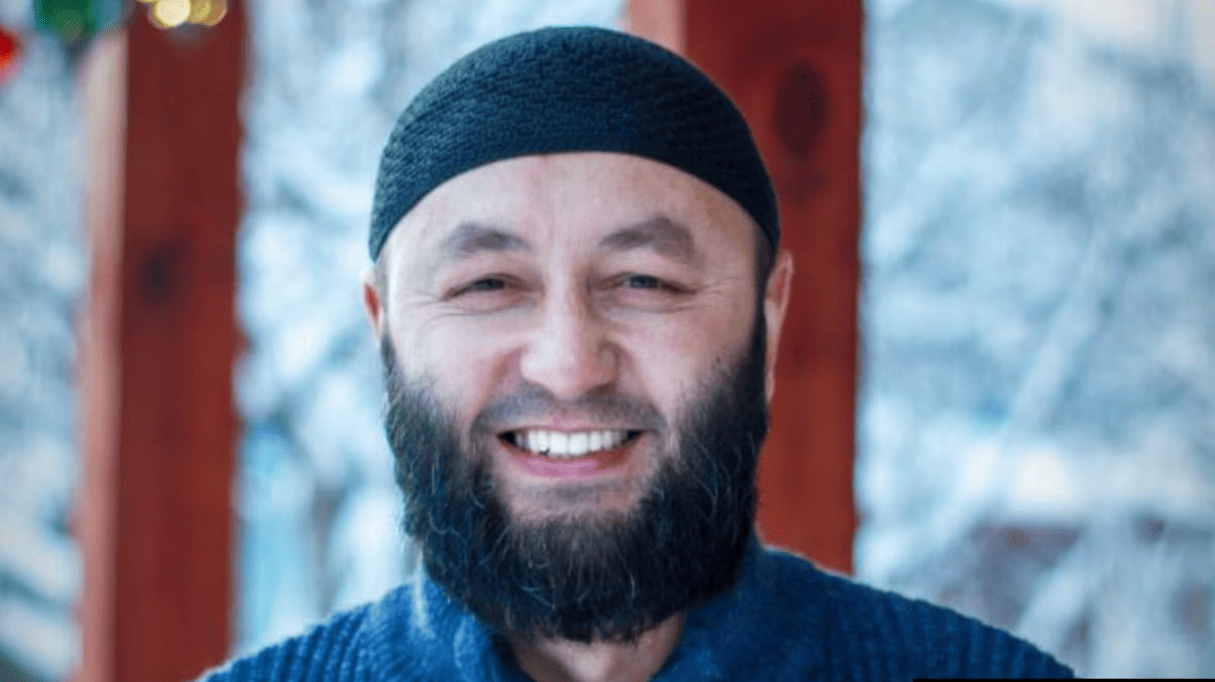
Asan Akhtemov
Asan Akhtemov is a native of Simferopol. Since 2015, he worked as a journalist and assistant editor for the Crimean Tatar newspaper “Avdet.” In 2021, he was arrested on charges of involvement in the explosion of a gas pipeline in the village of Perevalne. Human rights defenders reported that the FSB subjected Akhtemov to physical and psychological pressure during his detention. He was beaten, taken to a forest, threatened with execution, and later tortured with electric shocks in the presence of a court-appointed lawyer in order to obtain a confession. In 2022, the Russian-controlled Supreme Court of Crimea sentenced Asan Akhtemov to 15 years in a strict-regime penal colony. Krym.Realii previously reported that he is rapidly losing his eyesight in a Russian prison.
The newspaper “Avdet” (“Return”) was first published in 1990. Over the years, it has covered important historical events in Crimea. In 2014, the publication faced pressure from Russia and was forced to struggle for survival. Until 2021, it was published in print for a limited number of subscribers. Since 2021, “Avdet” has fully moved to an online format.
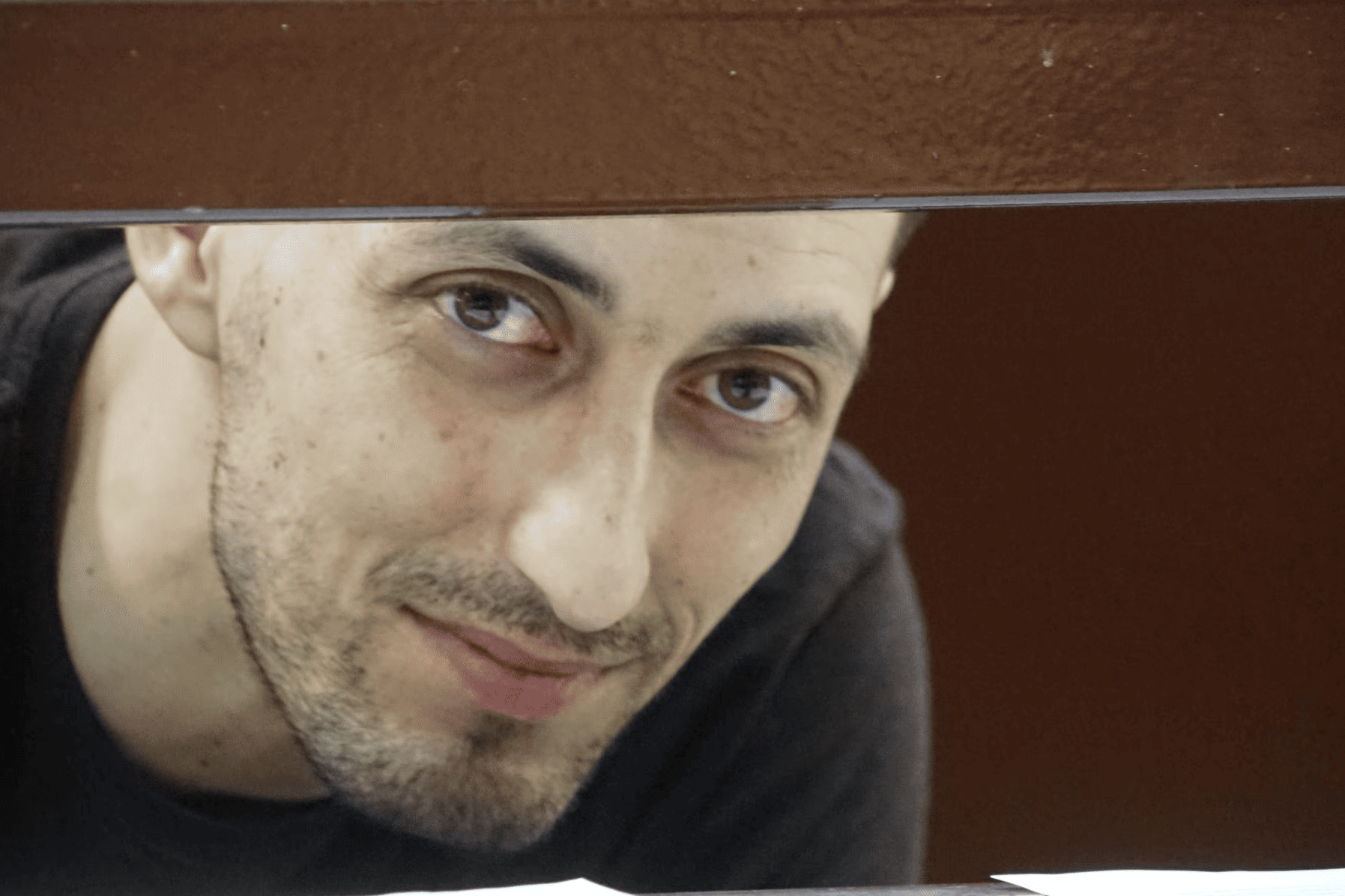
Remzi Bekirov
Remzi Bekirov is a citizen journalist who live-streamed searches and court hearings in politically motivated cases against residents of Crimea. Among the cases he covered were those of Crimean Tatar national movement veteran Vedzhie Kashka, the Hizb ut-Tahrir case, and the detention of UOC priest Klyment. Bekirov was arrested in 2019, and on 10 March 2022, a judge at the Southern District Military Court in Rostov-on-Don sentenced the citizen journalist to 19 years in prison.
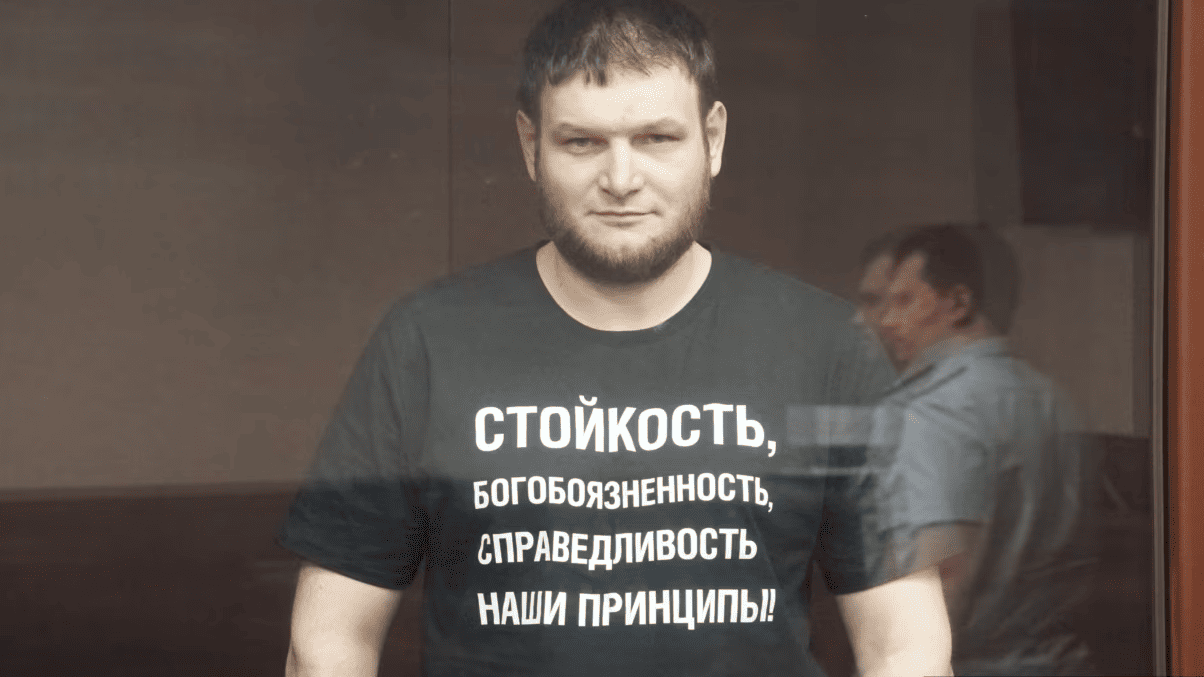
Oleksii Bessarabov, Volodymyr Dudka, and Dmytro Shtyblikov
Volodymyr Dudka, Dmytro Shtyblikov, and Oleksii Bessarabov are former servicemen of the Ukrainian Navy. Before 2014, Shyblikov and Bessarabov worked as military experts at the Ukrainian analytical center “Nomos” in Sevastopol. They were also members of the editorial board of the Ukrainian journal “Black Sea Security.” Volodymyr Dudka was a close friend of both of them.
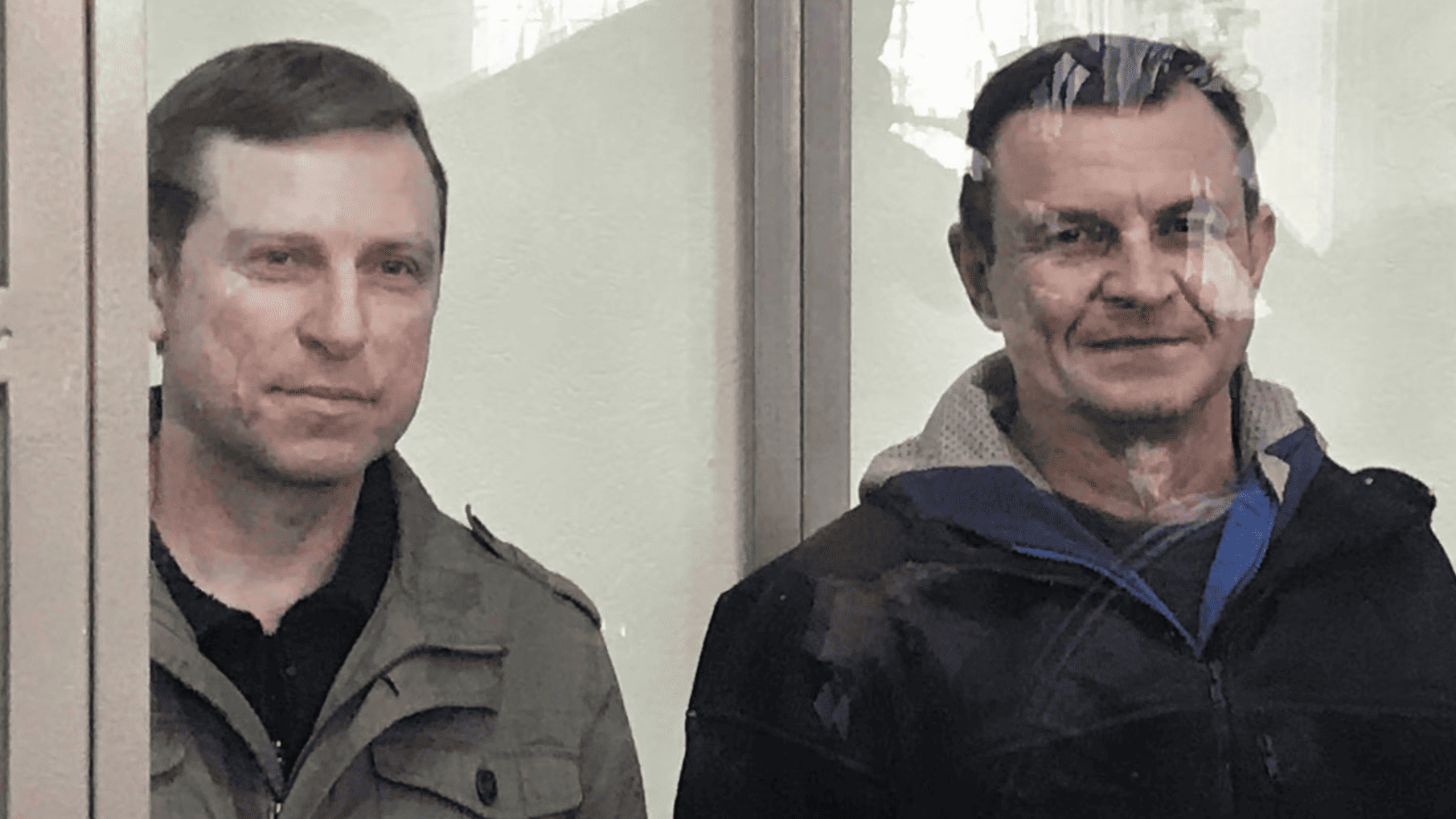
On 9 November 2016, FSB officers detained the three of them in Sevastopol on suspicion of preparing sabotage in Crimea. They were later sentenced to prison terms ranging from 5 to 14 years.
Iryna Danylovych
Iryna Danylovych is a Crimean nurse and citizen journalist. She collaborated with the projects “Crimean Process” and INzhyr media, where she covered persecution on the peninsula. Danylovych also wrote about violations of the rights of Crimean medical workers, including unpaid compensation for work with COVID-19 patients.
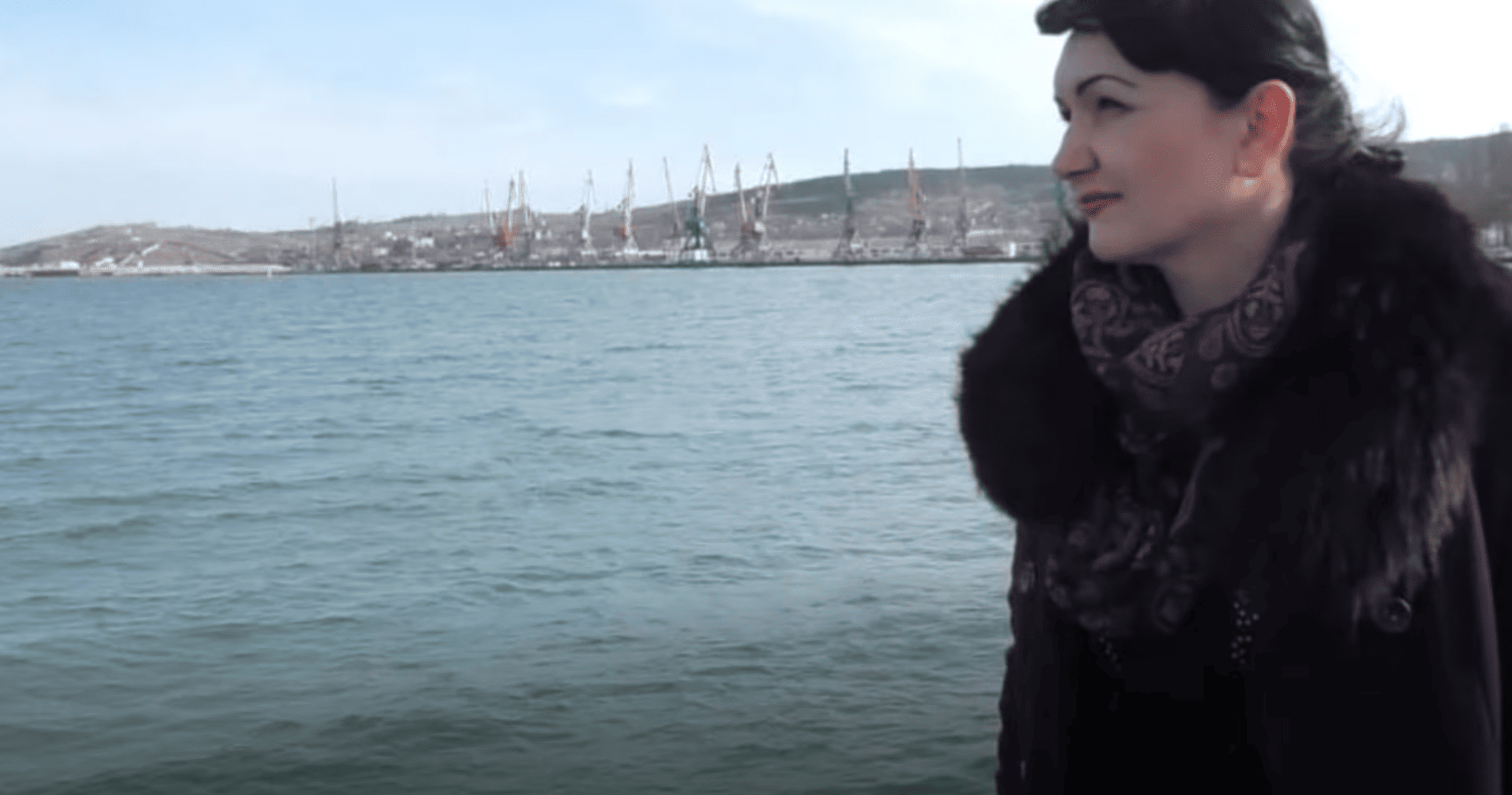
In 2022, Danylovych was abducted by FSB officers. She was accused of allegedly possessing explosives and sentenced to 7 years in prison. While in detention, she has developed serious health problems.
Timur Ibragimov, Server Mustafayev, Seiran Saliiev
Timur Ibragimov, Server Mustafayev, and Seiran Saliiev became defendants in the so-called Second Bakhchysarai Hizb ut-Tahrir case.
The “Hizb ut-Tahrir cases” refer to criminal prosecutions in Crimea and Russia against members of the international Islamic political party Hizb ut-Tahrir al-Islami. They are most often accused of alleged involvement in “terrorist activity.” Human rights organizations classify the Hizb ut-Tahrir cases as persecution based on political and religious beliefs.
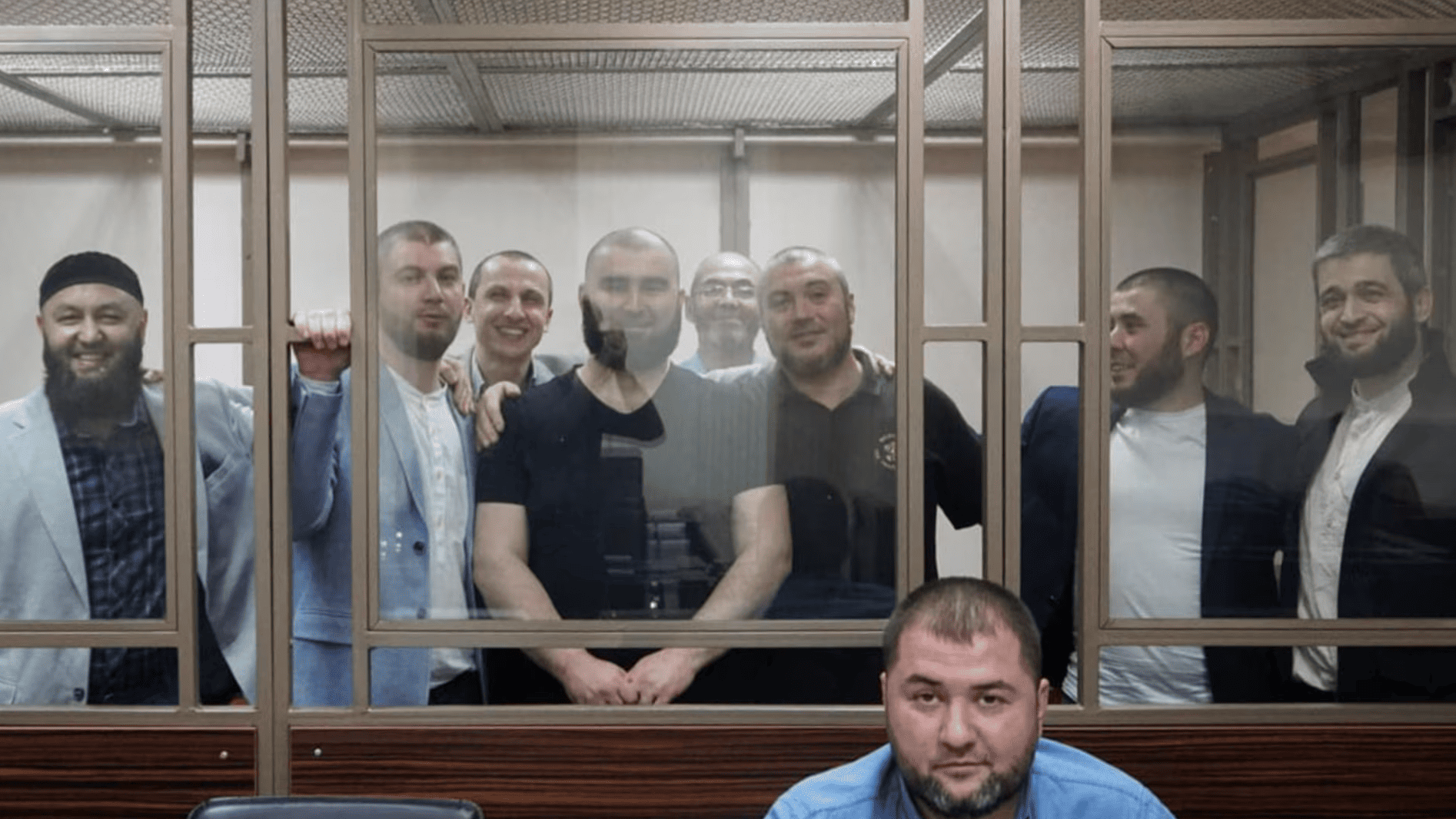
On 16 September, the Southern District Military Court in Rostov-on-Don sentenced Timur Ibragimov to 17 years, Server Mustafayev to 14 years, and Seiran Saliiev to 16 years in prison. All of them were activists of “Crimean Solidarity.”
Amet Suleimanov
Amet Suleimanov combined his civic activity in “Crimean Solidarity” with working as a sales manager in a shop in Bakhchysarai. He live-streamed searches in the homes of Crimean Tatars conducted by Russian security forces and attended court hearings as a public observer. For this, Suleimanov was detained more than once.
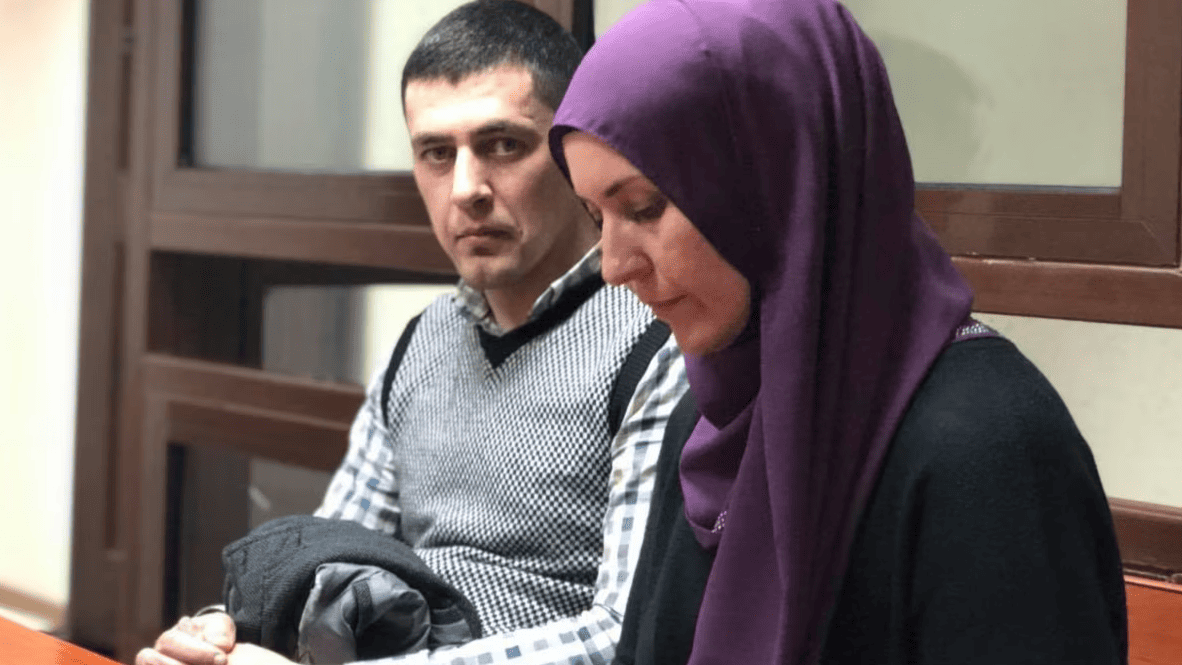
In 2021, his case was not limited to house arrest. Suleimanov was sentenced to 12 years in prison. In 2023, he was transferred to a strict-regime penal colony, despite needing heart surgery. Human rights defenders consider his case politically motivated and his conditions of detention life-threatening.
Ruslan Suleimanov
Ruslan Suleimanov is a citizen journalist and activist with “Crimean Solidarity.” He came to the attention of Russian security forces after taking part in a solo picket in support of arrested Crimean Tatars on 15 October 2017. At that time, Suleimanov was fined 10,000 rubles.
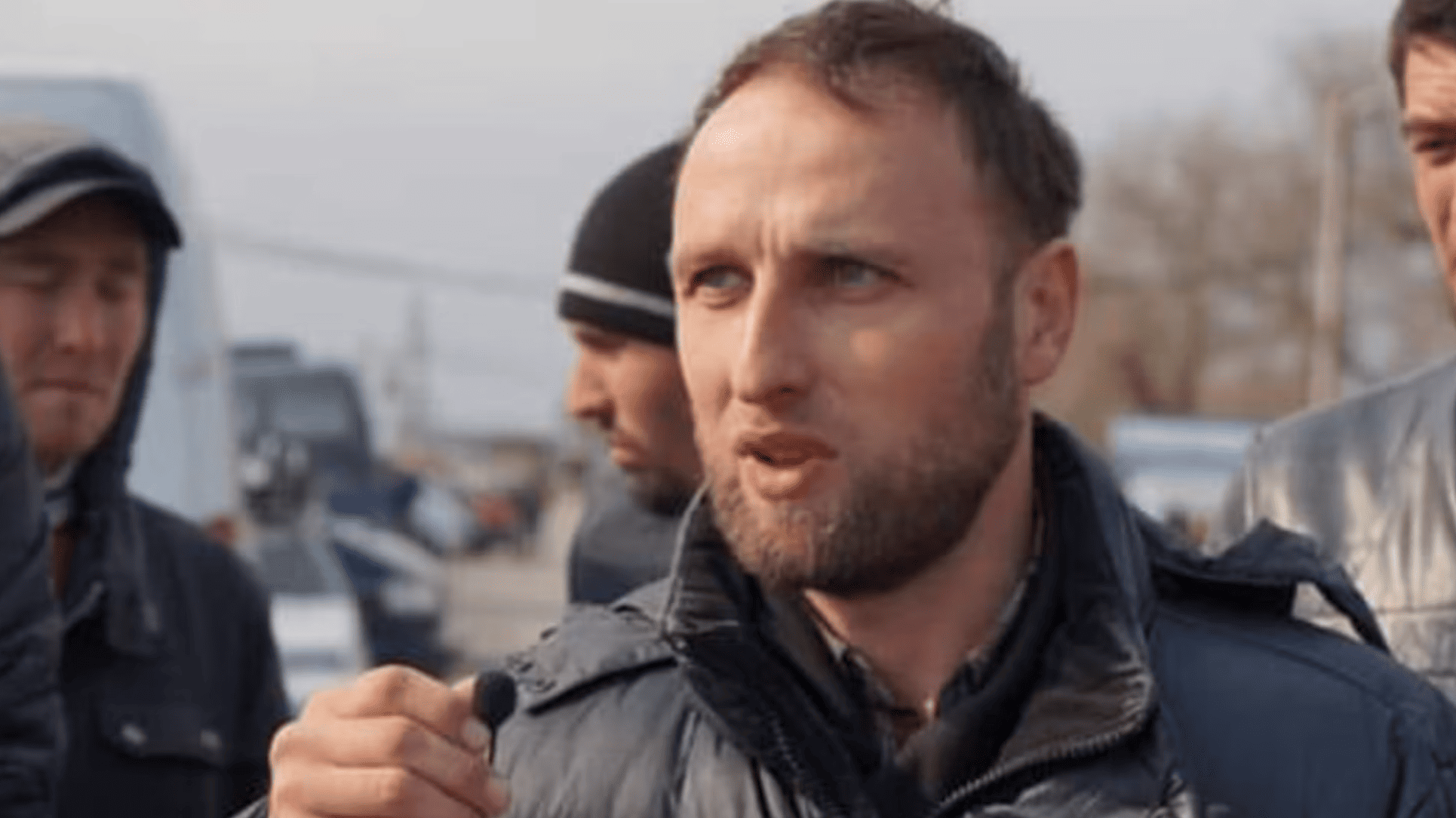
On 27 March 2019, he was arrested and charged with terrorism. On 24 November 2022, the Southern District Military Court in Rostov-on-Don, Russia, delivered a verdict against five Crimean Tatars in the so-called “case of Crimean Muslims.” Among them was Ruslan Suleimanov, who was sentenced to 14 years in a strict-regime penal colony.
Vilen Temeriianov
Vilen Temeriianov was one of the citizen journalists of “Crimean Solidarity.” After a new wave of repression against Crimean Tatars began, he started travelling to the sites of searches, filming the actions of Russian security forces on his phone, and reporting on what was happening. In 2020, he received a press card from the outlet “Grany.ru” and became a regular observer at court hearings in cases involving political prisoners in Crimea.
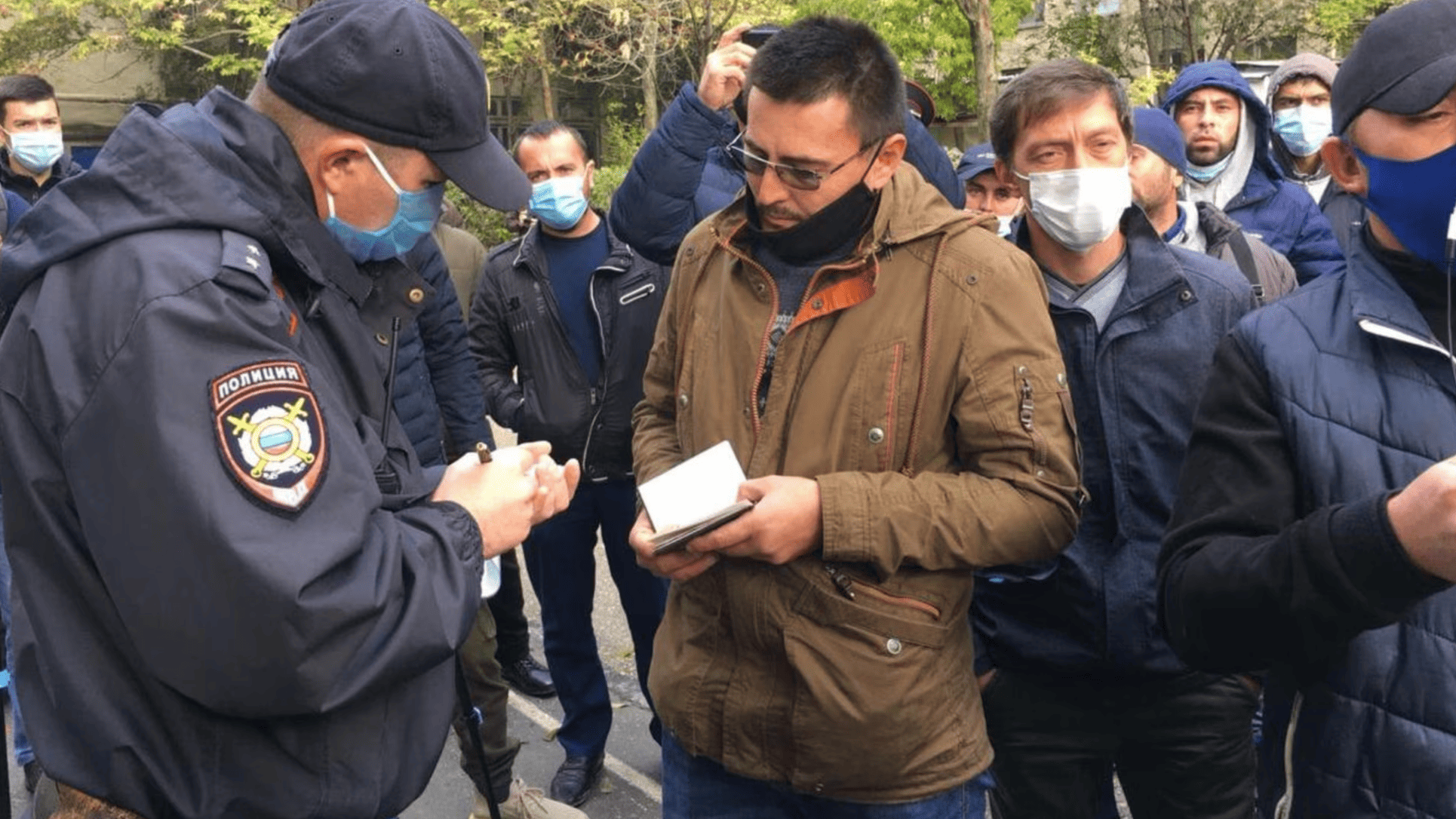
In August 2022, FSB officers came to his home in the Dzhankoi district. After a search, Vilen was detained on terrorism charges and arrested the same day. On 25 November, he delivered his final statement at the Southern District Military Court in Rostov-on-Don, declaring his innocence. “I am a Muslim and a journalist,” Temeriianov was quoted by Crimean Solidarity.
Rustem Sheykhaliiev
Rustem Sheykhaliiev worked in market trade for many years and helped organize children’s events in Crimea. In 2015, he also became a citizen journalist. Sheykhaliiev attended court hearings, covered repression against Muslims, and helped organize deliveries of supplies for unlawfully arrested Crimeans.
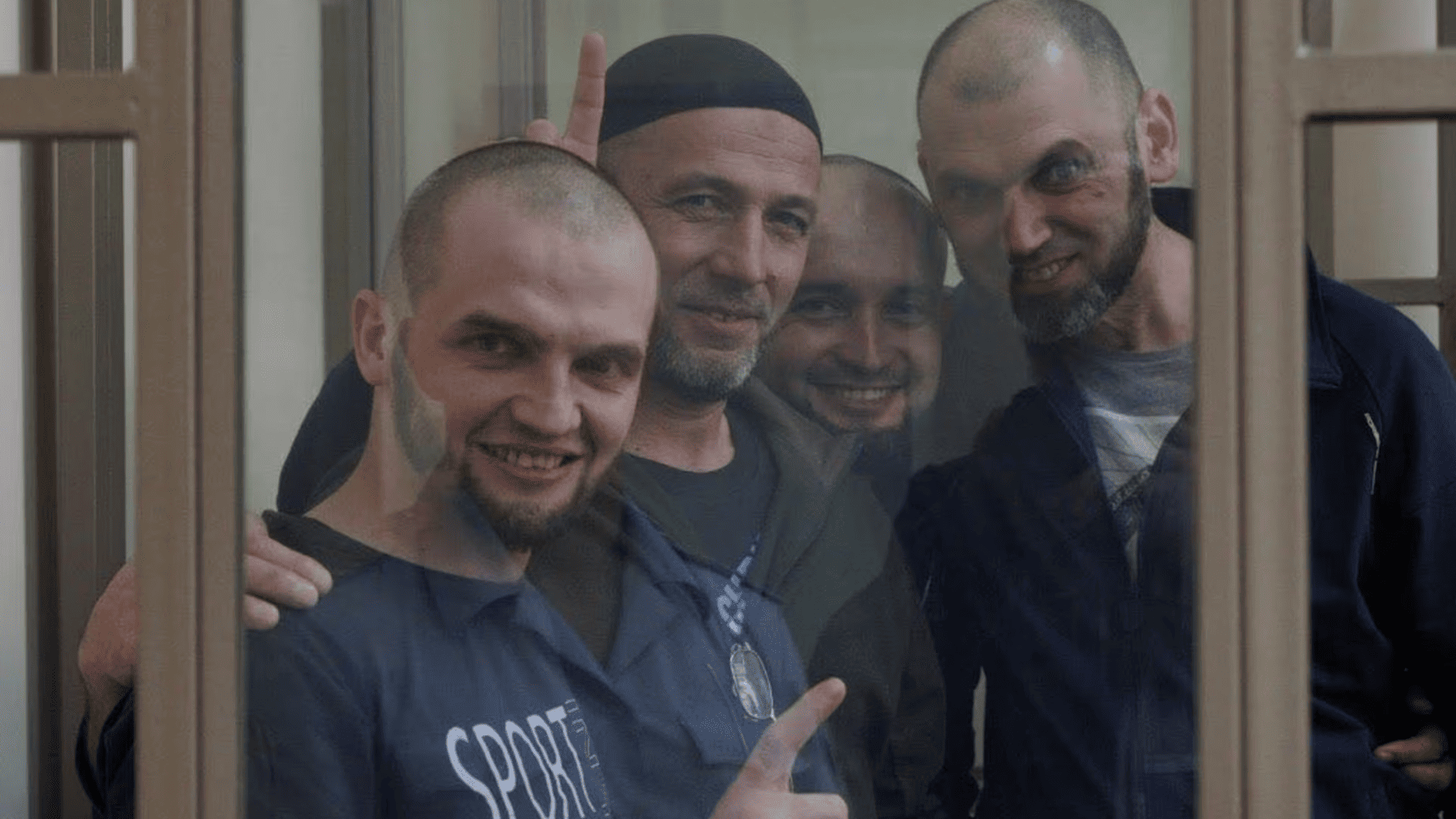
Sheykhaliiev was arrested on 27 March 2019 in Simferopol. On 24 November 2022, the Southern District Military Court sentenced him to 14 years in prison. His wife has repeatedly reported that his health has seriously deteriorated in the colony: he requires dental treatment and treatment for varicose veins.
Hope for release?
Human rights defenders note that the release of Crimean journalists is progressing with difficulty, primarily due to Russia’s position, which considers people in annexed Crimea to be Russian citizens and is unwilling to hand over “its own” people.
“The problem is that Russians almost never return civilians in exchanges. In most cases, during exchanges they agree to return prisoners of war in exchange for their own POWs, while civilians are rarely released. In the most recent exchanges, no civilians from Crimea were released, so there is very little chance that our journalists and other civilian detainees imprisoned in Crimea will be returned,” said Iryna Sedova, an expert at the Crimean Human Rights Group, in a comment to Krym.Realii.
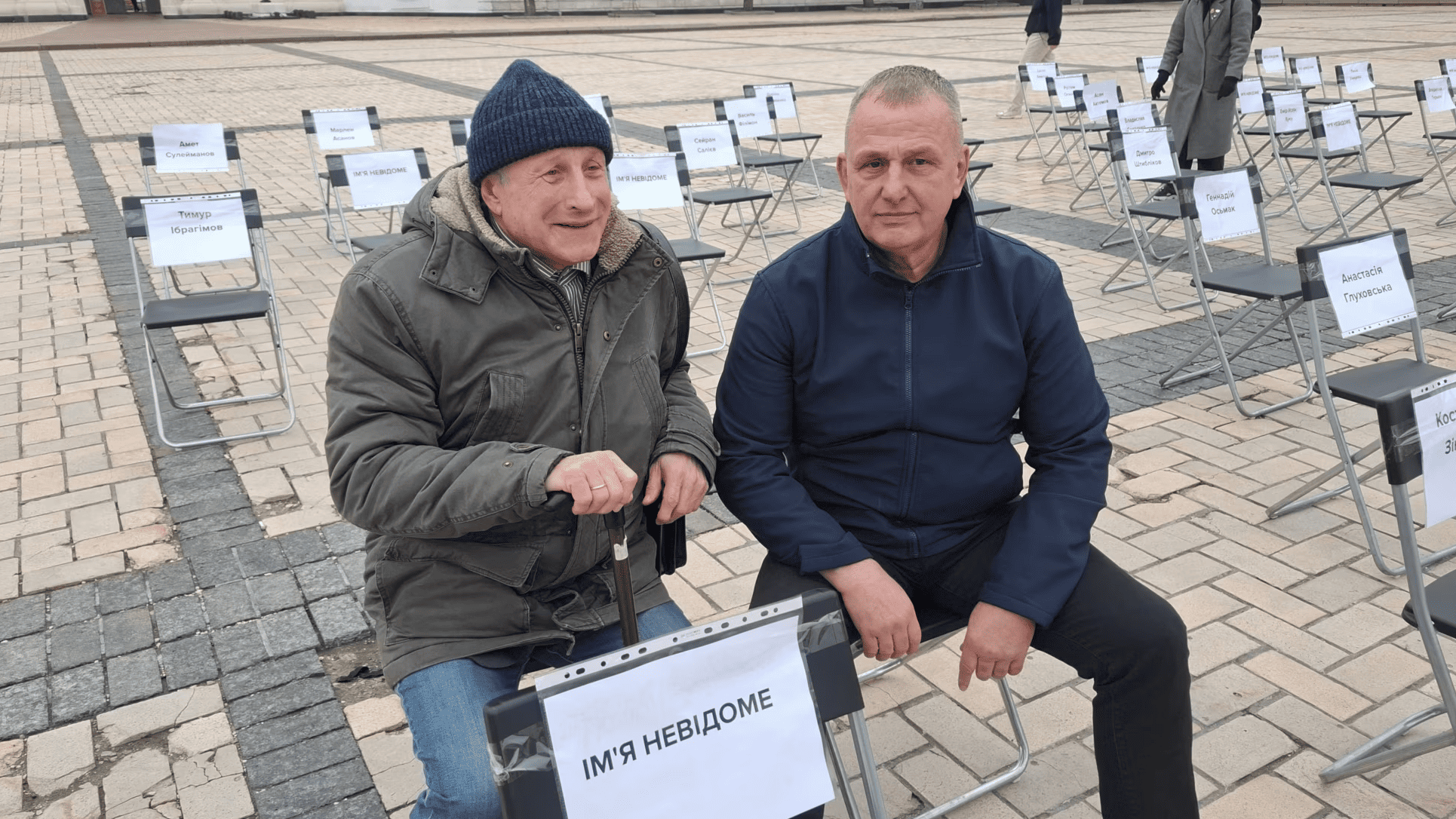
Krym.Realii journalist Vladyslav Yesypenko, after being released from Russian captivity, decided to dedicate himself to human rights work. He aims to contribute to the release of Crimeans who are still imprisoned in Russia and stresses how dangerous it is to work in Crimea today.
“I deeply respect people who, after the start of the full-scale invasion, continue working as reporters in the occupied territories. For me personally (no matter how pompous it may sound), this is a contribution to the common cause of returning Ukrainian Crimea. It hurt me then, and it hurts just as much now. Today, the demand for citizen journalists has increased, but so have the risks in an incomparable way. If earlier disagreement or reporting human rights violations could lead to imprisonment, now a person can simply disappear or be killed,” Yesypenko said in a comment to Krym.Realii .
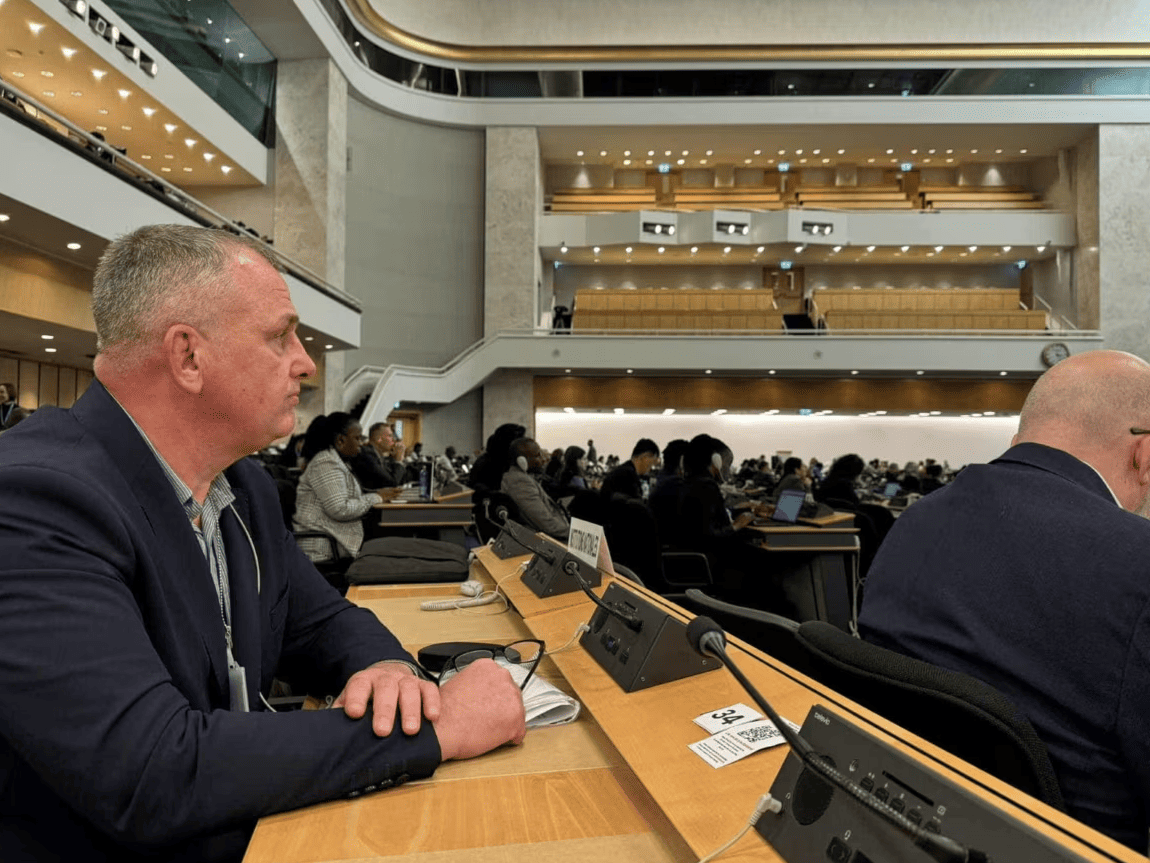
International organizations have repeatedly expressed support for imprisoned Crimean journalists.
“Independent media are under immense pressure, and the Kremlin has turned Crimea into a media desert where only propaganda is allowed,” said Pauline Maufrais, Ukraine program manager in the Eastern Europe and Central Asia division of the international organization Reporters Without Borders, in a comment to Suspilne.
The international organization Reporters Without Borders (RSF) also maintains a Press Freedom Barometer, which includes the names of imprisoned Crimean journalists. In this list, Russia ranks second among countries with the highest number of journalists in detention, second only to China.
Tags: crimea EMPR media human rights political prisoners Press freedom Russian repression ukraine war