
LONDON — European leaders have delivered one of their strongest collective messages to Moscow since the start of Russia’s full-scale invasion of Ukraine, outlining five non-negotiable conditions for any future peace in Ukraine.
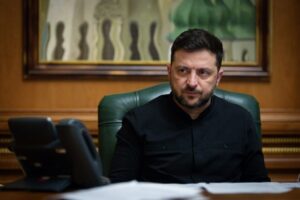
Following an urgent meeting in London with Ukrainian President Volodymyr Zelenskyy, the leaders of the United Kingdom, France, and Germany called on Russian President Vladimir Putin to agree to an immediate and comprehensive ceasefire as the first step toward meaningful peace negotiations.
The high-level summit, convened by British Prime Minister Keir Starmer, brought together French President Emmanuel Macron, German Chancellor Friedrich Merz, and President Zelenskyy at a critical moment in the war. The talks came just days after the Kremlin rejected Ukrainian peace proposals and amid renewed escalation on the battlefield.
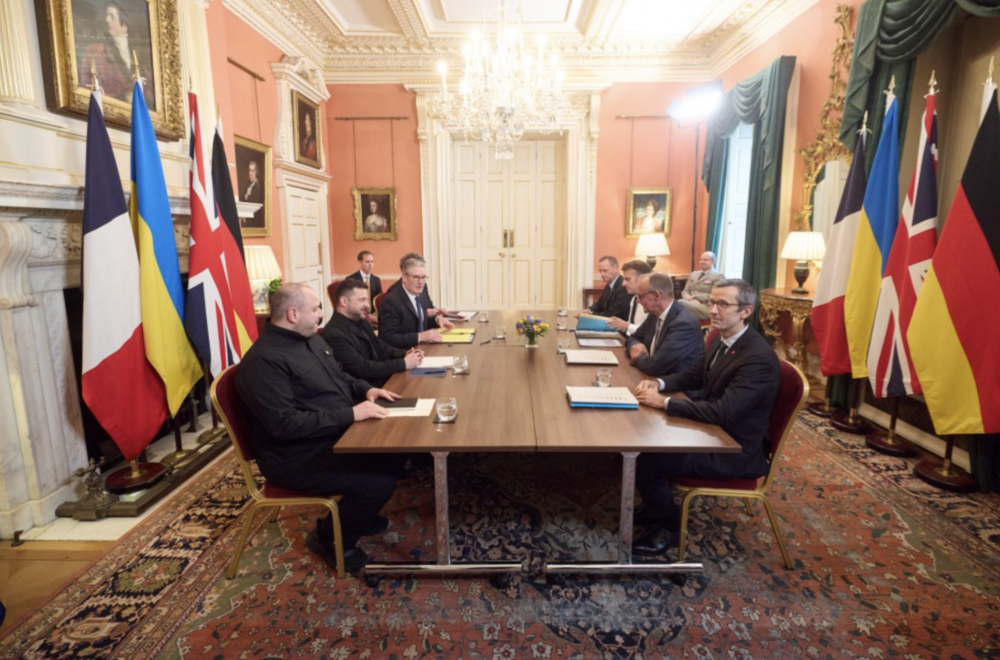
In a joint statement, the three European powers emphasized that peace cannot be achieved through military coercion and reaffirmed their unwavering support for Ukraine’s sovereignty, territorial integrity, and right to self-defense.
The London meeting also addressed growing concerns about Russian attacks on critical infrastructure and repeated incidents involving drones entering NATO airspace during large-scale missile and drone strikes against Ukraine. European leaders described these developments as a direct threat to regional security and stability.
Five Conditions for a Future Peace Agreement
According to the joint position outlined after the summit, any future settlement with Russia must include the following principles:
- A complete and immediate ceasefire across all sectors of the frontline.
- Negotiations based on the current line of contact, while upholding the principle that internationally recognized borders cannot be changed through military force.
- Robust security guarantees for Ukraine, including the potential deployment of multinational security forces.
- The continued freezing of Russian state assets until Russia fully compensates Ukraine for damages caused by its war of aggression.
- Protection of Europe’s long-term strategic security interests within any future security architecture.
The statement signals a coordinated European effort to shape the framework of any future peace process while maintaining pressure on Moscow.
Macron, Merz, and Starmer strongly condemned ongoing Russian missile and drone attacks against Ukrainian cities, stressing that civilian infrastructure continues to be targeted despite international calls for de-escalation.
The leaders also reaffirmed support for initiatives designed to provide lasting security guarantees for Ukraine, including the so-called “Coalition of the Willing” led by the United Kingdom and France.
While discussions continue within the European Union regarding diplomatic formats and potential special envoys, the Kremlin has rejected the idea of European mediation, arguing that EU nations cannot remain neutral because of their military and financial support for Ukraine.
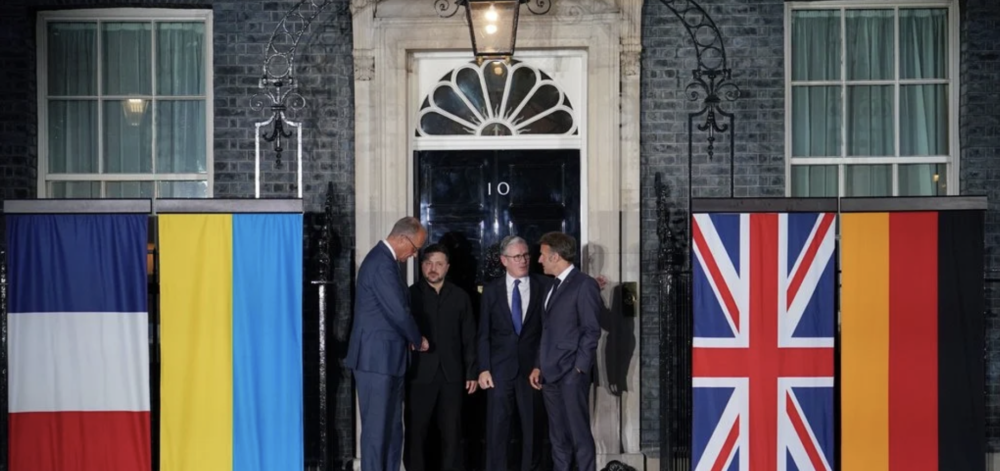
Nevertheless, the London summit demonstrated that Europe’s leading powers remain united in their approach: peace is possible, but only if Russia agrees to clear conditions that respect international law and Ukraine’s sovereignty.
As the war enters another critical phase, the message from London was unmistakable: Europe is prepared to support Ukraine for as long as necessary and expects Moscow to choose diplomacy over continued aggression.
Tags: europe London summit peace talks UK France Germany ukraine war Vladimir Putin Volodymyr Zelenskyy