The exhibition at Kyiv Pechersk Lavra highlights the 14th–15th century Kyiv Principality, showcasing its political, religious, and military role in Europe, the rise of Cossacks, and Ukrainian historical continuity.
The exhibition is dedicated to Kyiv’s role in European political and security processes of the late Middle Ages, reports ZN.UA.
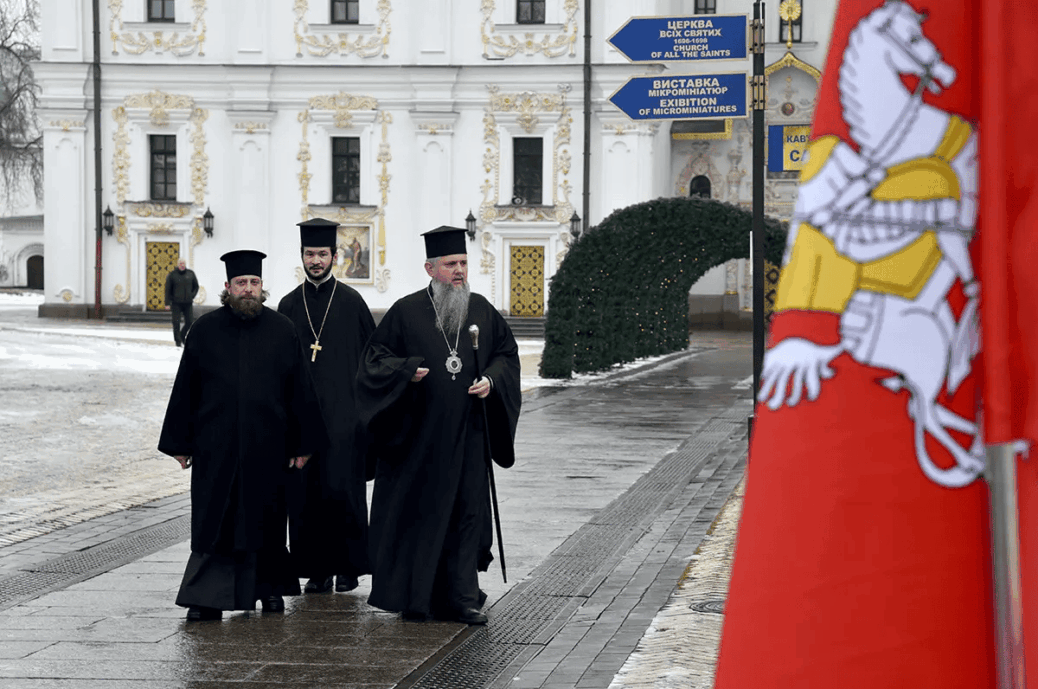
At the National Reserve “Kyiv Pechersk Lavra,” the exhibition “Kyiv Principality of the 14th–15th Centuries: The Ukrainian Factor in European Security” opened, focusing on Kyiv’s role in European political and security affairs during the late Middle Ages. The project presents the Kyiv Principality as an important element of Europe’s defense system following the Mongol invasion and traces the restoration of its influence in the 14th–15th centuries. The opening of the exhibition was captured by ZN.UA photojournalist Vasyl Artyushenko.
The exhibition focuses on the historical development of Kyiv after the city’s destruction in 1240. Through documents, maps, and archaeological materials, it shows how the city gradually regained political significance, integrated into the European network of alliances, and became part of the security belt between the Baltic and the Black Sea.
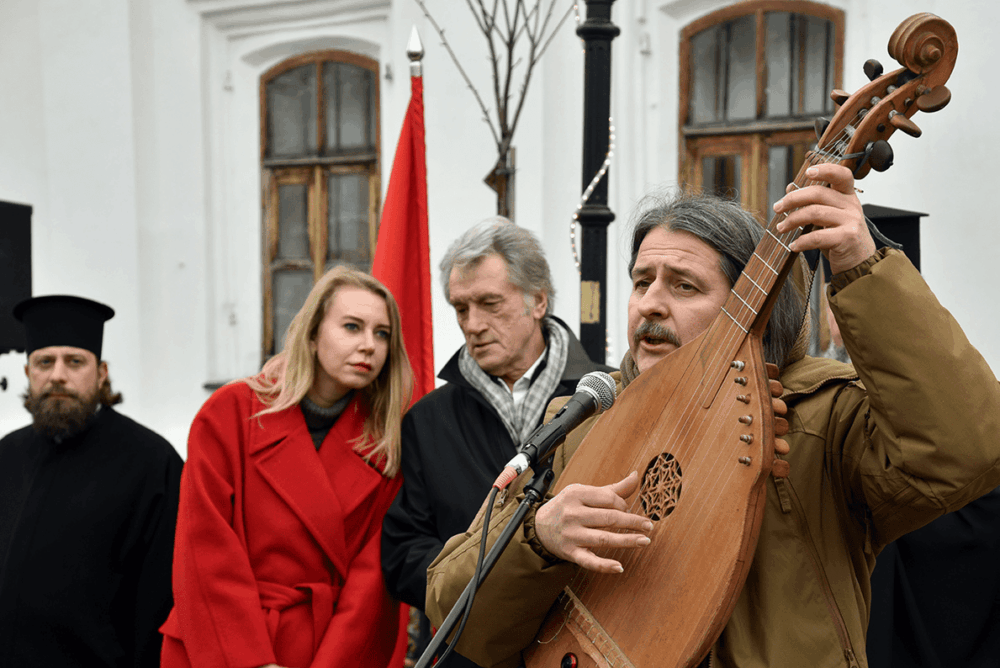
Separate sections of the exhibition are dedicated to the princely dynasties of the Gediminids, the Olelkovychs, and the Holshansky family, who occupied the Kyiv throne between 1362 and 1470. The materials also highlight the restoration of the Kyiv Metropolis, the participation of military units from Ukrainian lands in key battles of the era, and the transformation of the Kyiv Principality into the Kyiv Voivodeship.
According to Svitlana Kotliarevska, acting director of the National Reserve “Kyiv Pechersk Lavra,” the exhibition focuses on a little-studied period of Ukrainian history:
“A new, bold historical exhibition has been created about a little-explored period of our past — about faith, the military, and statehood. We show that Ukraine has been a cornerstone of Europe’s security belt since ancient times, despite the myths perpetuated for years by Russian propaganda. The exhibition reveals the struggle of Ukrainians from the time of the Kyiv Principality to the establishment of the Kyiv Voivodeship, the dynamics of key events — from the rule of princes to the emergence of the Cossacks.”
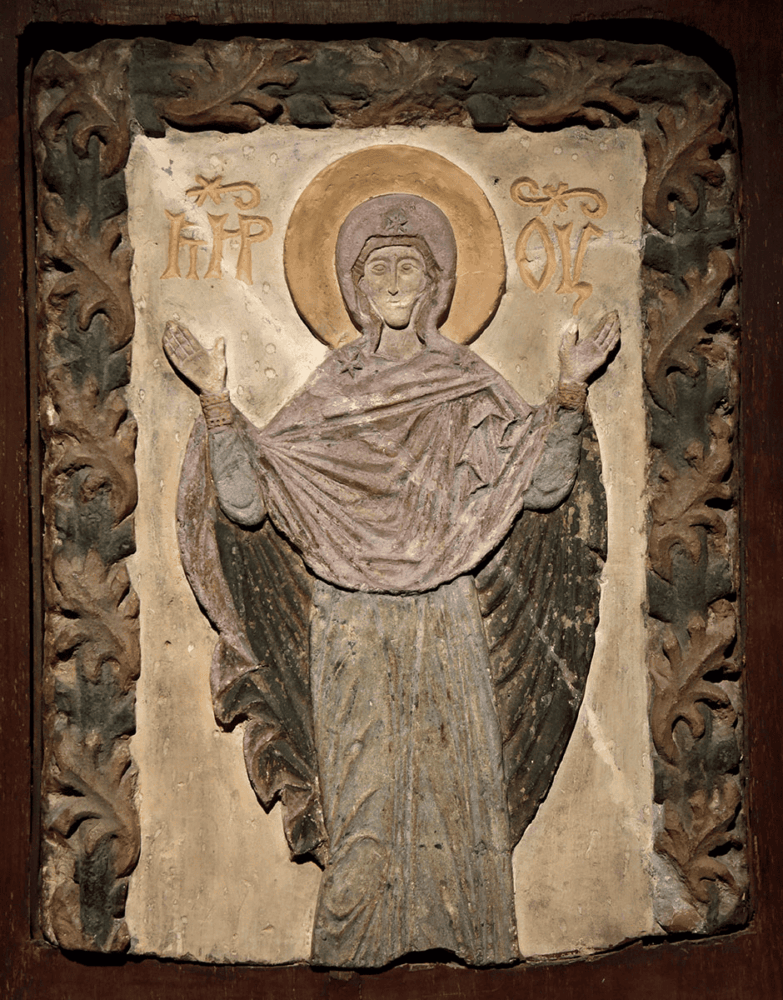
The exhibition features original documents, including acts of the Constantinople Patriarchate, medieval maps, seals, weapons, regimental banners, as well as maps of castles and towns. According to the exhibition curator and independent researcher Maryna Trattner, the collected materials demonstrate the continuity of Ukrainian history and Kyiv’s role as a religious and political center:
“This exhibition shows how, over the centuries, our cultural values were stolen, sources rewritten, and our heritage appropriated, starting from 1155. At the same time, the main point is clear: the Ukrainian state, the Ukrainian church, and the Ukrainian elite never disappeared — they were restored, fought, and served as a protection and support for Europe.”
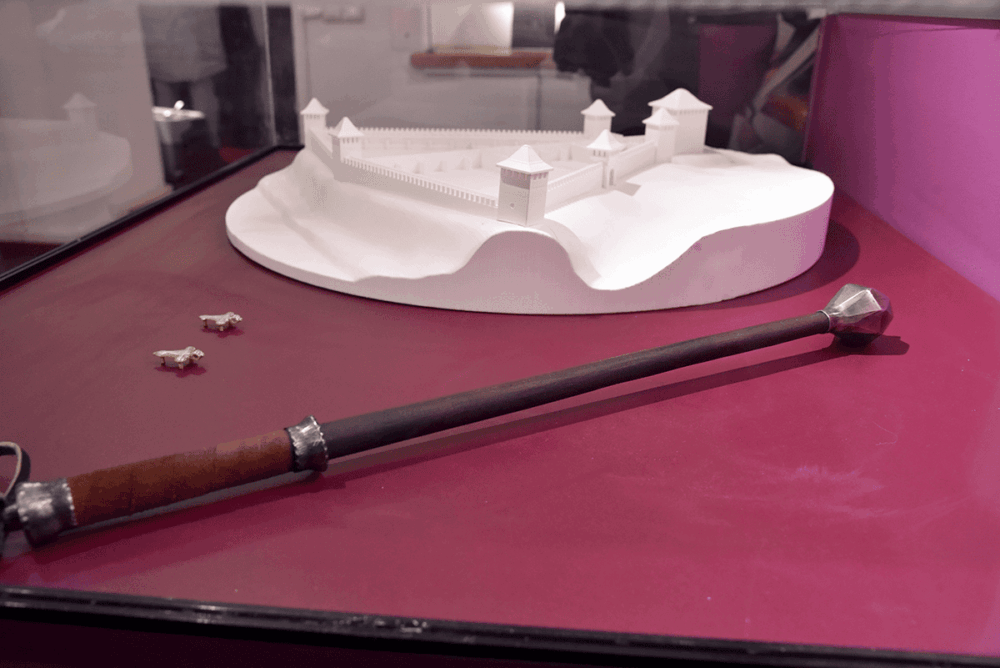
The exhibition also emphasizes the military aspects of the 14th–15th centuries and the formation of the foundations for the emergence of the Cossacks. According to Svitlana Kotliarevska, this historical period is also significant for the present:
“The 14th–15th centuries were a time when the foundations of the Cossacks were being formed, and even then, the Ukrainian lands had a strong influence on statehood, religion, and the security of Europe. Today, in a time of war, it is especially important for us to know our past in order to build our future.”
The project was carried out under the patronage of the Orthodox Church of Ukraine, with the support of the Ministry of Foreign Affairs of Ukraine, and in collaboration with researchers from Sweden and Lithuania. Partners of the exhibition include the Sheremetev Museum, and the companies Inzhur and Energy Up.
Tags: Culture exhibition heritage kyiv Kyiv Principality medieval history Pechersk Lavra Ukraine
![Fire continues to rage in the Kyiv region more than a day after Russian bombardment, with smoke rising and emergency crews at work. :contentReference[oaicite:3]{index=3}](https://empr.media/wp-content/uploads/2024/06/vasylkiv-jpg.avif)