Kharkiv adapts to constant Russian strikes by moving life underground — from schools and sports to businesses — creating safe spaces where residents can study, train, work, and endure.
Underground schools and hospitals, gyms in shelters, and bars in basements — this is now the reality in Kharkiv due to constant Russian strikes on the city. Creating safe spaces has become a vital necessity, as, according to Mayor Ihor Terekhov, Russia has attacked the city over 100 times since the beginning of 2026, as of February 24. This was reported by Suspilne.
“In the metro — it’s completely different. Here, there is sleep.”
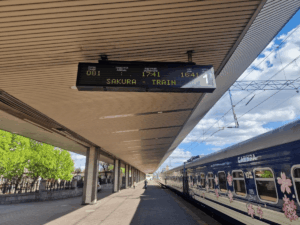
From the very first days of the full-scale war, the metro became a refuge for people hiding from Russian shelling.
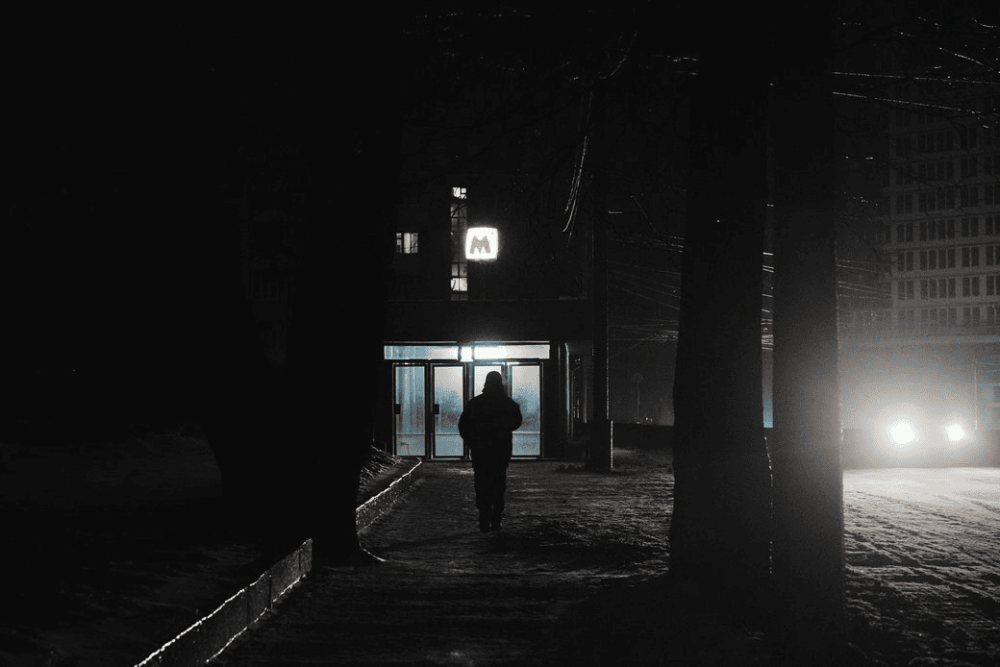
Even now, four years after the invasion began, Kharkiv resident Olena Hrudilina goes to spend the night in the metro every day around 10:00 p.m.
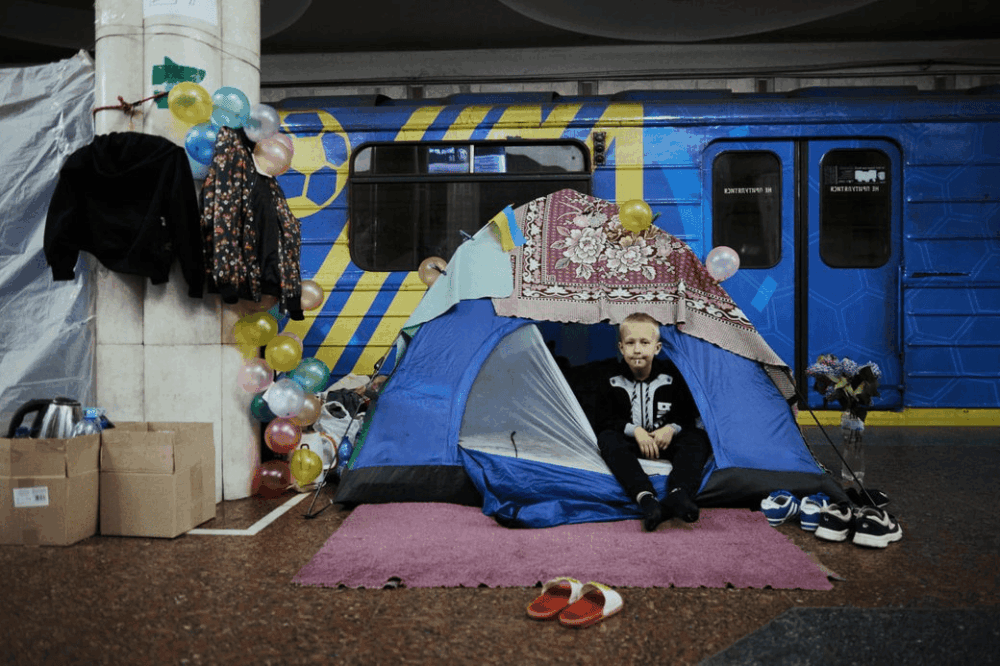
“Being at home is very hard. There is no shelter. Just a roof over your head — and that’s it. On April 24, 2025, we heard a missile flying (over the building — ed.). My pets were with me in the same room. We lay on the floor. It’s very frightening, but in the metro — it’s completely different. Here, you can sleep,” says Olena.
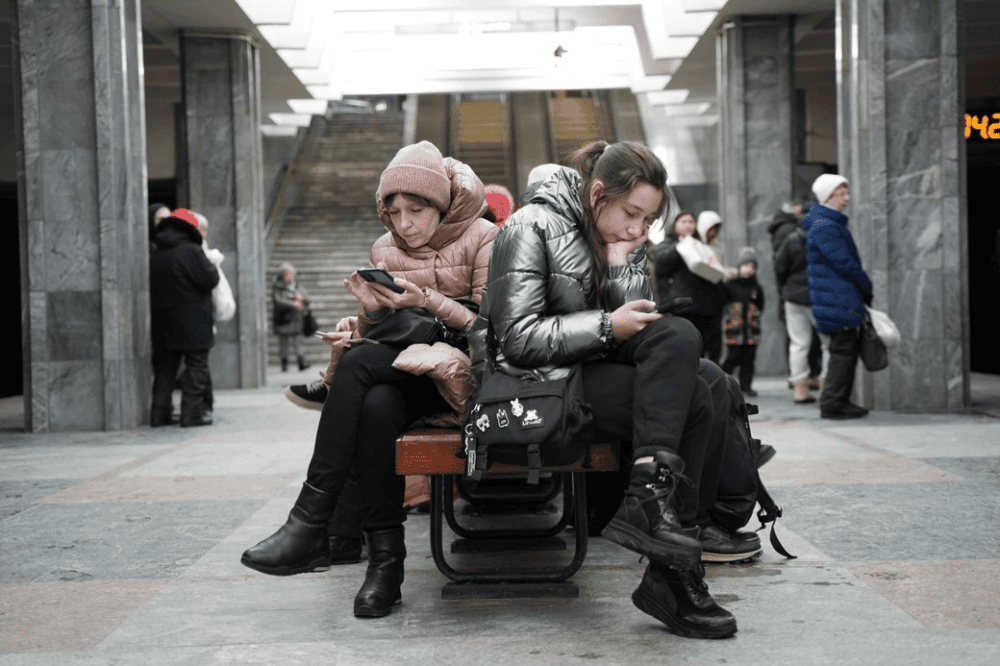
According to the press service of the Kharkiv metro, at some stations in residential areas, about a dozen people spend the night every day.
Schooling in metro stations
In 2023, school classrooms began to be set up in the metro.
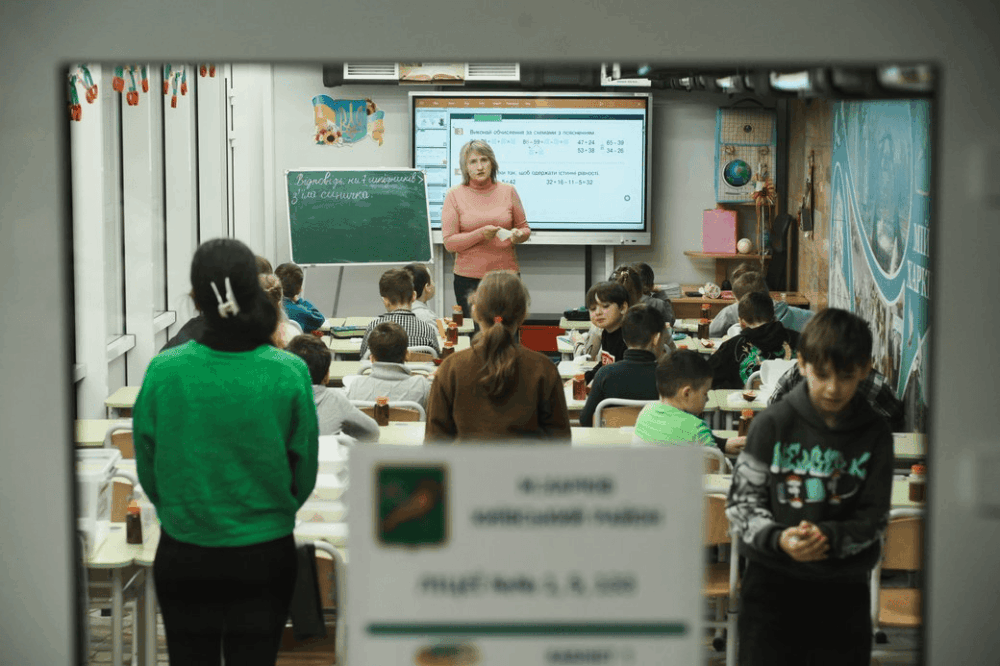
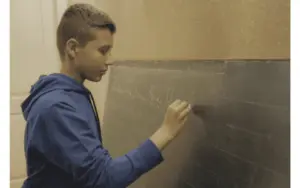
For the second year in a row, third-grader Yelyzaveta Lakshynska attends classes at the metro school.
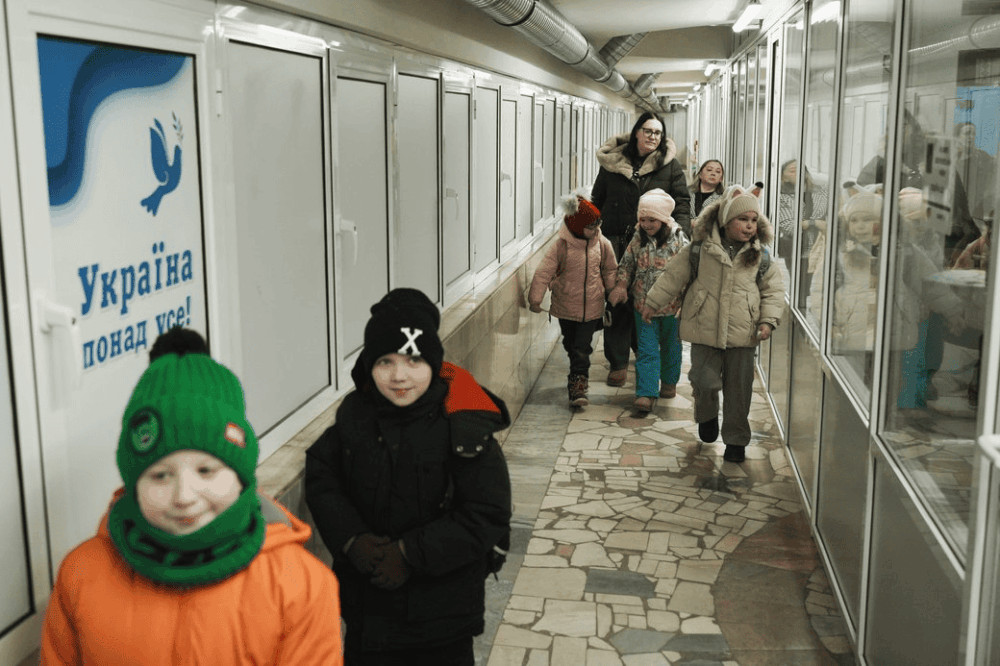
“It’s very nice and safe here. I really like it. I don’t like studying remotely because at school you can talk with friends and chat,” says the student.
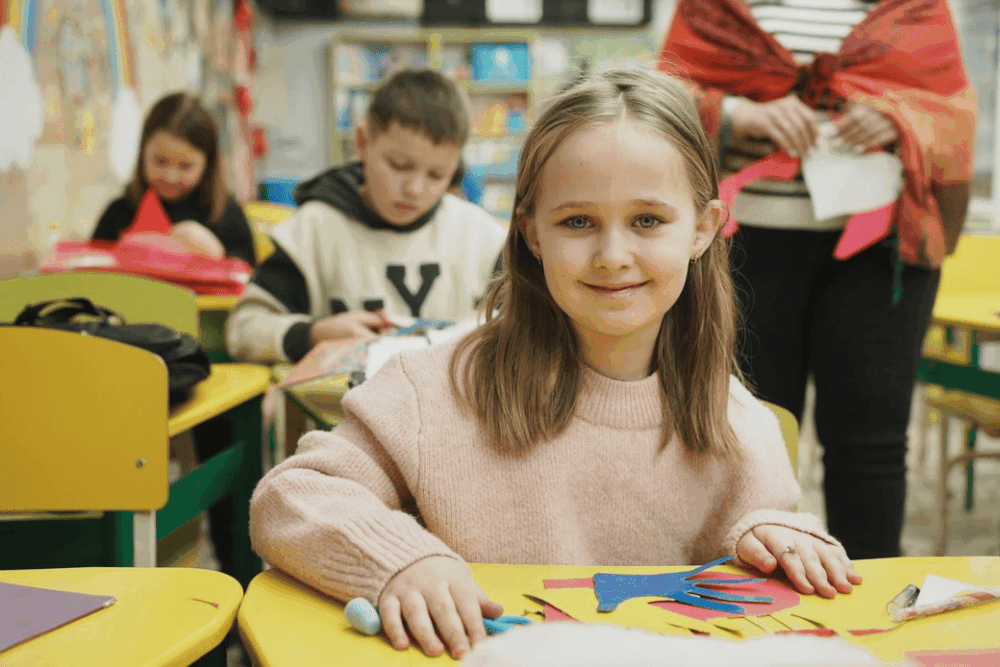
Currently, there are 21 underground offline learning centers operating in Kharkiv — in addition to the metro school, these include specially built underground schools and radiation shelters of old schools, says the city’s education department director, Olha Demenko. Nearly 20,000 children study in them — that is, 40% of all schoolchildren living in the city.
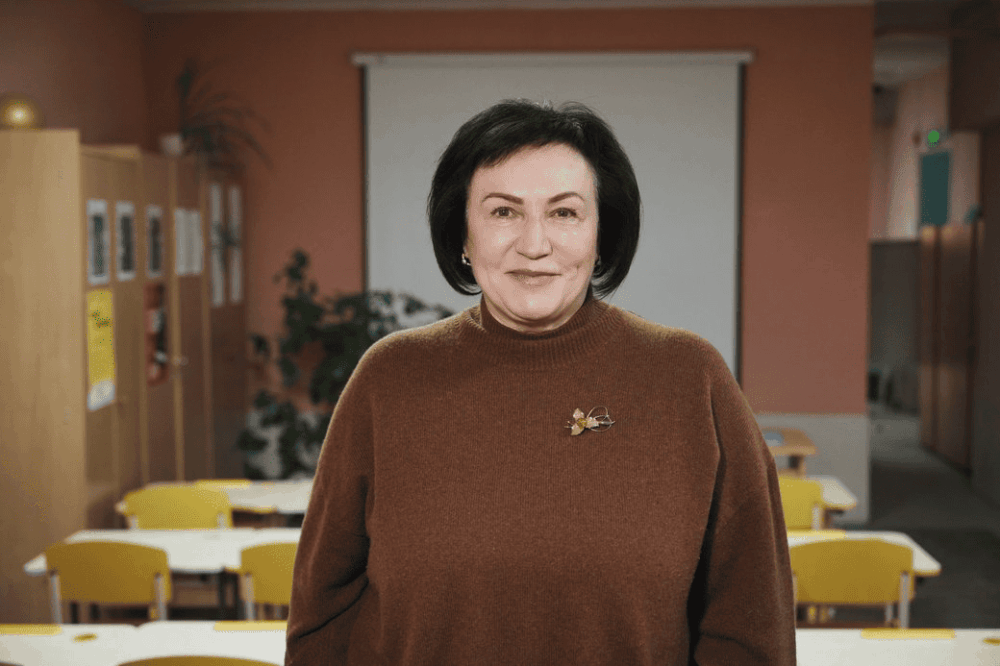
“The educational process is gradually moving underground, but we’re sorry to boast about it, because it would be better if this never happened. It would be better if our children never knew what it means to study underground. I believe socialization is a very serious issue. Right now, the demand is extraordinary,” explains Demenko.
Gymnastics and acrobatics in a shelter: “There’s no other option”
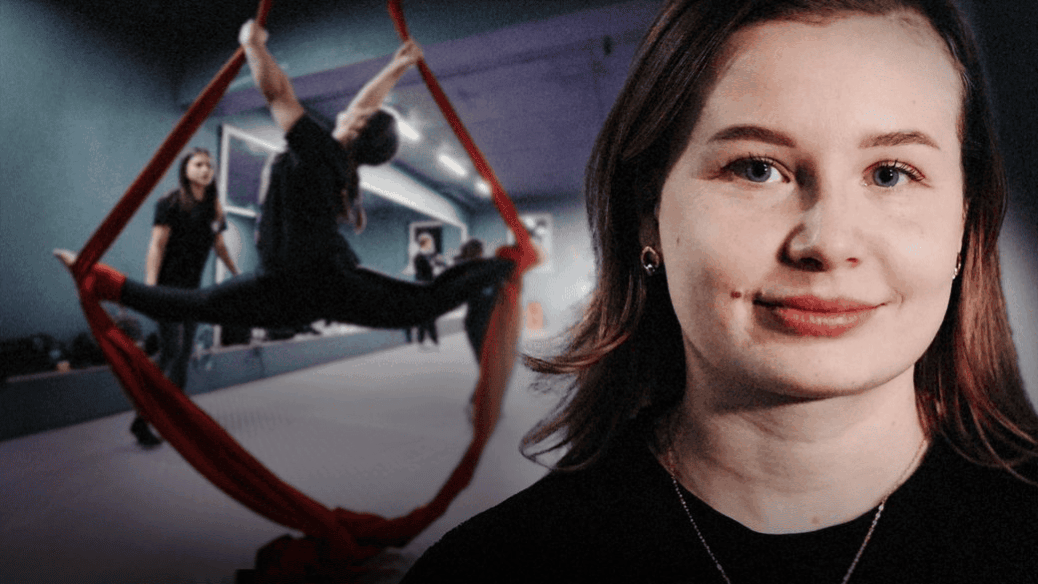
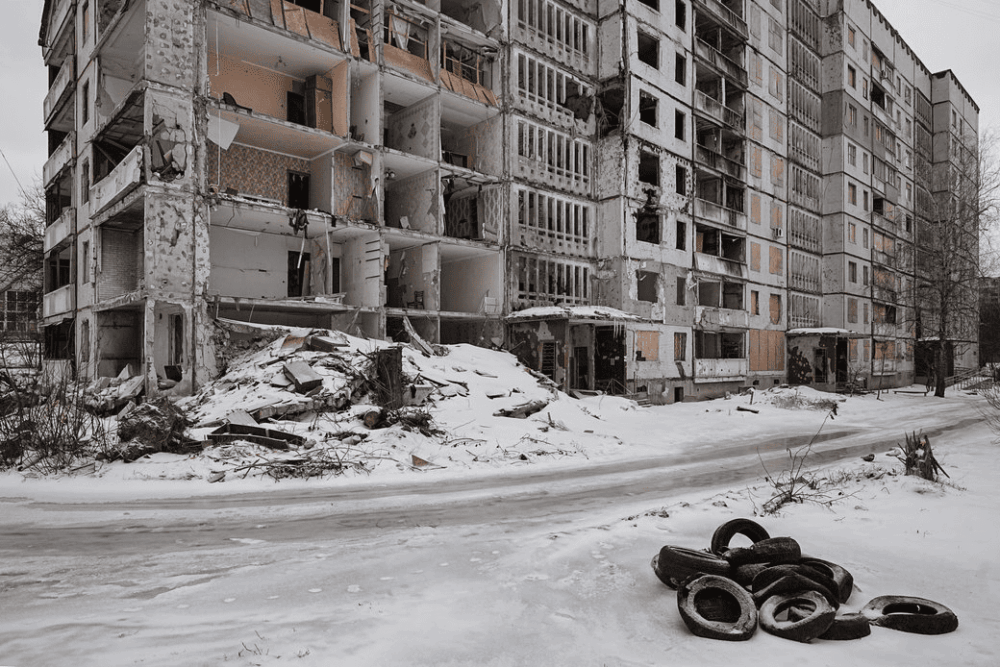
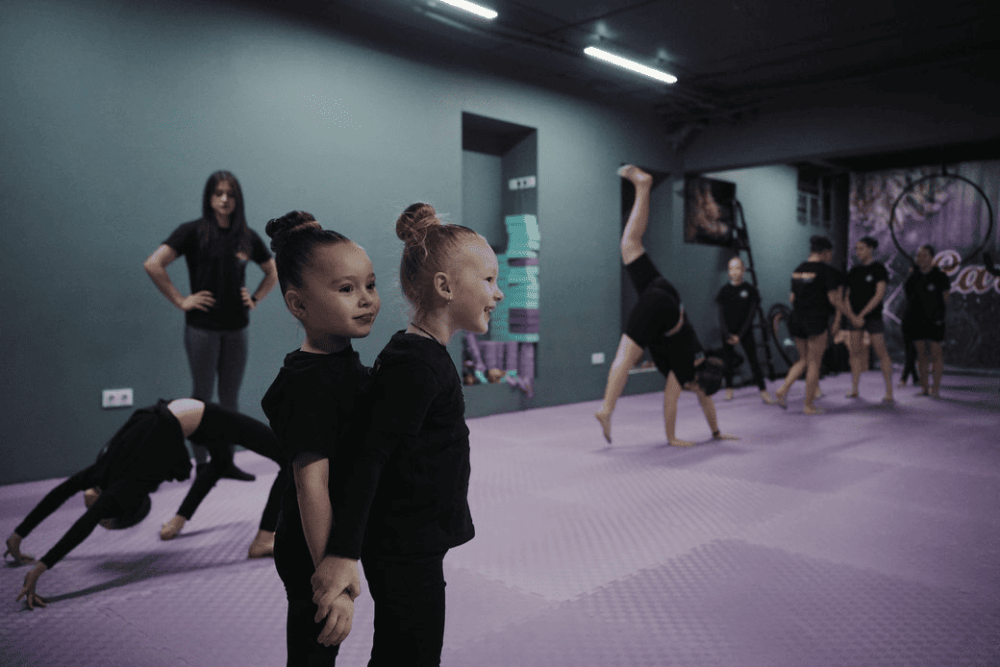
In one of the most heavily damaged neighborhoods of Kharkiv — Pivnichna Saltivka — a sports studio operates that has become the only place in the entire city where children can practice gymnastics and acrobatics: it has a shelter.
“If everything were calm, this would definitely be a different facility. But this is the kind of district it is — and right now there’s no other option. Either we train here, calmly, with the children in a peaceful environment, without running back and forth to a shelter, or it’s constant moving around — which isn’t good training either. So out of these two options, we choose the one that does less harm,” says sports studio coach Tetiana Yermashkevych.
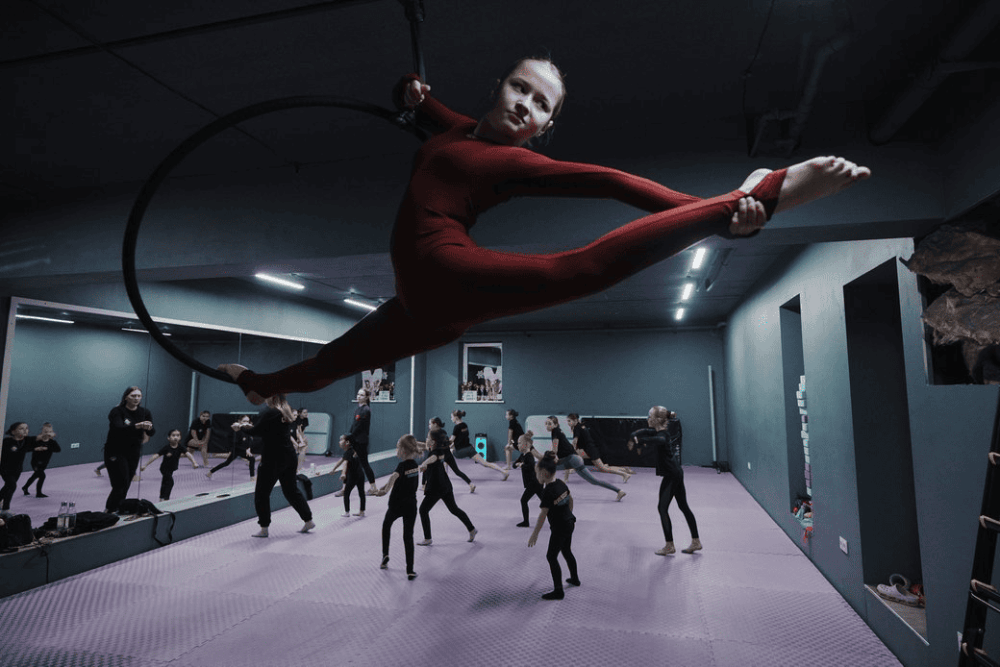
“Our studio is 11 years old, but in Pivnichna Saltivka we were the first to reopen during the war. We have cheerleading for children here — it’s gymnastics combined with acrobatics. This year we opened this second space for aerial gymnastics. We also offer fitness for adults and karate. I don’t want to instill in children the idea that we are miserable because we are being bombed. I believe that in the future they should be on the same level as children from all over Ukraine, so we, as adults, have done our part to make sure they can train in comfort.”
“The fact that we’re located slightly below ground level reassures our guests.”
The Skhid bar opened in the fall of 2024, says co-owner Anton Martynenko. The staff had previously worked in various places and experienced several strikes near their establishments, so when they opened a new venue, they chose a semi-basement location.
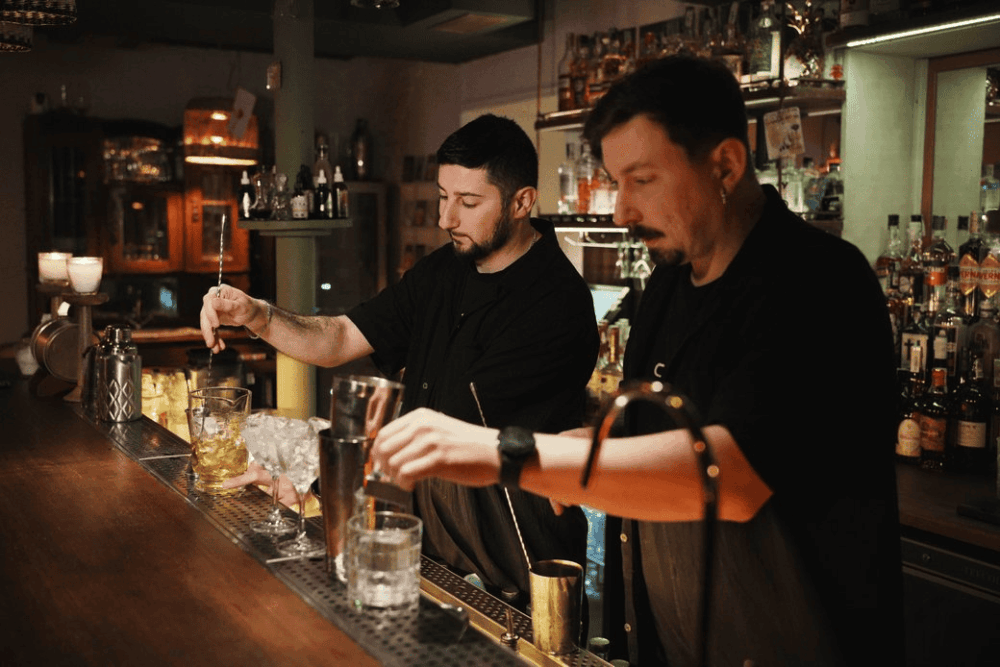
“Before this, we worked in open public dining spaces, and the constant problem was incoming strikes and shattered glass. It posed a danger to both staff and guests, so opening specifically in a semi-basement space was a step toward improving our safety,” says Martynenko.
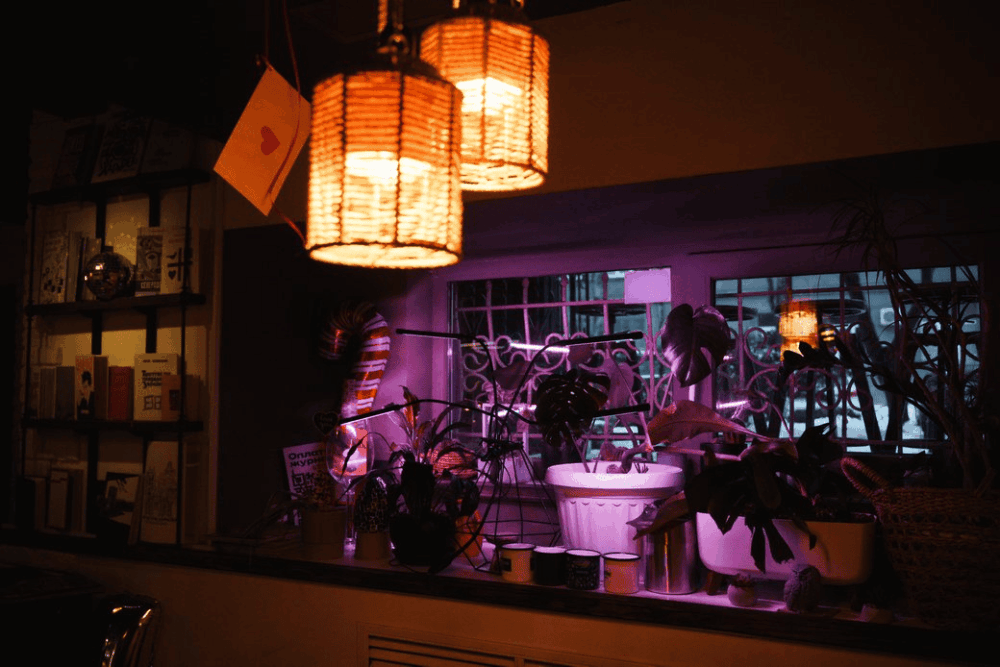
“Our guests notice that we’re located slightly below ground level, and it reassures them because they’re in a more protected space. Even many passersby come into our premises during air raid alerts, shelling, or other critical situations. We don’t interrupt our work. We keep working as we always have.
Of course, it can weigh on you mentally for a while, but we’re already seasoned by this experience, I think. It’s not that we’ve gotten used to it — we just take it in stride, because this is the reality of our lives.”
Tags: European security frontline cities Kharkiv Russia Ukraine conflict ukraine war underground shelters war survival