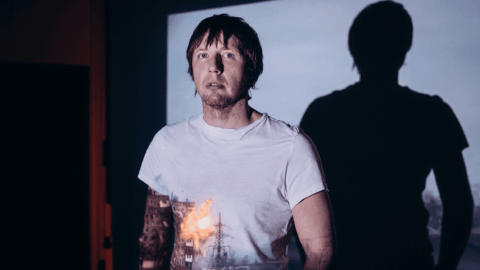
Former Ukrainian prisoner of war Vyacheslav endured over two years in Russian captivity, surviving abuse, tuberculosis, and malnutrition, before returning home to rehabilitation, medical care, and rebuilding his life.
Ukrainian soldier Vyacheslav P. spent more than two years in Russian captivity. Basements, penal colonies, blackmail, and beatings. While in captivity, he contracted tuberculosis.
“If you are exchanged, you will live. If not, you will die here,” a doctor in the colony told him, saying there was nothing to treat him with.
Vyacheslav returned home exhausted — 17 kilograms lighter, with damaged lungs and a long list of diagnoses. In the hardest moments, he held on to one thought: “If people managed to endure this, then I can endure it too.”
He told his story to LB.ua.
“Well, look who we’ve got here.”
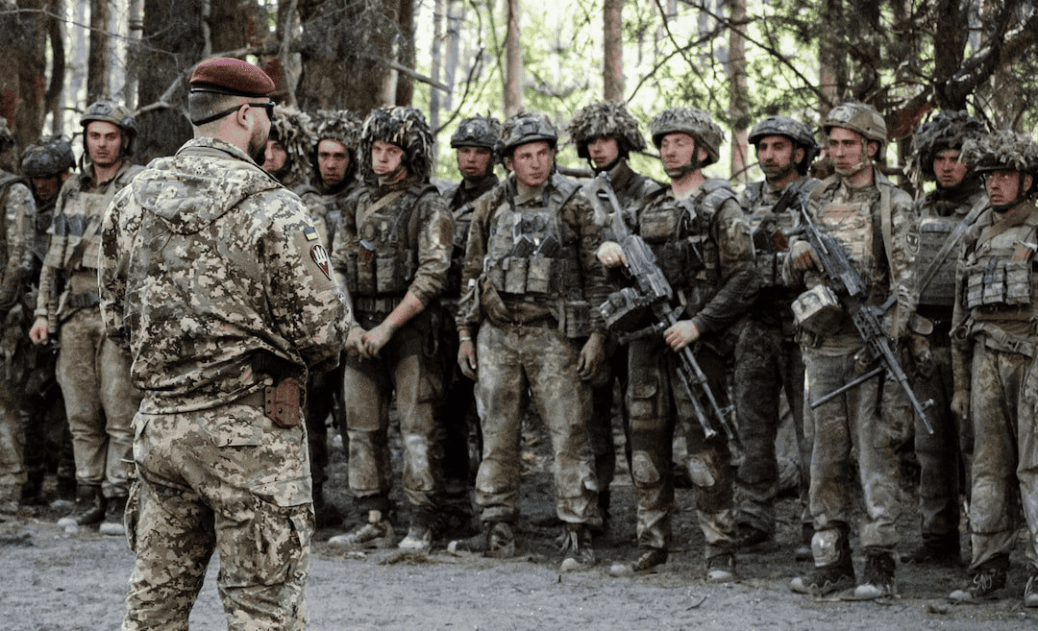
A civilian driver, Vyacheslav P., served in the 95th Separate Air Assault Brigade — first as a driver-mechanic, installing bridges and crossings with his comrades, and later he felt he wanted to go to the front line. At least once — just to see it. He saw it once, and after that, as he says, he never came off the front line.
He served at observation posts, held positions, and repelled assaults. Five days at the position, then three to four days of rest in a village about 40 kilometers from the front line.
He says the relationships within the unit were sincere, and the officers treated the soldiers humanely: “We lived like one family. We ate together, went on duty together. Some returned from the front — others rotated in. There was an understanding that today you are here, and tomorrow you might not be. So we didn’t hold grudges or argue over small things. In relatively civilian life, it’s not the same. In war, you know for sure that tomorrow you will go out to the position with this person. And maybe you will have to pull them out, or they will pull you out.”
Sometimes the guys managed to go into the city — for coffee, shawarma, or to a sauna. Or they would buy a fishing rod in town and go to the river. “There were almost no people in the city, but there was plenty of fish. We caught fish, fried it, and dried it. We lived here and now.”
During one of the missions near Kreminna, the guys were in a trench that looked like a crater as deep as a two-story building. Nearby was another position, with an open field between them. At the “neighbors’” position, a soldier had been wounded. He had been hit in the head and the lungs. The guys ran to help. They didn’t take off his helmet — because it was “a mess.” His lung had been pierced by shrapnel, so they applied an occlusive patch so he could breathe. “Shelling — artillery, a tank, mortars. You jump, fall, jump, fall. We ran across a minefield. We carried the wounded soldier about four kilometers to the evacuation point,” Vyacheslav recalls.
Two soldiers remained at the position. Vyacheslav wanted to return to them. He ran across the minefield but turned the wrong way — and ended up at a neighboring brigade’s position. He had a smoke with them while the tank went to reload. They treated him to coffee and explained how to run the right way. He ran — shelling again. He jumped into a deep crater. He saw a wall lined with sandbags. One of the bags shifted, a soldier came out and pointed the barrel of his rifle at Vyacheslav. “I said, ‘I’m one of yours.’ And they told me, ‘Take off your armor and helmet.’ I went in without thinking twice.”
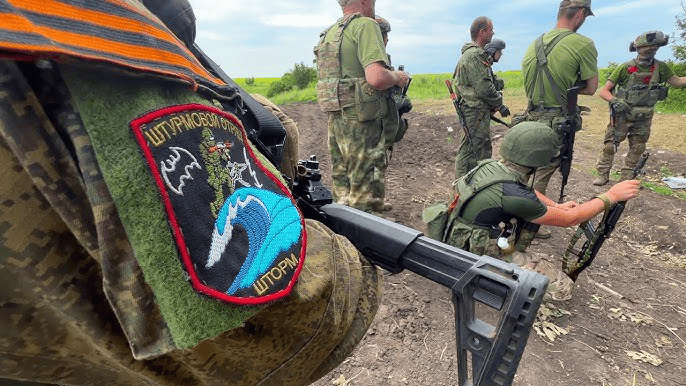
Inside, the trenches looked like underground tunnels: light bulbs, electricity, a table. “They said, ‘Well, look who we’ve got here’ From the accent and the uniforms, I had already understood.” That’s how he was captured on May 27, 2023, by contract soldiers from the “Storm Z” unit. Later he was handed over to counterintelligence and the FSB. About ten people were present during the interrogation. “The most brutal were the young FSB officers,” Vyacheslav recalls.
“No point in escaping”
At first, Vyacheslav and other prisoners were held in a basement for four days. Then they were transferred to Luhansk — to the commandant’s office. Again, a basement. Four cells. Each designed for four people, but in reality there were more. They slept on the floor, on mattresses. They were fed twice a day, without bread. They were taken to the toilet in the morning and in the evening. “Sometimes they took us outside to sweep the yard. Then they might give us cookies or coffee, but that was from the locals.”
Russian soldiers, he says, did not even allow them to look in their direction: “We weren’t allowed to raise our heads, and they constantly insulted us.” There was no permanent escort: prisoners were taken out into the yard to work and warned: “There’s no point in trying to escape. Stay put and you’ll be exchanged. But if you run, we’ll catch you and kill you.”
Vyacheslav recalls that from time to time a vehicle would arrive and take some of the prisoners away. They were given new Ukrainian uniforms and driven out into a field. There they were forced to roll around in the mud and sit in trenches. Then journalists would arrive and film reports — portraying it as if Ukrainian soldiers were voluntarily surrendering.
Sometimes outsiders came and took some of the prisoners for work — to a garden or a summer house: sawing trees, digging the ground. In return they were given sugar, tea, sausage, or cigarettes. “Odd little side jobs,” he says.
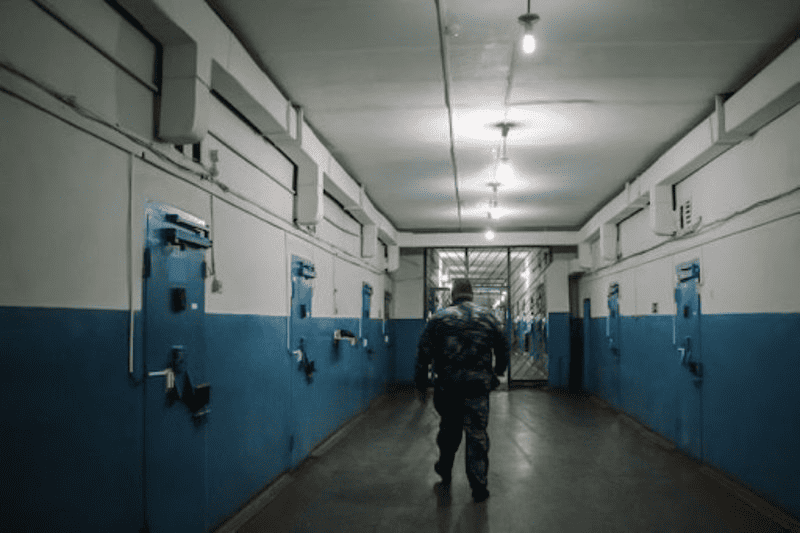
Later they were transferred from Luhansk to Krasnodon in the Luhansk region. The prisoners called that place “the choke box” — a windowless, sealed room of about 50–60 square meters. Around 70–75 people were held there. The temperature inside, he says, reached up to 50 degrees Celsius. “We walked around in just our underwear — soaked with sweat. We slept on bare wooden boards; they only gave us sleeping mats.”
The two-tier bunks were built by the prisoners themselves. In one corner stood a bucket “for number one”; in the morning they were taken to the toilet “for number two.” In another corner there was a smoking area. They were given two cigarettes a day.
There were no pillows. Later they even took away their combat boots and issued rubber slippers instead. Russian interrogators came to question the prisoners. The beatings and threats happened there as well. For this they used a TA-57 field telephone: “You turn the handle and a current runs through it. The voltage is small — 12–24 volts — but it shocks you hard.”
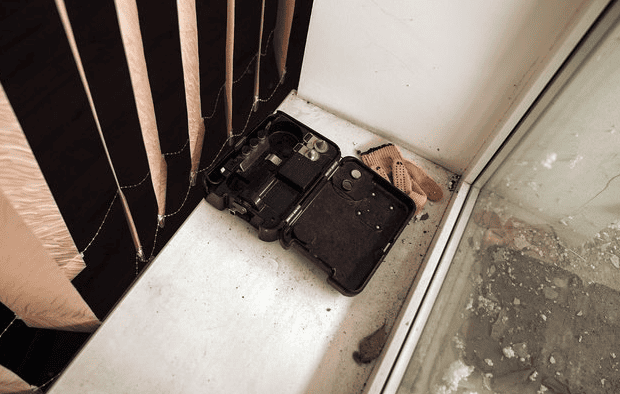
They were forced to walk to the dining hall in a squatting position and made to kneel. If someone was found with a bank card, they would beat the PIN code out of them. Prisoners were also recruited and offered to switch to the Russian side — to join the Krivonos or Bohdan Khmelnytsky battalions. “I knew seven or eight people I was held with who agreed to switch sides,” Vyacheslav says. They offered it to him as well. When he refused, they beat him.
A group of deserters was kept over the other prisoners. Later, Vyacheslav found videos of them on YouTube — “Ukrainian Armed Forces soldiers who switched to Russia’s side.” He says he had been held in the same camp with them. When new prisoners were brought in for quarantine, they were first placed with that group. They had more privileges, while the others were mistreated.
“Sometimes I still see videos now. Those who were sitting there with me went to fight for Russia so their sentences would be canceled. Now they’re already in our captivity, giving interviews. And that really makes me happy.”
“Burned the veins in my hands”
After Krasnodon, Vyacheslav was transferred again to Luhansk, to a pre-trial detention center. “First they beat me badly, and they fed us just enough so we wouldn’t starve: black bread and porridge. You’d eat, and 15 minutes later you were hungry again.”
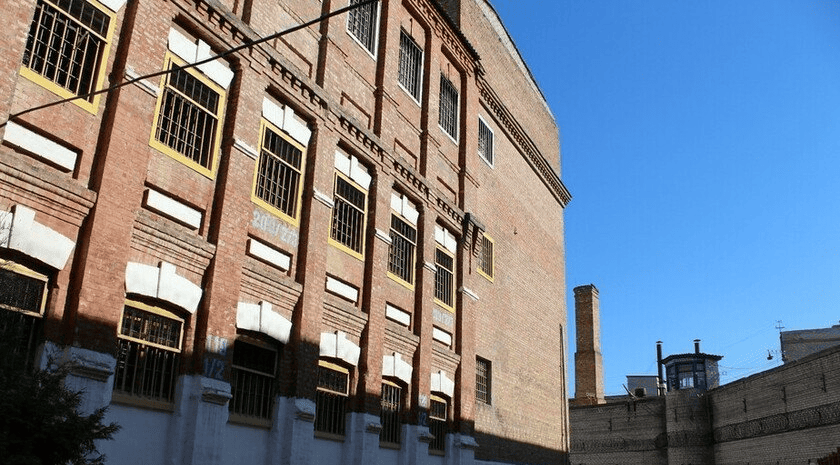
Vyacheslav began coughing heavily. In the Luhansk colony, you could see a doctor only through the nurse. In the morning, you approached, explained what was wrong. The nurse wrote it down and passed it to the guards. If approved, you were taken to the medical unit the next day. Vyacheslav had an X-ray, and they told him he had bronchitis. They prescribed pills. He took the full course, but it didn’t get any better: “I come back again, and I hear, ‘It’s just a smoker’s cough.’” And this happened several times.
The barracks were damp — water ran down the walls. Up to a hundred people were crammed into one room. Heating was weak, constant humidity. “I couldn’t sleep anymore. I could only lie on my left side because I was suffocating. Then my temperature rose — 39–40°C. My body stopped taking food. I thought it was the end.”
Among the prisoners, there was a former paramedic — “Misha from Azovstal.” He examined Vyacheslav: “Take him to the medical unit.” They put in ten IV drips, gave injections, and tablets. “They burned the veins in my arms — now I have no thin veins left; it’s even hard to take blood. I spent a month in the medical unit with that ‘Uncle Misha.’ The rations there were a bit bigger. In the barracks, one ladle of porridge — there, two.”
Later, the colony’s leadership changed. Ukrainians were removed from their positions and replaced with Russians. The medical unit was disbanded, and patients were moved into separate rooms within the barracks. In Vyacheslav’s room, the temperature stayed around +6–+8°C. Damp and cold.
A suspicion of tuberculosis arose. The doctor said: “I have nothing to treat you with. Our colony isn’t equipped for cases like this. If you are exchanged — you’ll live. If not — you’ll die here.”
They were isolated. The guards barely entered the room: they would open the door, check that everyone was present, and leave. In other barracks, lying on the bed during the day was forbidden. They were allowed: “But if there’s an inspection — you have to sit. That’s your ‘privilege.’” Even after the medical unit was disbanded, they kept the double rations — two ladles of porridge or soup.
Officially, there were two people in the unit suspected of having tuberculosis. After his release, Vyacheslav learned that five more were ill: “They simply didn’t go to the doctor. Later, it was discovered.”
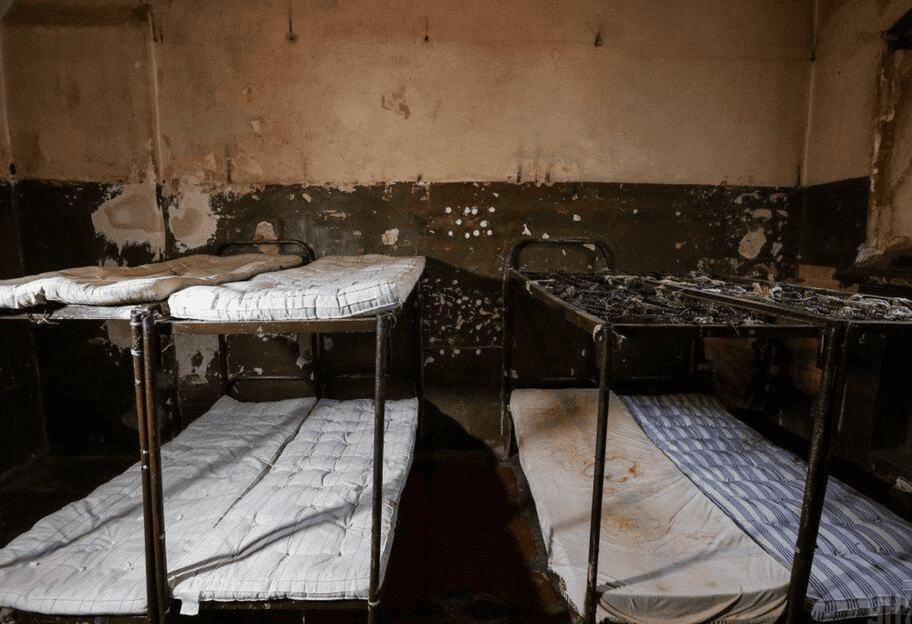
“Paid five cigarettes a day for work”
Later, he was transferred to Sverdlovsk Colony No. 38 — closer to Russia. He says it was a bit easier there: “I even told the SBU during an interrogation, and everyone who returned from there confirmed that it was more or less bearable.” The head of the colony didn’t allow the guards to beat prisoners if they hadn’t done anything “wrong.” A different story was interrogations — when FSB officers came, they beat people.
“The food was better, but the portions were small. Every day we got a spoonful of vinaigrette, jelly or tea. At Easter, they gave us Easter cakes and eggs. For a while, once a week we got a small piece of fried fish, twice a week a boiled egg. Then that stopped. There was a church at the colony. Once a month, those who wanted were taken there. Parishioners sent us apples and lard,” Vyacheslav recalls.
When one of the guys had a birthday, they would share what they had: a piece of bread, a cigarette, tea leaves, or coffee.
“Some prisoners worked. They were paid five cigarettes a day for their work. They made coffins for Russian soldiers — the plan was 1,000 per month. The coffins were made from ammunition crates. They painted vehicles, wove wreaths. Sometimes Russian soldiers brought cigarettes themselves.” Once they were on Russian territory, guards would go through the cells weekly and ask: “Who wants to get Russian citizenship?”
“If people could endure this — then I can too”
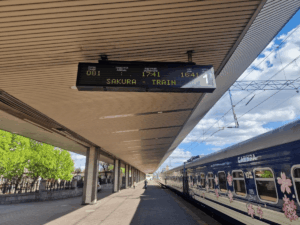
After some time, Vyacheslav and the other prisoners were taken to Rostov-on-Don. From there, they were transferred to the Adler–Tomsk train. They traveled for four days, sleeping on wooden boards instead of bunks. They were given three days’ worth of rations. Water was provided only twice a day, and they were taken to the toilet twice; for urgent needs, they were allowed to use a plastic bottle.
The train arrived in Novosibirsk, where a new routine awaited the prisoners: “They threw out everything we had — spare underwear, socks, everything. They pulled a bag over our heads and led us ‘by the arms’ to the doctor. There, they forcibly took our blood,” Vyacheslav recounts.
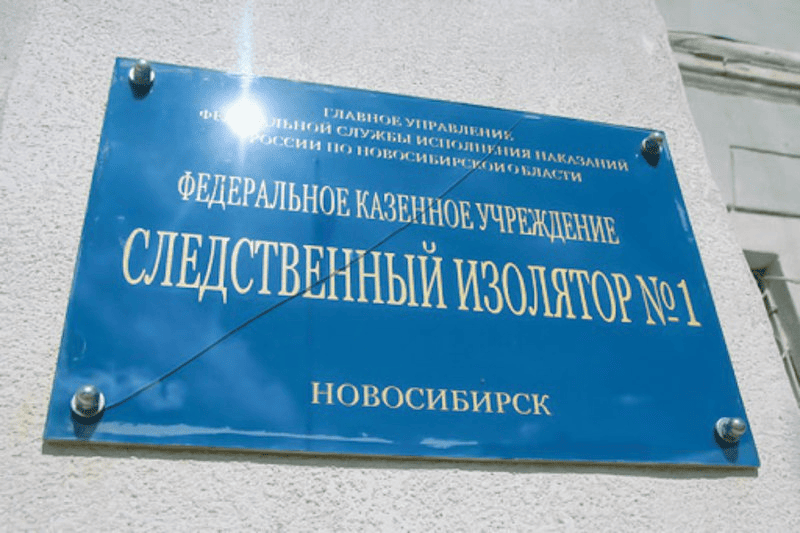
They were brought straight into a cold bath. They were given only 30 seconds to wash: “You run out — two soldiers beat you on the back and kidneys with wet towels. They lined us up naked in the freezing cold and made us sing the Russian national anthem. They issued work pants — black with white stripes — a matching jacket, and flip-flops. In those flip-flops, probably another twenty men died before us. No T-shirts, no socks — ‘not allowed.’ Then back to the cell.”
At 6:00 a.m., wake-up. There’s a video camera in the cell. A female voice over the radio announces: “Proceed to the morning baths.” You had to wash quickly and use the toilet. Then the same voice would say: “Morning baths are over.”
A white line was painted on one side of the cell and a red line near the door. Prisoners were not allowed to cross these lines. “From 6:00 a.m. to 10:00 p.m., you had to stand on the white line. Hands behind your back, head down. At 9:00 a.m., morning inspection. The officers walked around, knocked on every cell twice with their keys. And you, as they said, had to ‘fall face-first to the floor.’”
The most absurd rule, Vyacheslav says, was that the left foot had to cover the right. If you got it wrong — you were beaten. Prisoners were punished even for “sleeping in formation.” Smiling or talking to each other was forbidden.
“To go to the toilet or drink water, you had to go to the red line, raise your hands, and count to 30. The toilet was a bucket in the corner: you sit, the camera sees everything. When you’re done — you step back, raise your hands, count to 30, and return to the white line. And that’s how the whole day went.”
Prisoners were allowed an additional hour of “walking” — pacing in a circle inside the cell. One person walked for 30 seconds while everyone else counted. Then the next person, or the female voice would command: “Switch.”
In the morning, before lunch, and in the evening — singing the Russian national anthem. During inspections, they were forced to sing various songs “on request.” Beforehand, they were given sheets of paper — learn the lyrics and sing. For example: “Victory Day, smelling of gunpowder…” or “Don’t fight the Russians, only Russians can fight Russians…”
If you sang poorly — you were beaten. Prisoners had to learn the songs, but they were not allowed to rehearse together. The next day, they had to sing in unison.
“You could wash only once every two weeks. The clothes you were issued were taken for laundry — everything thrown together. Later, you might get someone else’s clothes. Underwear could only be washed on command, when the ‘lady in charge’ allowed it. Fix it, hang it neatly on the radiator. While it was drying — you went without. In the bathhouse, they gave disposable razors: wash, shave — hand it in immediately. And run back.”
The food was “terrible”: “They’d bring a barrel, and inside was red beet, boiled down to water. And the ‘cook’ says, ‘Guys, give me a couple of cups of water.’ You give him the water, and he pours it straight into the barrel. Then he scoops from the same barrel and serves us this mush. He says, ‘Does anyone want any extra? Because I see there’s still a little left.’”
Before captivity, Vyacheslav weighed 80 kg. When he was released — 63. Now — 84. “I’ve already gained weight, and a belly has appeared. My body went so long without proper food, and once I started getting real food again, my weight went up quickly.”
In those conditions, to keep his sanity, he remembered pleasant moments from his life: his wife, daughter, parents. He thought about his comrades scattered all over Russia. “No matter what, a person is such a creature — you stand there and dream: ‘Once I get out, I’ll start my life over.’ I imagined that I’d recover, go back to work, and everything would be simple, smooth. I ran through in my mind the books I’d read. I remembered Alexandre Dumas’ The Count of Monte Cristo — he spent 15 years in a cell. I’d read about the Decembrists — one of them spent 28 years in a 3×3 solitary cell. And you think: if people endured that — then I can endure it too.”
In this colony, no one treated him at all: “Once a female doctor came. I was bleeding from my mouth after they had hit me with a palm between my shoulder blades. After their ‘procedures,’ I ran straight to the toilet because my mouth was full of blood. They took a sputum sample — and that was it. That was the only time I saw a doctor.”
They were beaten in the presence of a medic. The doctor watched to make sure nothing was broken after the interrogation. At the end, they would ask if anyone had questions for the doctor: if not — fine; if yes — they were told it was nothing serious.
A month later, seven prisoners, including Vyacheslav, were taken away in a paddy wagon. Three had tuberculosis, one was unable to walk, with an Ilizarov apparatus on his leg, and another was missing a hand. No one explained where they were being taken. They thought it was a special colony for the sick: “In the vehicle, Uncle Misha asked for a pill for a headache. They told him, ‘Ask the doctor on board.’ On board? A plane? A plane? That’s already 50% of an exchange. Usually, prisoners are transported by train between colonies.”
They were brought to a field. Their eyes were untied. In the middle of the field — a village toilet. They were led there one by one. “Even the OMON officers said themselves: ‘Let’s take them, because who knows where they’ll get to go later.’” Then their hands were tied again, bags were pulled over their heads, taped, and they were led onto the ramp one by one.
They flew for more than a day. “They drove us across Russia. A few times we were taken to the toilet — hands tied, eyes blindfolded. Try taking your pants off like that. Then we were transferred to another plane.” Here, they untied their hands so they could use the toilet properly. Those with tuberculosis were told to wear masks and given some pills. One man, before going to the toilet, said: “Guys, relieve yourselves now, because next time you’ll be doing it in Ukraine.” That’s when I finally understood — it was an exchange.
They arrived in Gomel, Belarus. At the airport, in the middle of the field, the blindfolds were removed and hands untied. They were led off the plane. Those with tuberculosis were given white protective suits, with hoods and masks, and placed into ambulances.
Belarusian medics gave them two paper bags each: sweets, cookies, mineral water, sweetened water, buckwheat with meat, cucumbers, tomatoes, a spoon, and a fork. “We were very hungry, because no one had fed us during the whole day of flying.”
Then everyone was taken to the border: “I asked a nurse to buy me an Americano and to ‘borrow’ a cigarette from one of the drivers. She bought it. I drank the coffee, smoked — pure happiness. Because in Novosibirsk, smoking wasn’t allowed at all.”
Home!
The men were brought to Ukraine on June 10, 2025, the convoy passing through Chernihiv. “Along the entire route, in the villages, people stood with little flags, children. They waved at us. It felt so warm in my heart,” Vyacheslav says.
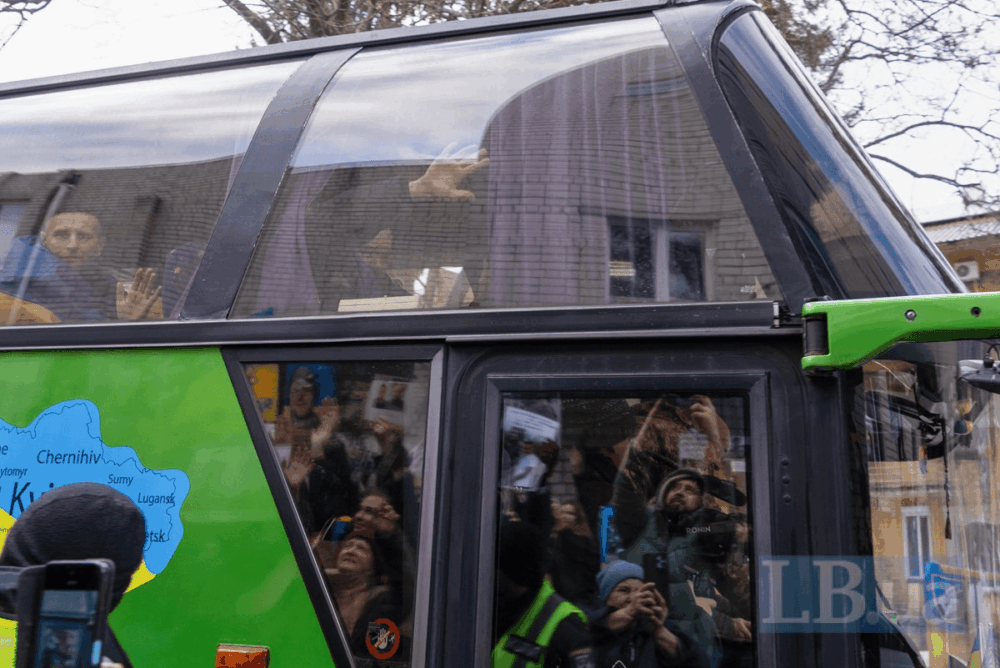
At first, they were taken to the regional hospital. Near the entrance, many people were standing with photos of missing persons. They approached the freed prisoners, showed the pictures, and asked if anyone had seen them in captivity. Inside, they went in one by one. They were immediately given clothes and basic necessities — tracksuits, hygiene products, towels. Separately, they were given a box with a phone and SIM card.
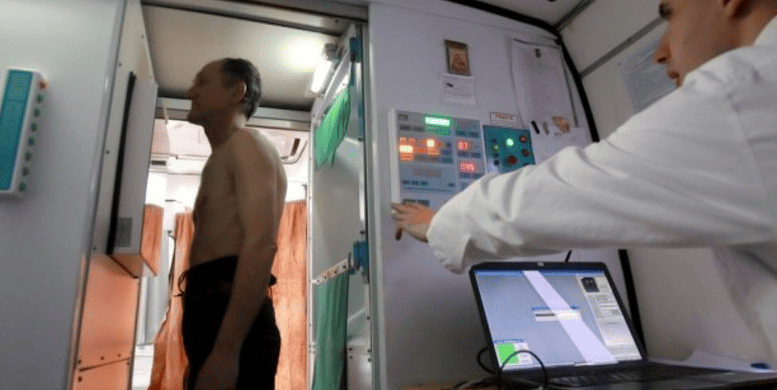
After that, doctors examined the men. During the initial check-up, they recorded each person’s complaints. If anyone felt unwell, they were given help immediately. Then — a shower. Prison clothes were taken for disposal.
Later, they were seated on buses. Some were taken to Nemyriv, others to different cities. Those suspected of having tuberculosis were transported separately — to Kyiv. They arrived in the capital around 2 a.m. and were taken to the central hospital in Pechersk. A fluorography scan was done. Some stayed there, while seven were transferred to the Yanovskyi Institute of Phthisiology and Pulmonology: “The nurses welcomed us warmly. At night, they set a table — treats and tea.”
The next day, full examinations began — blood tests, sputum tests, CT scans, repeat X-rays. Those confirmed to have bacterial discharge were isolated. The others were settled into wards. After a week or two, Vyacheslav was transferred to another department — physiotherapy. There, his first surgery was done: “While in captivity, a paraproctitis had developed. It got infected, forming a hole.” Other problems — a hernia, a damaged nose, perforated eardrums from concussions — were put on the waiting list. The medical commission decided: first, full treatment for tuberculosis, then the rest of the interventions.
While he was at the institute, psychologists visited the freed prisoners. They filled out questionnaires and spoke with specialists. On the third day, specialists from the NGO “100% Life. Kyiv Region” arrived. They offered psychological support, help with logistics and medical examinations. If needed, they could call a free taxi to go for tests. They also provided mobile phone top-ups and supermarket vouchers. If any issues arose after discharge regarding registration or referrals, they helped resolve them promptly.
Vyacheslav completed his tuberculosis treatment as an inpatient, then continued outpatient care at home, remaining registered at the institute. He gave monthly tests and underwent follow-up examinations. He says he was lucky with his doctor: his ear healed without surgery — after two months of medication, the eardrums recovered. A nose surgery was scheduled for October due to a long waiting list.
After leaving captivity, he also applied to the Kyiv Military Hub city program — within a week, he received 40,000 hryvnias. If any treatment expenses arise, they are reimbursed upon presenting receipts. Separately, the state provided 100,000 hryvnias for post-release rehabilitation.
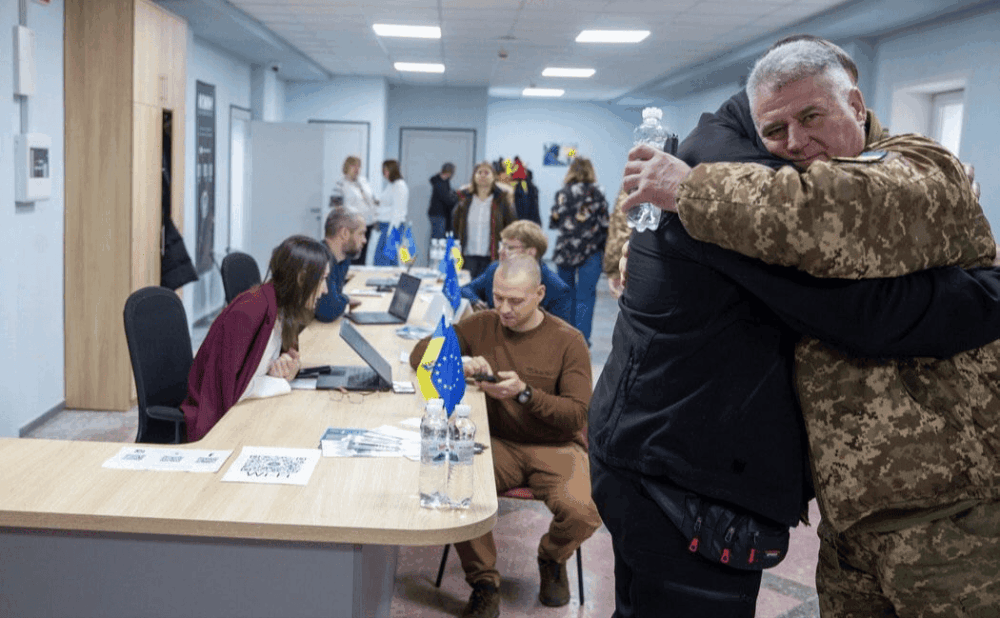
After the medical commission, he was recognized as 35% incapacitated, but no disability group was assigned. Then the bureaucracy began — Pension Fund, military enlistment office, repeated visits to doctors: “If you ask anyone, no one knows anything. Or you come a second time, and they tell you, ‘But you didn’t ask before.’” At the same time, officers at the hospital left their contacts and asked to reach out if any issues arose with treatment or payments. There is also a separate service that sends step-by-step instructions — where to go after captivity, which documents to prepare, and what payments are due.
He says he hasn’t experienced stigma from tuberculosis. He explains: after two months of intensive therapy, the bacteria disappear, followed by another four months of a maintenance course. “There were many pills — up to twenty a day. But if you complete the course, you’re no longer contagious. Now, before any surgery, you just need a phthisiatrician’s clearance showing everything is clear.”
Currently, he spends most of his time moving between doctors and government offices. This is his main routine since returning.
“I just turned 51. After tuberculosis, I no longer have the same endurance. Even if I walk 300 meters quickly, I have to stop — shortness of breath. So now I’m considering jobs as a driver in the military, in logistics, in air defense units, or in drone production. I can continue to serve the state, but first I need to complete my treatment and scheduled surgeries.”
Tags: frontline survival prisoner exchange russia ukraine war Russian war crimes Ukraine POW testimony Ukrainian Soldiers war captivity