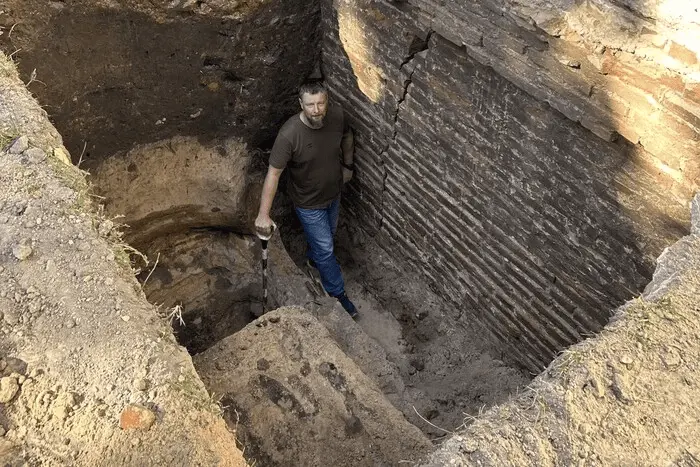
Archaeologists in Chernihiv uncovered medieval structures, 17th-century foundations, pottery, and other artifacts near Yakiv Lyzohub’s house, which once housed the Cossack regiment’s chancellery.
Archaeologists have examined a building that housed the Chancellery of the Chernihiv Cossack Regiment in the 17th century.
In central Chernihiv, a team of archaeologists discovered the remains of structures from the medieval Rus period dating back to the 10th–12th centuries while excavating the former regimental chancellery building. The researchers shared photos of the archaeological finds. Glavcom reported the discovery, citing Cheline.ua.
Thus, the remains of thousand-year-old structures were found near the building of the Chernihiv Regimental Chancellery, which belonged to Colonel Yakiv Lyzohub. While the building was being prepared for restoration, archaeologists uncovered sections of 17th-century foundations made of old bricks laid with lime mortar.
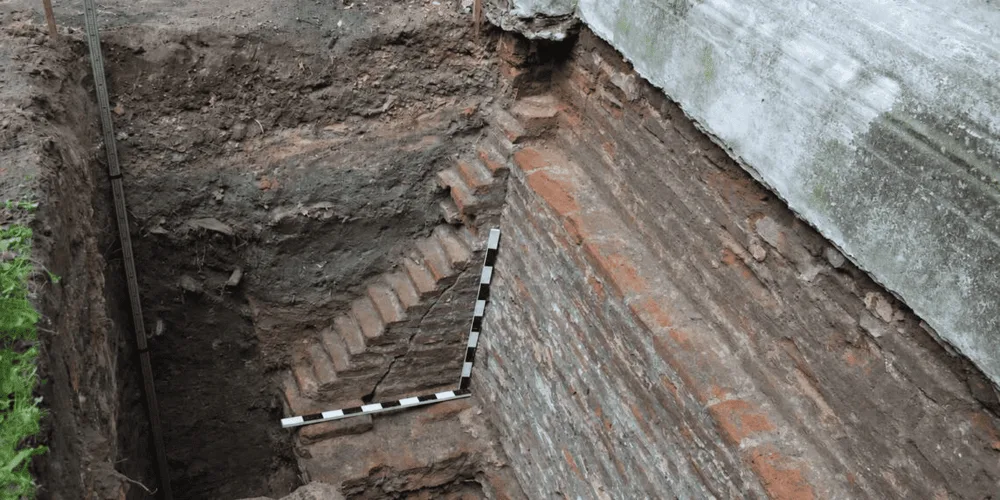
This discovery allowed archaeologists to study masonry techniques and other details of the foundations dating back to the Hetmanate period. The researchers also found the remains of two sunken structures from the 12th century, fragments of pottery, a grain pit from the medieval Rus period, stove tiles, old bricks, medieval Rus plinth bricks, and a fragment of a lead object.
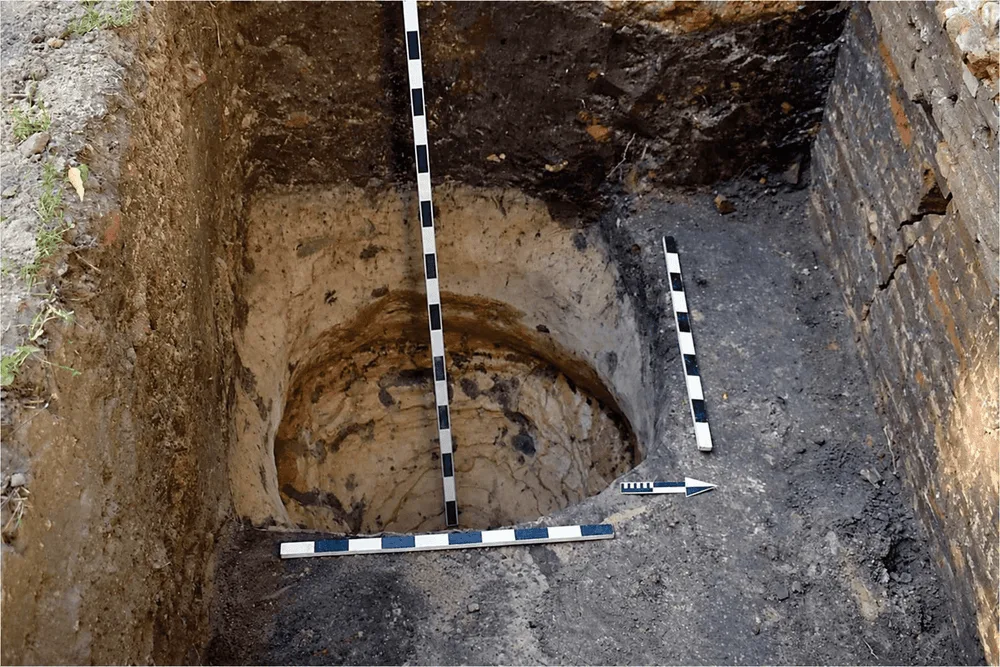
Meanwhile, archaeologists discovered a small 10th-century ditch that may have marked the boundaries between neighboring homesteads.
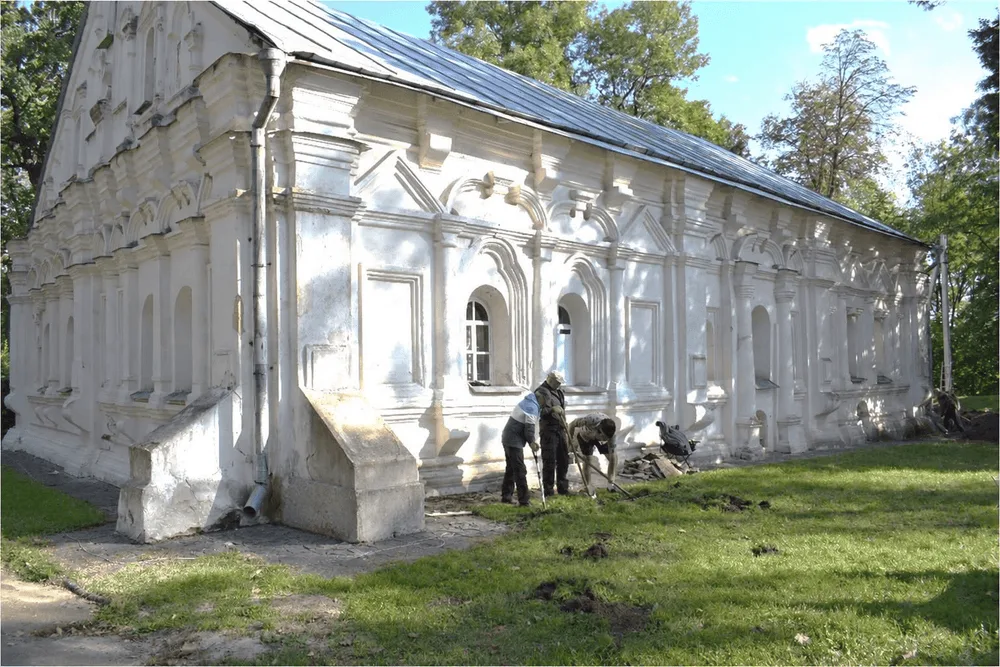
Yakiv Lyzohub’s House was built in the 1690s. It is one of the surviving masonry civil buildings from the Hetmanate period. In the 18th century, the building housed the Chancellery of the Chernihiv Cossack Regiment. Today, it serves as a museum storage facility.
Earlier, Ukrainian archaeologists examined a Sarmatian burial in a Bronze Age burial mound on the Arabat Spit. The grave belonged to a man estimated to be 25–35 years old who was buried with weapons and grave goods. Archaeologists discovered 36 burials in the mound, dating to different historical periods, from the Bronze Age to the Late Middle Ages.
Meanwhile, in Kulykiv, Lviv region, archaeologists discovered 25 human burials while examining the area near St. Nicholas Church. According to Lviv city council member Ihor Zinkevych, at least one-fifth of the remains found belonged to children.