
In EMPR.media’s “Mysterious Archive,” the events of 1362 hold a foundational place. This was not just a successful military campaign, but a geopolitical earthquake that began pulling Ukrainian lands out of the grip of the Golden Horde—long before similar shifts occurred elsewhere in the region.
It is a story of how strategy, emerging European military technologies, and alliances between regional forces halted the expansion of a powerful steppe empire. The Battle of Blue Waters—likely fought near the Syniukha River close to present-day Torgovytsia—marked a turning point when Ukrainian territories began reorienting toward Europe.
A Geopolitical Break: Alliance Against Imperial Control
Historians emphasize that this was not a simple case of foreign conquest. The Grand Duchy of Lithuania at the time was a multi-ethnic polity in which Ruthenian (East Slavic) elites and traditions played a major role.
Led by Algirdas, forces from Volhynia, Kyiv, and Podillia united under a common command.
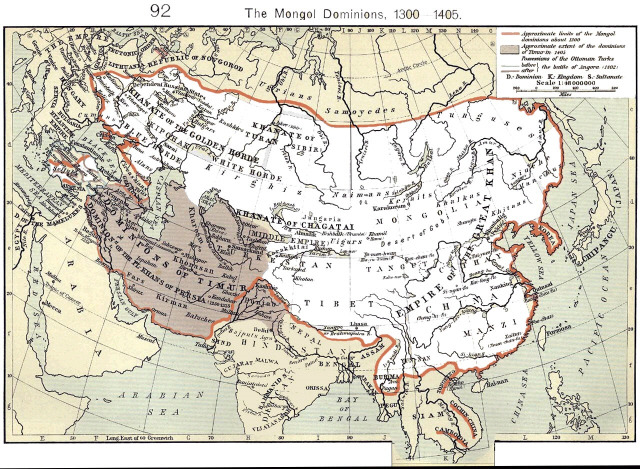
Opposing them were three Tatar rulers of Podillia—Haci Bey, Kutlubuga, and Dmitry—representing the authority of the Golden Horde, long accustomed to dominance through raids and tribute.
Tactics and Technology: The “Iron Horseshoe”
Algirdas’s battlefield formation became a classic example of medieval military art. Instead of a traditional linear formation, his forces deployed in a semicircular “horseshoe.”
When the Tatar cavalry advanced—relying on mobility and archery—they encountered a coordinated defense. Heavily armored troops and crossbowmen disrupted their attack before close engagement.
As the attackers pressed forward, the flanks of the formation closed in, limiting maneuverability and cutting off retreat routes. The result was not just a victory, but a decisive tactical defeat for the Horde’s forces.
Kyiv and Podillia: A Strategic Shift
The consequences were immediate. Following the victory, Algirdas entered Kyiv, effectively ending tribute payments to Horde officials.
Podillia came under the rule of the Koriatovych princes, who began developing fortified المدن and introducing elements of European urban governance, including Magdeburg law.
This moment demonstrated that steppe imperial power could be challenged through organization, coordination, and evolving military methods.
Why It Matters
The Battle of Blue Waters reshaped the regional balance of power. It pushed the frontier of steppe control southward and opened space for political, cultural, and economic development within a broader European framework.
For historians, it remains a key example of how alliances and adaptive strategy can alter the trajectory of entire regions.
Tags: Eastern Europe Golden Horde kyiv Lithuanian history medieval Europe Podillia ukraine history warfare history