
3 MARCH 2026
What to See in March: 22 Ukrainian Art Exhibitions
Suspilne Kultura offers a selection of new Ukrainian art exhibitions to visit in March in Kyiv, Lviv, Khmelnytskyi, Odesa, Warsaw, Madrid, and Lille. Some opened earlier but can still be seen in the first month of spring.
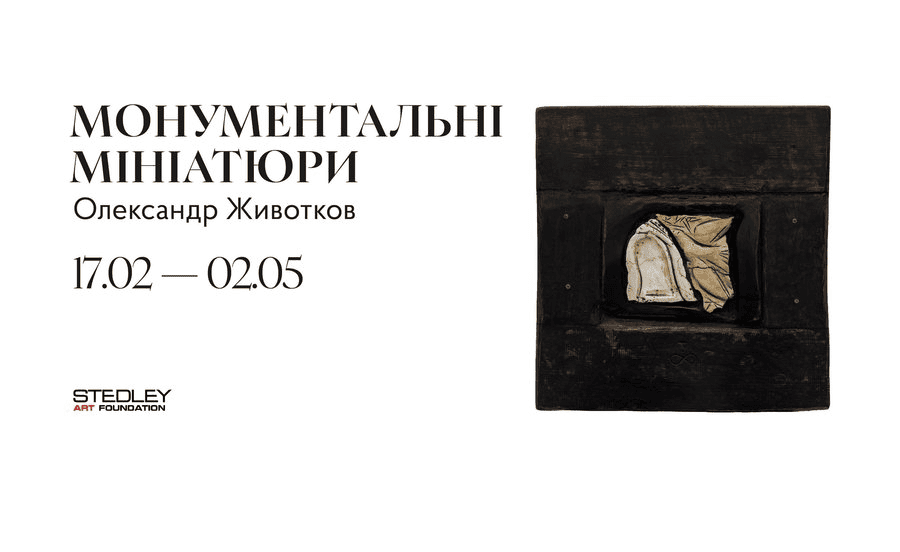
“Monumental Miniatures”
Where: Stedley Art Foundation, 62B Bohdan Khmelnytsky Street, Kyiv
When: Until May 2, by appointment
A solo exhibition by Oleksandr Zhyvotkov presenting the artist’s new series. These small-format works continue his symbolic system, featuring circles, birds, women, and crosses, stripped of narrative.
The works also include motifs from Zhyvotkov’s 2000s paintings — “Moroccan Women” — and references to European art, evoking images by Francisco Goya and Diego Velázquez.
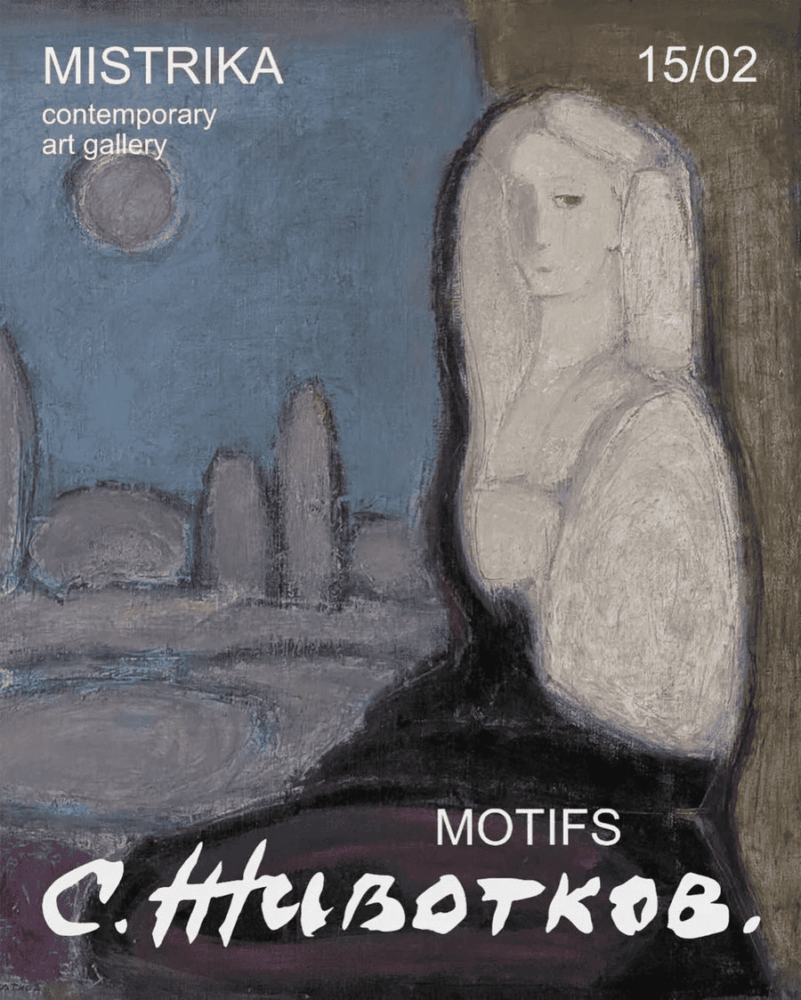
“Serhiy Zhyvotkov / Motifs”
Where: Mistrika, 15 Naberezhno-Khreshchatytska Street, Kyiv
When: Until March 8, Tuesday–Sunday, 12:00–19:00
A solo exhibition by painter Serhiy Zhyvotkov, whose artistic language engages in dialogue with classical culture: modernist attention to color and plane meets homage to Renaissance tradition. The exhibition centers on two landscape cycles: “Ukrainian Motifs” and “Italian Motifs.”
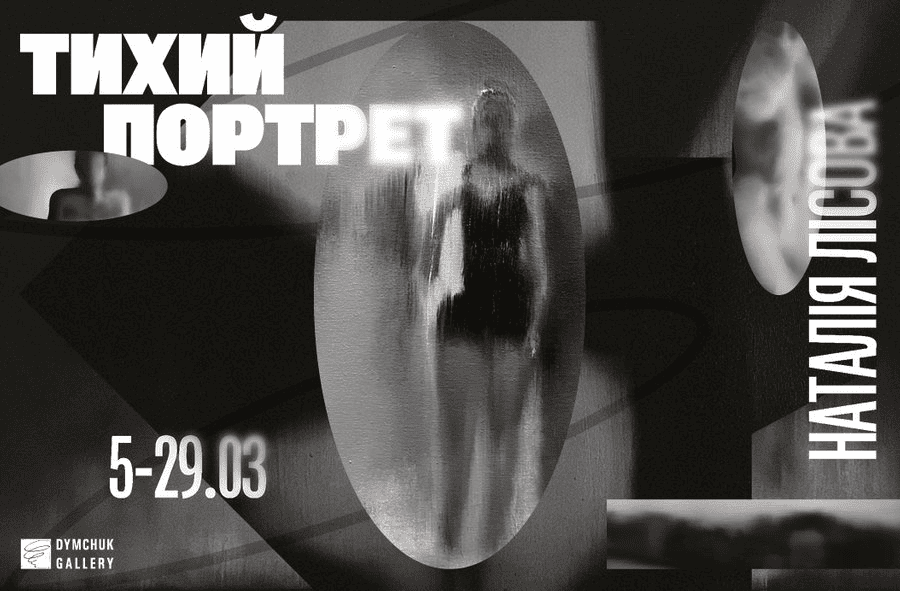
“Silent Portrait. Natalia Lisova”
Where: Dymchuk Gallery, 21 Yaroslavska Street, Kyiv
When: March 5–29, Wednesday–Sunday, 12:00–19:00
The project features achromatic paintings from 2022–2026, including figurative compositions and landscapes. The central motif is the human figure with minimal bodily features — silhouettes or fragments.
For the exhibition, the artist spent two weeks in the gallery creating a large-scale canvas depicting body parts that echo fragments of the landscapes in the show.
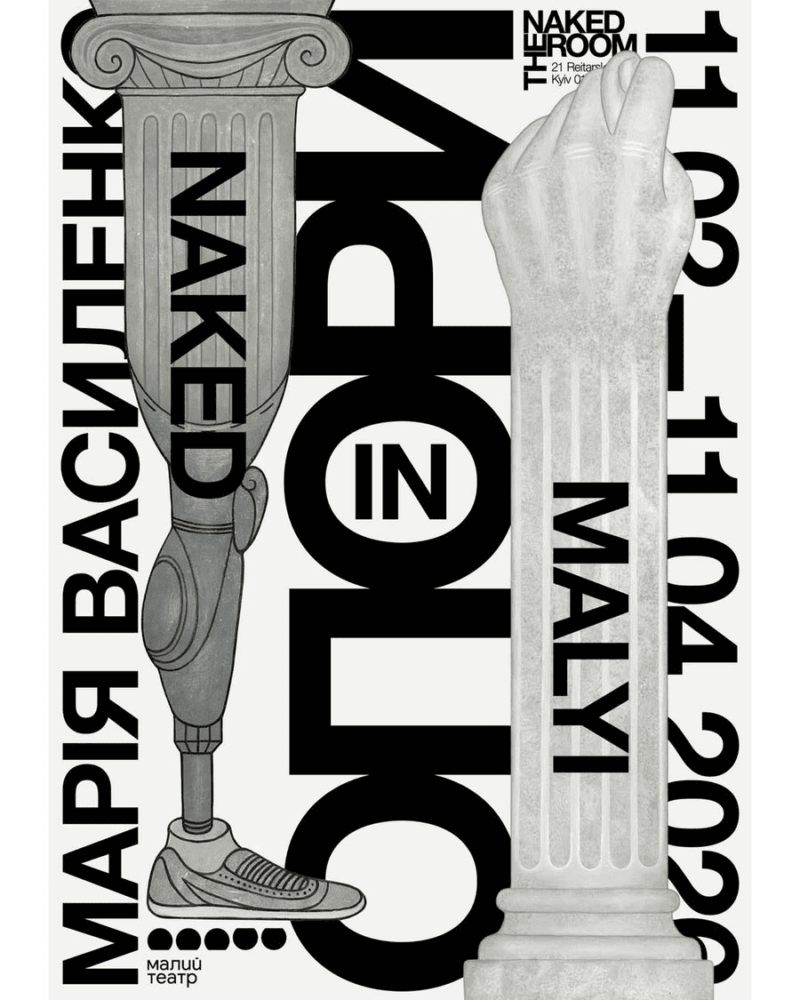
“Columns”
Where: Malyi Theatre, 33 Oles Honchar Street, Kyiv
When: Until April 14, Thursday–Sunday, 13:00–17:30 (also accessible to theatre audiences before performances and during intermissions)
Maria Vasylenko’s solo project is part of the joint Malyi Theatre and The Naked Room initiative, “Theatre in Context.”
The exhibition features two columns through which the artist reflects on the state of European civilization and the human inner condition. The columns, symbols of order, stability, and ideals, appear to retain their shape but no longer function as true support.
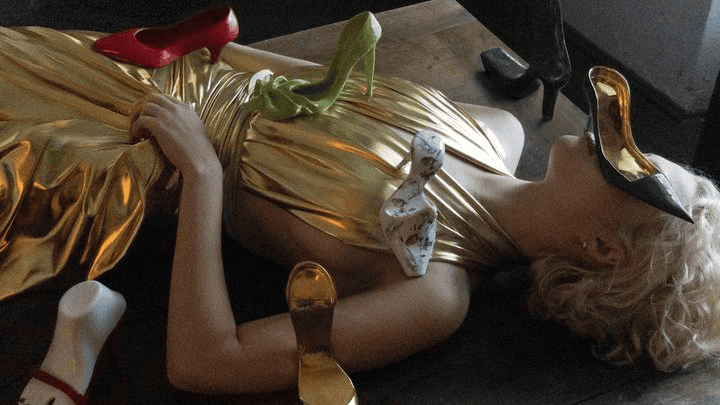
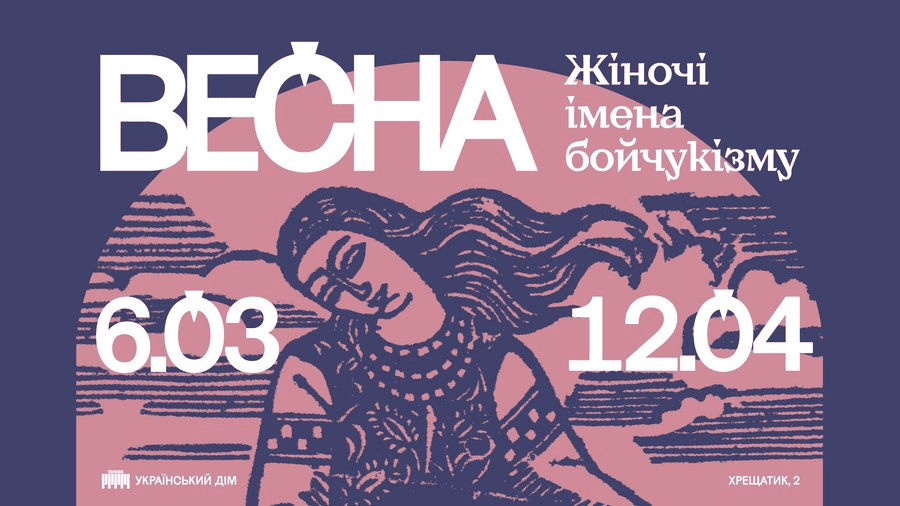
“Spring. Women’s Names of Boichukism”
Where: Ukrainian House, 2 Khreshchatyk Street, Kyiv
When: March 5–April 12, Tuesday–Sunday, 11:00–19:00
Curators: Tetiana Hauk, Serhiy Komberianov
The project highlights the women of Boychukism, featuring fifteen artists, including Sofia Nalepinska-Boychuk, Oksana Pavlenko, Antonina Ivanova, Yaroslava Muzyka, Vira Bura-Matsapura, and Maria Kotliarevska. They were part of Mykhailo Boychuk’s art school, which combined Byzantine and Old Ukrainian sacred art with European modernism.
During Soviet times, Boychukists were executed and their works destroyed. Much of the artists’ legacy has been preserved thanks to these women.
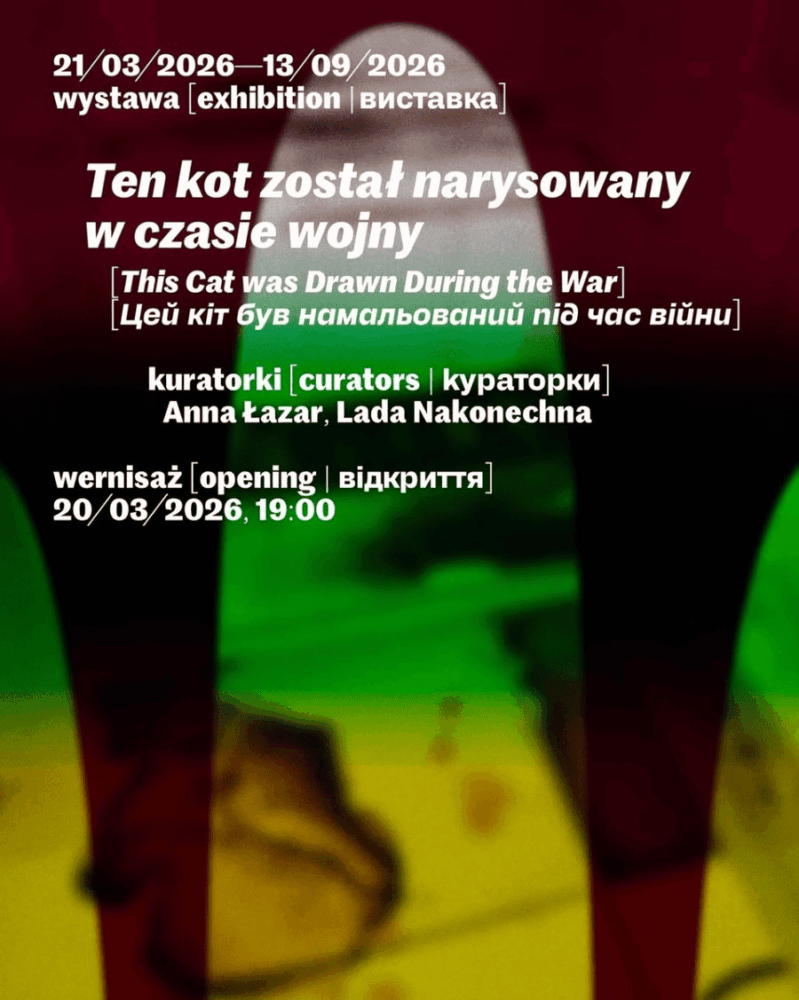
“This Cat Was Drawn During the War”
Where: Center for Contemporary Art “Ujazdowski Castle,” Jazdów 2, Warsaw
When: March 20–September 13, Tuesday–Sunday, 11:00–19:00
Curators: Anna Lazar and Lada Nakonechna
The exhibition explores how political contexts are reflected in artworks, whether there is room for critical thinking during war, what to expect from art in times of crisis, and its effectiveness.
The project’s title refers to René Magritte’s painting The Treachery of Images, which depicts a pipe with the French inscription “Ceci n’est pas une pipe”. Artist Kateryna Libkind explains: “It’s not really about the cat,” highlighting how war imposes limits on any situation. The word “drawn” emphasizes that art can be created through drawing, painting, or sculpting — but the exhibition also presents works made using other methods.
Artists include: Katya Buchatska (Ukraine), Peggy Buth (Germany), Mario de Vega (Mexico), Wojciech Fangor (Poland), Ksenia Hnylytska (Ukraine), Agnieszka Kalinowska (Poland), Oksana Kazmina (Ukraine), Pavlo Khaylo (Ukraine), Tarik Kiswanson (France/Palestine), Yulia Kryvich (Poland/Ukraine), Aleksandra Kubiak (Poland), Zbigniew Libera & Darek Foks (Poland), Katya Libkind (Ukraine), Honorata Martin (Poland), Ivan Moudov (Bulgaria), Lada Nakonechna (Ukraine), Ilona Németh (Slovakia), Olaf Nicolai (Germany), Mariola Przyjemska (Poland), Tanel Randel (Estonia), Monika Sosnowska (Poland), Ivan Svitlychnyy (Ukraine), Miloš Trakilović (Bosnia & Herzegovina/Netherlands), Variable Name (Valeria Karpan & Maryna Marinychenko, Ukraine), Zbigniew Warpechowski (Poland).
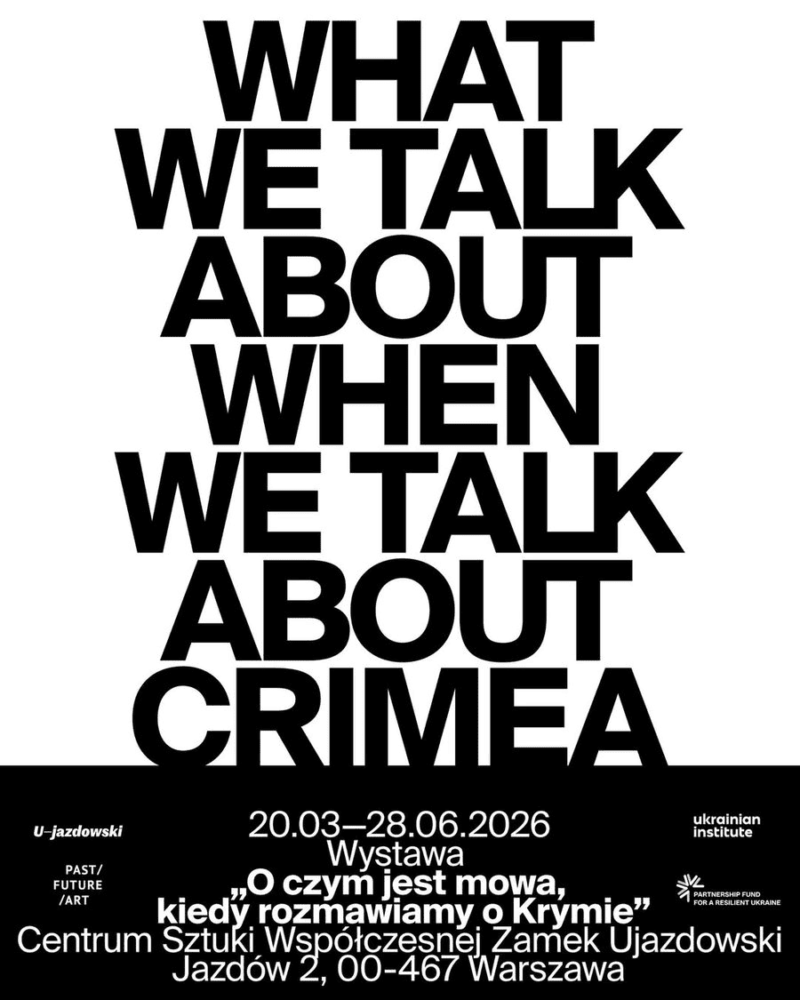
“What We Talk About When We Talk About Crimea”
Where: Center for Contemporary Art “Ujazdowski Castle,” Jazdów 2, Warsaw
When: March 20–June 28, Tuesday–Sunday, 11:00–19:00
Curators: Kateryna Semeniuk, Oksana Dovhopolova, Alim Aliyev
The project explores the sense of loss of Crimea following the Russian occupation of the peninsula through the reflections of contemporary Ukrainian artists, including Crimean Tatars.
The curators pose several questions: What do we talk about when we talk about Crimea? The sea or the steppe? The 1945 Yalta Conference or the Scythian state? The Artek pioneer camp or the 1944 Soviet genocide of Crimean Tatars? A seaside vacation or a lost home? Why can experiences of Crimea feel so different, as if people remember different continents?
The project features artists from different generations, including those born in Crimea and those who visited as tourists: Sevilâ Nariman-qizi, Emine Ziyatdin, Rustem Skybin, Yuriy Yefanov, Anton Shebetko, Roman Mykhailov, Elmira Shemsedinova, Oleksiy Borysov, Vitaliy Kokhan, Oleg Tistol, Pavlo Makov, Wlodko Kaufman, and Khalil Khalilov.
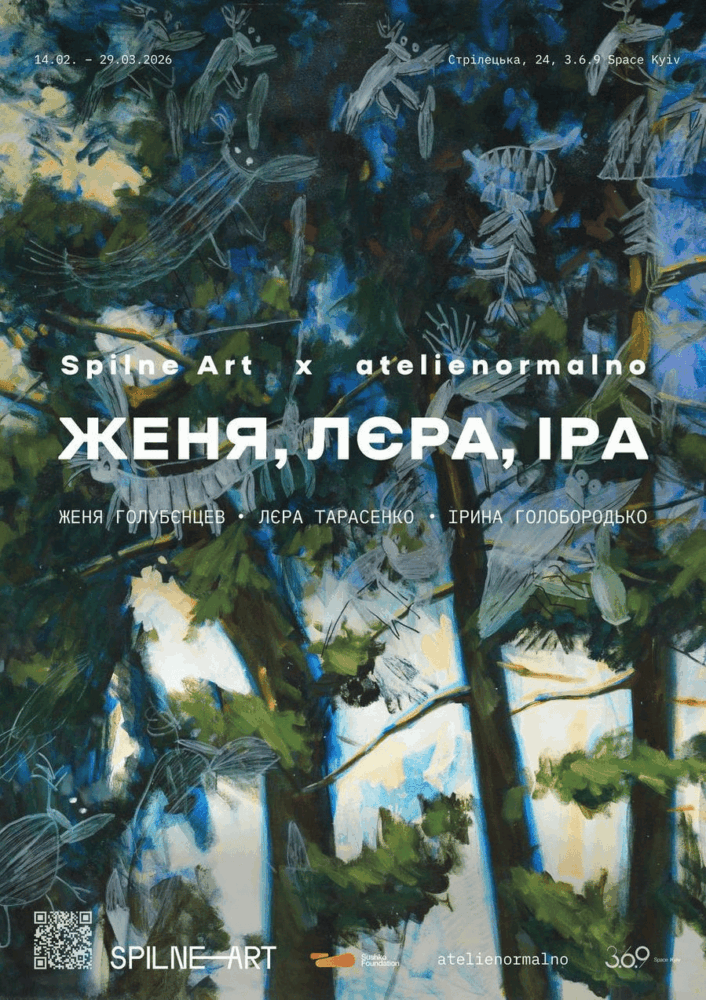
“Zhenya, Lera, Ira”
Where: 3.6.9 Space Kyiv, 24 Striletska Street, Kyiv
When: Until March 29, Wednesday–Sunday, 15:00–19:00
The exhibition features collaborative works by the artists of Atelienormalno: Valeriia Tarasenko’s painted landscapes are improvisationally complemented by graphic drawings from Yevhen Holubentsev and Iryna Holoborodko.
The project began with Holubentsev’s unexpected intervention in an unfinished work by Tarasenko, prompting reflection on authorship, collaboration, and the willingness to share and accept.
During the exhibition, performances take place in which Iryna Holoborodko adds to Tarasenko’s works in real time.
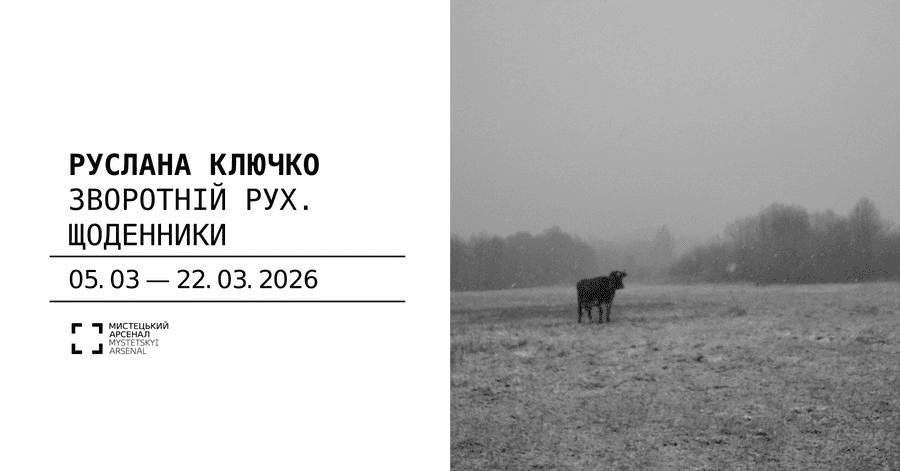
“Reverse Motion. Diaries”
Where: Small Gallery of the Mystetskyi Arsenal, 28 Ivan Mazepa Street, Kyiv
When: Until March 22, Wednesday–Sunday, 12:00–19:00
Curator: Vita Kotyk
A solo project by contemporary artist and photographer Ruslana Kliuchko, the exhibition explores the experience of non-/return, examining movement between memory and reality, the physical place, and what is preserved in personal archives and memories.
Through photography, graphic, and video works, the artist creates a kind of love letter to her hometown, Khutor-Mykhailivskyi in Sumy region, located just 10 kilometers from Russia. The project also raises questions about mythmaking around territories near the Russian border.
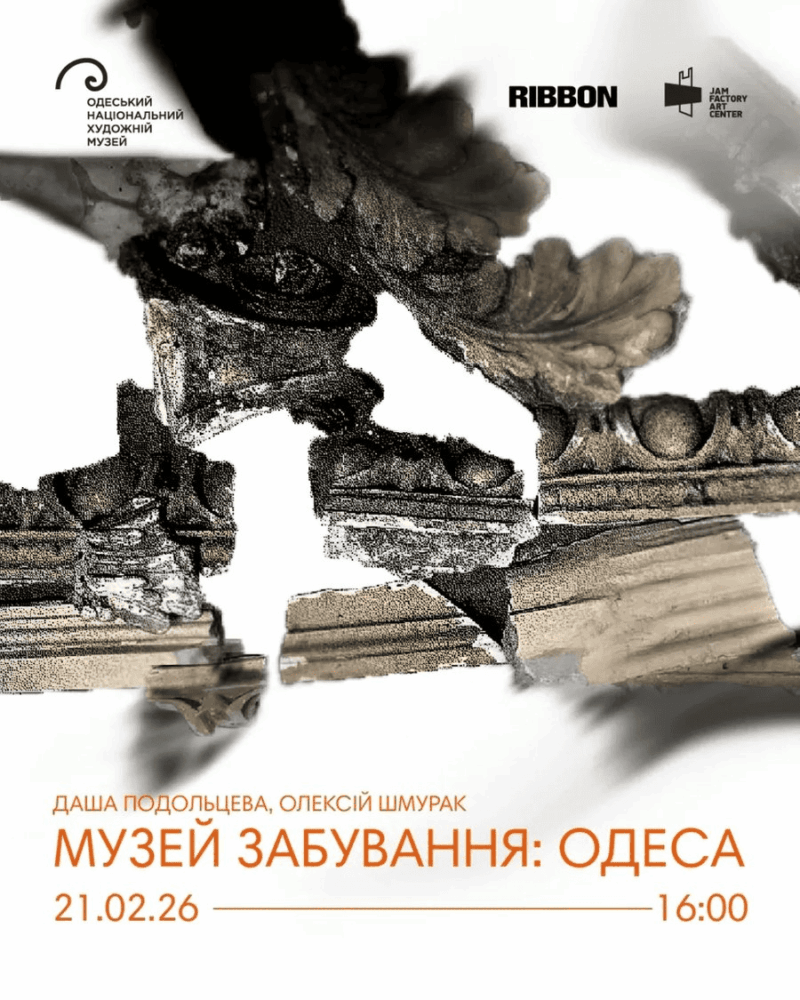
“Museum of Forgetting: Odesa”
Where: Odesa National Art Museum, 5A Sofiivska Street, Odesa
When: Until April, Wednesday–Thursday, 11:00–17:00; Friday–Sunday, 11:00–18:00
Curators: Dasha Podoltseva, Oleksiy Shmurak
The project is based on personal stories and memories of Odesa residents collected through open calls. Artist Dasha Podoltseva and composer Oleksiy Shmurak create a site-specific audiovisual installation reflecting on collective and personal memory, as well as its opposite — forced or voluntary forgetting.
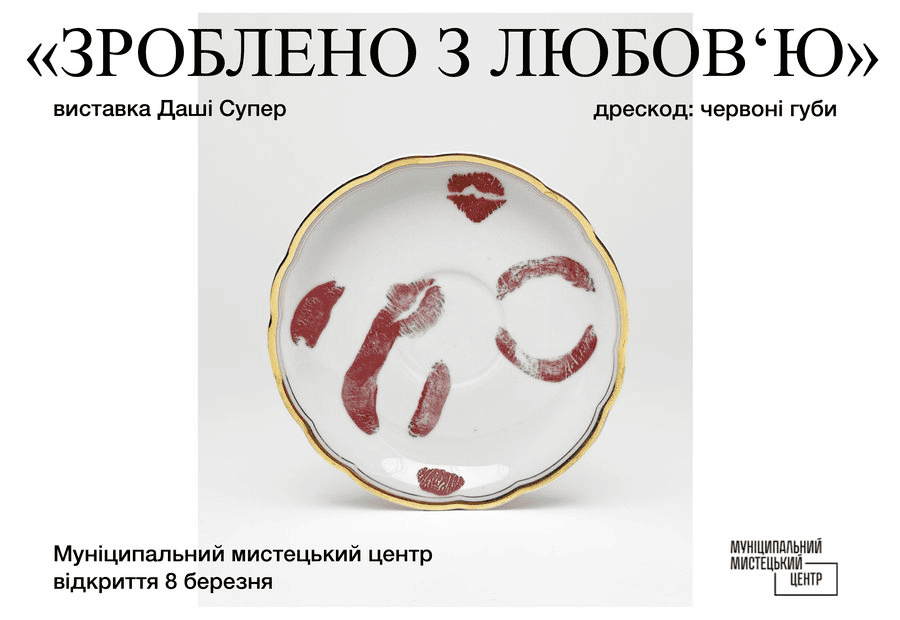
“Made With Love”
Where: Lviv Municipal Art Center, 11 Stefanyka Street, Lviv
When: March 8–May 1, daily, 10:00–21:00
This solo exhibition by Dasha Super explores the mechanics of reproducing femininity in contemporary visual culture.
The exhibition features works created over the past two years of her practice: ceramic heads, glossy nails, locks of hair, and eyelashes. The artist recreates attributes of the glamorous image to reveal the mechanisms of standardization, fetishization, and alienation in mass culture.
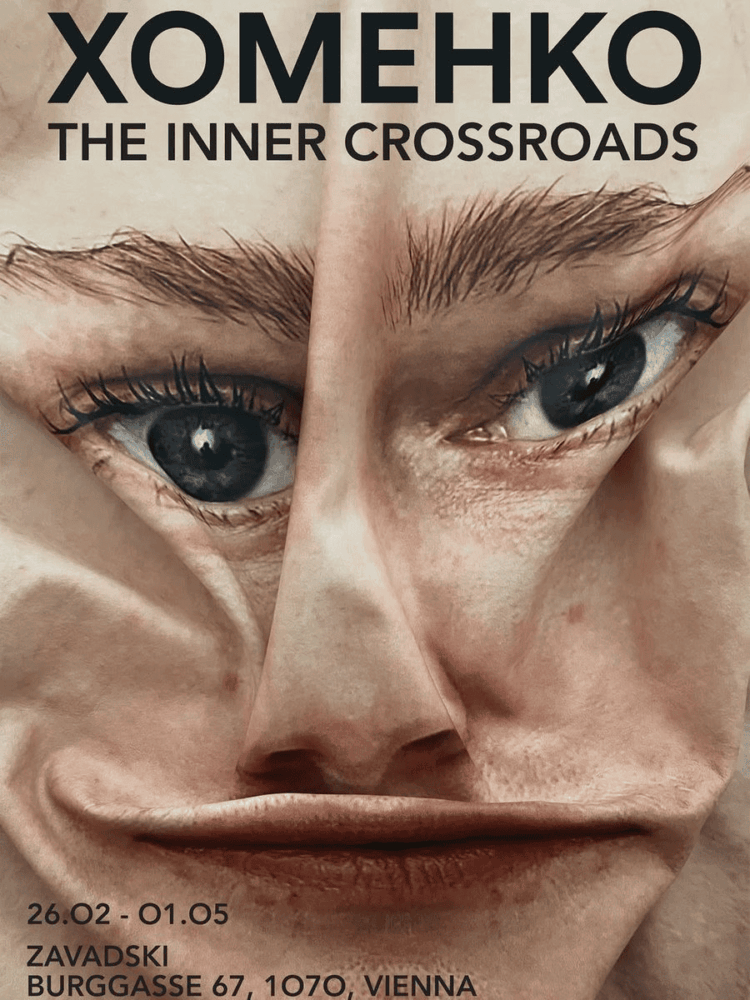
“The Inner Crossroads”
Where: Zavadski, 67 Burggasse, Vienna
When: Until May 1, Tuesday–Saturday, 12:00–18:00
A solo project by Yaroslava-Maria Khomenko, who works with textile installations and sculptural forms. In her practice, the artist addresses issues of overproduction and consumption, and since the start of Russia’s full-scale invasion, she has focused on socially engaged art.
The exhibition reflects the artist’s personal experiences, capturing the moment of fully embracing the “inner crossroads” as a point of catharsis.
“Pedagogías de guerra”
Where: Thyssen-Bornemisza Museum, 8 del Prado, Madrid
When: March 3–June 21, Monday 12:00–16:00; Tuesday–Friday & Sunday 10:00–19:00; Saturday 10:00–23:00
Curator: Chus Martínez
The project by the creative duo Roman Khimey and Yarema Malashchuk, titled “Pedagogies of War”, explores how violence reshapes perception, behavior, and collective life even before it can be fully comprehended, treating war not as an isolated event but as an operational system permeating everyday life.
Using audiovisual materials, the artists demonstrate how daily rhythms and democratic structures are disrupted under violence and material pressure.
The exhibition features works including Open World (2025), You Shouldn’t Have to See This (2024), The Traveler (2022, in the museum’s collection), and We Didn’t Start This War (2026, created on commission for the institution).
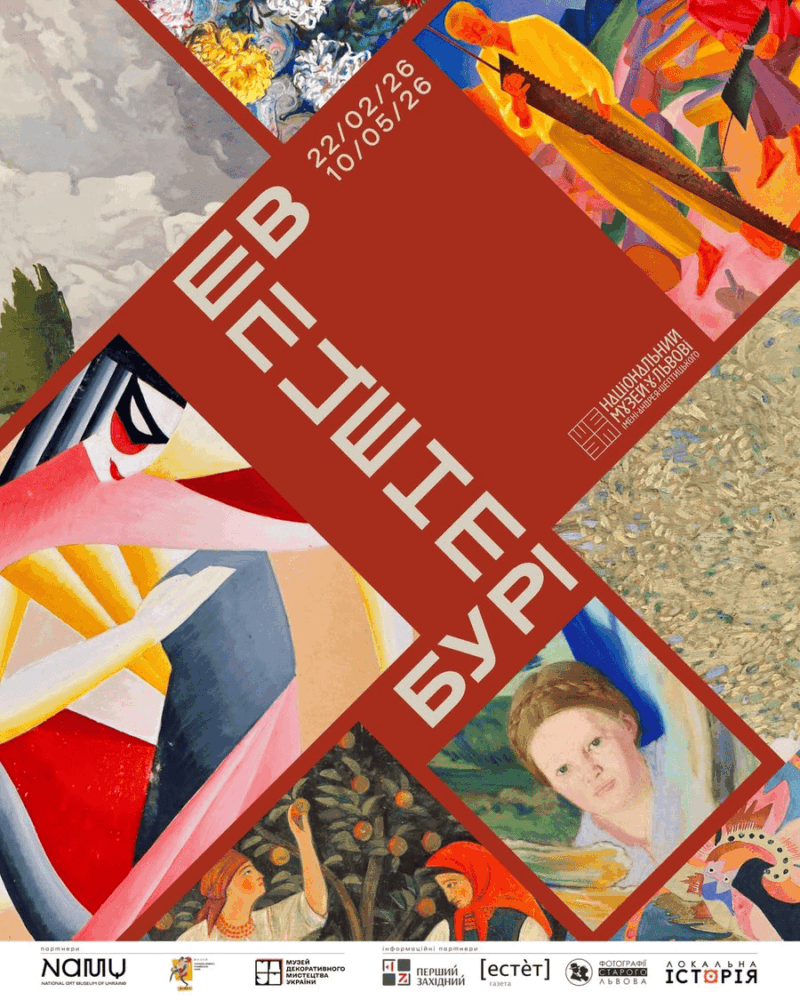
“In the Eye of the Storm”
Where: Andrey Sheptytsky National Museum, 20 Svobody Avenue, Lviv
When: Until May 10, Monday–Sunday, 10:00–19:00
Curators: Kateryna Denysova, Kostyantyn Akіnsha
The exhibition presents works by artists who sought to restore Ukraine’s cultural autonomy, a territory long divided between the Austro-Hungarian and Russian empires. Ukrainian modernism developed against the backdrop of World War I (1914–1918), the Ukrainian Revolution (1917–1921), and later, within the Soviet Union.
The project has been shaped over the years by Kostyantyn Akinsha, Kateryna Denysova, Olena Kashuba-Volvach, and Maryna Drobotyuk.
From 2022 to 2025, the exhibition traveled to Basel (Switzerland), Vienna (Austria), Bratislava (Slovakia), London (UK), Cologne (Germany), Łódź (Poland), Brussels (Belgium), and Madrid (Spain), where a virtual tour was launched, with a temporary return to Kyiv. The Lviv presentation is supplemented with works from the Andrey Sheptytsky National Museum collections.
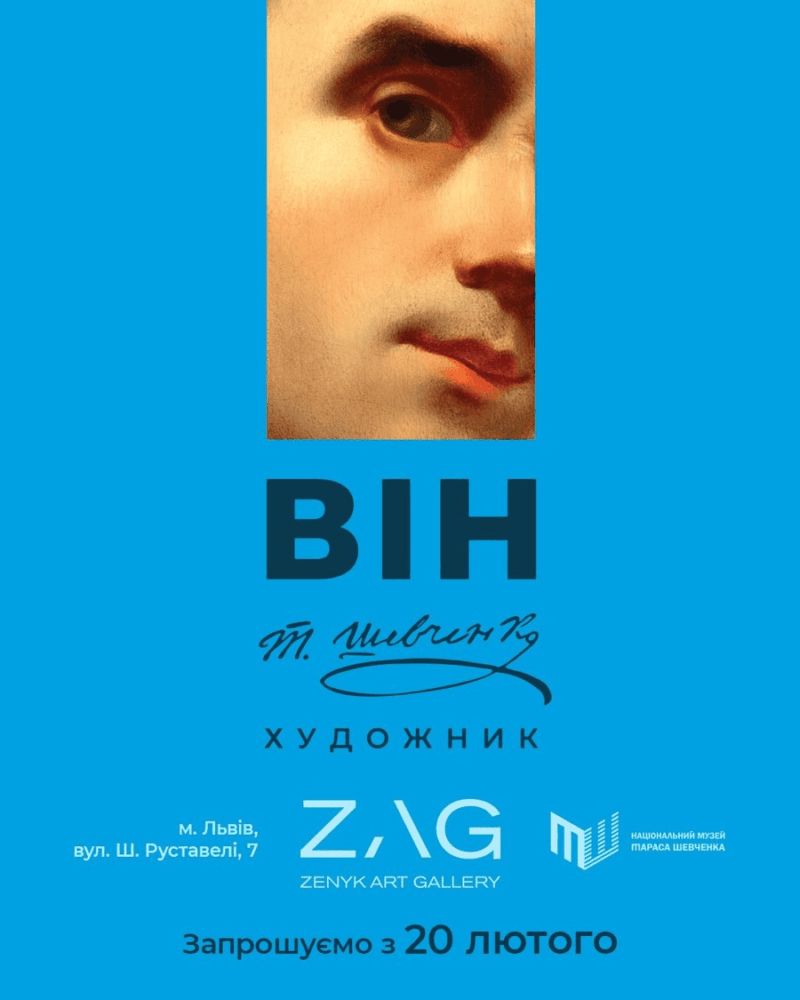
“He: Taras Shevchenko. The Artist”
Where: Zenyk Art Gallery, 7 Shota Rustaveli Street, Lviv
When: Until June 20, Tuesday–Thursday & Sunday, 9:00–19:00; Friday–Saturday, 10:00–19:00
Curator: Khrystyna Berehovska
Organized in collaboration with the Taras Shevchenko National Museum, the exhibition features 58 paintings and graphic works by Taras Shevchenko from various periods of his career.
The display covers key thematic sections: Self-Portraits, Painted Ukraine, The Prodigal Son, Exile, Shevchenko and the World, Shevchenko and the Academy, Shevchenko’s Circle, and She.
“Looking 6–7”
Where: “Tovary z Yevropy,” 173 Mekhanychna Street, Lviv
When: Until March 21–22, by appointment
Curators: Kateryna Yakovlenko, Borys Filonenko, Nataliya Matsenko
The exhibition’s central object is a Christmas tree: a “Yolka” from Euromaidan, a tree from an art auction raising funds for the army, and a tree of Ukrainian art history.
The show engages in dialogue with Nikita Kadan’s project at Jam Factory Art Center, Looking into the Gaps IV, asking: “If the history of Ukrainian art is a history of ruptures, whose interests does this fragmented chain serve?” It also pays homage to the 1968 New York poetry edition of Vasyl Barka.
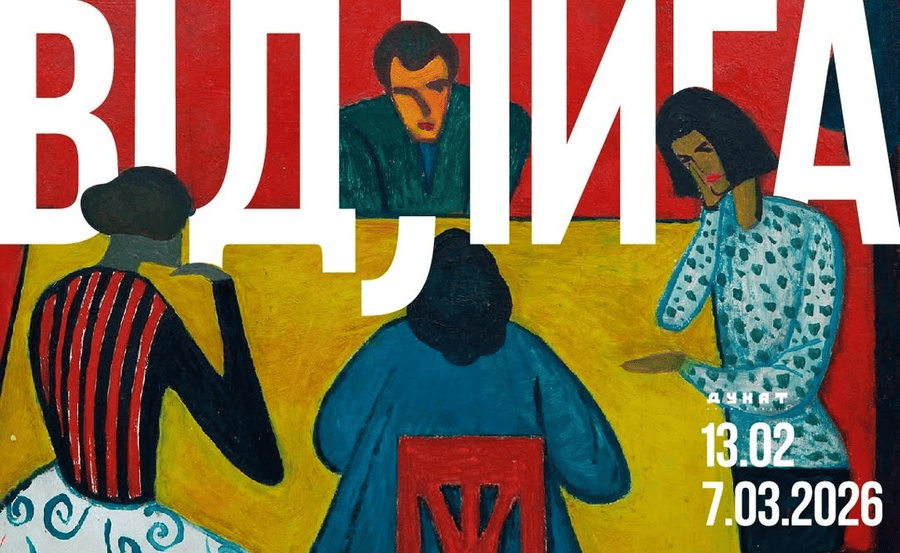
“Thaw”
Where: Art Foundation “Dukat,” 5 Volodymyrska Street, Kyiv
When: Until March 7, Monday–Sunday, 11:00–19:00
The exhibition is dedicated to the generation of artists shaped during the Khrushchev Thaw. These artists moved away from the canons of Socialist Realism and experimented with new movements, whose principles managed to seep through the cracks of the Iron Curtain.
The show features works by Opanas Zalyvakha, Alla Horska, Ihor Hryhoriev, Valeriy Lamakh, Ernest Kotkov, Vilen Barsky, Ivan Lytovchenko, Henrietta Levytska, Petro Marokvych, Bohdan Soyka, Yelyzaveta Kremnytska, and Oleg Sokolov.
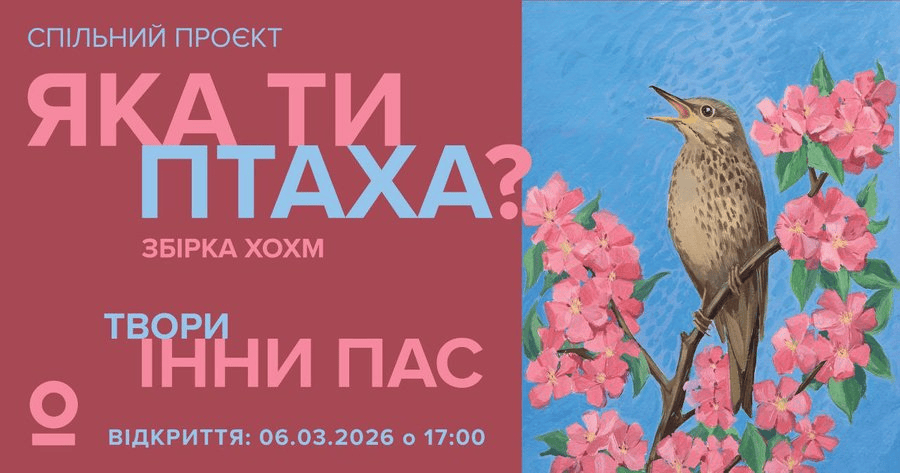
“What Kind of Bird Are You”
Where: Khmelnytskyi Regional Art Museum, 47 Proskurivska Street, Khmelnytskyi
When: From March 6, Tuesday–Sunday, 10:00–18:00
Curator: Maryna Zaslavska
The exhibition combines works from the museum’s collection with pieces by contemporary artist Inna Pas. The central symbol of the show is the bird.
The displayed works trace how Ukrainian artists, including Leopold Levytsky, Volodymyr Rybotytsky, Viktor Pokydanets, Volodymyr Hulych, Anastasiya Podervyans’ka, Mykhailo Nikolaiev, Liudmyla Betliemska, Liudmyla Mazur, Bohdan Mazur, and Mykola Sirobaba, interpret and reimagine the image of the bird.
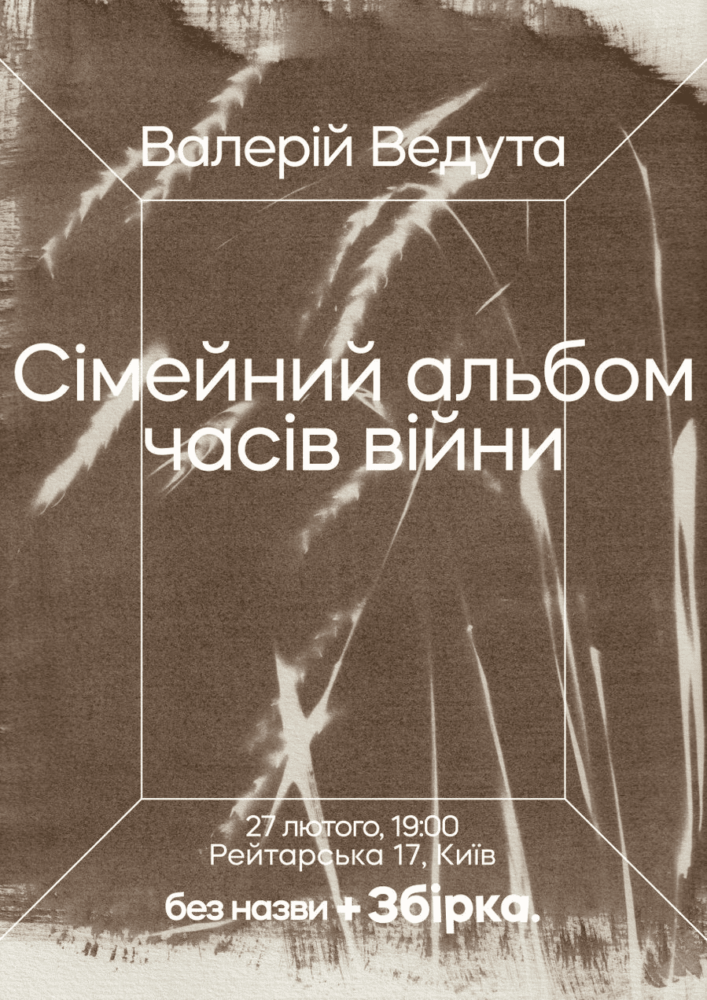
“War Times Family Album”
Where: Gallery “Bez Nazvy,” Zbirka Bookstore, 17 Reitarska Street, Kyiv
When: Until March 29, Monday–Sunday, 11:00–21:00
The exhibition presents a photographic project by Ukrainian photographer Valeriy Veduta, documenting family life in Kyiv during the full-scale Russian invasion.
Veduta’s prints are created using the gum bichromate technique, with pigments made from Ukrainian soil from Lake Syvash and the Kyiv region.
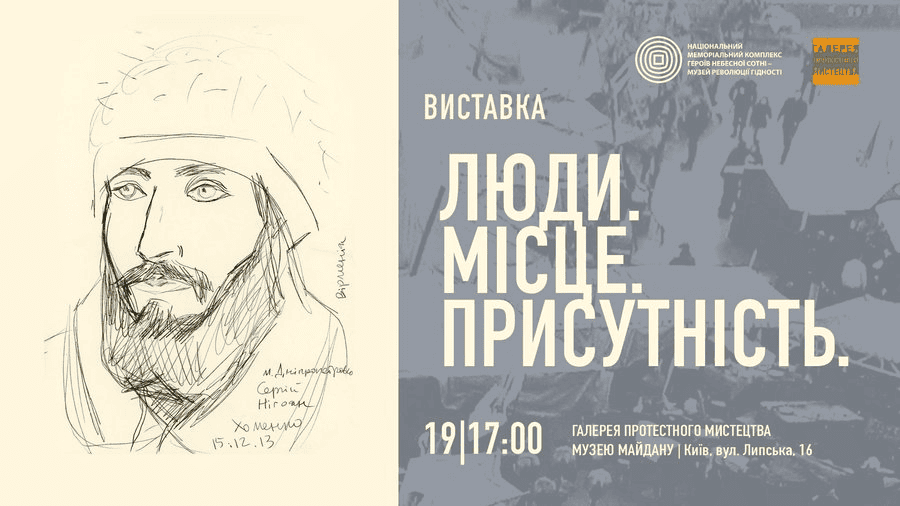
“People. Place. Presence”
Where: Protest Art Gallery of the Maidan Museum, 16 Lypska Street, Kyiv
When: Until May 15, by appointment
The project marks the anniversary of the memory of the Heroes of the Heavenly Hundred, observed on February 21. The exhibition, drawn from the Maidan Museum’s collection, does not follow a chronological order or focus on specific events, instead emphasizing people and their stories.
Featured artists include Oleksandr Chekmenyov, Oleksandr Roitburd, Stas Zhalobniuk, Rostyslav Luzhetsky, and Lesya Khomenko. Some works have been in long-term evacuation.
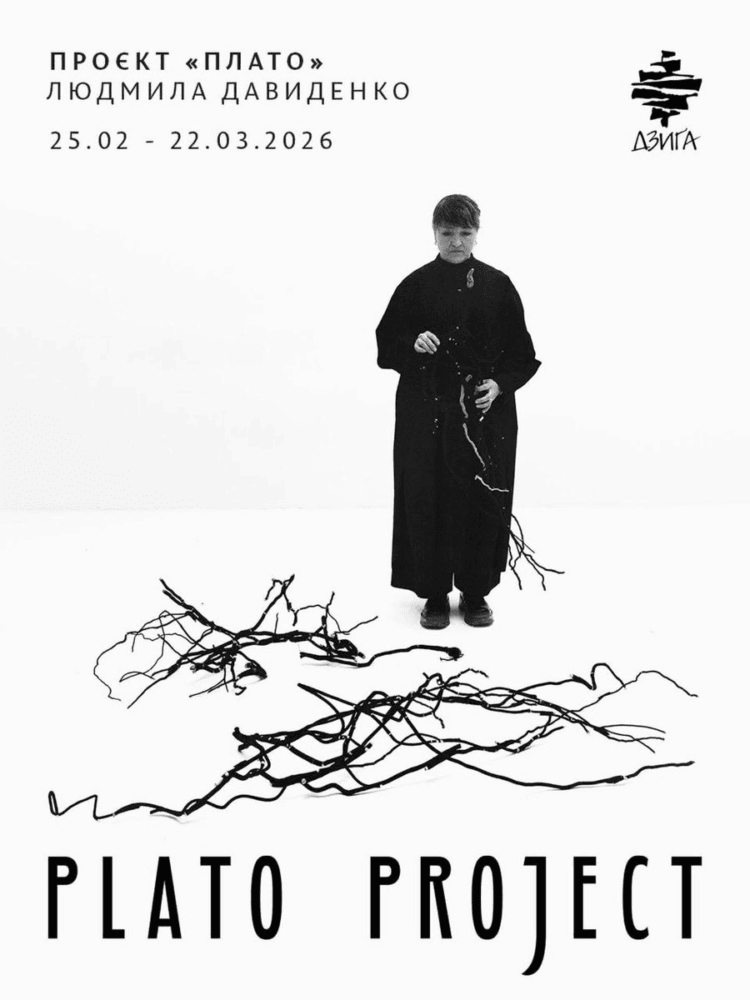
“Plato”
Where: Dzyga Art Center, 35 Virmenska Street, Lviv
When: Until March 22, Monday — Friday 12:00–23:00, Saturday — Sunday 10:00–23:00
Curator: Antonina Melnychuk
In this project, multidisciplinary artist Liudmyla Davydenko, known primarily for her abstract paintings and anthropomorphic sculptures, expands her usual media to include textiles. The exhibition explores weaving as a slow, repetitive, grounding gesture that shapes inner balance — a true “plato.”
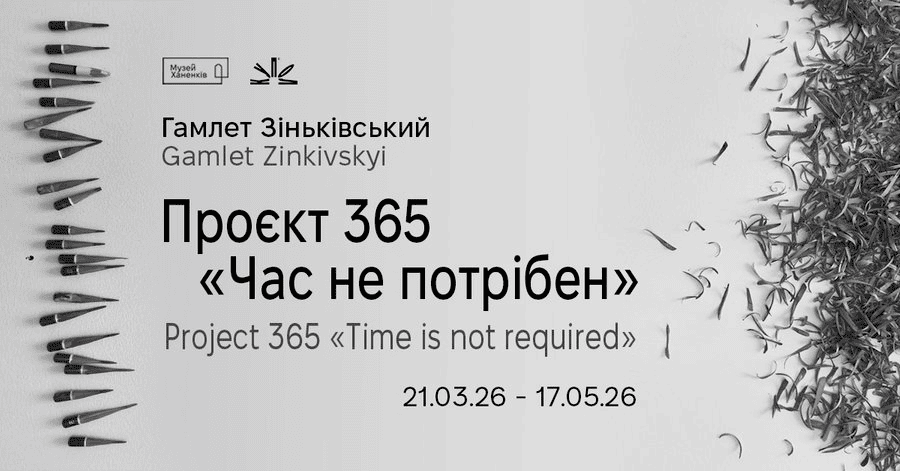
“Time Is Not Required”
Where: Bohdan and Varvara Khanenko National Museum of Arts, 15–17 Tereshchenkivska Street, Kyiv
When: March 21 – May 17, Wednesday, Friday–Sunday 10:30–17:30, Thursday 12:00–19:30
Curator: Olga Honcharenko
This solo exhibition by Kharkiv street artist Gamlet Zinkivskyi presents the project “365” — a new series created in 2025, featuring one drawing per day. Zinkivskyi has worked with the diary format since 2013, revisiting it every two years to observe his personal changes, aiming to create 10 such series to eventually present them together.
“Kharkiv Public Art”
Where: L’Aéronef, 168 avenue Willy Brandt, Lille
When: until March 16, Monday — Saturday, 9:30–20:00
Curators: Natalia Ivanova and Svitlana Stoyan
The exhibition presents works by Kharkiv artists selected through an open project competition, with the sponsorship of the YermilovCentre. The works combine various media, including digital graphics, photography, video art, and installation.
The project aims to create a dialogue between Ukrainian Kharkiv and French Lille.
Tags: Art Exhibitions Creative Ukraine Culture Guide empr.media Features Gallery Opens March 22 Events Ukrainian art

![Visitors at the “Thank You With All My Heart” Ukrainian exhibition at the Council of Europe, featuring the Great Amber Heart and powerful war art. :contentReference[oaicite:2]{index=2}](https://empr.media/wp-content/uploads/2026/02/heart-300x171.png)
![Ukrainian Roboneers and Latvian partners at the signing of a defence robotics and underwater technology cooperation memorandum. :contentReference[oaicite:2]{index=2}](https://empr.media/wp-content/uploads/2026/02/oboronka-300x168.png)