
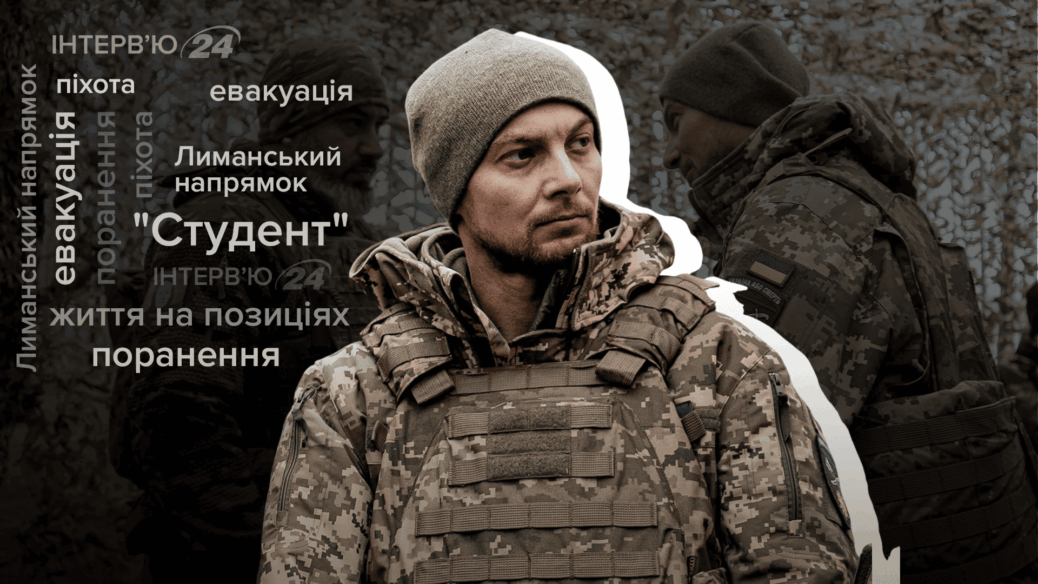
Infantry soldier “Student” shares his experience on the front line: 63 days under fire, injury from shrapnel, life at positions, tactical challenges, drone threats, and his current logistics role in the brigade.
Infantry has always been, is, and will remain the toughest and at the same time perhaps the most important role in the army. However, the work of infantry soldiers is constantly becoming more challenging due to the development of new technologies. Today, enemy drones have become the biggest threat. And it is often precisely because of them that soldiers spend weeks or even months at their positions.
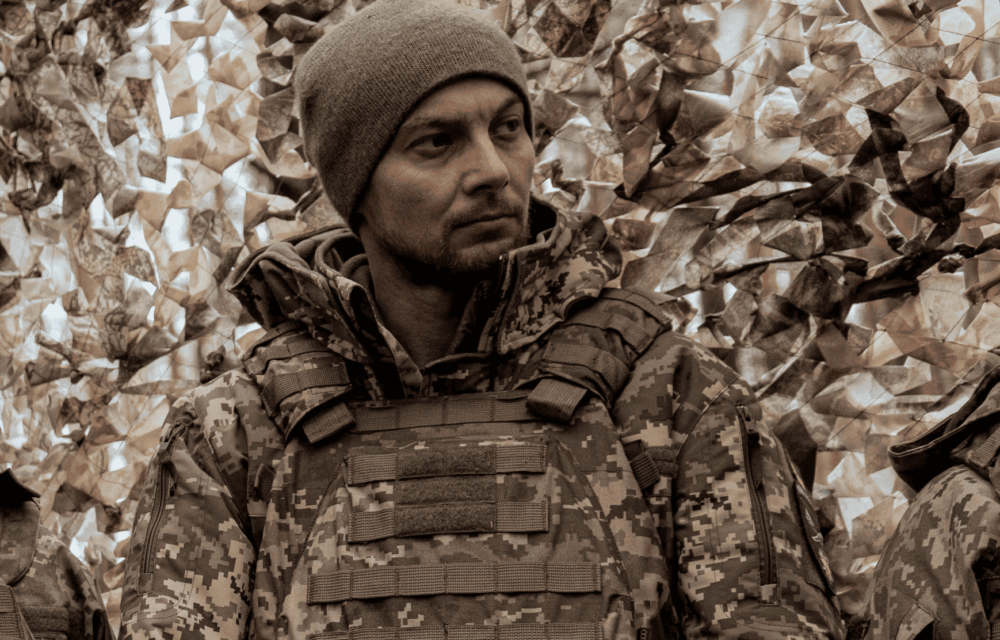
Among those who found themselves in such a situation is “Student” from the 2nd Mechanized Battalion of the “Onuky Adolfivny” of the 66th Separate Mechanized Brigade named after Mstyslav the Brave. The soldier from Khmelnytskyi spent 63 days at the positions, and half of that time with shrapnel in his shoulder after an enemy attack.
After a difficult withdrawal from the positions and treatment, “Student” returned to service, but in a different role.
We spoke with “Student,” asking him about that withdrawal, life at the positions, and his new work now. Read about all this and more in the interview on 24 Kanal.
“A piece of shrapnel got stuck in my shoulder”: About first deployment and injury at the position
How did you end up in the military? Was the brigade you are serving in now a coincidence, or was it your choice?
I joined the military, like most of us, after a meeting with the Territorial Recruitment Center. It was in Khmelnytskyi on July 19, 2025. From there, I was sent to the training center for basic combat training. On the last day, there was an assignment, and that’s how I ended up in the 66th Brigade at the beginning of September.
And what did you do in civilian life?
I was an entrepreneur. I made furniture.
When you were already in the brigade, how were you prepared for your first deployment to the positions?
We were trained at the battalion training ground. It was almost everything we had done during basic combat training: shooting, grenade throwing, land navigation, and medical skills – these are the main and very important things.
The training lasted a few days, and then we went on our first deployment. The situation was like this – we were moving alongside the 3rd Separate Assault Brigade. They were clearing a certain area, and we were securing it behind them.
The deployment itself took us two days, counting from disembarking from the armored vehicles to arriving at the actual position. It was an empty area, and we started digging our own foxholes and setting up observation posts.
How long did it take to set up the positions, considering this was happening on the front line?
To fully set everything up, it took about three weeks. My comrade and I were the only ones on this position, and we set it up ourselves.
And overall, how long did the deployment last?
63 days. Exactly a month after arriving, I was injured by a piece of shrapnel from an enemy FPV drone. But I stayed at the position even after that, even though I could hardly do anything – I couldn’t lift my arm or put on my body armor. Most of the work was done by my comrade.
So you were giving your comrade a chance to get some rest?
Well, we tried to divide the work, but I had shrapnel in my shoulder, a deep wound, and needed constant dressing changes. So I couldn’t work fully.
I guess that’s when tactical medical skills really became important?
Thank God, the medical side was fine; we knew what to do and how. So there were no problems.
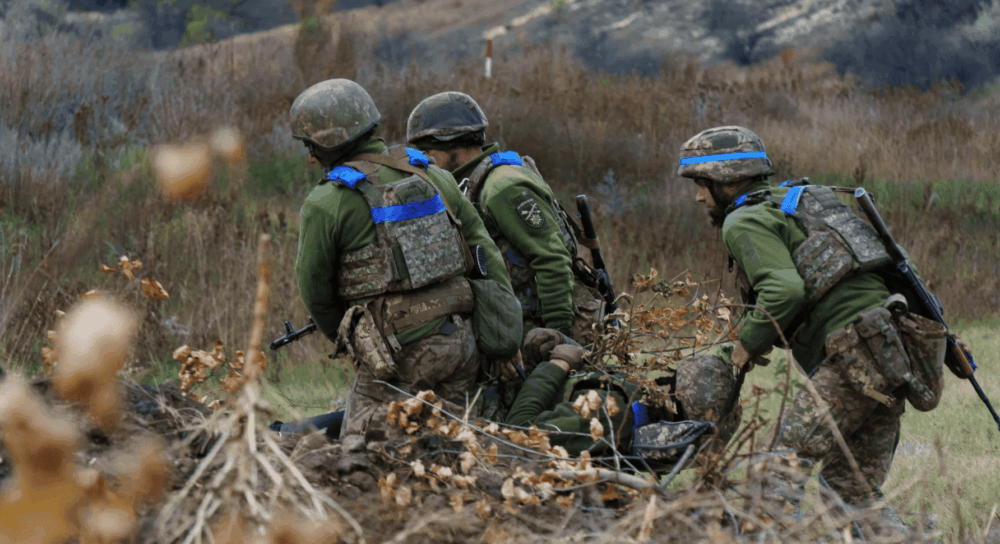
I immediately applied a tourniquet, then loosened it, checked the wound since the bleeding had slowed, and finally bandaged everything properly.
“Russians sometimes came at us without weapons”: About life on the front line and supplies
What were the conditions like at the positions at that time? How did the Russians act in that area – did they reach your positions, or were they stopped before getting close?
They used different tactics. One method was signaling with a flashlight. That is, the first person would move a certain distance, hide, and blink the flashlight to signal the next. The next would do the same, and so on. You had to be constantly alert, because once I heard a group moving – it was a distant shout: “Come here.” I realized something was wrong, reported it over the radio, and our drones quickly responded.
From what I saw myself and heard from my comrades, sometimes they came at us unarmed. Sometimes, when we checked captured backpacks, all we found were two cans of stew. Of course, there are different cases, so you should never underestimate the enemy.
And what about supplies – water and food? Did you get everything by drones?
It depends on the position. For example, the one we first went to was partly in cellars; in one of the houses, I found a good stock of “Prozora.” So for a week or two, I carried bottles back and forth in my backpack.
Later, we were at another position, where there were also houses nearby. We went on reconnaissance, found a well and a bucket. We had water. Some positions have problems with water, and there’s no easy way to get it.
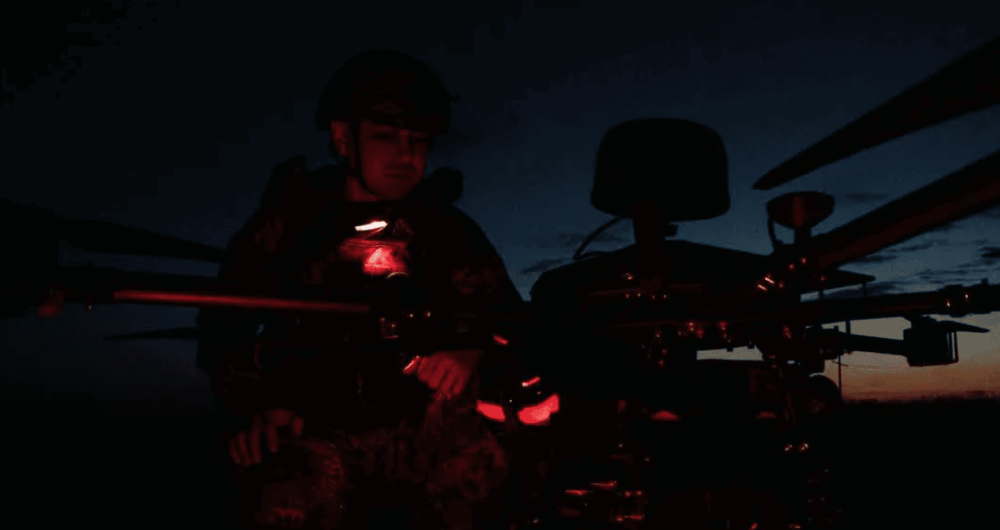
There are many positions, and everyone needs food and sometimes water. Sometimes we had to wait 4–5 days for “Glovo” (food deliveries by bomber). But we did what we could, finding some jam in cellars or canned food. We survived as best we could. Overall, we didn’t have a major problem.
Were medicines and dressing supplies dropped to you as well, or did you manage with the first-aid kits?
They dropped medicines – what we requested and some basic ones, like cold remedies and painkillers. These were part of the regular drops. If we needed something else, we ordered it.
“You have to dig and explore everything around”: How infantry soldiers live on positions now
And what were the conditions like at your positions? How did you set up your dugout, and how did you stay warm?
Honestly, conditions on the positions depend on how the soldiers set them up themselves. The most important thing is whether you dig. That matters a lot. We dug quite deep dugouts. There was a forest around, so we camouflaged perfectly. In the first days, I even got a bit lost when leaving the dugout.
“Glovo” also dropped us gas canisters and heaters. We had water supplies, so we made tea. Boiling water itself gives warmth. We also insulated the dugout, dug a long corridor with a turn, and covered the entrance so the wind wouldn’t blow in.
So it wasn’t exactly a disaster. And we pulled batteries from captured Russian drones, charged radios, and lit up the dugout, so we always had light.
Everything depends on the soldiers themselves. I know some who are afraid to leave the command post. On one hand, that’s good – they don’t expose themselves to extra danger. On the other hand, they don’t know the terrain around them at all. We didn’t know it either at first, but we started exploring and bringing what we needed back to the dugout.
Overall, staying in the position isn’t difficult. What’s difficult is getting there and leaving it.
“We walked over 12 kilometers”: About leaving the positions and communication with others
Did you leave the positions on the first attempt?
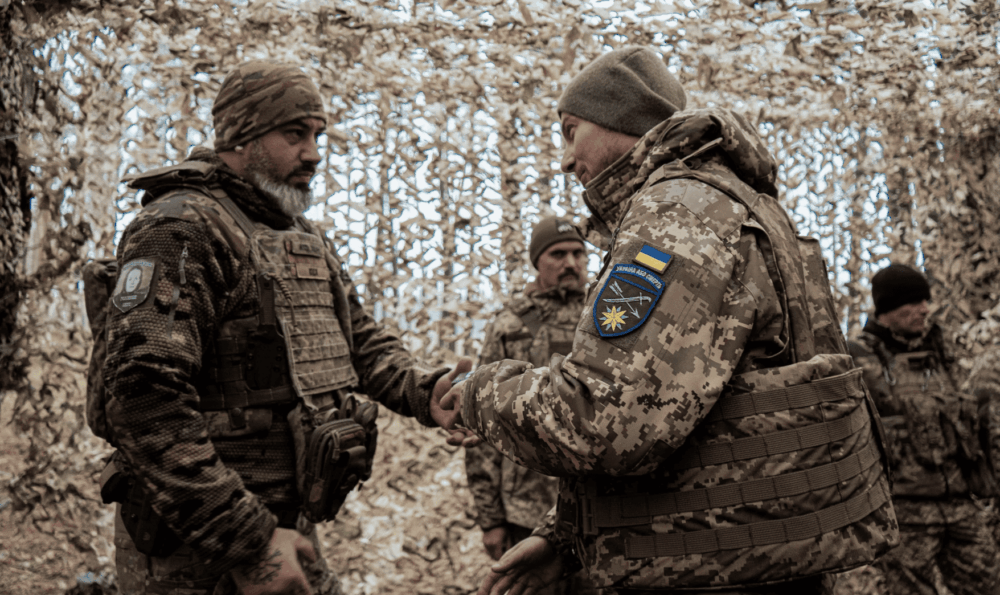
Yes, on the first attempt. There were seven of us in total, and we left from several different positions. We set out around 4 a.m. and reached the evacuation point around 3 p.m. But along the way, we stopped at neighboring positions to rest, so to speak.
We were lucky because there was rain and fog, and there were no enemy drones. A few flew around, but it was possible to move. However, there were changes, and we ended up covering a longer distance than planned. We walked over 12 kilometers, and it was a bit tough.
63 days – that’s over two months. Were you able to keep in touch with your family during that time?
Before the deployment, I said I was going to an observation post but didn’t give details. I explained that we couldn’t use our phones because our location could be tracked, and so on.
At the positions, during quiet hours — from midnight to 5 a.m. — it was possible to send greetings or record voice messages. You had to leave a phone number in advance. That wasn’t a problem at all.
Drones, bad weather, and watching the enemy: in what conditions does the infantry operate now?
Infantry is the toughest role in the army. In your observations, is there anything that can make this work easier under current conditions?
The thing is, this is mainly a war of drones now. You have to understand that and adapt as much as possible to the situation. The only thing that protects you from drones is bad weather – when a drone is “blind” or can’t fly in heavy rain, fog, and so on.
I talked to the assault troops, and they said they operate like this: they go in, complete their task, and return in 3–4 days without losses. But infantry has to observe 360 degrees around the position, because in urbanized terrain, the enemy can bypass, approach from behind, and so on.
It’s important to listen to the radio, stay aware of all events, understand where neighboring positions are, who has moved, and who has spotted the enemy or heard something. Sometimes it’s just animals, but other times… well, you never know.
What is “Student” doing now in the 66th Separate Mechanized Brigade?
As I understand, after that deployment and your injury, you have a different role. Can you tell us what you do in the brigade now?
I’m a sergeant in logistics. My duties primarily include making sure the soldiers have the right clothing, organizing bedding – a bed, blanket, pillow – and providing everything needed for a comfortable stay while serving in the military.
Obviously, it’s a completely different job, but is it easier, or not really? People often underestimate non-combat roles.
There are many challenges in this work. First of all, all property has to be properly documented. Second, a soldier arriving from the training center must have everything he needs – and everything must be the correct size. And when something gets lost, you have to provide a replacement.
There’s actually a lot of work. It may sound like not much, but from morning to evening every day, you’re busy – receiving supplies, handing things out, handling documents.
We spoke with your comrade who spent 104 days at the positions, during autumn moving into winter. In such cases, are you also responsible for delivering warm clothing to the soldiers?
Yes. A soldier at the position reports via radio to the command post. They check who the soldier is and which unit they belong to. If they’re from our unit, I get a message saying what clothing and boots need to be provided. We pack everything, give it to the UAV operators, and they drop it to the soldiers at the positions.
So I have to be aware of everything – where everyone is, who is in treatment, who has left the positions, who is in the combat zone area.
How many people are we talking about?
Dozens. God willing, it can be hundreds.
As you know, there is currently a shortage of personnel. You mentioned my comrade who spent 104 days at the positions – that’s one of the reasons, not enough people.
On one hand, it’s understandable because it’s a war. On the other hand, it’s not as terrible as you might imagine. Things vary, but from one of the latest deployments, the soldiers returned in three weeks.
So even the duration of time spent at a position depends on the number of people in the unit – how many are serving the front line. When the line is long and there are many positions, more people are needed, and the deployments last longer.
Tags: Battlefield Reality empr.media exclusive Infantry Soldier Story Lyman Frontline Shrapnel Wounds Ukraine war interview War Human Experience

![Kyrylo Marsak in Olympic figure skating gear smiling on the ice at Milan-Cortina 2026, capturing pride, viral hopak atmosphere, and Ukraine energy. :contentReference[oaicite:4]{index=4}](https://empr.media/wp-content/uploads/2026/02/kyrylo-480x270.png)
![Volodymyr Kudrytskyi discusses energy missteps, shelters, and leadership decisions in Ukraine’s energy sector in a cold office interview.:contentReference[oaicite:2]{index=2}](https://empr.media/wp-content/uploads/2026/01/nardep-1-480x270.png)


![Visitors at the “Thank You With All My Heart” Ukrainian exhibition at the Council of Europe, featuring the Great Amber Heart and powerful war art. :contentReference[oaicite:2]{index=2}](https://empr.media/wp-content/uploads/2026/02/heart-300x171.png)

![Ukrainian Roboneers and Latvian partners at the signing of a defence robotics and underwater technology cooperation memorandum. :contentReference[oaicite:2]{index=2}](https://empr.media/wp-content/uploads/2026/02/oboronka-300x168.png)