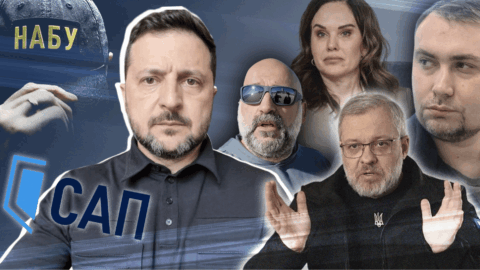

Ukraine’s latest anti-corruption investigations have exposed a deep political crisis where powerful figures remain untouched despite high-profile cases linked to NABU and SAPO operations.
Allegations involving senior officials, MPs, and close presidential associates point to a system where influence is preserved, accountability is absent, and pressure on investigators persists. Even as European partners call for reforms, political elites show little willingness to cooperate or self-reform. Instead, internal networks of loyalty appear intact, while key questions about corruption cases, property, and financial flows remain unresolved. Against the backdrop of war and stalled reforms, Ukraine’s governance system faces growing doubts about transparency, responsibility, and real political change.
UP investigates.
Abuse of power under martial law quite predictably led, at the end of last year, to the largest political crisis not only since the full-scale invasion, but also since the beginning of President Volodymyr Zelenskyy’s unrestricted term.
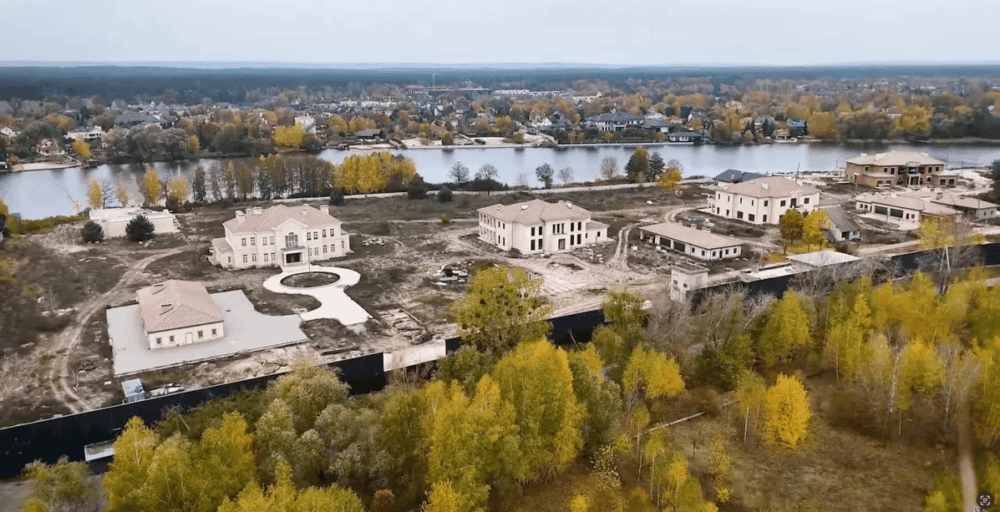
Despite the fact that since mid-2022 politicians, journalists, and concerned citizens had repeatedly warned Bankova: a governance system built on godfathers, party friends, and their trusted associates inevitably leads to corruption — the new political generation failed to learn the lessons of its predecessors. As a result, on the most valuable land in Ukraine, in the capital’s Kozyn, four mansions were built during the full-scale war — each covering approximately 1,000 square meters.
In political circles, this has long been no secret: four associates envisioned a shared lifestyle on such a scale that it became a subject of discussion in itself. However, NABU and SAPO still appear to be at the stage of collecting evidence, and it remains unclear whether they will be able to bring the case to completion.
Meanwhile, the owner of the largest of the houses may enjoy de facto immunity from anti-corruption prosecution, at least for as long as he remains in office.
Back in July 2025, according to Ukrainska Pravda’s sources in political circles, the attack on the independence of NABU and SAPO began with an emotional and demonstrative remark by the president: “They went after the family.”
Just a few months later, this logic turned painfully against him: three of his closest friends found themselves at the center of high-profile corruption scandals at the highest level.
The way out of the situation proved to be just as abrupt as its beginning: the president publicly distanced himself, stating that during wartime “there are no friends.” But the question remained: do they truly not exist, or has the method of protecting them simply changed?
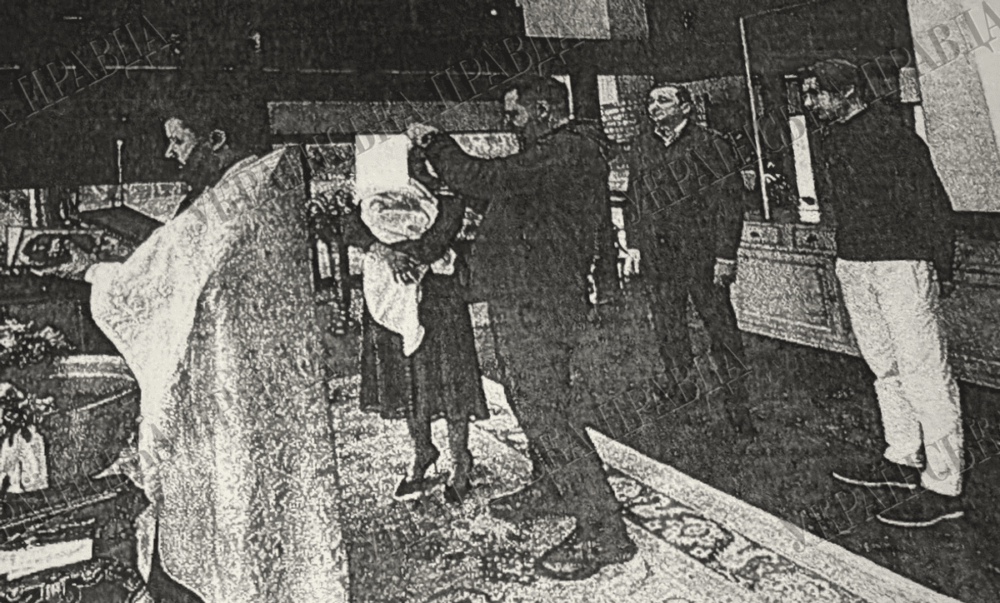
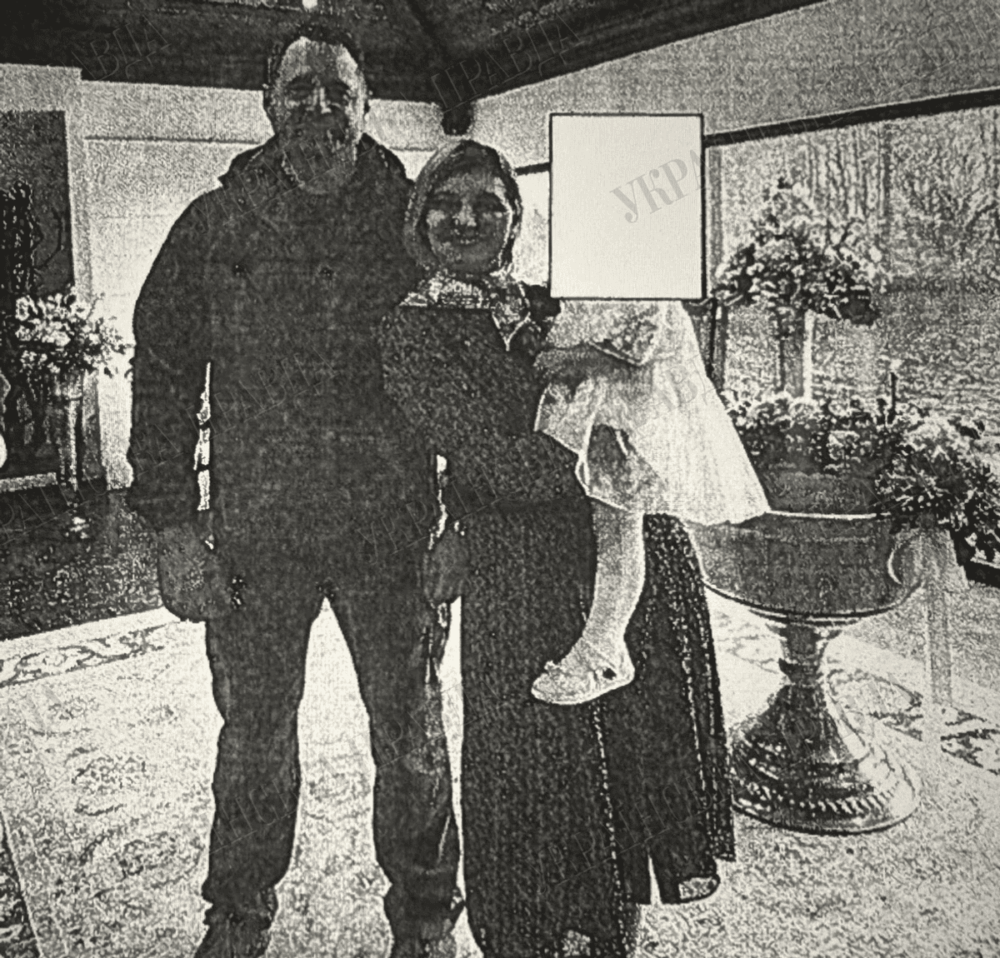
It seemed that the excessive greed of the political center, which in its sixth year of rule was already concentrating power not out of necessity but by inertia and a sense of impunity, was about to turn against itself. A symbol of this, for example, was the so-called “Ministry of National Unity,” created for a specific individual — a godfather of the presidential family, Oleksii Chernyshov.
There was an illusion that at this very moment the parliament, humiliated by the July vote, would finally attempt to take revenge. But that did not happen.
On the eve of the New Year, a month after searches were conducted at the residence of the head of the Presidential Office, Andriy Yermak, NABU and SAPO unexpectedly arrived at the cradle of Ukrainian parliamentarism.
Thus, another close Kryvyi Rih associate of Volodymyr Zelenskyy, Yuriy Kisiel, along with a number of MPs from the president’s faction, received notices of suspicion for participation in a criminal organization which, according to investigators, distributed bribes to MPs in exchange for discipline. As a result, a large portion of deputies effectively lost the ability to fulfill their constitutional duties for nearly four months.
Consequently, Ukraine’s parliamentary-presidential republic entered 2026 not only with power and heating outages — the result of Russian strikes and failed preparation of the energy system — but also with increasingly overt suspicions of total corruption in both centers of power. This appeared especially dangerous given the complete absence of any foreseeable elections.
Despite tangible expectations, including within the ruling elite itself, the political shock caused by NABU’s work did not become a turning point for reflection. It led neither to increased accountability, nor to efforts to correct mistakes, nor to attempts to limit the excessive concentration of power through reforms insisted upon by European partners.
Government representatives, in conversations with EU officials, found nothing better than to blame those who exposed corruption for corruption in Ukraine. Yermak, instead of focusing on the front, embarked on a second ascent to the political Olympus through legal advocacy. Meanwhile, parliament focused on negotiations over security guarantees — security guarantees for the parliament itself.
Although holding presidential and parliamentary elections during a full-scale invasion is impossible, the president and members of parliament effectively remain among the very few citizens of Ukraine who, even under martial law, still retain some room for choice.
However, since in the fourth month of the new year the scorecard of necessary reforms still shows something entirely opposite to a “turbo mode,” this choice appears to have already been made. But there is a nuance.
Ukrainska Pravda attempted to find out how Tymur Mindich, in the final stage of the NABU and SAPO operation tellingly named “Midas,” could turn out to be “Dionysus,” why those involved in the operation are still not turning on one another, and where the suspicion against Yermak might have disappeared.
New Season with Familiar Faces
When Dionysus was traveling the world, his companion Silenus fell behind and fell asleep in a rose garden. The gardeners of King Midas captured him and brought him to their ruler. Midas welcomed the guest and for several days listened to his stories about distant lands and wonders. Then he released him, sending him back to Dionysus.
As a sign of gratitude, the god promised to grant one wish. Midas asked that everything he touched would turn to gold. At first, he rejoiced: stones and flowers gleamed in his hands.
But soon even food and drink turned to gold. Frightened, the king began to beg to be freed from the gift. And Dionysus ordered him to bathe in the river Pactolus River — where Midas rid himself of his destructive power.
The most influential participants in Ukrainian political life will easily recognize parallels with the present day in this myth. Tymur Mindich, who, according to many close to the president, was far more than just a co-owner of Kvartal 95. Oleksii Chernyshov, who not only made a meteoric rise to the position of Deputy Prime Minister of Ukraine, but also became a confidant of the president.
How “Dionysus” may have advised another guest of the “gardens” of power, Energy Minister Herman Halushchenko, the country has already heard thanks to recordings published by anti-corruption investigators. And how Ukraine’s energy sector could have been turning into “gold” in accounts in exotic offshore jurisdictions is described in official statements by National Anti-Corruption Bureau of Ukraine and Specialized Anti-Corruption Prosecutor’s Office regarding suspicions against members of an organized group.
Despite the fact that many of the sources interviewed by Ukrainska Pravda in political circles sarcastically described the president’s staffing decisions in early January as a new season of the old TV series Servant of the People, those same people until recently had at least hoped for Andriy Yermak to fade into oblivion. And they placed slightly greater hopes on a notice of suspicion against the one who had been “forgotten.”
Nearly five months after the resignation have brought neither oblivion nor accountability. Key figures have remained in their positions — appointed more on the basis of loyalty than professionalism.
Andriy Yermak continues to consolidate his influence, taking advantage of the absence of operational competition and alternative centers of decision-making. According to Ukrainska Pravda’s sources in political and business circles, he not only has a full understanding of the internal processes within the Presidential Office, but also retains decisive influence over most of the appointees who appeared there during Andriy Borysovych’s tenure.
In effect, this amounts to control over the majority of the top state apparatus.
“One signal from the president, and everyone would stop answering AB’s calls. But that signal isn’t there. On the contrary, there is a signal confirming Andriy’s authority,” a Ukrainska Pravda source in political circles emphasizes.
“Yermak is gone — but he is still there. Now he just needs to send not 10 text messages, but 5. Everything else will be handled by trusted people,” another interlocutor within the power vertical insists.
“Syrydenko is in place. Kuleba is in place. Kravchenko is in place. Pronin is in place. Even Kiper is in place. The GUR is an A.B. creation. The selection process for the head of the Foreign Intelligence Service is also A.B. What has changed after Yermak’s resignation? Did Budanov come to the Presidential Office? Well then let him try to change any of his deputies — more precisely, Yermak’s deputies,” another political heavyweight argues.
Yermak, who at one point appointed not only Ukraine’s national football team head coach but even the president of the chess federation, according to numerous Ukrainska Pravda sources, has indeed stepped into the shadows, but not out of the Presidential Office.
“Try getting access to all brigades or entering the Bar Association without the president’s approval,” one experienced political figure remarks ironically.
“We thought the problem was Yermak, and so we fought Yermak — but it was the president,” one senior member of Zelenskyy’s team stated off the record to the author of this piece two months after the head of the Presidential Office was dismissed.
That is why representatives of the political establishment, who once saw the appointment of General Kyrylo Budanov as a chance to reset the power vertical and cleanse it of the “friends of Sullivan’s friend,” increasingly explain the current staffing reshuffles not through the logic of state governance, but through the logic of a scripted TV series.
“Replaced the negative character with a positive one, the president tried to bring back audience favorites from previous seasons (meetings with Oleksandr Kubrakov, Dmytro Kuleba, and others),” one veteran political insider remarks ironically.
The majority of sources interviewed by Ukrainska Pravda agree: the atmosphere in the Presidential Office has indeed become “easier to breathe” — Yermak no longer monopolizes access, and queues of visitors have returned to the new head of the presidential administration, people who had long been filtered out by the system.
However, this apparent deconcentration of influence may turn out to be more of a tactical illusion than a structural change. The assumption that Andriy Borysovych has lost control over the very “ventilation” mechanisms appears, at the very least, premature.
That is why the former chief intelligence officer of the country, already within the first 100 days after his appointment, has been forced to act not only as an administrator but also as a political counterintelligence analyst — mapping the zones of his predecessor’s influence and trying to separate formal changes from real centers of power.
As follows from Ukrainska Pravda sources close to Budanov, the results of this audit give little reason for optimism. At the same time, for Yermak himself, the new configuration appears to only expand his field of opportunities.
According to sources in political circles, he continues to think in terms of institutional entrenchment of influence — including through a potential election as head of the Bar Council of Ukraine and entry into the High Council of Justice.
Suspicion for the Best Supporting Role
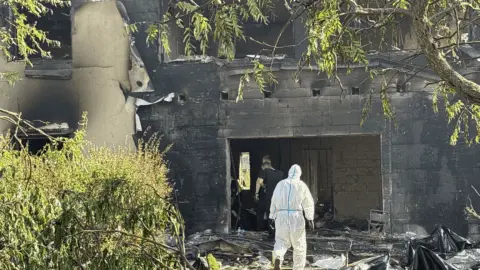
According to sources of Ukrainska Pravda in law enforcement agencies, recently the National Anti-Corruption Bureau of Ukraine and Specialized Anti-Corruption Prosecutor’s Office once again carried out searches in the city center at the already legendary address — Hrushevsky Street 9A. It was at this same location that, in November last year, law enforcement officers searched properties linked to Tymur Mindich.
Why did anti-corruption investigators need to conduct repeat searches five months after the first ones?
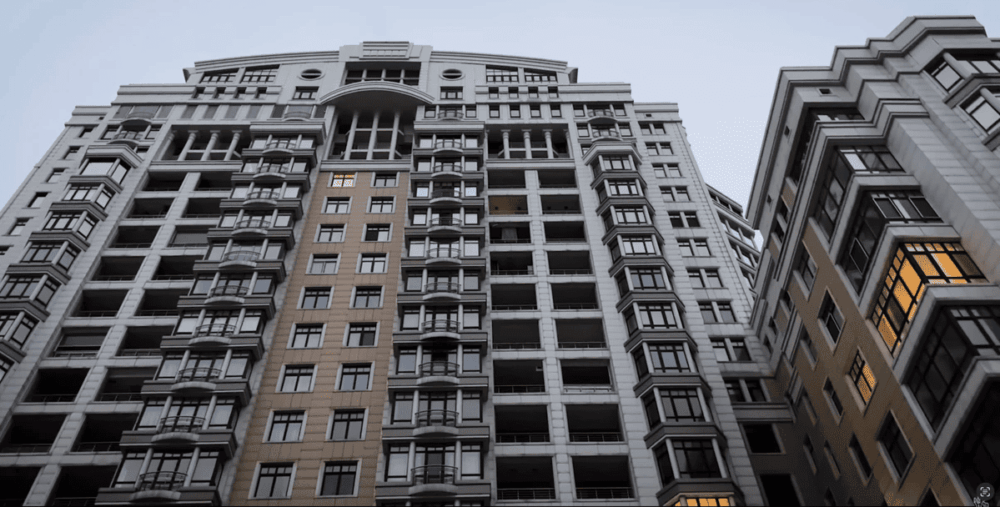
According to Ukrainska Pravda sources in political circles, Tymur Mindich also received a summons to the High Anti-Corruption Court of Ukraine. However, this time his name was not the only one in the court documents: a summons to the hearing was also issued for Andriy Yermak.
This is the first publicly recorded case in which the former head of the Presidential Office appears in the same context as another figure close to Volodymyr Zelenskyy in a case related to the “Midas” operation, which concerns possible abuses in the energy sector.
According to Ukrainska Pravda sources within the security bloc, the hearing at the High Anti-Corruption Court concerned the imposition of an arrest on property within the framework of a criminal investigation.
Separate attention is drawn to the, to put it mildly, unusual list of items seized during the searches. According to the same sources, these were not phones, laptops, or other data carriers, but remote controls for household appliances, personal hygiene items, shoes, and clothing. Such a specific set of seizures may indicate preparations for biological forensic examinations aimed at establishing the belonging of these items to specific individuals. And this is only one possible dimension of the story.
At the same time, neither Mindich nor Andriy Yermak appeared at the High Anti-Corruption Court hearing. If Mindich’s absence has an obvious explanation — according to sources, he left the country ahead of the searches carried out by NABU and SAPO and is currently in Israel — the reason for Yermak’s non-appearance remains unclear.
And this raises a broader question: could the very fact of his summons to court indicate an attempt by investigators to determine whether the items seized during the search at the apartment on Hrushevsky Street 9A belong specifically to the former head of the Presidential Office?
Even more attention, in the editors’ view, should be paid to the question: why would anti-corruption investigators need to establish whose belongings were found at Tymur Mindich’s property, or whose fingerprints are on these items? Could such actions by law enforcement suggest that Mindich may have provided or gifted one of his apartments to Yermak?
Perhaps the answer to this question lies 30 kilometers away from the scandalous house — within the territory of a cooperative with the telling name “Dynasty.”
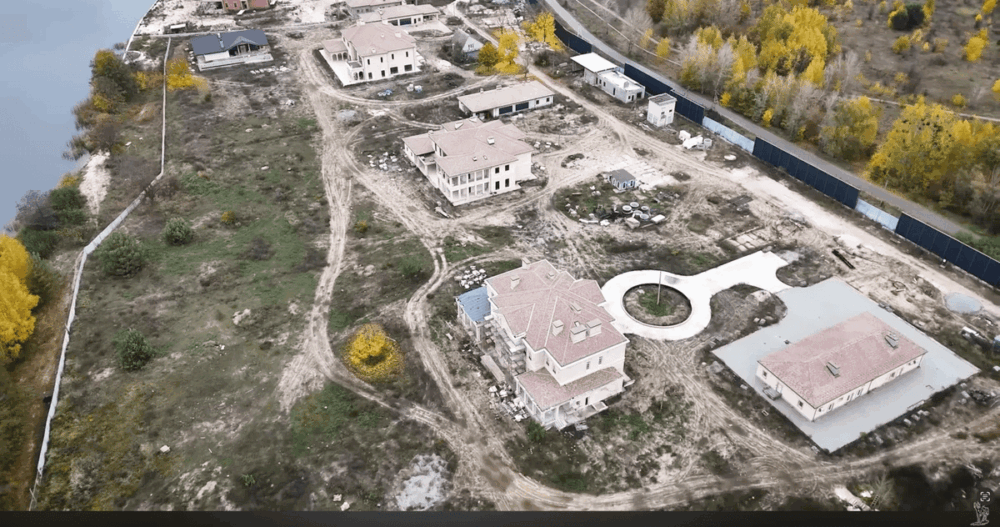
In July last year, after the Minister for the Return of Ukrainians, Oleksii Chernyshov, was “brought back” to Ukraine from across the country in order to receive a suspicion notice from NABU and SAPO, colleagues at Bihus.Info published an investigation into a gated cottage settlement. It turned out that its construction began in 2019 and continued throughout the full-scale invasion, carried out by companies and individuals linked to Chernyshov himself.
Following the publication of the investigation, NABU and SAPO opened another criminal proceeding — in which the former Deputy Prime Minister also appears as a suspect. According to Ukrainska Pravda sources in anti-corruption bodies, the construction of these mansions was overseen by Oleksii Chernyshov — first as Minister for Regional Development, later as CEO of Naftogaz of Ukraine, and subsequently as Deputy Prime Minister.
However, the reasonable suspicion concerns not only the construction itself, but also the possible criminal origin of the funds. According to journalists, the estimated cost of each mansion may reach up to ten million US dollars.
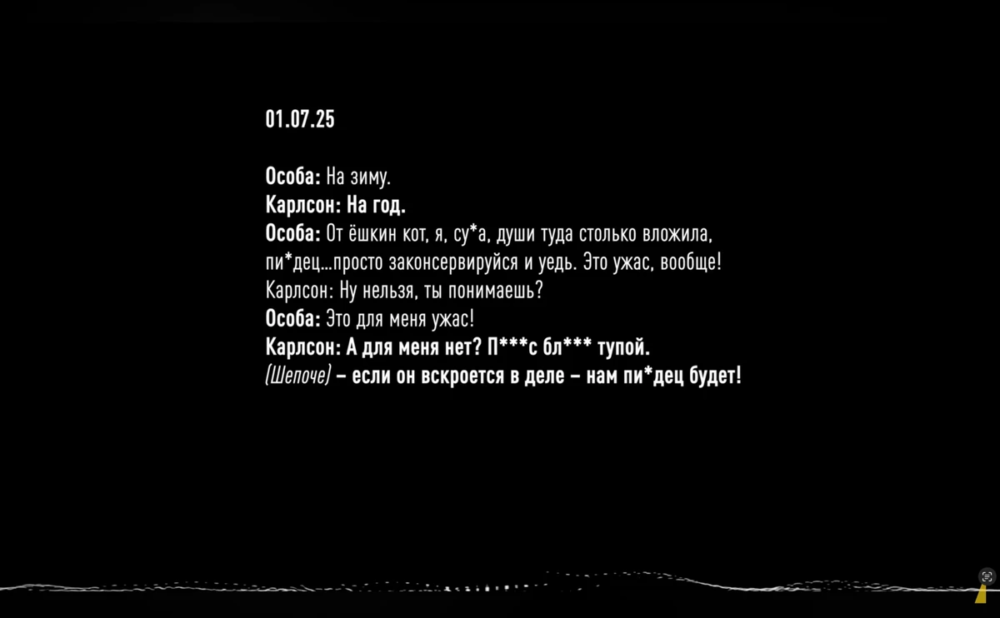
In November last year, when the “Midas” operation entered the public domain, National Anti-Corruption Bureau of Ukraine and Specialized Anti-Corruption Prosecutor’s Office published the so-called “Mindich tapes,” from which it became known that:
– A person whose voice resembles that of Oleksii Chernyshov discusses receiving large sums of money in the office of individuals involved in the case.
– A person whose voice resembles that of Tymur Mindich discusses freezing construction works and risks to the project linked to the exposure of Oleksii Chernyshov by anti-corruption authorities.
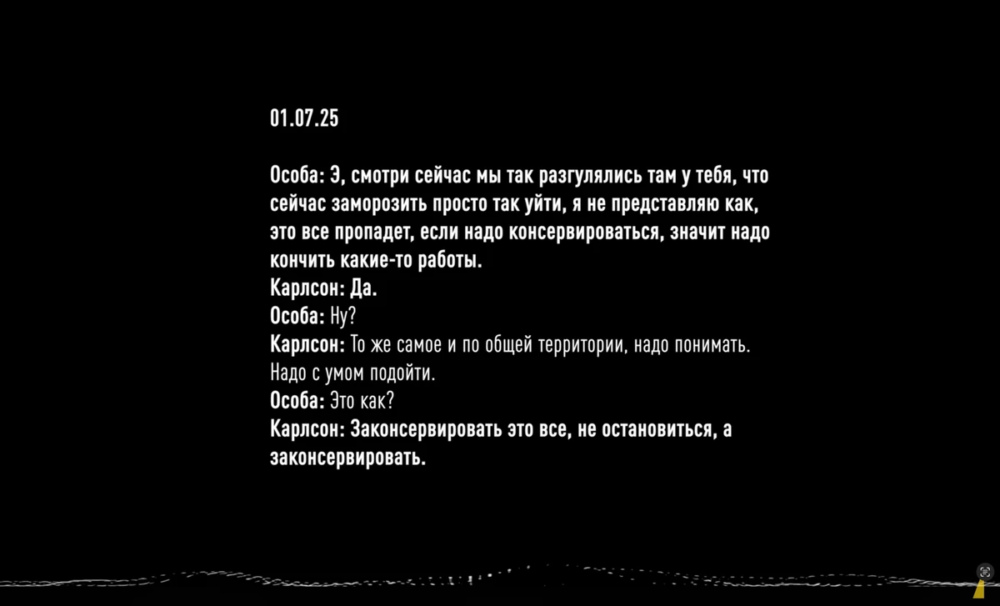
Based on the already published official investigative recordings, it can be assumed that Chernyshov may have built four mansions in the “Dynasty” cooperative in Kozyn using funds provided by Tymur Mindich.
The origin of these funds and the ownership of these four houses still remain a mystery.
In political and business circles, long before journalistic findings emerged, there had been talk that Oleksii Chernyshov was allegedly building several mansions on the outskirts of Kyiv — for himself, Mindich, Andriy Yermak, and President Zelenskyy. However, at the time this was perceived more as informational noise or yet another information-psychological operation rather than something requiring serious attention.
Ukrainska Pravda sources in anti-corruption bodies do not publicly comment on possible episodes involving Yermak. But in informal conversations they repeat that the “Midas” operation could have progressed significantly faster under three conditions.
First, if the State Financial Monitoring Service of Ukraine, headed by Filip Pronin (appointed and dismissed by the president — UP), had cooperated and disclosed the movement of funds linked to the suspects.
Second, if NABU and SAPO had their own forensic institution — a requirement set by the European Union to accelerate Ukraine’s accession process.
And third, if officials connected to the suspects had not exerted pressure on the investigation but instead supported it.
Which of these factors could be decisive in whether Andriy Yermak receives a suspicion notice after the searches carried out by NABU and SAPO at the end of November last year remains unknown.
An interesting detail: Ukrainska Pravda sources close to the President’s Office, speaking off the record, say that anti-corruption bodies have managed to confirm the use of numerologists and astrologers by Yermak before certain state decisions were made, including key appointments.
The editorial team sent a request to Andriy Yermak but had not received a response by the time of publication.
Conversion of the Mono-Majority, or We’ll Get Them “Together”
Another key case for the country, which began loudly at the end of last year and has now completely disappeared from the information space, concerns alleged cash payments to MPs in envelopes.
At the end of last year, Ukrainska Pravda reported that, as part of an National Anti-Corruption Bureau of Ukraine and Specialized Anti-Corruption Prosecutor’s Office investigation into an organized criminal group, suspicions were served to MPs from the “Servant of the People” party — Yevhen Pyvovarov, Ihor Nehulevskyi, Olha Savchenko, and Yuriy Kisiel, whose office, according to sources cited by Dzerkalo Tyzhnia, had been wiretapped by law enforcement and even recorded on video.
Yuriy Kisiel is a close and long-time associate of President Volodymyr Zelenskyy. It was Kisiel who purchased the president’s residence when he moved to a state dacha. Kisiel also employed the son of another close associate and former first assistant to the president, Serhiy Shefir.
After those searches and suspicions, what some described as a parliamentary crisis allegedly began. According to Ukrainska Pravda sources in political circles, it went as far as Deputy Prime Minister for European Integration of Ukraine Taras Kachka reportedly telling European officials in Brussels that anti-corruption bodies had “broken the parliament.”
According to Ukrainska Pravda interlocutors within National Anti-Corruption Bureau of Ukraine and Specialized Anti-Corruption Prosecutor’s Office, the total number of members of parliament potentially involved could exceed 150 MPs from the presidential faction.
Later, the author of this article repeatedly heard from various sources in political circles that MPs were allegedly afraid to vote, because anti-corruption investigators could hold them criminally liable specifically for voting. However, a senior source within these bodies emphasizes that the case concerns “exclusively possible bribery, not voting itself.”
Be that as it may, four months after the first five suspicions were served to MPs, no additional charges have been brought against any other members of parliament.
Last week, the heads of NABU and SAPO denied any agreements in the case, stressing that the investigation is ongoing and that more than 20 MPs have already been questioned. Meanwhile, the outlet Dzerkalo Tyzhnia reported that this time the investigation may be obstructed by Prosecutor General Ruslan Kravchenko — described as a loyal appointee of Yermak–Zelenskyy.
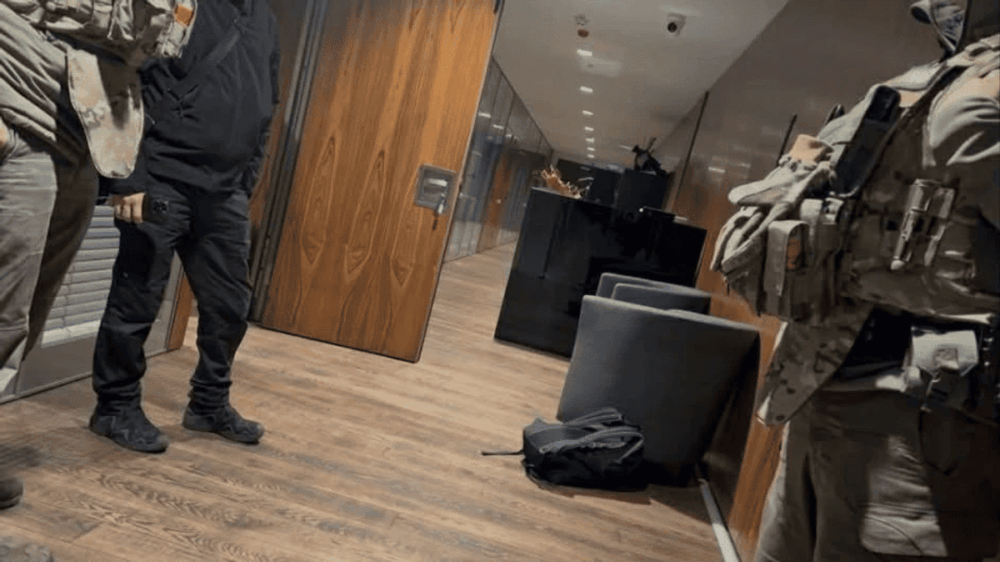
According to Ukrainska Pravda sources in law enforcement agencies, on 27 December last year, when NABU and SAPO conducted searches of MPs, investigative actions also took place involving an assistant to the head of the presidential faction, David Arakhamia. However, it remains unknown whether any evidence was found implicating individuals directly connected to the faction leader or the leader himself.
Will Spring Reveal Who Stole What?
Although it is still too early to draw final conclusions in the first and second cases, the interim observations already look fairly obvious.
None of those at the top of the political food chain show any willingness to strike deals with investigators. No one is prepared to turn in their own. And no one is in a hurry to stop exerting pressure on the investigations carried out by National Anti-Corruption Bureau of Ukraine and Specialized Anti-Corruption Prosecutor’s Office. The question is: why?
Of course, things could have looked different. After a series of high-profile corruption scandals, the authorities could have moved quickly toward reforms. They could have limited their own influence and reduced corruption risks.
Then it would have been possible to say that the worst is behind us — along with the new palaces in Kozyn, the “barriers,” and shadow “back offices.”
But as long as Ukrainian society risks never learning who actually posted bail for Oleksii Chernyshov, where the suspicion against Andriy Yermak is, and whose money was used to pay MPs in envelopes, the situation looks different.
The demands of European partners for reforms increasingly resemble a proposal for the authorities to defeat themselves. Or, in their own language, to “do” themselves.
And defeating oneself is not part of Ukrainian political tradition — far removed from ancient Greek myths of “Midas,” just as Ukraine is far from elections.
Tags: corruption Eastern Europe EU integration featured-1 governance nabu rule of law war accountability Zelensky government