Brave1 launched an engineering competition for students to create perching drone attachments. Winners develop prototypes, integrate with drone platforms, and conduct flight tests, promoting defense tech innovation.
The Brave1 Defense Innovation Cluster has announced an engineering competition for students to create an attachment for FPV drones. According to Oboronka, this was reported by the Brave1 press service.
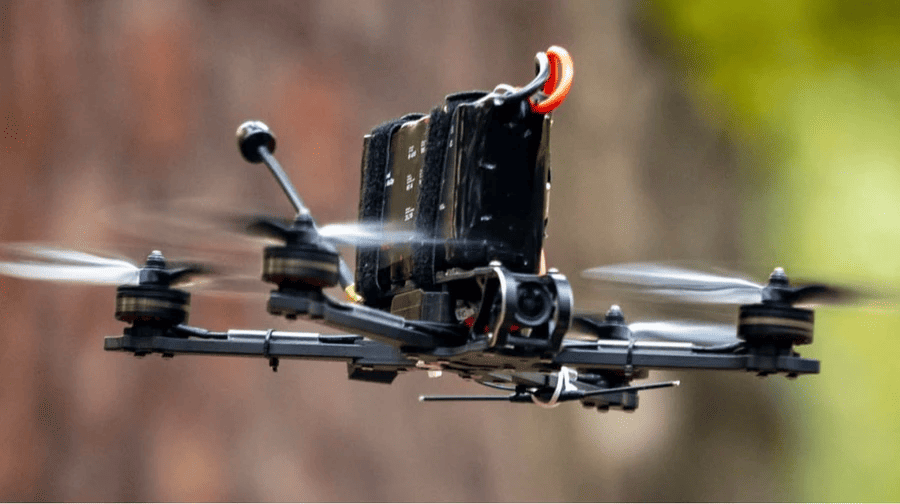
The project, called “Brave Students: Drone with Claws,” aims to develop technology for so-called “perching” drones. It involves an external mechanical attachment for FPV drones that enables landing and securing the drone on natural and artificial surfaces at height.
“The drone must be able to hold itself without consuming energy and perform a controlled release to continue flight,” the statement reads.
To participate in the competition, student teams from pre-tertiary and higher education institutions of up to five members must submit a project description of their solution. Teams can be formed with members from different institutions.
Selected teams will present physical prototypes of their attachments on March 14. If the demonstration is successful and the solution’s functionality is confirmed, the teams will receive a month of collaborative work with a leading drone manufacturer to integrate the attachment with the platform and conduct full flight tests.
According to the competition results, teams will go through several selection stages, including registration and completion of a preliminary task, development of physical prototypes, and presentation of their solutions. Drone manufacturers will choose teams whose designs have practical application potential. Winners will be determined based on the results of flight tests. The prize fund is 90,000 UAH.
Registration is available via the provided link. The application deadline is February 12, 2026, at 23:59. Selection results will be announced on February 13.
As Brave1 notes, the competition marks the launch of a new initiative for collaboration with students, educational institutions, and Brave Students manufacturers.
“The goal of this track is to turn the academic environment into a source of engineering teams, specialists, and applied solutions for the defense tech sector,” Brave1 said.
Brave1 also supports Ukrainian solutions to counter aerial threats. In particular, the cluster awarded a grant to Sky Hunter to refine the guidance system for interceptor drones targeting Shahed UAVs and helped attract private investment into the company’s Ukrainian legal entity.
Meanwhile, in the Czech Republic, a “perching” strike drone with fiber‑optic control has been developed for Ukraine. The UAV can be operated via optical fiber or in radio mode, is resistant to electronic warfare, and is capable of carrying several kilograms of explosives.
Tags: BRAVE1 competition drone innovation EMPR.media FPV solutions prize fund 90000 UAH student contest









![Visitors at the “Thank You With All My Heart” Ukrainian exhibition at the Council of Europe, featuring the Great Amber Heart and powerful war art. :contentReference[oaicite:2]{index=2}](https://empr.media/wp-content/uploads/2026/02/heart-300x171.png)