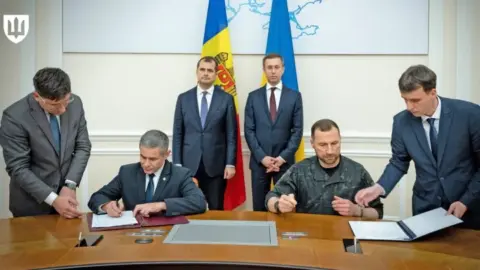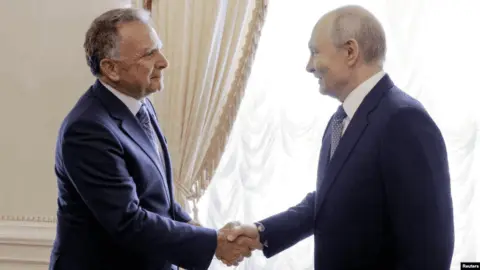
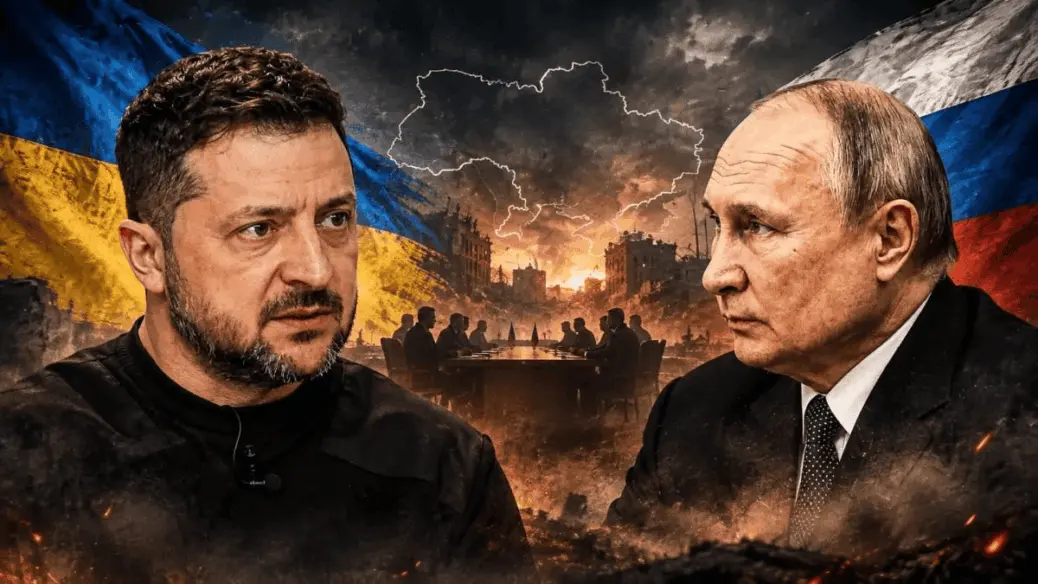
Ukraine and Russia, with the United States acting as a mediator, will hold a new round of trilateral talks on November 10–11 in Abu Dhabi. The discussions are expected to focus on security arrangements, de-escalation, humanitarian issues, and further steps toward a peaceful settlement.
Glavred has looked into what is known about the upcoming talks, which issues the parties plan to discuss, and what Ukraine expects from the meeting.
What Ukraine, the US, and Russia Will Discuss
US President’s Special Envoy Steve Witkoff said on social media platform X that the US side would mediate the talks at the working level. He noted that the discussions would focus on post-war security arrangements, de-escalation, and humanitarian issues. The participants are also expected to determine the next steps toward reaching a peace agreement.
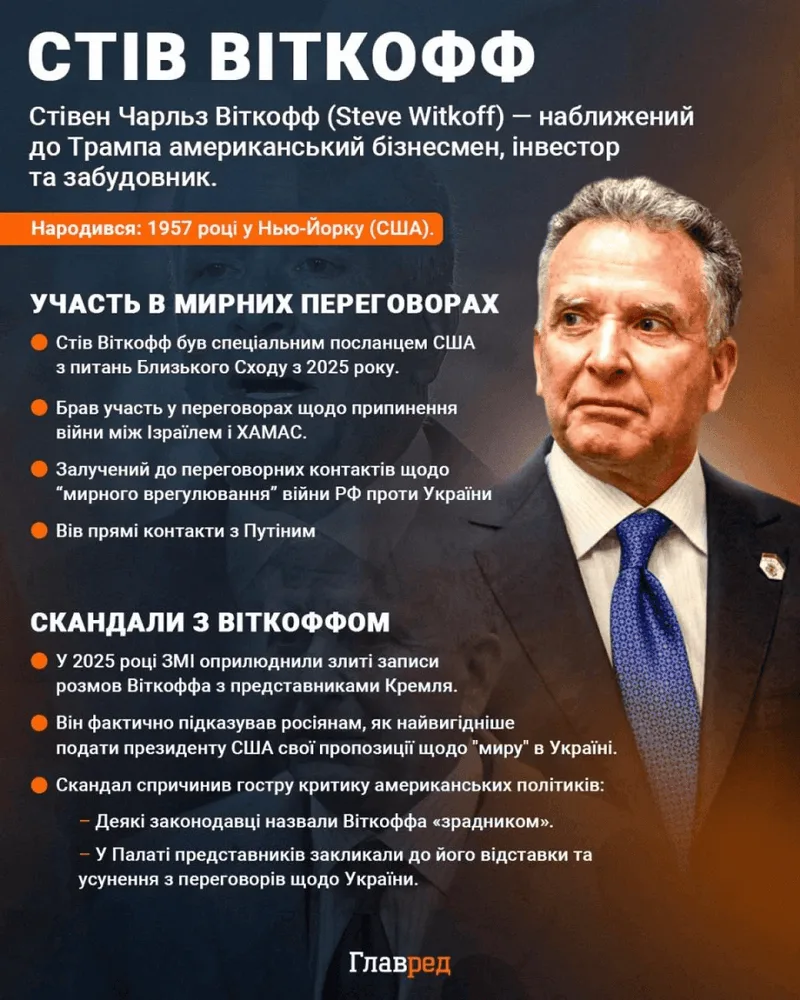
The US representative emphasized that Washington hopes to continue the work previously carried out in Kyiv, Oslo, and St. Petersburg.
“We look forward to building on the progress made in Kyiv, Oslo, and St. Petersburg toward a comprehensive and lasting peace agreement that ensures lasting security for generations to come,” Witkoff said in a statement.
Who Will Lead the Russian Delegation at the Talks
The Russian delegation will be led by Volodymyr Medynskyy, an aide to Russian President Vladimir Putin. Kremlin spokesperson Dmytro Peskov announced this, according to TASS.
“The Russian delegation will arrive in Abu Dhabi on November 10–11 and take part in trilateral talks. As for the chief negotiator in this process on the Russian side, it remains my colleague Medynskyy,” Peskov said.
According to Peskov, the meeting will address security guarantees for both Russia and Ukraine. The delegation will include representatives of various government agencies, including the Russian Foreign Ministry.
At the same time, Peskov emphasized that the European Union is not expected to participate in the talks, as a trilateral format has been agreed upon. However, the Kremlin spokesperson said that Russia would sooner or later have to discuss the future security architecture with Europe.
Asked whether the delegation might meet with Putin before departing, Peskov replied that no specific plans had been made so far. However, he said that the delegation members regularly brief the Russian leader and receive instructions from him.
In addition, the Kremlin spokesperson commented on strikes against energy infrastructure. He claimed that protection of Russian energy facilities had been significantly strengthened, although it was impossible to secure them completely. Meanwhile, he said, Russia continues to launch large-scale strikes against Ukrainian infrastructure, claiming that this is necessary to deprive Ukraine of its ability to attack Russia.
Will European Representatives Take Part in the Talks?
According to The Insider, European representatives have not been invited to participate directly in the talks in Abu Dhabi. Ukrainian President Volodymyr Zelenskyy had previously insisted on involving European partners in the negotiations, but Moscow opposed expanding the format.
Putin’s aide Yurii Ushakov previously said that European representatives could travel to Abu Dhabi if they purchased their own tickets, but no official invitations would be sent to them.
Meanwhile, the United States plans to hold separate consultations with its European partners in Brussels. The discussions will focus on security guarantees for Ukraine and the future security architecture in Europe.
How Zelenskyy Responded to the Invitation to Moscow
Amid renewed diplomatic efforts to achieve peace, Russia invited Ukrainian President Volodymyr Zelenskyy to Moscow. The president said he saw no point in either inviting Russian President Vladimir Putin to Kyiv or travelling to Moscow himself. In his view, such proposals only undermine the peace process.
“There is no point in inviting Putin to Kyiv because he will not come… It is destructive. Just as inviting me to Moscow is destructive. It is simply a slap in the face to the entire world that wants this war to end,” Zelenskyy said during a conversation with journalists.
He also commented on the possibility of a phone conversation with the head of the Kremlin. According to the president, such a call would be formal and restrained.
“It would be a very formal, dry phone conversation,” the head of state said.
At the same time, Zelenskyy suggested that Putin might give him history lectures during the conversation. Therefore, in his view, the two leaders should meet in person and discuss the war.
The president emphasized that negotiations require effort and a willingness on both sides to reach agreements. In particular, Ukraine would have to explain to the Russian side where it is wrong, since Russia is the aggressor.
How Could a Ceasefire Be Achieved?
Political analyst Volodymyr Fesenko said on 24 Kanal that he sees little prospect of talks between the two presidents. According to him, the Kremlin insists that Zelenskyy call Putin or travel to Moscow, which indicates Russia’s unwillingness to engage in an equal dialogue.
“I don’t see how Zelenskyy and Putin could reach any agreement. These are two people who genuinely hate each other. This idea has absolutely no prospects,” Fesenko said.
The political analyst believes that negotiations between authorized delegations have a better chance of producing results. They could agree on a sectoral ceasefire, followed by a ceasefire along the front line.
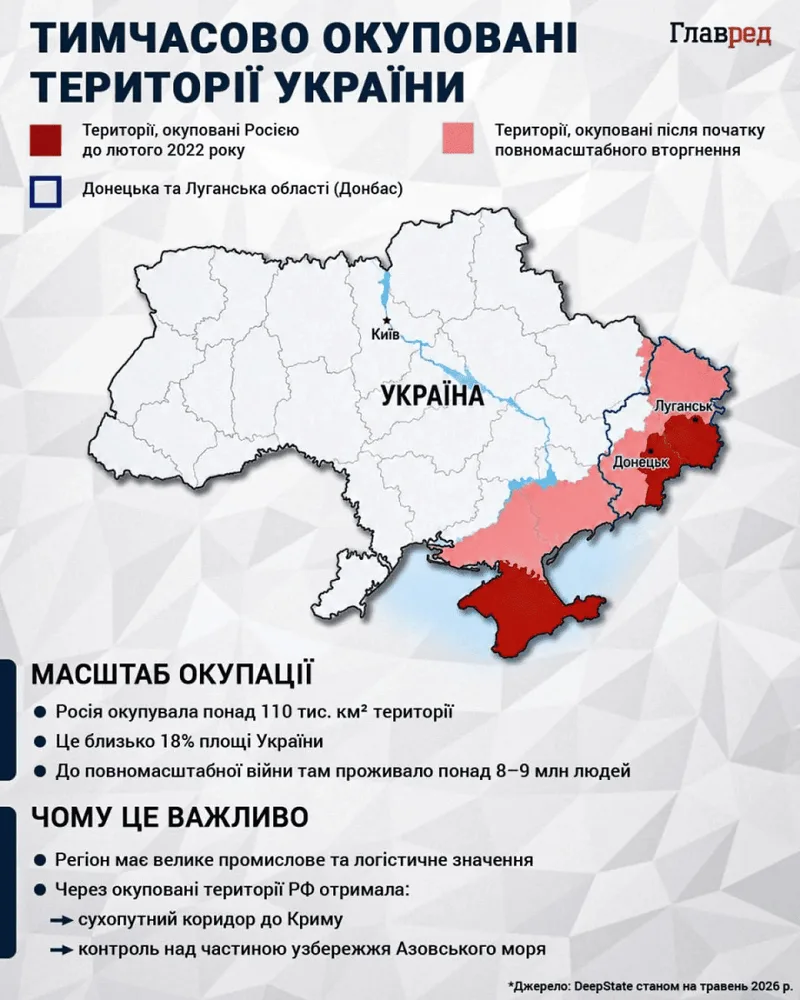
Fesenko also supported the idea of involving Turkey and the EU in the negotiations. In particular, Ankara could help facilitate discussions on a maritime ceasefire.
“The agenda of the trilateral talks between the US, Russia, and Ukraine should include the issue of a maritime ceasefire. This is important,” the political analyst emphasized.
Ukraine’s Priorities in the Talks
During a meeting with German Chancellor Friedrich Merz in Berlin, Zelenskyy outlined the issues Ukraine plans to raise at the peace talks in Abu Dhabi: security guarantees, an end to strikes against energy infrastructure, the reopening of the Black Sea, and exchanges of prisoners of war. Kyiv is also insisting on preparations for a meeting of leaders with Europe’s participation.
According to Zelenskyy, the US side has already expressed its readiness to discuss security guarantees for Ukraine and the Prosperity Package for Ukraine’s recovery. The president outlined four priorities for the upcoming talks on November 10–11.
These include ending strikes against energy and critical infrastructure, reopening the Black Sea for grain exports, stepping up prisoner-of-war exchanges, and preparing for a trilateral meeting at the leaders’ level.
“We hope that work in this format (at the team level – ed.) and our other diplomatic efforts will pave the way for a trilateral meeting at the leaders’ level. Only such a format, at the leaders’ level, can resolve the key issues needed to achieve lasting peace and guaranteed security,” the president added.
Merz Calls for Europe to Have a Seat at the Negotiating Table
German Chancellor Friedrich Merz said that Europe must be involved in shaping a peace agreement on Ukraine. He made the statement during a meeting with President Volodymyr Zelenskyy in Berlin on November 3, according to Politico.
“Europe must and wants to play a role in this process. Key elements of a peaceful settlement – whether sanctions or the security architecture – can only be resolved together with us, the Europeans,” Merz emphasized.
For his part, Zelenskyy said that the US and Russia cannot decide on Ukraine’s accession to the European Union on their own. Such a decision requires the support of European countries.
What Trump and Putin Are Trying to Push Ukraine Into
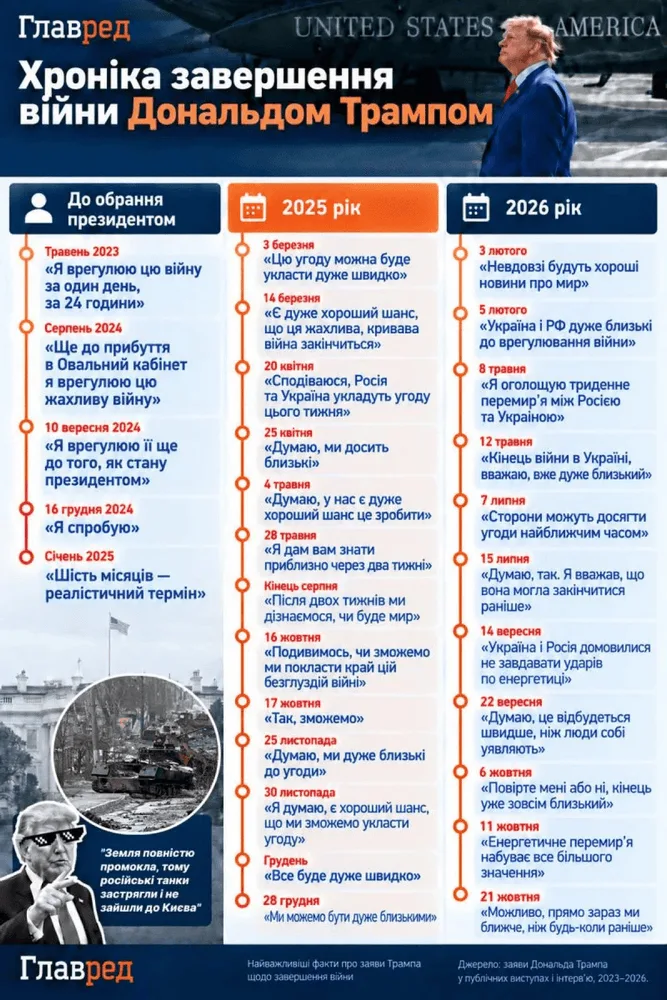
The Hill publication writes that US President Donald Trump and Russian President Vladimir Putin may be seeking to reach a peace deal that would be unfavorable to Kyiv before January 2027. The reasons include political risks facing both leaders and Russia’s deteriorating position as the war drags on.
According to the article’s author, Trump is in a hurry because of the upcoming US midterm elections to Congress. Republicans could lose their majority in the House of Representatives, which would increase the Democrats’ influence over Ukraine policy and make an agreement with Moscow more difficult.
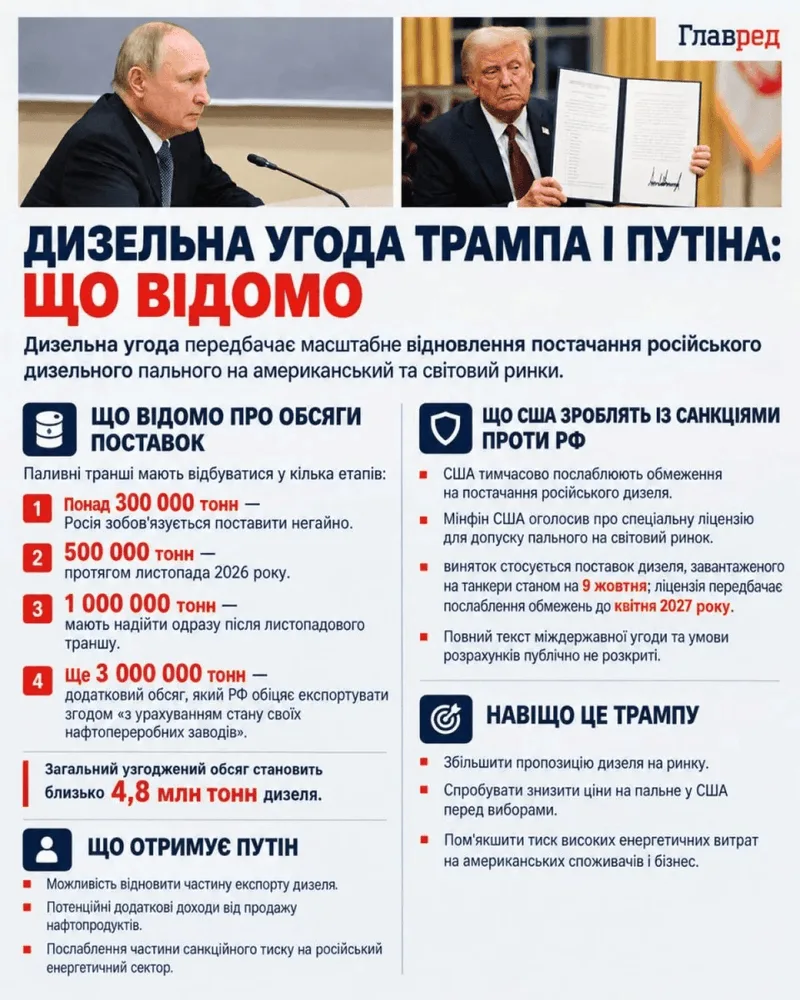
The article also discusses pressure from Washington on Kyiv. In particular, the Trump administration allegedly reached an agreement with Putin on supplying Russian diesel fuel to global markets while simultaneously demanding that Ukraine halt strikes on Russian oil refineries. US officials also warned of a possible suspension of intelligence sharing.
The author also mentions attempts to persuade European countries to transfer frozen Russian assets to a US-controlled mechanism. However, European leaders rejected the proposal.
At the same time, Russia is facing high interest rates and a labor shortage. The publication argues that the Kremlin may not be able to withstand another two years of a war of attrition, making it important for Ukraine and its allies to remain united and ensure that pressure on Moscow is not eased.
What Trump Could Lose as Leverage in Negotiations
Volodymyr Ohryzko, head of the Center for Russian Studies and former Ukrainian foreign minister, said in an interview with Glavred that after the US midterm elections, Donald Trump may ease pressure on Ukraine, weakening Russian dictator Vladimir Putin’s negotiating position. The Kremlin is counting on the US president’s support, but the election results could change the political landscape in Washington.
According to the diplomat, the US and Russia will continue trying to pressure Kyiv into making concessions. However, after the elections, Trump may reduce pressure on Ukraine, making it harder for the Kremlin to insist on its ultimatum-like demands.
“Ukraine will be pressured to make the same concessions as before. Perhaps Trump will do so to a lesser extent after the elections. If that happens, Putin’s demands will also diminish, since Trump is his only hope. If Trump’s position weakens, Putin will no longer be able to make ultimatum-like demands,” Ohryzko said.
The diplomat also noted that Ukraine and its European partners are working to develop an alternative to the US-made Patriot systems.
What Is Known About the Previous Talks in Abu Dhabi
The previous round of trilateral talks involving Ukraine, the US, and Russia took place in Abu Dhabi in early February 2026. At the time, the parties agreed to exchange 314 prisoners of war.
The talks initially took place in a trilateral format, after which the delegations worked in separate groups. Secretary of Ukraine’s National Security and Defence Council Rustem Umerov described the first day of the meeting as substantive and productive.
The current round was preceded by diplomatic contacts in October. Following Witkoff’s meeting with Putin, Russian leader’s aide Yurii Ushakov said that Moscow was ready to resume trilateral talks in the second ten days of November.