
The Real Amazons Lived in Ukraine: Mamay-Hora Mystery and 5 Facts That Break Stereotypes
For a long time, ancient Greek myths about fierce female warriors were considered fantasy. But archaeology has proven otherwise: Herodotus was not wrong. The Amazons likely existed, and they rode across the steppes of what is now southern and eastern Ukraine.
To find their traces, you do not need to search for mythical lands — they lie beneath our feet.
Ukrainian “Valley of Kings” and the Woman from Mamay-Hora
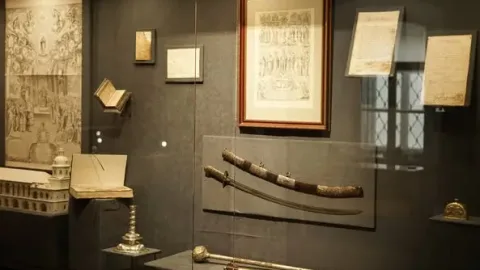
At Mamay-Hora in the Zaporizhzhia region — one of the largest burial mound complexes in Europe, spanning from the Neolithic to the Middle Ages — archaeologists discovered a unique burial of a Sarmatian woman. The find is considered exceptional:
• A bronze mirror with intricate Sarmatian ornamentation was placed beside her. For nomadic cultures, such objects were not ordinary belongings but ritual artifacts linked to solar symbolism and the afterlife. They were often intentionally damaged during burial to “release” their power.
• Over 30 years of excavation, this is only the second intact Sarmatian burial discovered at Mamay-Hora — making it an extremely rare archaeological “time capsule.”
• The site has been heavily affected by erosion from the former Kakhovka Reservoir, which has been gradually destroying the mound complex. Ukrainian archaeologists and volunteers have been urgently rescuing artifacts from collapse.
What We Now Know About These “Amazon Women”
Modern science confirms several striking facts:
1. Genetic reality behind warrior burials
For decades, Soviet and European archaeologists misclassified skeletons buried with weapons as male. Modern DNA analysis has revealed that many were actually women. Around 20–25% of female Sarmatian/Scythian burials contain weapons such as arrows, axes, spears, and short swords.
2. Archery as the great equalizer
Mounted archery allowed women to fight on equal terms with men. Nomadic survival required everyone capable of defending livestock and territory.
3. Battle injuries and motherhood coexisted
Skeletons show healed wounds and long-term horseback riding stress. Yet many women were also buried with infants, indicating they were mothers as well as warriors.
4. The “three kills before marriage” myth
Ancient sources like Hippocrates mention martial customs among Sarmatian groups, but the idea of enforced “three kills” is debated and likely symbolic. The myth of Amazon breast removal is a Greek misconception — anatomically unsupported and historically inaccurate.
5. Steppe fashion, tattoos, and proto-spa rituals
Women wore practical trousers and boots, decorated their bodies with animal-style tattoos, and practiced ritual sauna-like steam baths using heated stones and herbs — described by ancient Greek observers with fascination.
A Reality Behind the Myth
Modern pop culture — from comic book heroines to cinematic warriors — often echoes a historical reality: steppe women who were riders, fighters, and community protectors.
They were not goddesses or legends. They were real women whose bones, marked by war and life on horseback, still lie beneath the Ukrainian steppes.
Tags: Amazons Ukraine ancient female warriors archaeology discoveries Mamay-Hora Sarmatians Scythian warriors ukraine history
![Reconstruction of prehistoric mammoth bone hut near Mezhyrich, Ukraine showing ancient dwellings built by humans during the Ice Age near Kyiv.:contentReference[oaicite:3]{index=3}](https://empr.media/wp-content/uploads/2025/05/house-from-bones-480x270.webp)
![Colorful Ukraine overview with landmarks, culture and historical symbols representing fascinating facts about Ukraine for those who want to know more.:contentReference[oaicite:2]{index=2}](https://empr.media/wp-content/uploads/2023/03/ufl-ukraine-razrusheniya-vojna-480x270.jpg)