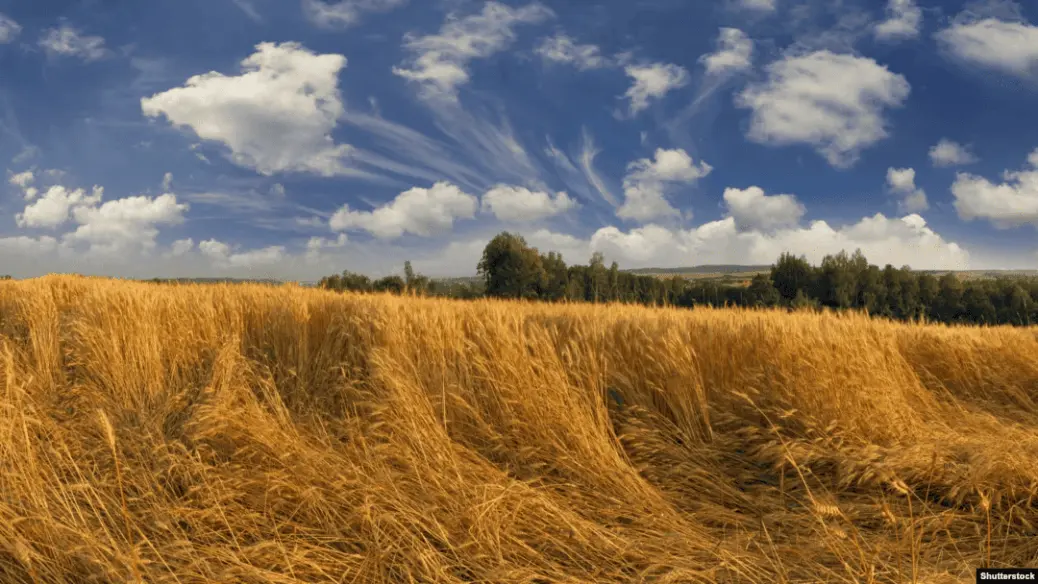
Crimean farmers face mounting losses as fuel shortages, power outages, and blocked export routes leave grain unsold, threatening future planting decisions and agricultural profitability.
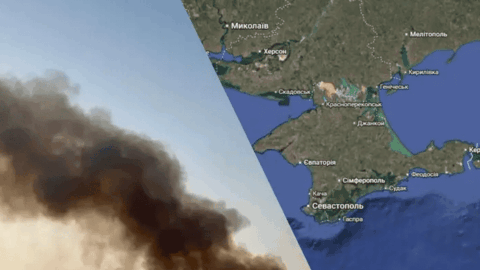
The fuel crisis and logistical problems have pushed farmers in Crimea, annexed by Russia, to the brink of survival. After harvesting their grain at the cost of scarce fuel, they have found themselves unable to sell their crops at reasonable prices. Strikes by Ukraine’s Defense Forces have made it virtually impossible to transport grain out of the Crimean Peninsula. Krym.Realii investigated whether there is a way out of this situation.
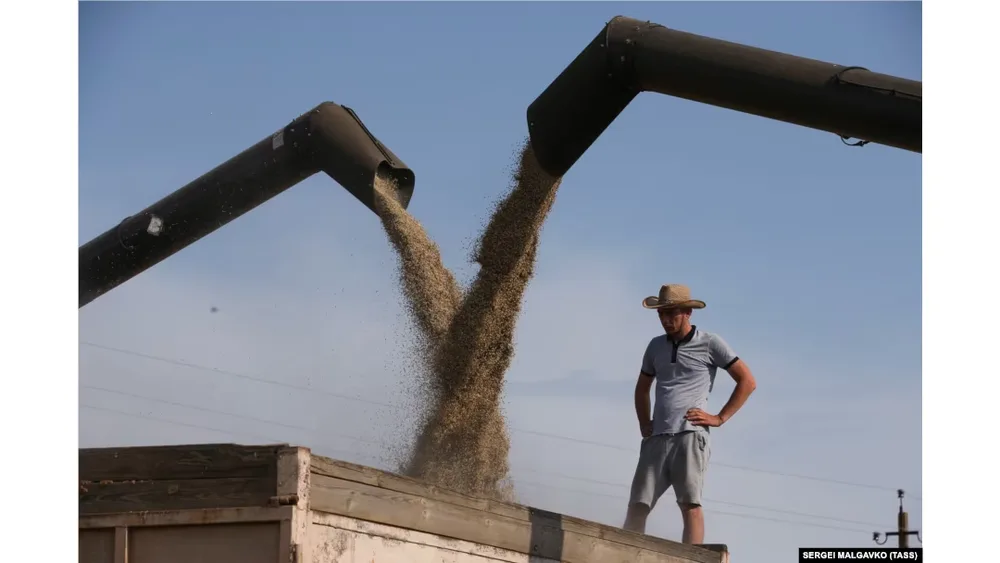
This year, according to local authorities under Moscow’s control, Crimea harvested around two million tonnes of grain. Officials estimated that the harvest had increased by more than 60% compared with last year. However, for many farmers, this was no cause for celebration. Russia’s full-scale invasion of Ukraine has put the sale of this year’s harvest at risk. Logistical difficulties and unreasonable prices have made it virtually impossible to sell the grain.
Grain storage is another problem for Crimea, as regular power outages in the region bring grain elevators to a standstill. This is forcing many farmers to leave their crops in the fields and question whether it is worth sowing grain again next year.
Price Affected by “Hidden Factors”
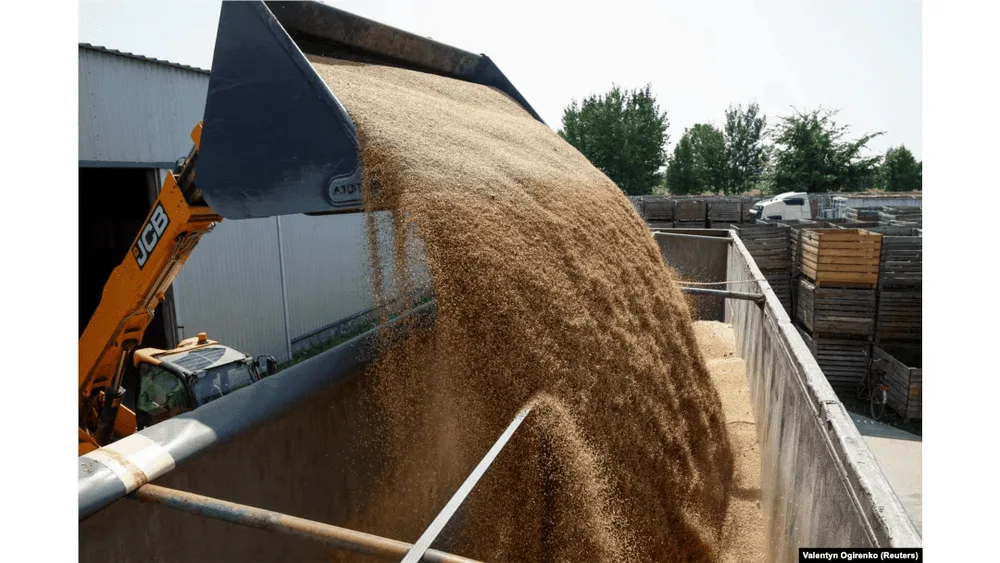
Harvesting this year has been a struggle for many in Crimea. The fuel and energy crises have forced agricultural producers to incur additional costs, paying inflated prices for fuel and using generators to power operations involved in harvesting, processing, and storing grain.
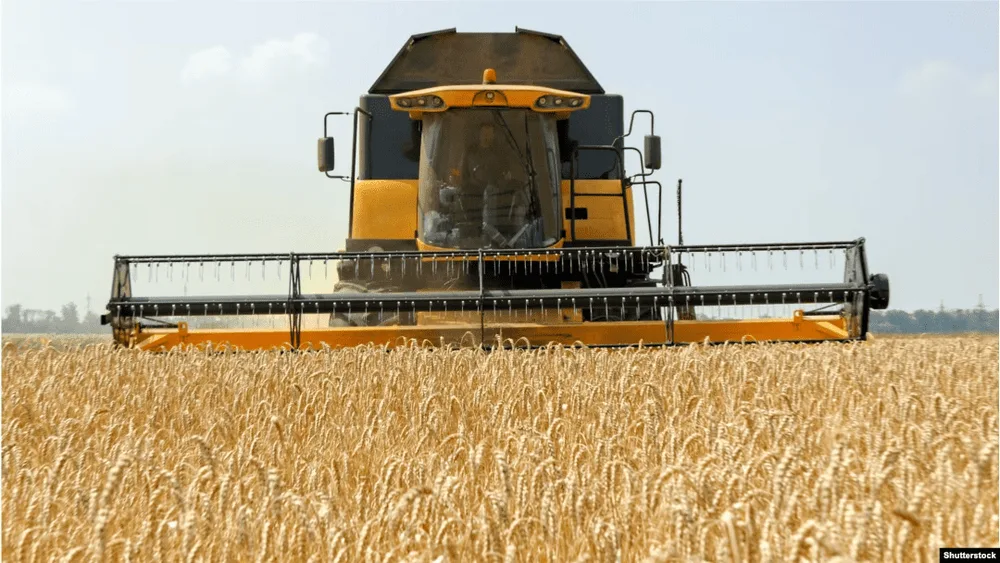
“There are no concerns about quality. This is third- or fourth-grade wheat, not feed grain, which we are seeing across most of the country (neighboring Russia – KR) due to climatic conditions,” says Denys Kratyuk, agriculture minister in the Russian-installed Crimean government.
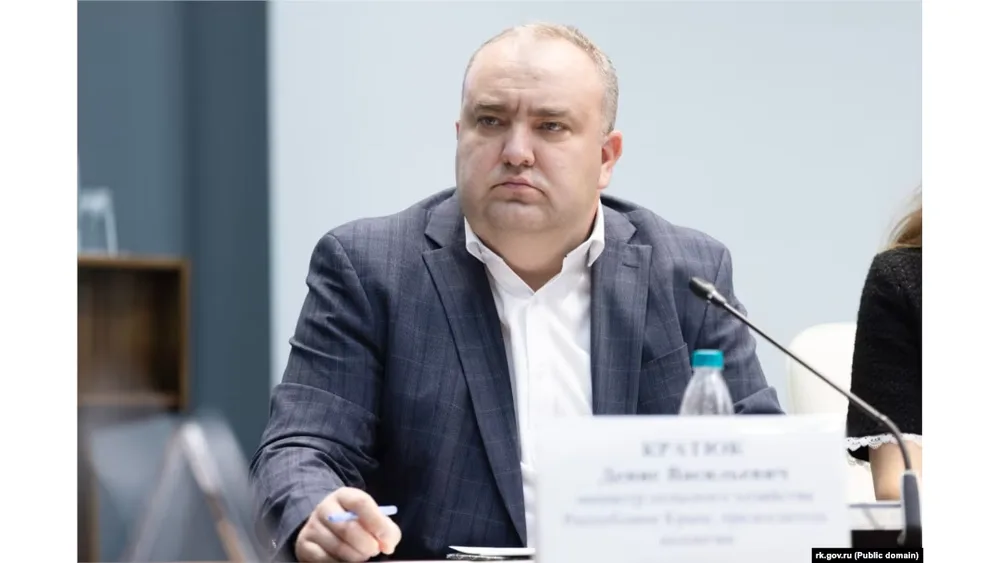
According to him, the districts with the highest grain harvests this year were Simferopol, Krasnohvardiiske (Kurman), and Lenine.
However, agricultural producers’ efforts have not yielded the desired results. Purchase prices are too low for them to sell their grain without incurring losses.
Denys Kratyuk acknowledges the problem. Purchase prices fluctuate regularly due to logistics, the ability to assemble high-quality batches, the timing of grain deliveries to the market, and a number of “undisclosed factors,” he explains.
“A Fair Price Would Be at Least 20 Rubles per Kilogram”
Oleg Zubkov, owner of zoos and agricultural enterprises in Crimea’s Bilohirsk district, describes this year’s grain pricing mechanism as “completely unreasonable.”
“Producers who invest in their work, risk everything, and do not even recover the costs they incur during production should not be treated this way. It is inhumane; it is unacceptable. I will not stop speaking out about this on behalf of all agricultural producers. Today, selling wheat for 10 rubles per kilogram is a stroke of luck for any agricultural producer who has invested 13–15 rubles in every kilogram to grow and harvest the crop,” he says.
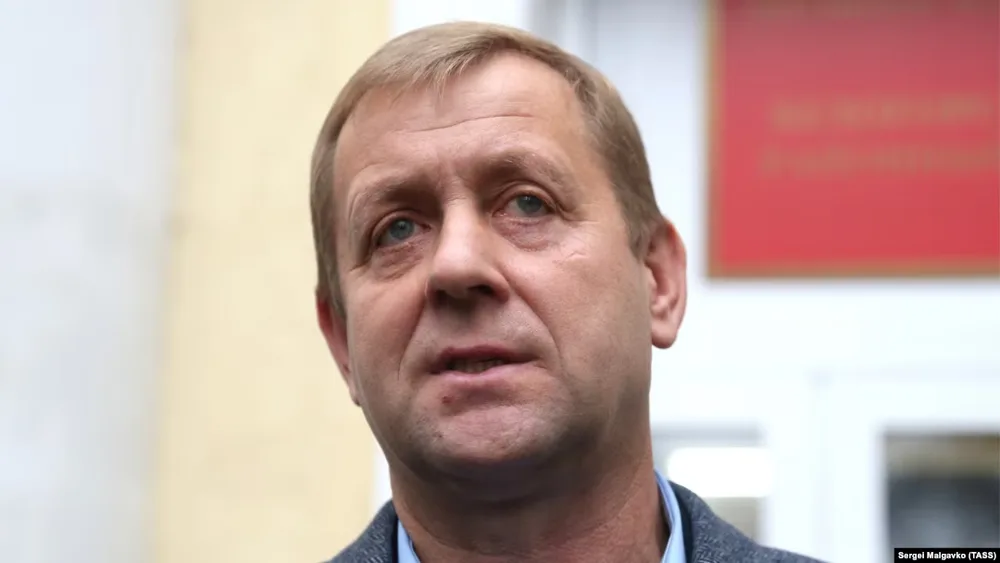
Oleg Zubkov recalled that last year, grain sold for 13–15 rubles per kilogram when diesel fuel cost 70 rubles per liter. This year, given the sharp rise in fuel prices due to shortages and ongoing inflation, he says a fair price for farmers would be “at least 20 rubles per kilogram.”
“But that will probably never happen,” the agricultural producer notes.
Tons of harvested grain are stored at his grain-handling facilities, but he doubts whether selling it under these conditions makes economic sense. Zubkov does not rule out having to process the harvest himself and use it to feed the animals at his zoos.
According to Zubkov, other Crimean farmers are “leaving this year’s harvest in the fields and vowing not to grow grain next year because the prices make it unprofitable.”
“People say fortune favors the bold, but I don’t drink champagne anyway. I chose not to take the risk, and I don’t regret it. Of course, I wondered whether I was making the right decision. But when I started calculating how much this grain would cost me, I realized that losing it now made more financial sense than spending my last money on diesel, only to lose everything anyway. At least I had something left,” the publication quotes the farmer as saying.
“Kneeling Protests” Will Not Change the Situation
The only way for Crimean farmers to sell at least some of their grain this year is to work with intermediaries who are “close” to the region’s Russian authorities, according to the Ukrainian Association of Reintegration of Crimea.
“Grain is purchased from producers exclusively by intermediaries with close ties to the ‘republican authorities,’ who have the means to ‘get it across the bridge’ (transport it out of Crimea amid regular Ukrainian strikes on Russian logistics routes – KR). However, the purchase price stands at 10,000 rubles per tonne, while the cost of growing it this year amounts to 13,000–15,000 rubles per tonne. Against this backdrop, the notorious Oleg Zubkov has rather unexpectedly decided to ‘stand out’ by demanding that the purchase price be raised to 20,000 rubles per tonne. Nevertheless, no amount of ‘kneeling protests’ will change the current situation for Crimean farmers,” the organization says.
The Russian authorities in Crimea have not publicly responded to calls for higher grain purchase prices. Instead, farmers have been promised state support measures. Russian officials are considering several forms of assistance, primarily covering logistics costs, extending loan repayment periods, and adjusting leasing payments.
Officials have also promised to find alternative ways to transport grain out of Crimea, as restrictions on shipping in the Black and Azov seas have made it virtually impossible to ship the harvest through ports. So far, however, they have not provided any examples of alternative routes.
Crimean farmers are also being advised to reduce the area planted with wheat and switch to more profitable crops that can be transported and sold more easily due to their lower bulk volumes, such as sunflower, rapeseed, and flax.
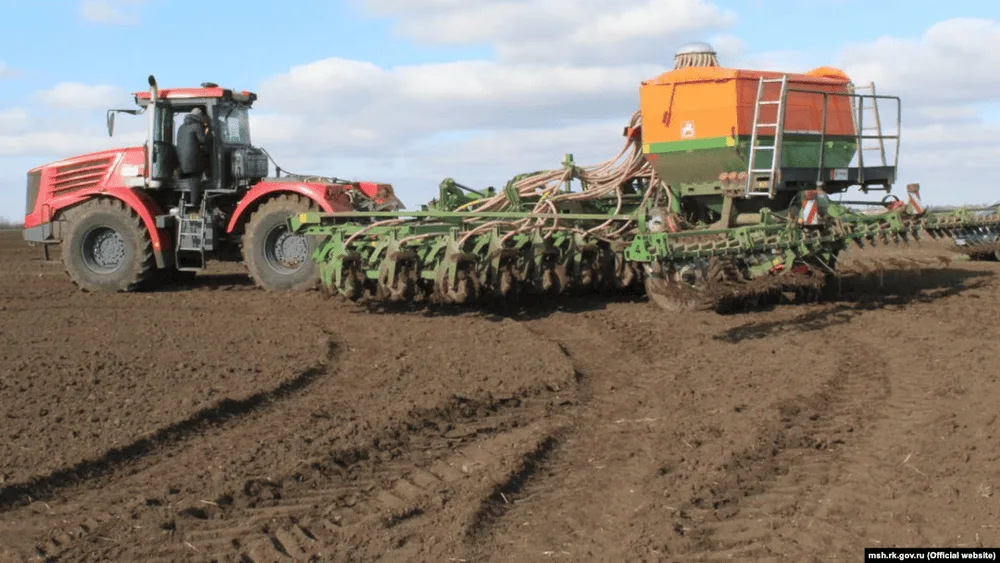
However, under the current circumstances, Crimean farmers are questioning whether it is worth sowing winter crops at all. The sowing campaign has already begun in the region.
Agricultural producers in southern Russia are also facing difficulties selling their grain as a result of Russia’s full-scale invasion of Ukraine. Export shipments through the Azov-Don Canal and the Kerch Strait have been effectively blocked by attacks involving drones operated by Ukraine’s Defense Forces.
The Russian government has been urged to purchase 20 million tonnes of grain at a price of at least 20,000 rubles per tonne. No decision has been made on the proposal yet. It remains unclear whether Crimea, annexed by Russia, can expect a similar arrangement.