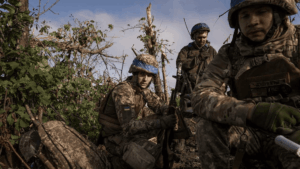
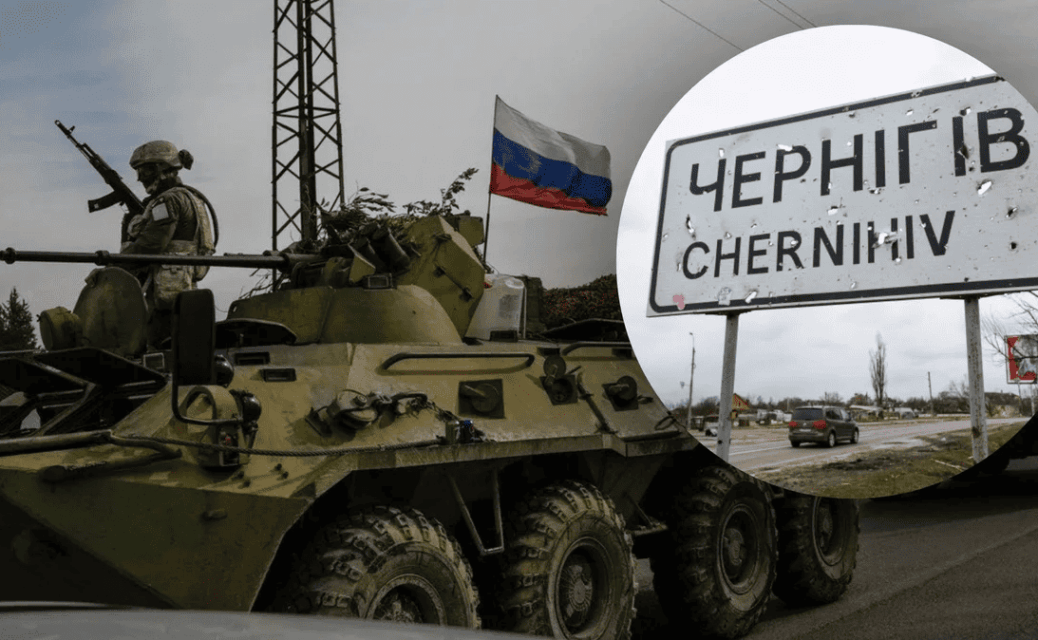
Russian propaganda spreads claims of attacks on Chernihiv and Kharkiv, but Ukrainian forces control the regions, successfully repelling enemy provocations and countering disinformation campaigns.
Russian military correspondents are actively spreading online claims about the alleged preparation of a new combat direction in Ukraine, specifically an advance on Chernihiv.
The spread of enemy narratives and the situation on the northern border were commented on by the National Security and Defense Council.
Details were reported by 24tv, citing the head of the Center for Countering Disinformation, Andriy Kovalenko.
Will the occupiers really storm Chernihiv?
Russian propaganda has intensified the spread of claims about an alleged preparation for an attack on Chernihiv.
At the same time, military bloggers from the aggressor country are circulating reports about a possible Ukrainian advance on Kharkiv, claiming that this direction could become one of the key fronts in 2026.
According to the Center for Countering Disinformation, such statements are part of a cognitive operation against Ukraine. They are linked to diplomatic processes and are intended to increase pressure from Russia on both Kyiv and Ukraine’s partners, including the United States, artificially delaying decisions on support.
The main goal of this information campaign is to psychologically influence Ukrainian society and create the illusion that the Russian army is supposedly capable of acting successfully on any part of the front.
“The Russians do not have the real forces and means to launch an attack specifically on Chernihiv,” said Andriy Kovalenko.
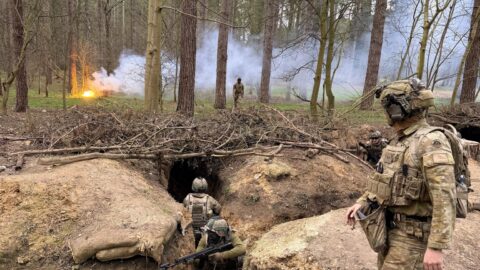
He added that the Ukrainian Defense Forces confidently control the situation in the region, and any enemy provocations at the border are promptly stopped.
Similar information operations have already been conducted by Russia regarding the Sumy and Kharkiv regions. However, as the head of the Center for Countering Disinformation emphasized, the Ukrainian military successfully stopped the enemy, who effectively did not have sufficient resources to storm large cities.
Notably, HUR representative Andriy Yusov stressed that after the active phase of combat operations ends, Russia’s information and psychological pressure will not decrease — in fact, it should be expected to continue. Moscow traditionally uses historical narratives as a tool of influence and geopolitical struggle.
How does Russia conduct information campaigns against Ukraine?
Russian state media continue to spread false statements by Vladimir Putin about an alleged “collapse” of the Ukrainian front, attempting to pressure both the West and Ukraine into concessions favorable to the Kremlin. However, a report by the Institute for the Study of War (ISW) emphasizes that the frontline situation remains stable.
Another example of Russian manipulation is the statement by the aggressor country’s chief of staff about alleged successes near Lyman. The HUR notes that this information does not correspond to reality.
A similar situation is observed in the Kharkiv region, where Russian propaganda claims fabricated results in the Vovchansk area. In reality, Ukrainian defenders maintain control of the city and effectively repel enemy offensive actions.
Tags: 2025 conflict border security Chernihiv military threat northern front offensive plans russia ukraine war war news










![Visitors at the “Thank You With All My Heart” Ukrainian exhibition at the Council of Europe, featuring the Great Amber Heart and powerful war art. :contentReference[oaicite:2]{index=2}](https://empr.media/wp-content/uploads/2026/02/heart-300x171.png)