
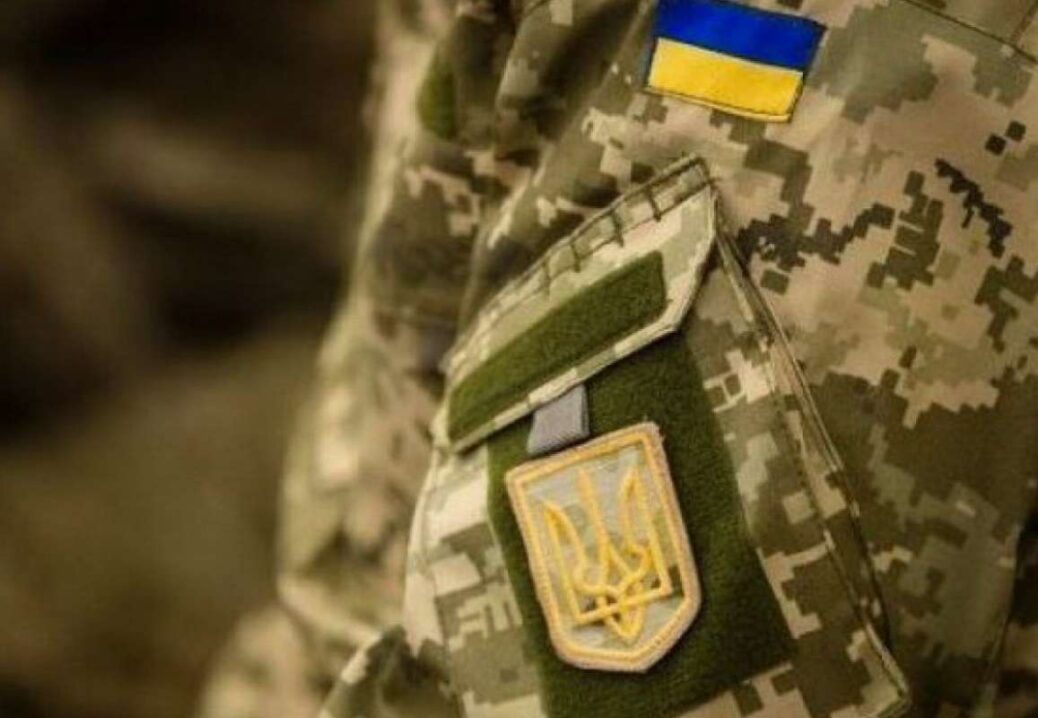
Ukrainian soldiers demonstrate bravery and resilience, defending cities, fighting enemies, and overcoming immense challenges, while media share their personal stories and acts of heroism.
“Thank you to the Armed Forces of Ukraine…” These words are heard at family dinners, in the metro and on trains, in offices over coffee, and at the highest-level state meetings. We thank the Armed Forces of Ukraine for the blue-and-yellow flag over our cities, for the kilometers of our territories they have liberated, for quiet nights, for the chance to be close to our loved ones, and for giving many of us a place to return to.
Hromadske reveals.
Over 95 percent of Ukrainians trust the Armed Forces. According to sociologists, more than 80 percent have donated money to the army since the start of the full-scale war. No institution in the history of Ukraine’s independence has ever enjoyed such trust.
This year, two members of our editorial team joined the Ukrainian military — journalist Oleksiy Bratushchak and web manager Pavlo Cheburey.
Since February 24, the hromadske team has focused on covering the Russian-Ukrainian war. Many of our materials highlight the courage and valor of Ukrainian soldiers. Some of these we are publishing in this collection.
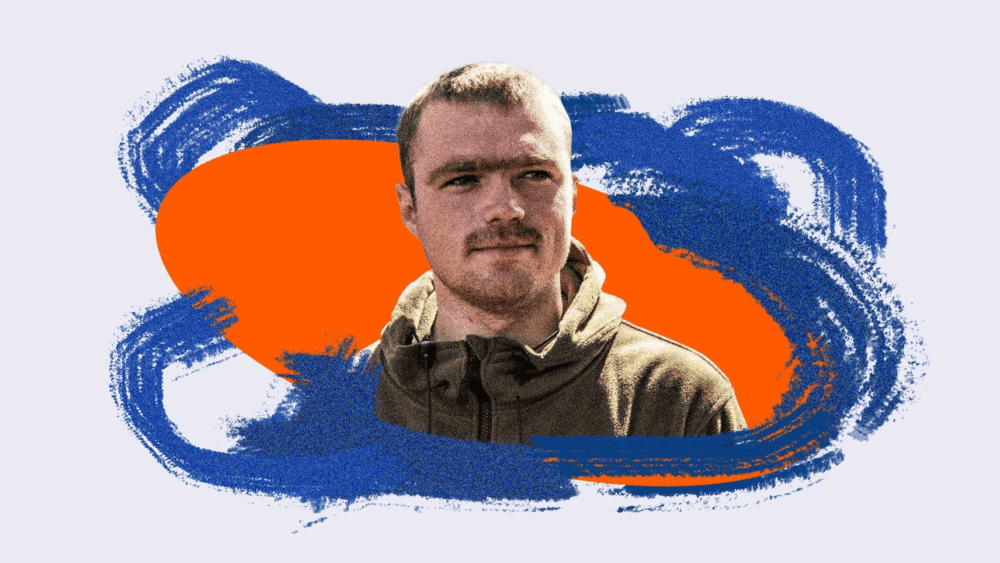
“Those people are like family to me; they helped us. And at the moment we were ordered to retreat, it was the hardest for me,” said Hero of Ukraine Dmytro Dozirchyi about the residents of Kherson region in a summer interview with hromadske. He received the “Golden Star” for defending Kherson in the first days of Russia’s full-scale invasion. Together with 33 tankers from his company, Dmytro confronted an enemy landing force that had arrived in Kherson region. The 59th brigade, where Dmytro serves, was surrounded. He led his company to break through. After leaving Kherson, he took part in battles in the south.
Dmytro Dozirchyi shared his personal story with us, including how, as a boy, he saw Ukrainian defenders at a parade in Kyiv and fell in love with the profession. Hromadske published two articles about Hero of Ukraine Dmytro Dozirchyi: “The Battles near Kherson That Made Tanker Dmytro Dozirchyi a Hero of Ukraine” and “A Boy Saw a Military Parade, Grew Up, and Became a Hero of Ukraine.”
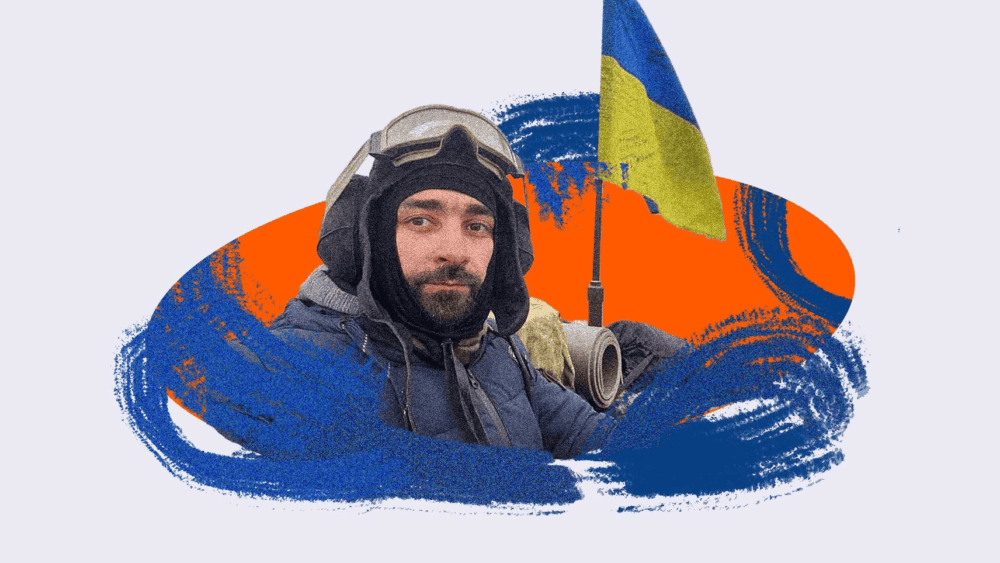
“Six of our tanks faced about 20 of theirs. And that’s only the ones we saw,” — casually recounted another Hero of Ukraine, Serhiy Ponomarenko, about the feats of his unit in Kharkiv region. After the capture of Izyum, Russian forces planned to encircle the Ukrainian Armed Forces around Sloviansk, Kramatorsk, and Bakhmut. But Ukrainian soldiers stopped them. In one battle, Ponomarenko’s unit destroyed nine enemy tanks at once.
Serhiy Ponomarenko joined the military in 2014. In November 2021, he left the Armed Forces, but just a few months later the full-scale war began, and Serhiy could not stay on the sidelines. He received the “Golden Star” for his actions. Read about why he was awarded and his views on Russians in the article: “Destroyed 9 Tanks — Received the ‘Golden Star’. The Story of Hero Tanker Serhiy Ponomarenko.”
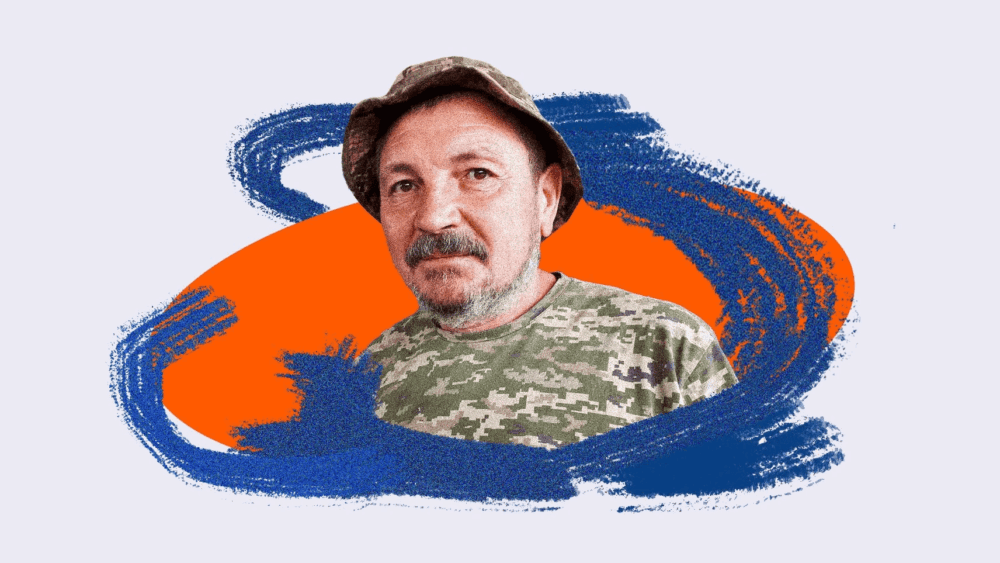
“The pilot ejected, and our guys found him. Only later did I see online that he was a Wagner mercenary.” In the summer, a serviceman of the 72nd Separate Mechanized Brigade named after the Chornyi Zaporozhtsi, call sign “Did,” shot down an enemy military aircraft with an Igla MANPADS. It was his first combat launch. Prior to that, “Did” and a colleague had spent several days in training.
In civilian life, he works at a paper mill in Kyiv. In the war, he has already served as a driver, machine gunner, and grenadier, and recently became an anti-aircraft gunner. Read about the adrenaline and “a hundred grams for a downed plane” in the story: “‘A Shot Worth Millions’: How ‘Did’ Shot Down a Su-25 Wagner Pilot.”
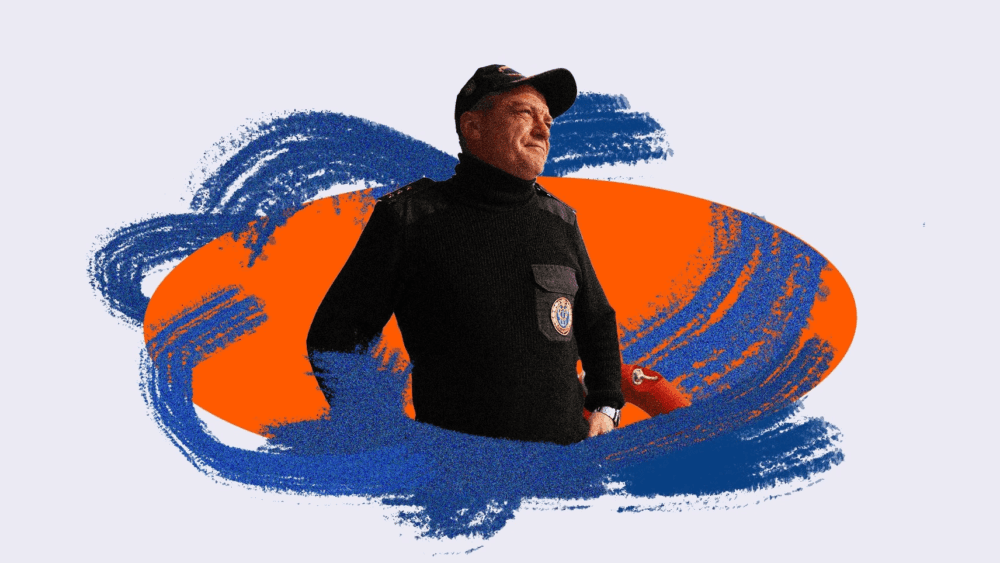
“Vladimirovna, Sasha is in captivity. We need to meet,” — on March 27, a call came to the Boichuks’ apartment. That’s when Oksana learned that her husband — commander of the minesweeper “Henichesk” — was held captive by the Russians.
Oleksandr Boichuk is a legend of the Ukrainian Navy. In March 2014, when the “little green men” appeared in Crimea, he put his ship on combat alert. Despite orders from traitorous commanders, Oleksandr refused to let Russians aboard and did not dock at the shore.
Of Oleksandr Boichuk’s crew, 8 out of 11 sailors remained loyal to their oath and continued serving Ukraine.
During the first month of the full-scale war, Oleksandr Boichuk and his fellow servicemen were surrounded in Mariupol. He has not made contact with his family since. His wife believes her Sasha is alive and will return home. Oksana Boichuk also assists families of other servicemen who are in captivity or considered “missing in action” — “Lost Anchor: In Search of the Captive Commander.”
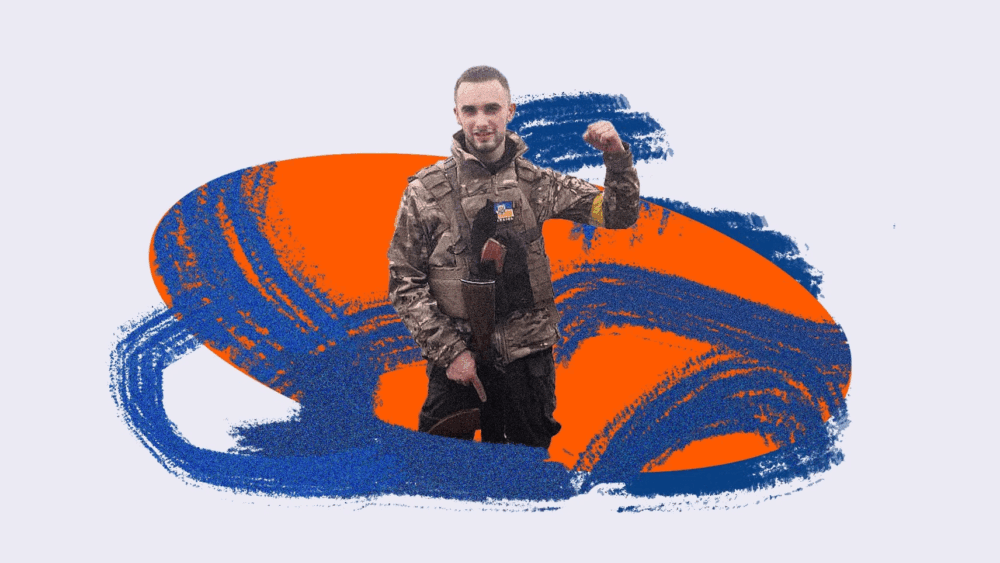
“All of them looked at us like we were crazy. They said: ‘Alright, we’ll give you an armored personnel carrier, a sniper will cover you, a machine gun will cover you too.’ That was all we needed to enter the school,” Kharkiv resident Dmytro Oliynyk told hromadske.
In the first days of the full-scale invasion, a Russian special forces unit set up camp inside one of Kharkiv’s schools. Even though a Russian sniper was operating there, a group of Ukrainian soldiers decided to storm the building. The Russian paratroopers and reconnaissance troops were eliminated. After that, the Russian army never entered Kharkiv again. Read about one of the key battles in the city’s defense in the story “The Battle for the School: How Elite Russian Special Forces Were Destroyed in Kharkiv.”
On February 24, Kyiv resident Valentyn received a message from Moscow: “Are you alive over there?” He didn’t know how to respond. Since 2014, his relationships with his closest relatives living in Russia and Belarus had fallen apart.
When the battles for Kyiv began, Valentyn joined the Ukrainian military as a regular rifleman, even though he still held an officer’s rank from Soviet times. His son Illia also went to the front — for the second time.
Valentyn’s sister, once someone very close to him, stayed in Moscow. One day he received a letter from her. She wrote that her son — Valentyn’s nephew — had also gone to fight, but against Ukrainians. What it means to lose the support and understanding of loved ones, yet gain a homeland, is explored in the story “From Soviet Pedestrian to Patriot Defending Ukraine: A Story of One Independence.”
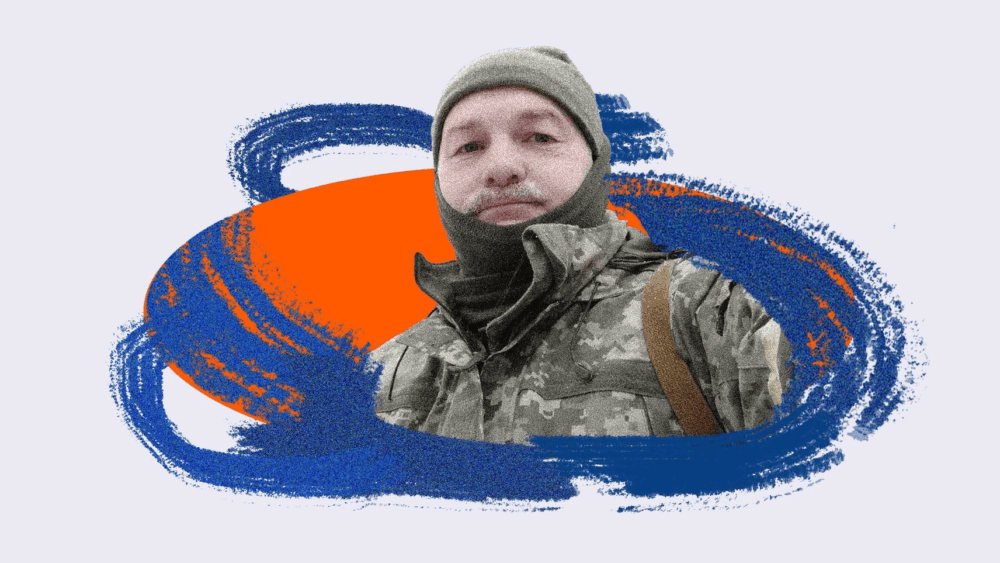
“The plane I shot down was the first one downed over Chernihiv. You can watch the sky for a day or two, waiting, and then it all happens in ten seconds. I saw the plane and launched the missile,” Ukrposhta manager Serhiy Chyzhykov recalled in an interview with hromadske. On February 24, when Russia began its full-scale invasion, he went to fight. In the very first days, Serhiy Chyzhykov shot down a Russian military aircraft over Chernihiv.
Read about Serhiy’s military experience before 2022 and his emotions after downing the plane in the March story: “‘People Think I’m Postman Pechkin.’ The Story of a Ukrposhta Manager Who Shot Down a Russian Plane over Chernihiv.”
Tags: Armed Forces of Ukraine national holiday patriotism Ukraine 2025 Ukraine army Ukrainian Soldiers ZSU Day




![Visitors at the “Thank You With All My Heart” Ukrainian exhibition at the Council of Europe, featuring the Great Amber Heart and powerful war art. :contentReference[oaicite:2]{index=2}](https://empr.media/wp-content/uploads/2026/02/heart-300x171.png)

![Ukrainian Roboneers and Latvian partners at the signing of a defence robotics and underwater technology cooperation memorandum. :contentReference[oaicite:2]{index=2}](https://empr.media/wp-content/uploads/2026/02/oboronka-300x168.png)