
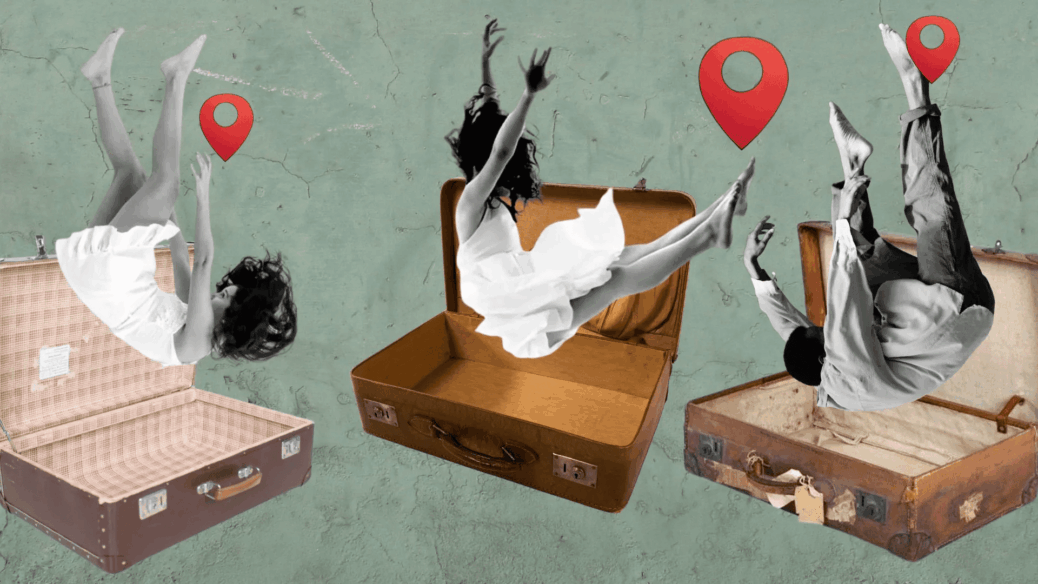
Luhansk native Svitlana helps displaced people through her NGO, Innovative Action, offering support, workshops, and community connections. She believes in resilience, teamwork, and finding hope even in the hardest times.
Svitlana Dmytriieva was building her life in Luhansk: education, marriage, a daughter. In 2014, she left the city and had to start over. She couldn’t find a job. What to do? Help people like her. She founded her own NGO and has made life a little easier for thousands of displaced people. She feels she’s in the right place and is convinced that life should be interesting.
Olha Brodska, specially for Realna Gazeta.
“Let’s stay a month and then return”
“I was born in Zhytomyr region. My family moved to Luhansk when I was about six. I started first grade there, and after school, I went to Luhansk Medical College. I became a nurse, but I wanted to become a doctor. I tried to get into Luhansk Medical Institute three times, and the last time they told me: ‘Why are you trying if you don’t have money?’ I didn’t want to be a nurse all my life. So I got a second degree — in marketing at Taras Shevchenko Luhansk University,” Svitlana recalls.
In Luhansk, Svitlana got married and had a daughter.
“Luhansk is the city where I was building my life. My loved ones lived there, my daughter was born there, I had friends and a job. I didn’t plan to leave in 2014. But the shelling started, and my husband and daughter left the city because he was a TV operator. Journalists and camera operators in Luhansk at that time, to put it mildly, didn’t have an easy life. So he went on leave to Zhytomyr region to stay with relatives, and after some time, I joined them. I thought we’d stay a month and then return,” she recalls.
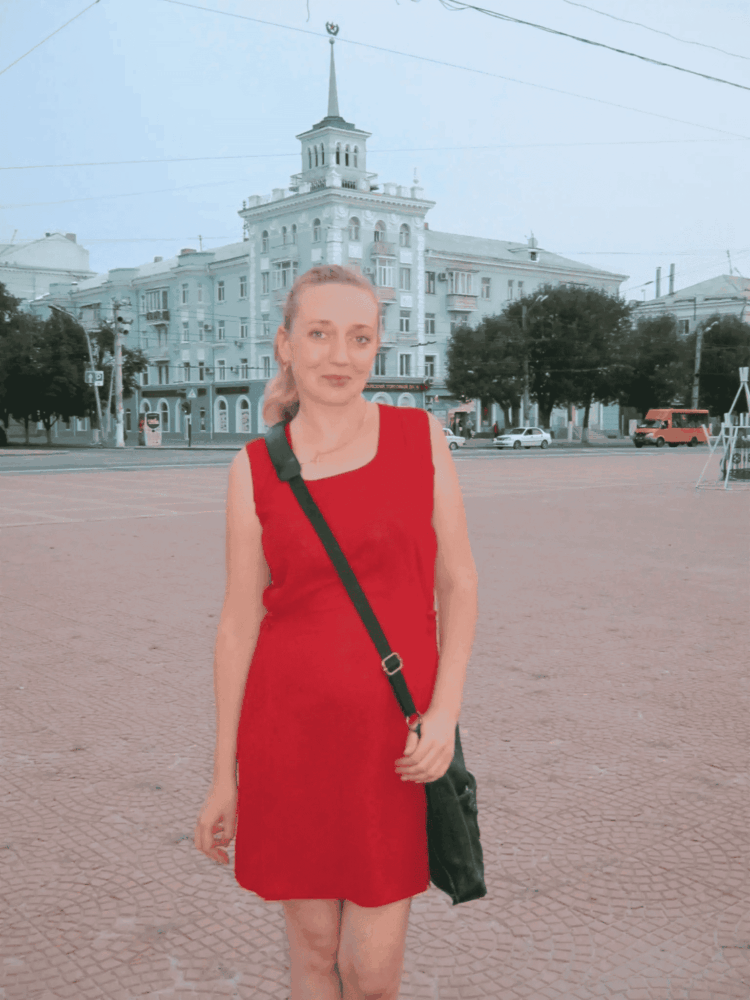
“They ask: why are you so underdressed?”
They couldn’t return, so they decided to try living in the capital:
“I couldn’t find a job for a long time. We were catastrophically short on money, and we didn’t have warm clothes. The cold was coming… Across from the building where we lived, a store needed a salesperson. I had never worked as a salesperson, but I went in and said, ‘Do you need a salesperson? I’m a salesperson!’ They hired me. I sold alcohol products. It was an interesting time. People were constantly trying to cheat me. (Laughs) When I quit, the manager said she understood I had no experience, but she turned a blind eye. I’m still grateful for that. And also to those who noticed I didn’t have warm clothes. I came in, and they asked, ‘Why are you so underdressed?’ They brought me a long coat and warm shoes…”
Everything stayed behind in Luhansk: the home, our belongings. Svitlana managed to go back there in the fall of 2014 and bring two bags with the most necessary things.
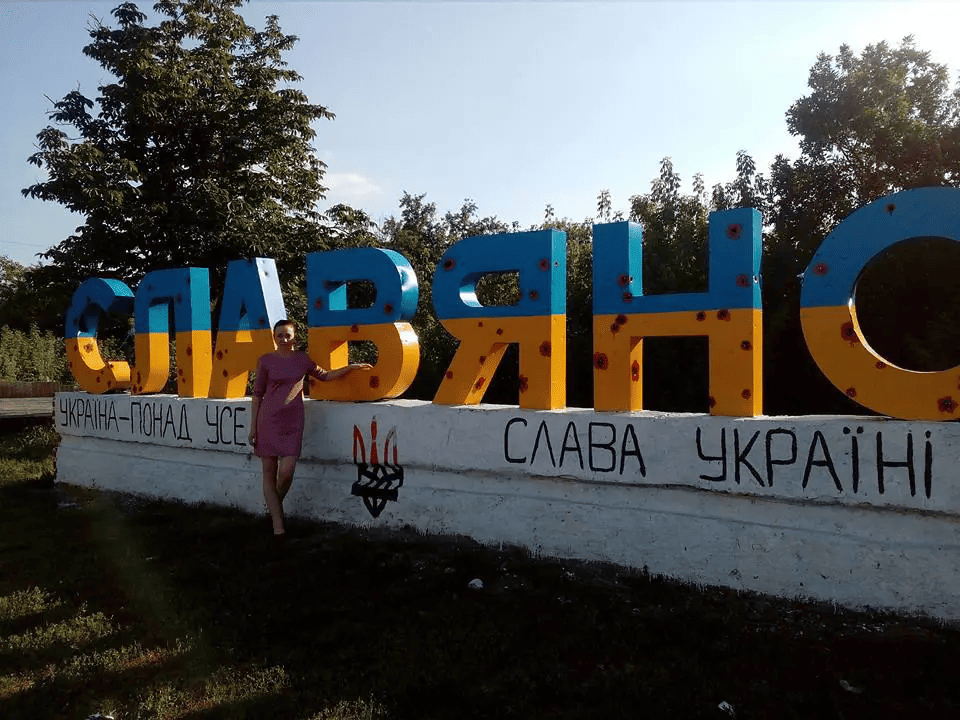
However, Kyiv did not become a place for Svitlana to settle. She was about to meet another city — Vinnytsia.
“What happened next? Next was Vinnytsia. My husband was offered a job there, so we moved. I remember standing near the Vinnytsia City Council as the streetlights started to turn on. I watched them and realized: this is my city. So we stayed here.”
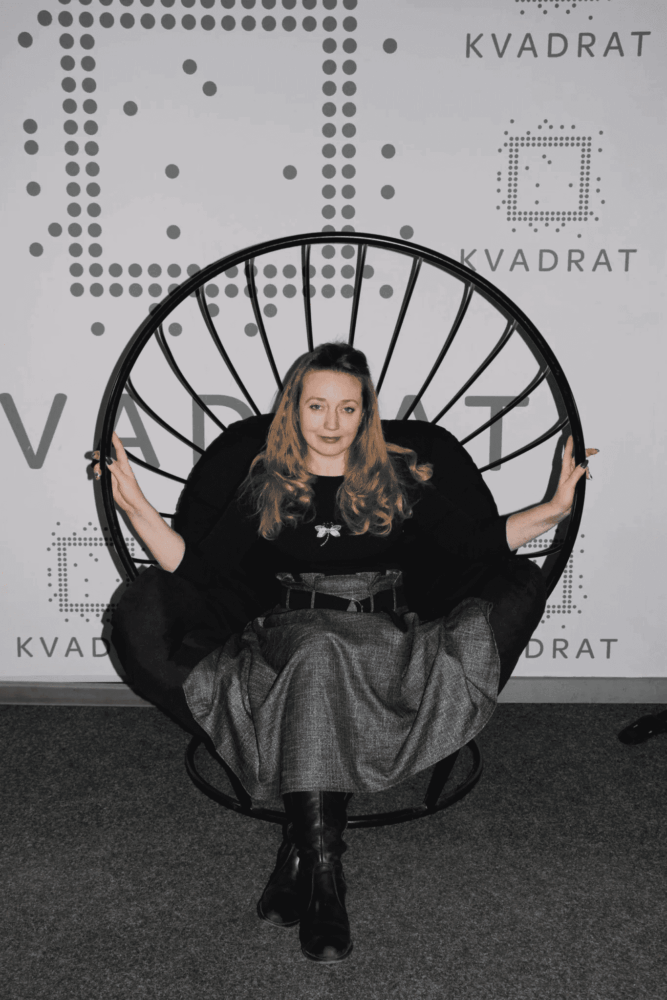
“Walking through Vinnytsia with a blanket and pillow, crying”
The family had no relatives or friends in the city. For Svitlana, it felt like a continuous “Groundhog Day”: each day seemed to repeat, and she felt stuck in time:
“I would wake up every morning and ask myself: where am I? This is not Luhansk, not Kyiv, not Zhytomyr… Psychologically, it was very hard to grasp all the changes. It hurt me: someone was doing something for my hometown, fighting for it, while I lay in bed doing nothing. I started looking for volunteer centers where I could come and help. I went to one and said, ‘I want to help.’ And they replied, ‘Maybe we can help you with something?’ They gave me a blanket and a pillow. I walked through Vinnytsia with all that and cried. We had nothing — no bedding, no spoons, no forks… Then I started coming regularly, helping others, and met other displaced people.”
Finding work was also difficult. Once, she heard someone say about her: “She’ll steal goods and go back to her Luhansk.” Eventually, she was hired on a trial basis as a salesperson.
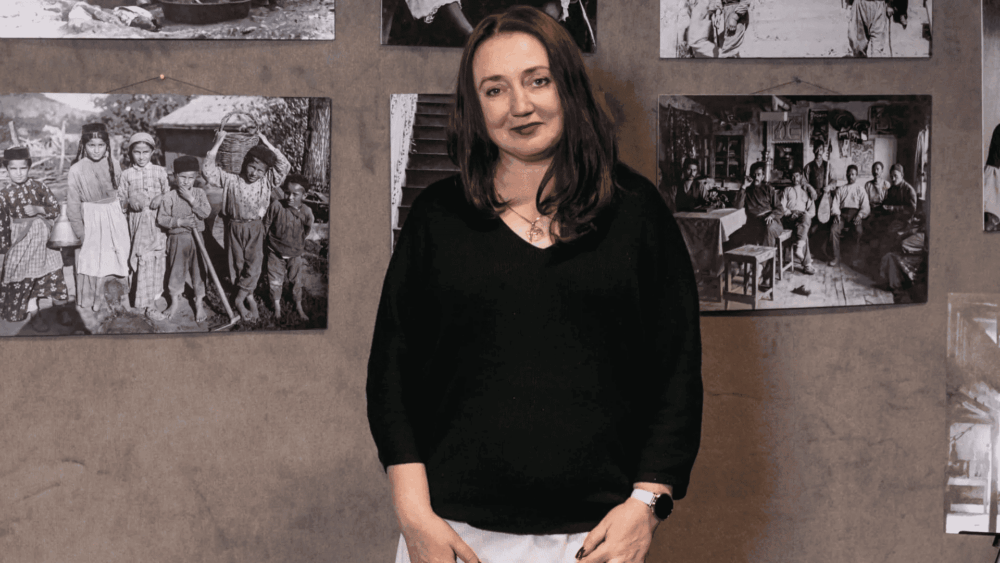
“I came to the store for my internship. I looked and saw a chicken had fallen on the floor. I said it needed to be washed. And they told me, ‘What are you making up? It’s fine, it’ll go on the grill.’ Of course, I didn’t stay to work there,” Svitlana shares about this unpleasant experience.
A safe harbor in the middle of the storm
Despite all the hardships, Svitlana created her own organization to help displaced people.
“Why do people help us, but we don’t help ourselves? In 2015, we registered the NGO ‘Common Cause.’ No money, no support. My husband said I had lost my mind (laughs). But I needed to be doing something…” Svitlana recalls.
In 2018, Svitlana started the NGO ‘Innovative Action’ from scratch, because her partner from ‘Common Cause’ and she had gone their separate ways — they had different views on what a civic organization should be and what it should focus on.
When the full-scale invasion began in 2022, Svitlana continued doing what she does best: helping.
“We have helped thousands of new displaced people. Clothes, shoes, psychological support, housing. We created the HUB ‘Place of Opportunities,’ a safe harbor for people in the middle of the storm. Our team now is six displaced women. Each has her own life and job, but we continue helping others,” says the Luhansk native.
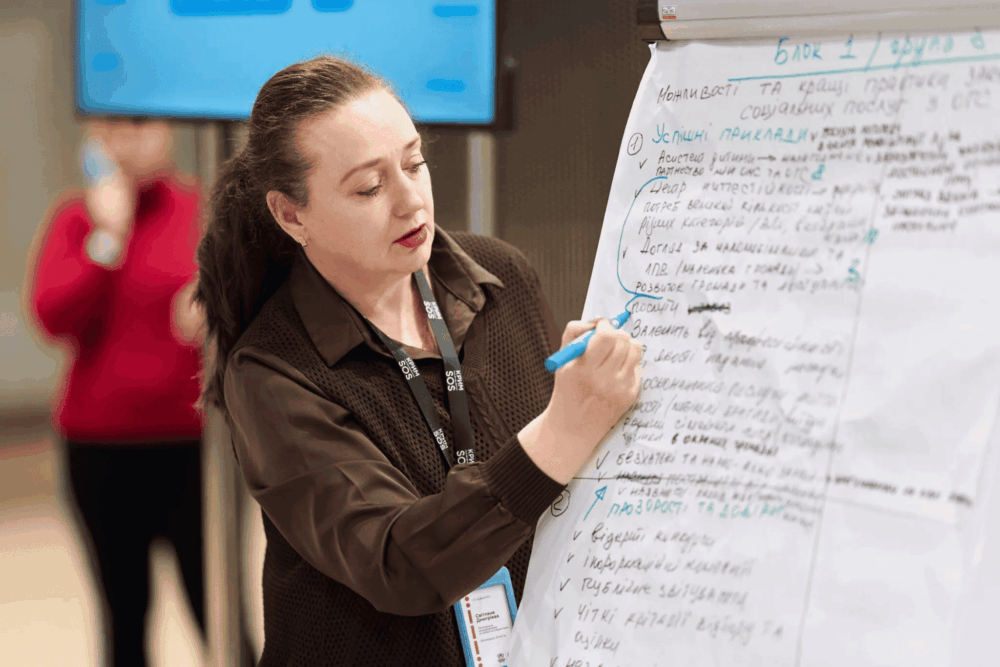
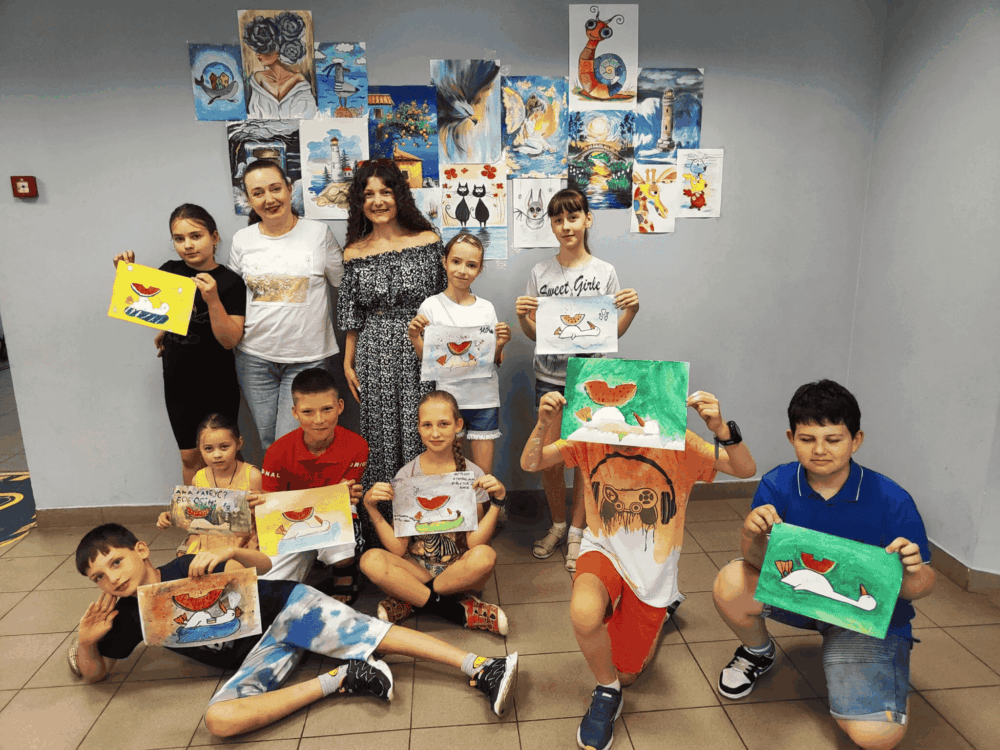
They worked with children and adults: educational and integration activities, psychological training, Ukrainian language lessons, and acting classes. There was also a separate club for older people — spending leisure time together: weaving, knitting, and similar activities. The organization also established contacts with local authorities: it is part of the council for displaced people at the Vinnytsia City Council and several other councils.
Svitlana is also the regional coordinator for community work in Vinnytsia region for the NGO CrimeaSOS.
“My job is to help civic organizations like ours develop,” she adds.
“My superpower is that I can work a lot”
Very different people come to Svitlana. Once, a woman came with her blind daughter:
“She was in a depressed state, but after some time, she opened up. She started singing! Now she sings in a choir. I go to her concerts. In my family, everyone sings too, except me. I’m not creative. My superpower is that I can work a lot.”
Currently, Innovative Action is looking for new ways of working. Displaced people have new needs and requests, and old ways of supporting them no longer work.
“Humanitarian aid as a direction stopped being our focus last year. Psychological trainings are also, I think, no longer as needed. Same with workshops. We are a civic organization that should solve specific problems and help people. That’s why we will focus on supporting women,” says Svitlana.
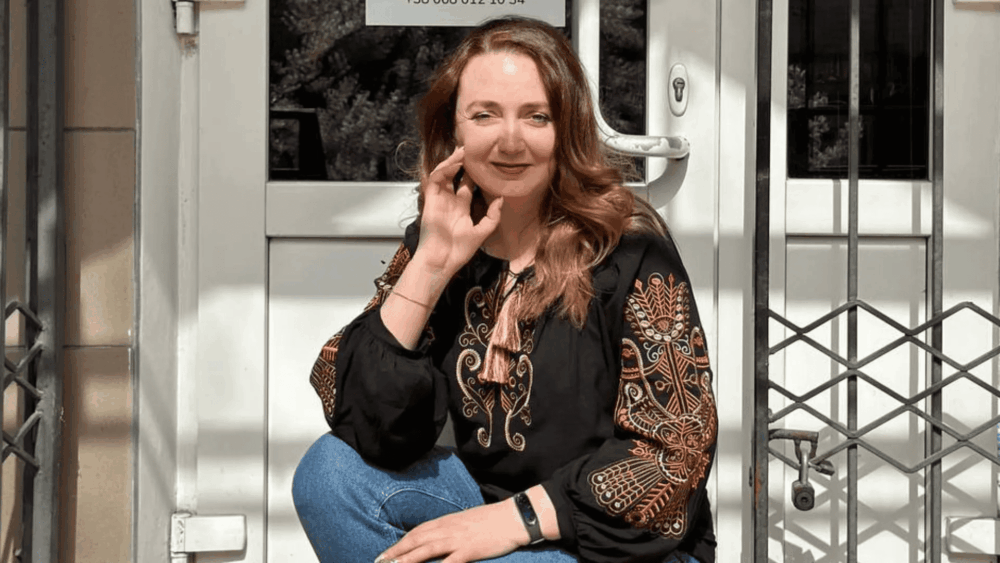
The Luhansk native says she loves working with people and finding a common language with them. She lives by the motto: life should be interesting.
“If you feel terrible and it seems like everything is falling apart — look for someone beside you, someone you can talk to. One thread of that conversation will pull another, new people will appear, and you will find your way out,” she advises those who find themselves in a difficult situation.

![Kyrylo Marsak in Olympic figure skating gear smiling on the ice at Milan-Cortina 2026, capturing pride, viral hopak atmosphere, and Ukraine energy. :contentReference[oaicite:4]{index=4}](https://empr.media/wp-content/uploads/2026/02/kyrylo-480x270.png)
![Volodymyr Kudrytskyi discusses energy missteps, shelters, and leadership decisions in Ukraine’s energy sector in a cold office interview.:contentReference[oaicite:2]{index=2}](https://empr.media/wp-content/uploads/2026/01/nardep-1-480x270.png)




![Visitors at the “Thank You With All My Heart” Ukrainian exhibition at the Council of Europe, featuring the Great Amber Heart and powerful war art. :contentReference[oaicite:2]{index=2}](https://empr.media/wp-content/uploads/2026/02/heart-300x171.png)

![Ukrainian Roboneers and Latvian partners at the signing of a defence robotics and underwater technology cooperation memorandum. :contentReference[oaicite:2]{index=2}](https://empr.media/wp-content/uploads/2026/02/oboronka-300x168.png)