
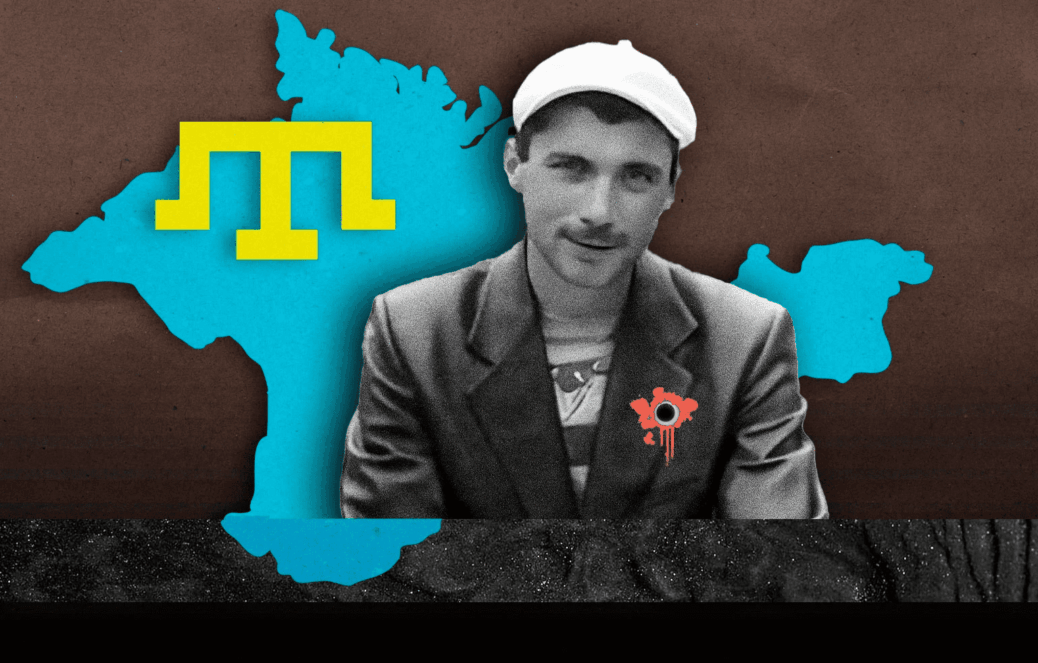
Reşat Ametov, a devoted father and Crimean Tatar, became the first victim of Russian aggression in Crimea after peacefully protesting the occupation. Kidnapped, tortured, and killed, his death revealed both the occupiers’ hatred and fear — fear that his example would inspire others to resist. Despite this, his funeral united Crimean Tatars and drew international attention. Over the years, activists have honored his memory through peaceful demonstrations, inspiring new generations, including Crimean Tatars now serving in Ukraine’s Armed Forces. Ametov’s legacy remains a symbol of courage, justice, and the ongoing resistance against occupation in Crimea.
12 years ago, Russian occupiers kidnapped the father of three children, Crimean Tatar activist Reşat Ametov, who had staged a lone protest in front of the Crimean government building against the Russian occupation and the so-called “referendum.” Two weeks later, on March 15, 2014, Reşat’s body was found in the village of Zemlyanychne in Bilohirsk District, Crimea, 60 km from Simferopol. His body showed signs of brutal torture (eyes gouged out, broken ribs, bruises all over, head wrapped with adhesive tape, handcuffs lying nearby), and a video appeared online showing several scumbags from the Russia-created “Crimean self-defense” forcing Reşat into their vehicle. In September 2019, the Prosecutor’s Office of the Autonomous Republic of Crimea reported that the killers were Oleksandr Rudenko and Oleksandr Bahlyuk. They were led by Russian Armed Forces serviceman Yevhen Skrypnyk, who served in the 76th Airborne Division and the 728th Separate Signal Battalion. After committing crimes in Crimea, the occupiers sent the killers to the terrorist organization “DPR,” where they committed a series of serious crimes… The world turned a blind eye. In 2015, Reşat Amet was posthumously awarded the “People’s Hero of Ukraine,” and in 2017 he was honored with the title Hero of Ukraine. Reşat Ametov became the first victim of the Rashist forces in the Russian-Ukrainian war, now in its twelfth year.
He dreamed of becoming a lawyer and was an exemplary father and husband. He did not take part in clashes, did not throw Molotov cocktails at the occupiers, and did not lead protests. Yet, until his last breath, he remained devoted to his principles, always standing against injustice. And he did it in his own way.
Ten years ago, on March 15, 2014, in the village of Zemlyanichne, Bilohirsk District, Crimea, 60 kilometers from Simferopol, the body of Reşat Ametov was found. By that time, his relatives and concerned citizens had been searching for the Crimean Tatar for 12 days. This horrifying discovery shocked everyone, as his body bore numerous signs of torture. The terrible news quickly spread among the Crimean Tatars, as it was a Tatar who became the first victim of the Russians during the occupation of the peninsula.
Reşat Ametov’s body was found one day before the so-called referendum in Crimea, which the Russians held at gunpoint to announce the annexation of the Ukrainian peninsula.
Crimean Tatars from almost all over Crimea came to Reşat’s funeral. For them, it was a shock and a warning — serious danger lay ahead. For the second time in 70 years, the Russians had broken into the homes of Crimean Tatars, and here was the first spilled blood.
For years, Putin would continue to claim that the annexation of the peninsula was “peaceful” and “without casualties” and that people supposedly “wanted” the occupation themselves. But at least four people died during the events of 2014, and hundreds, if not thousands, were repressed after the annexation.
The first victim was a father of three young children, a citizen who cared deeply about his country, a man who loved his homeland above all else. He did not fight, only held silent, individual protests. And in those protests, the Russians saw a threat.
Why Reşat Ametov scared the Russians so much and why no one was held accountable for his death — read more in the article from 24 Kanal.
“‘Are You Too Weak?’: Who Reşat Ametov Was
Reşat Amet spent his entire life in Simferopol. He was not a political activist, but he had a strong sense of justice and resisted anything that went against his values.
He was inspired by Mahatma Gandhi’s ideas of nonviolence and peaceful protest, so in any conflict, he tried to seek justice through peaceful means.
Lerane Khaibullayeva, who once lived on the same street in Simferopol as Reşat’s family, recalls that he stood against injustice even in small matters. For example, he insisted that the sign at the Perovsk Village Council be trilingual, in Ukrainian, Crimean Tatar, and Russian — and he succeeded. In addition, he ensured that his daughter’s birth certificate followed the Crimean Tatar tradition. How did this look? For instance, in official documents, he was listed as Ametov Reşat Midatovych, while according to the tradition of his people, it should have appeared as Reşat Medat oğlu Ametov.
Reşat also appealed to the authorities, demanding that his passport list his nationality as Crimean Tatar. In case of refusal, he stated his intention to renounce his citizenship. It is likely that Reşat never saw the negative response to his request regarding the documents.
Before his disappearance and death, Lerane knew little about Reşat, although as neighbors they frequently crossed paths and greeted each other. Only when she became, in effect, the family’s spokesperson did she learn that Reşat had dreamed of becoming a lawyer, but could not pursue his dream because it would have required obtaining an education. As a father of three children, he simply did not have the time. He had to work to provide for his family.
“He always went for walks with his children by himself. On our street, there were other families with small children. Everywhere, women were walking with their kids, and he was the only man. And this became somewhat fateful, because on rainy days he would put on a leather jacket and carry a black umbrella. Later, after his death, when his daughter Hatidže saw a man on the street wearing the same jacket and carrying the same umbrella, she would shout ‘baba’ (Crimean Tatar for ‘dad’ – 24 Kanal),” Lerane recalls.
At that time, Lerane and Reşat’s wife, Zarina, also found in the garage posters that Reşat had made for protests. For example, one of them read “Hunger Strike.” This was often the form of protest he used to fight for what he believed in.
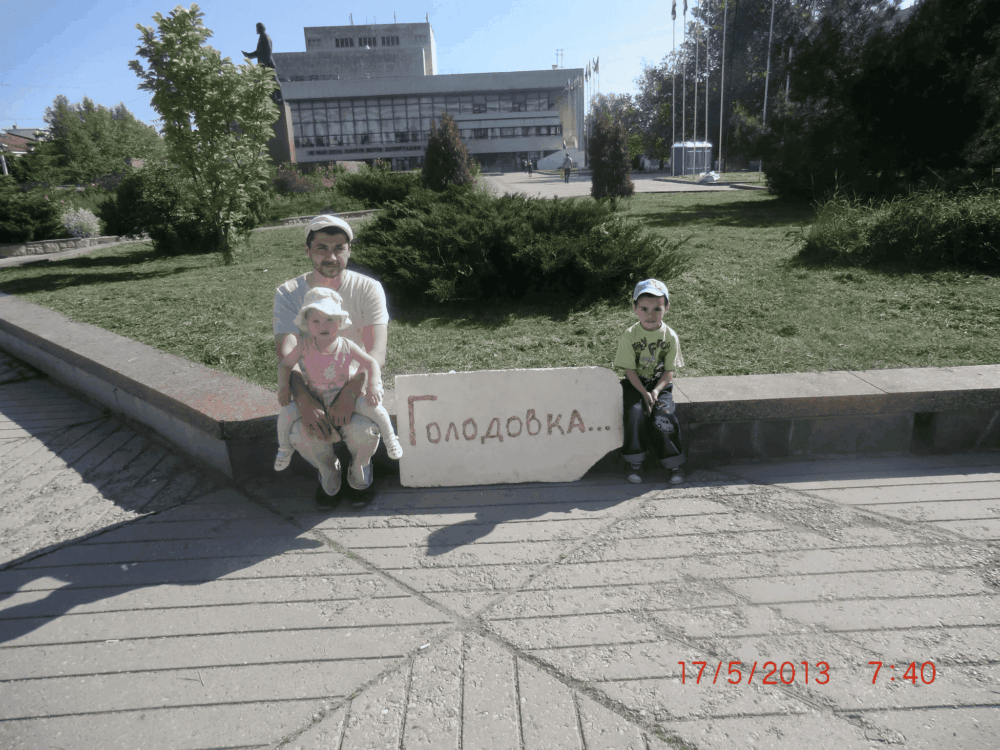
It was clear that he could not remain indifferent to the events in Crimea, as it was an act of aggression and injustice. That is why Reşat Ametov joined the resistance. And he did so after the administrative buildings in Simferopol had already been seized.
On February 28, 2014, on his Facebook page, Reşat Ametov posted a concise but telling message:
“Probably on Monday I’ll go to the Council of Ministers (of the Autonomous Republic of Crimea – 24 Kanal), standing protest. Are you too weak?”
The post appeared on Reşat Ametov’s page on Friday. On Monday, he indeed went to the building of the Council of Ministers of Crimea, where he stood in one spot for an hour and a half. Silently. This was his protest. He spoke only when approached by journalists.
But then he disappeared. That same evening, his wife sounded the alarm, because their relationship was such that time was always planned, and they were always in contact. And suddenly, Reşat stopped answering phone calls.
As was later established, representatives of the so-called “self-defense,” that is, Russian occupiers and local collaborators, kidnapped Reşat, forcing him into a car. He was taken in an unknown direction. However, as of March 3, no one knew about this yet.
“He Wanted to See People in the Square”
Relatives, friends, and concerned citizens began searching for Reşat Ametov. Lerane Khaibullayeva placed announcements in local media and helped put up flyers around the city, asking anyone with information about Reşat’s whereabouts to come forward. In despair, his brother even went to ask for help from the so-called “self-defense.”
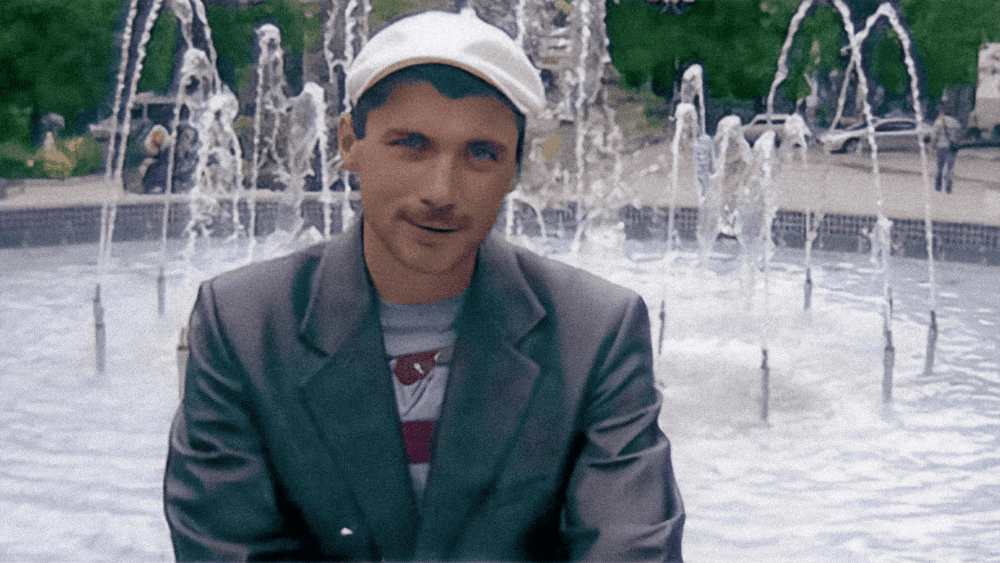
However, it was all in vain. Reşat was nowhere to be found. And only after 12 days came the news — he had been found. Dead. His body was discovered 60 kilometers from Simferopol. The killers had not even tried to make sure no one would find him; rather, it seemed the opposite.
Reşat’s body bore numerous cuts and bruises, evidence of torture. According to the autopsy, the cause of death was a knife wound to the eye. This news shocked everyone, as someone had killed a person with extraordinary cruelty. In the context of the events in Crimea, he became the first victim of the occupiers — and he was a Crimean Tatar.
Years later, the media published photos of Reşat Ametov’s body after washing, but due to the sensitive nature of such content, we will not include these images.
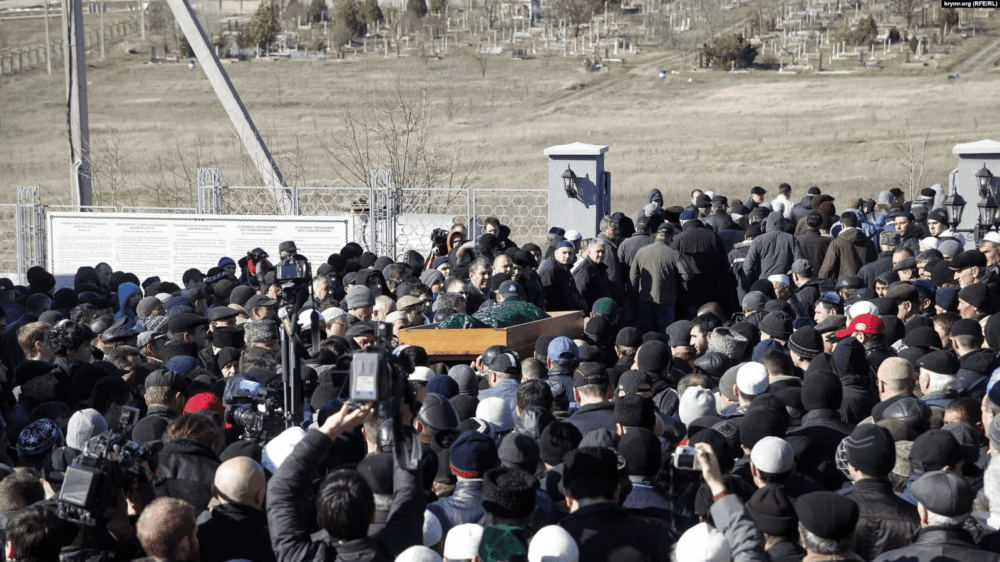
Reşat’s funeral took place in Simferopol on March 18 — two days after the so-called referendum, in which the occupiers predictably announced “total support” for the annexation. Hundreds of Crimean Tatars from across the peninsula came to Simferopol to pay their last respects. Reflecting on Reşat’s funeral, Lerane notes a bitter truth — more than anything, he had wanted as many people to be in the square on March 3. He wanted to see them there.
Years later, on the anniversary of his death, Lerane and other activists would organize commemorative events for Reşat, cutting out cardboard figures and placing them on Sophia Square in the capital. These figures symbolized Reşat’s ideals; he wanted people to join him and continue reminding the Russians that they had no place in Crimea.
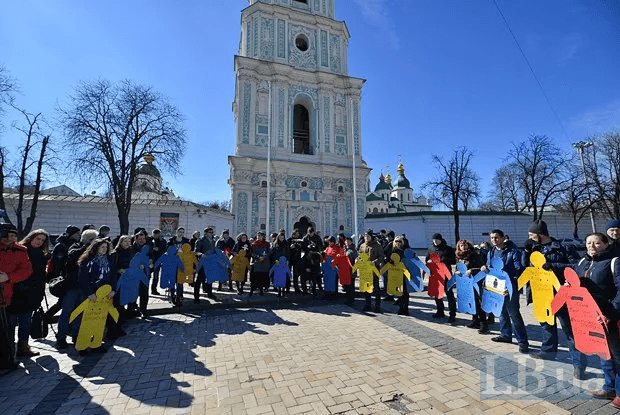
Reşat – Hero of Ukraine
Lerane Khaibullayeva effectively became the spokesperson for the Ametov family — she shared information on social media about the search for Reşat and the discovery of his body with signs of torture. She also spoke to journalists about these events.
Moreover, she persuaded Reşat’s grieving wife to give interviews, understanding that, although difficult, it was necessary to speak out. The world needed to know what had happened. Journalists came to the Ametov family from Poland, Japan, the United States, and many other countries.
“I became, if you can say so, the spokesperson for this family. Because the wife didn’t give any interviews at all. She couldn’t. Simply could not, morally. I knew it was necessary to speak. She cries and says, ‘I can’t.’ I say, ‘Sit down, cry, and I’ll speak.’ Because I just knew that it was necessary to talk about this so that people would know,” Lerane recalls.
The effort was not in vain — Reşat’s story and the violations of the rights of Ukrainian citizens, especially Crimean Tatars, drew attention. Although, to be honest, the matter did not progress beyond statements and resolutions.
Reşat Ametov went down in history as the first victim of Russian aggression against Ukraine. On the day of his funeral, the Russians killed Warrant Officer Serhiy Kokurin, the first military casualty.
At the time, these tragedies were mourned in Crimea and across mainland Ukraine, yet no one could imagine that over the next ten years the Russians would kill tens of thousands more of our citizens.
In 2017, by decree of the President of Ukraine, Reşat Ametov was posthumously awarded the title Hero of Ukraine.
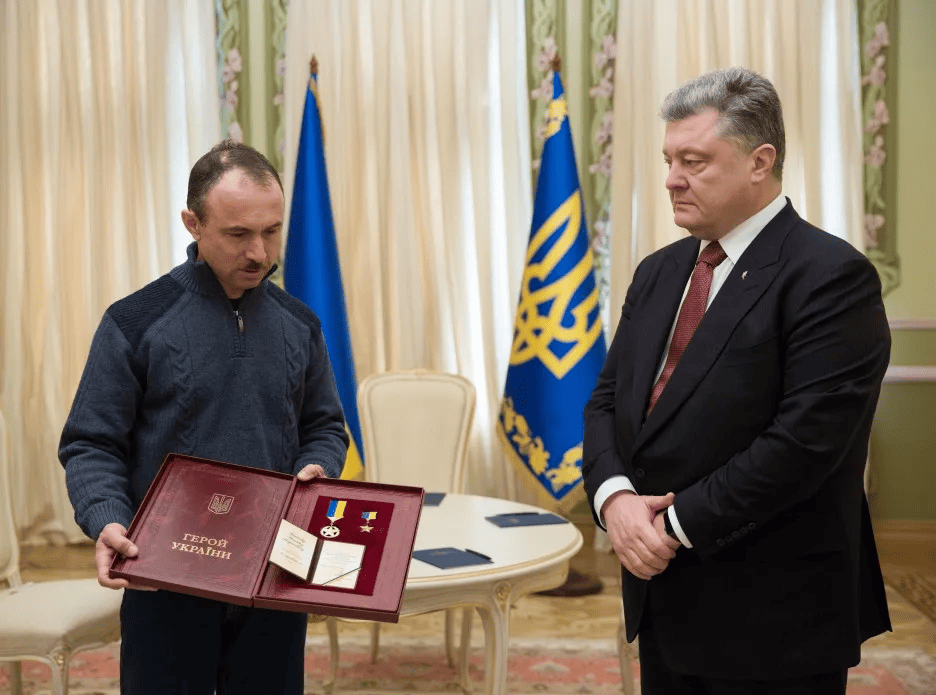
Russians Hide Their Responsibility
And what about the killers? Cameras recorded Reşat’s abduction, and it seemed the killers should have already been punished. But they weren’t. Ukrainian law enforcement opened criminal cases, yet the lack of control over the occupied territories still prevents holding the perpetrators accountable. The police and the Prosecutor’s Office of the Autonomous Republic of Crimea announced suspicions against Russian Yevhen Skrypnyk, who was the head of the so-called “Crimean self-defense,” and two of his subordinates — Oleksandr Rudenko and Oleksandr Bahlyuk. All three are wanted, but Russia, of course, does not extradite them.
Meanwhile, the occupiers also “investigated” Ametov’s murder. In April 2014, the governor Sergey Aksyonov claimed that the so-called “self-defense” was allegedly not involved in the abduction, torture, or killing of Ametov.
At the same time, in December of that year, Reşat’s brother reported that the Russians had suspended the investigation after questioning those involved in the abduction. Allegedly, they had alibis, so the guilty parties “could not be found.” Since then, no one has resumed the investigation.
It is worth noting that in a 2016 report, the United Nations Office of the High Commissioner for Human Rights classified Ametov’s killing as an extrajudicial execution.
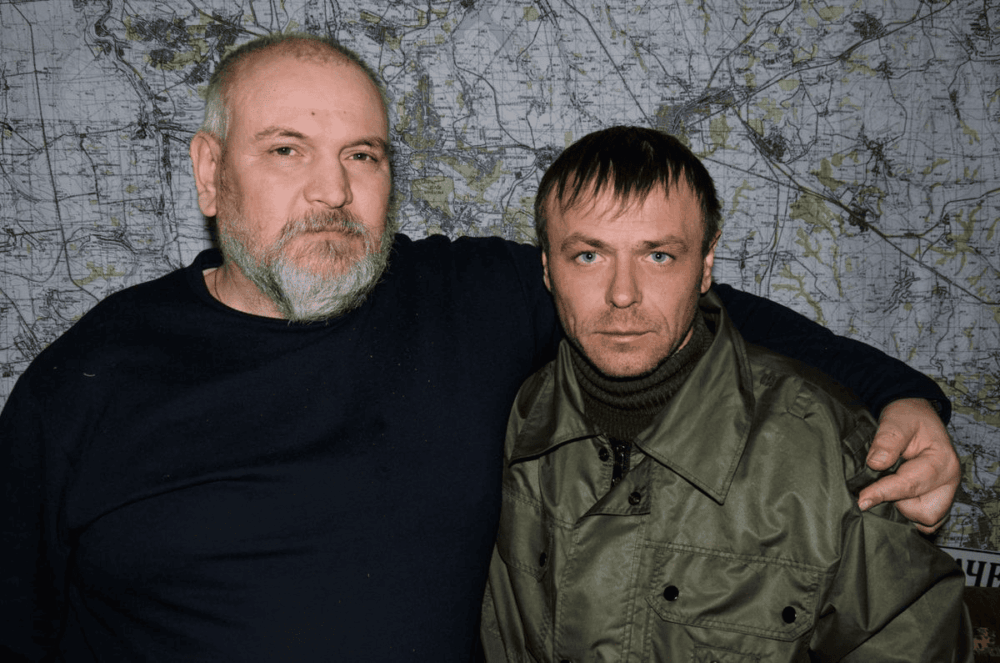
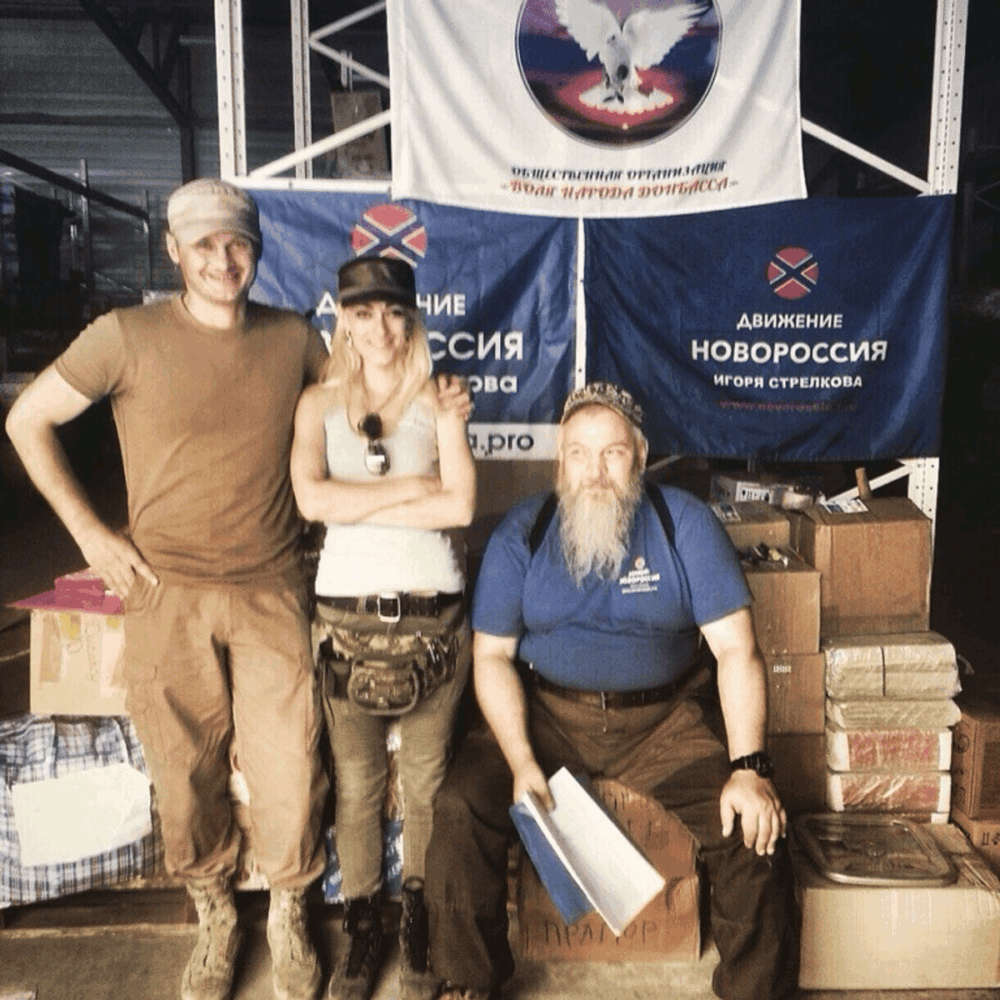
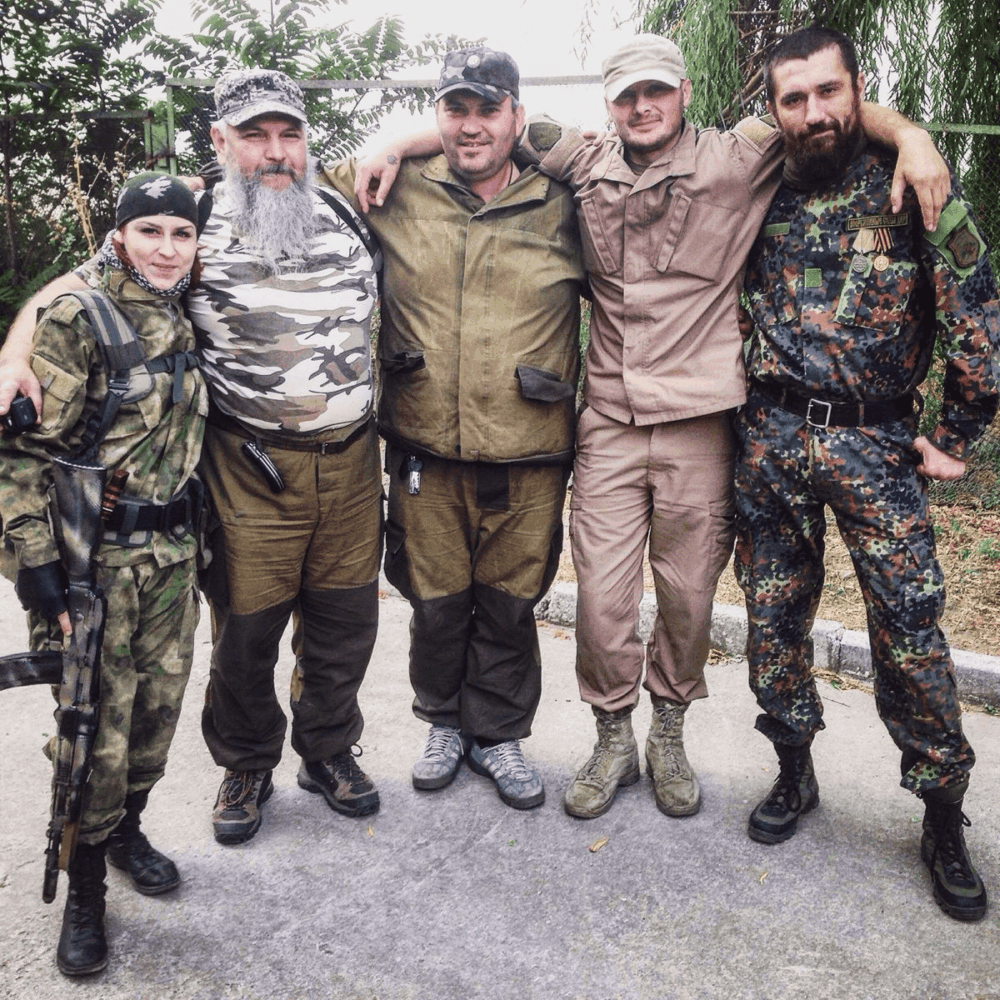
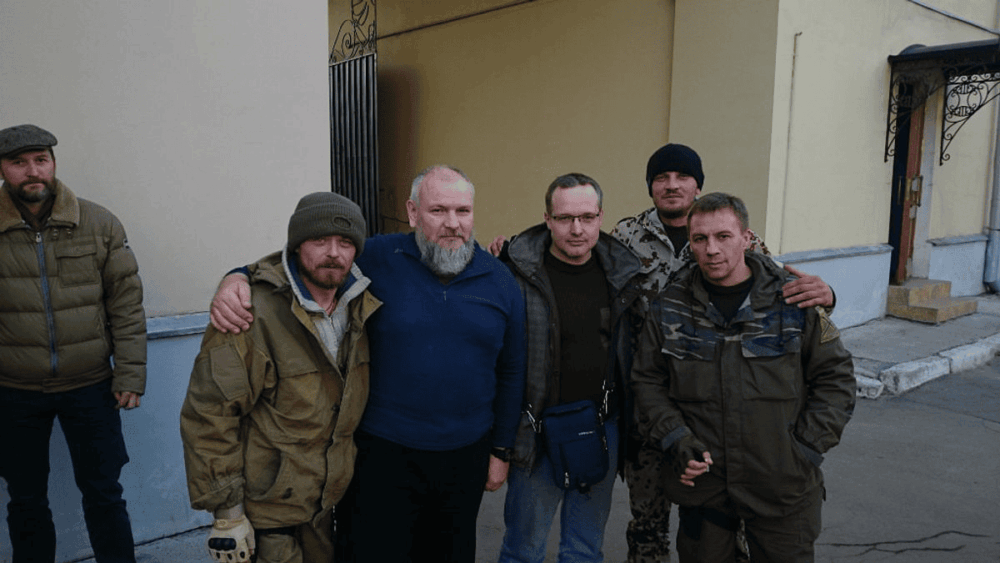
Returning to the main suspect in the torture and murder of Reşat Ametov — this is Skrypnyk, a retiree at the time who had served in Russia’s airborne forces. He led the so-called “self-defense.” And what kind of “self-defense” is led by a retiree from Moscow Oblast? He not only commanded the occupiers but was also friends with the terrorist Girkin-Strelkov. At the time the Prosecutor’s Office of the Autonomous Republic of Crimea announced suspicions, he was likely hiding in the occupied territory of Donetsk. What has become of Skrypnyk now is unknown.
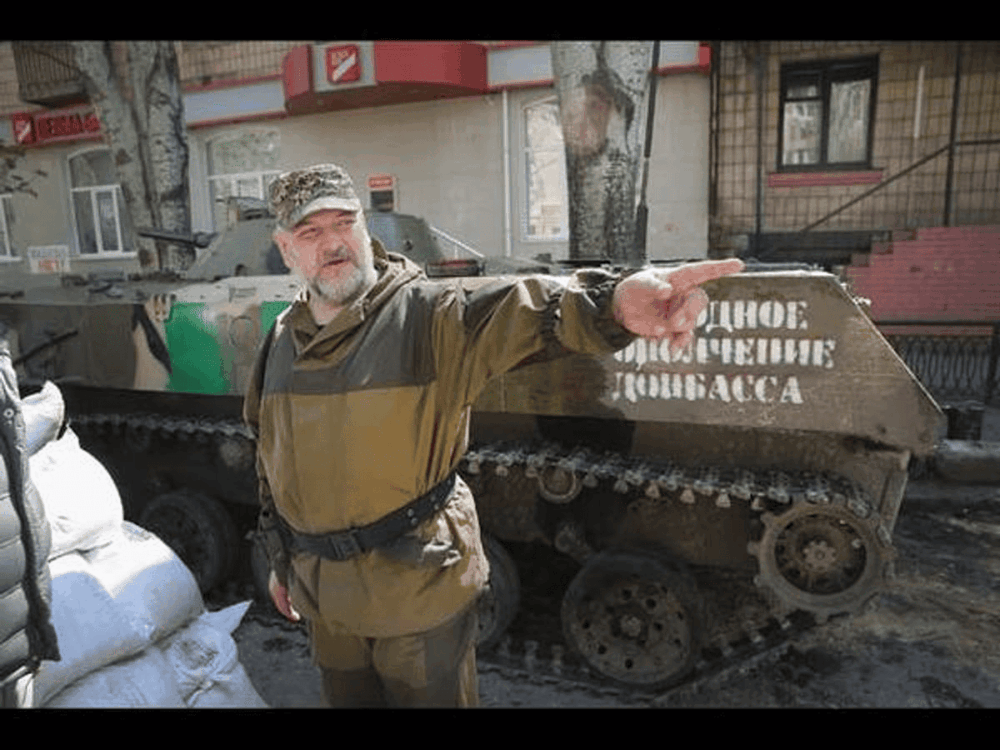
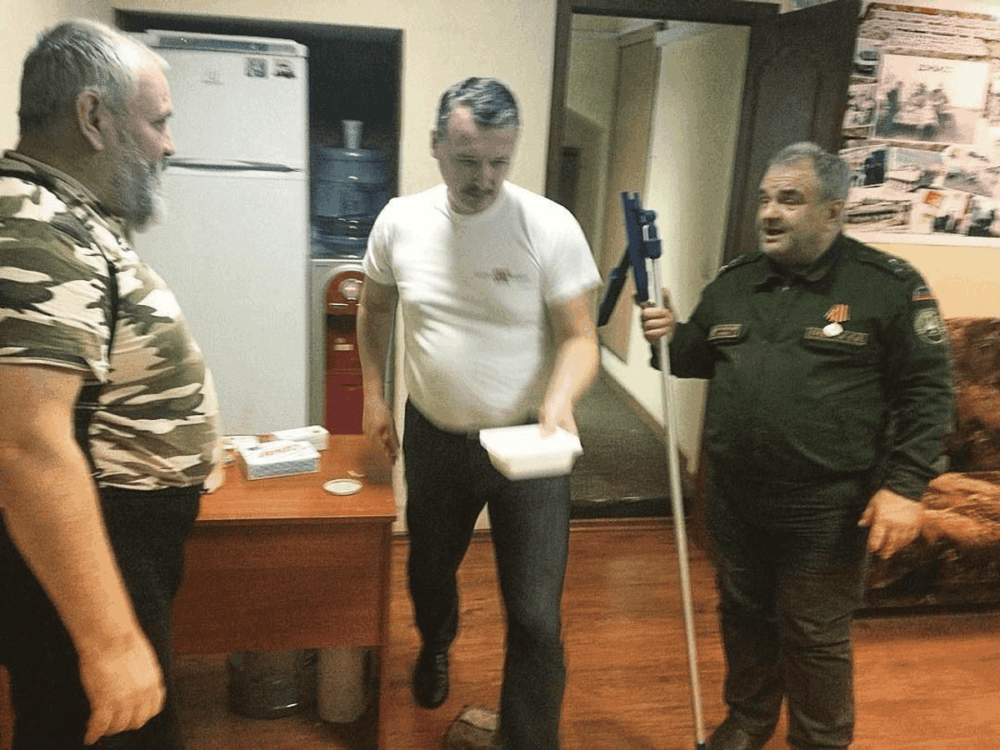
Hatred and Fear: Why the Russians Killed Ametov
The story of Reşat Ametov raises one question — why? Why did the Russians decide that a Crimean Tatar, taking part in a solitary, silent protest, was dangerous? And why did they kill him so brutally?
It was a combination of fear and hatred. Propaganda has always targeted Crimean Tatars. Even back in 1944, when they were deported to Central Asia, the local population was frightened by the “monsters” Soviet propaganda portrayed them to be. When the Tatars returned en masse to their homeland, the propaganda shifted — claiming that Crimean Tatars had come to take houses and land. Interestingly, these narratives were most loudly expressed by those living in the very houses from which the Tatars had been forcibly evicted one terrible morning.
The propaganda worked, and many people, mostly Russians, viewed Crimean Tatars with suspicion and hatred. The Tatars’ desire to develop their language and culture enraged them. That is why Reşat’s killers targeted someone to “pay” for it.
But this was not the only reason — there was also the fear of the Russians. This may seem surprising, since how could a single man intimidate thousands of armed “little green men” and “self-defense” forces? Yet there is an explanation.
Obviously, the Russians feared that Reşat Ametov’s example would be followed. With each passing day, more people would join such a silent protest — not only Crimean Tatars. And the more people protested, the harder it would be to create the illusion of “total support” for the occupiers’ actions in the so-called referendum. This is exactly what Reşat wanted: for people to come to the central square for a peaceful, silent protest.
The Russians hoped that killing Ametov would scare everyone. That is why they did not even try to hide his body — so that everyone would be horrified. They were terrified. The resistance would stop.
Did it work? Clearly, no. Reşat Ametov’s funeral demonstrated the unity of the Crimean Tatars, especially against the backdrop of these horrific events. The resistance of Ukrainian citizens has now continued for ten years. Today, Crimean Tatars also serve in the Armed Forces of Ukraine, and for them, Reşat Ametov is an example — he died as a shahid.
“Every year, I reflect on Reşat’s death. He is a national hero and a lone fighter. Could he be an example for Crimean Tatars? For those Crimean Tatar soldiers currently serving? Yes. What motivated them to join the Armed Forces? I think some of them, in particular, went because of Reşat,” notes Lerane Khaibullayeva.
Today in Crimea, the movements “Yellow Ribbon” and “Atesh” are active. Activists also avoid open confrontation with the occupiers but do everything to make them understand that they have no place on Ukrainian soil.
Just as Reşat Ametov did.

![The Kyiv Instytutska Street massacre during the Maidan Revolution of Dignity, where Berkut’s “Black Company” shot and killed unarmed protesters. :contentReference[oaicite:2]{index=2}](https://empr.media/wp-content/uploads/2026/02/photo-1-480x270.png)



![Visitors at the “Thank You With All My Heart” Ukrainian exhibition at the Council of Europe, featuring the Great Amber Heart and powerful war art. :contentReference[oaicite:2]{index=2}](https://empr.media/wp-content/uploads/2026/02/heart-300x171.png)


![Ukrainian Roboneers and Latvian partners at the signing of a defence robotics and underwater technology cooperation memorandum. :contentReference[oaicite:2]{index=2}](https://empr.media/wp-content/uploads/2026/02/oboronka-300x168.png)