

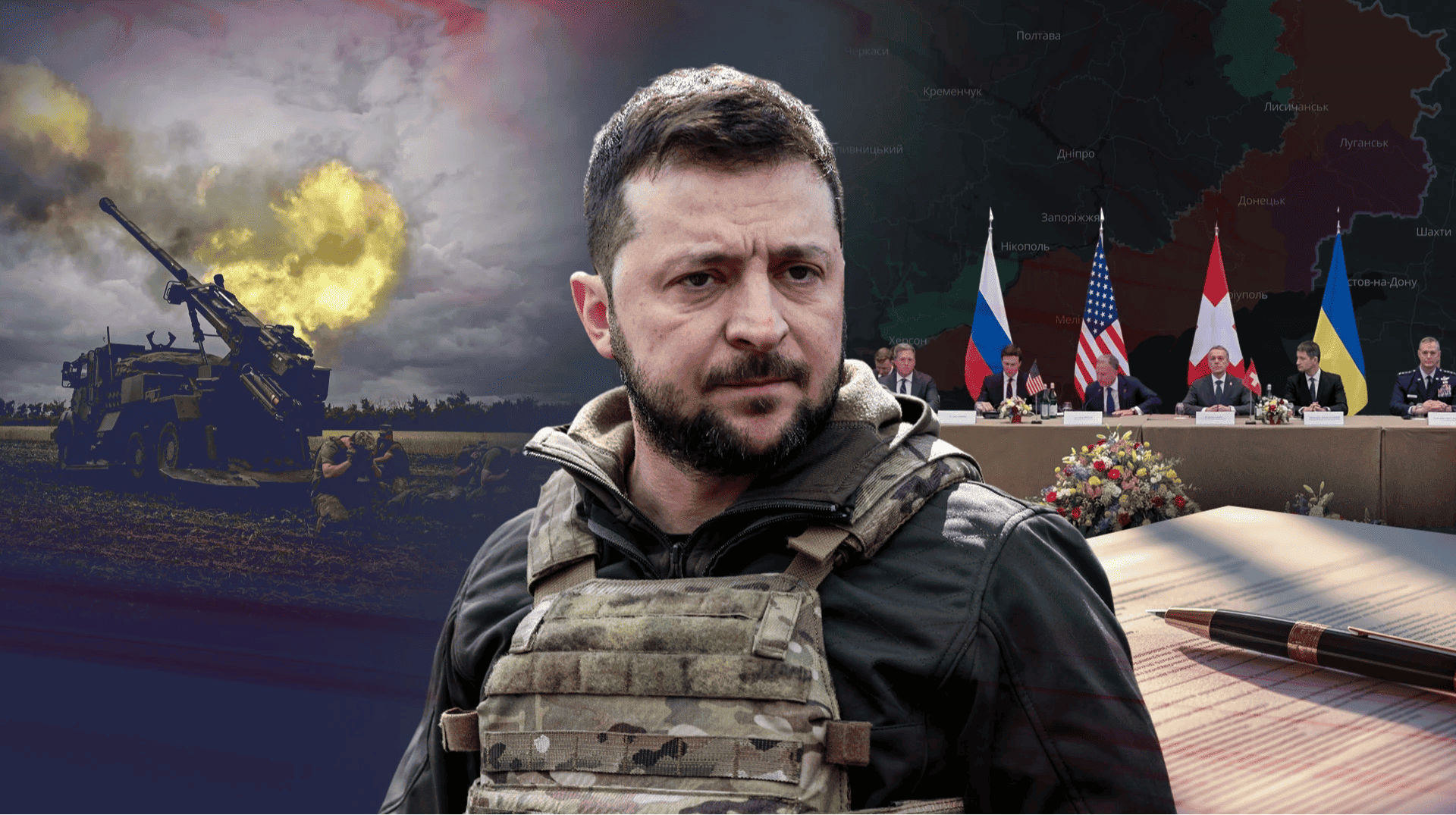
Ukraine’s fate today is being decided by unknown people in an unknown format — a direct consequence of how Volodymyr Zelenskyy and Andriy Yermak have degraded the country’s diplomacy.
By Oleksandr Kovtunenko.
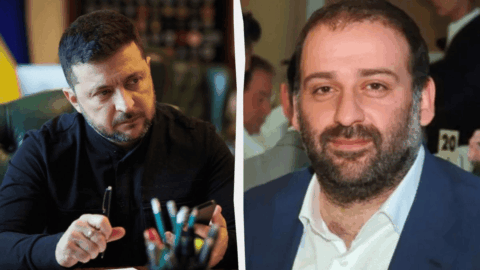
We have reached an absurd and humiliating point: Ukraine’s negotiator is not an authorized representative of the U.S. State Department, not a career diplomat, and not even a special envoy with a clear mandate. Instead, it is personal acquaintances of Donald Trump — people from his private circle, including figures long involved in business, lobbying, and semi-shadow “backroom deals.”
In effect, the negotiation process has degraded into informal arrangements among individuals with no official positions, no responsibility, and no accountability. And it is in this format, behind closed doors, that Ukraine’s future is being discussed — increasingly in a logic that serves Russia’s interests. This raises a key and uncomfortable question: who exactly is the President of Ukraine speaking with today? Who is this person? What mandate do they have? Whom do they represent — the U.S. government, Trump’s political campaign, or their own business interests?
Pressure Instead of Partnership
This alarming picture is echoed by The Wall Street Journal. According to the outlet, the United States is exerting pressure on Ukraine and showing little readiness for compromise on the so-called “peace deal.”
WSJ sources describe talks between Ukraine and its Western partners as a tug-of-war — notably without Russia at the table. The aggressor is absent, yet its demands somehow persist in the negotiating documents.
Washington is pushing for rapid decisions — not because circumstances have changed, but because U.S. domestic political logic demands it. Zelenskyy and European allies, by contrast, point to an obvious reality: deep, fundamental disagreements remain, ones that cannot be “resolved” with a single signature or a polished press release.
Berlin: A Dead End
A WSJ source familiar with the Berlin talks describes them bluntly: negotiations were difficult, and the American side appeared unwilling to make concessions on its own version of a “peace agreement.”
And this is the key point: this is not a joint project, not a compromise document, and not the result of balancing interests. It is an American project presented to Ukraine as a given.
Ukraine is effectively offered a choice without a choice: agree now — or be labeled the party “blocking peace.”
A Systemic Problem, Not an Accident
None of this is a sudden failure. It is the direct result of years of policy by Yermak and Zelenskyy, who have:
- dismantled institutional diplomacy;
- replaced professionals with “trusted insiders”;
- substituted state channels with personal contacts;
- built foreign policy on informal ties rather than rules.
As a result, Ukraine finds itself in a situation where decisions about its future are discussed by people without names, without positions, and without accountability — but with very concrete interests.
This is no longer diplomacy.
It is bargaining.
And what is being traded are not papers, but territories, sovereignty, and Ukraine’s right to make its own decisions. If the state does not return negotiations to the framework of institutions, mandates, and public accountability, the question “who is the President of Ukraine talking to?” will soon turn into a far more dangerous one: who has already decided everything — and on whose behalf?
Tags: diplomacy breakdown foreign influence peace process political pressure Ukraine negotiations unmandated intermediaries wartime diplomacy
![The Kyiv Instytutska Street massacre during the Maidan Revolution of Dignity, where Berkut’s “Black Company” shot and killed unarmed protesters. :contentReference[oaicite:2]{index=2}](https://empr.media/wp-content/uploads/2026/02/photo-1-480x270.png)





![Visitors at the “Thank You With All My Heart” Ukrainian exhibition at the Council of Europe, featuring the Great Amber Heart and powerful war art. :contentReference[oaicite:2]{index=2}](https://empr.media/wp-content/uploads/2026/02/heart-300x171.png)