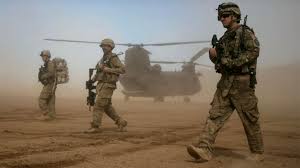
The Afghanistan U-turn reflects a major geopolitical shift as global powers reassess decades of intervention, withdrawal strategies, and evolving regional realities.
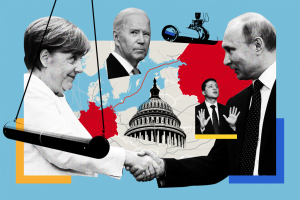
Nord Stream 2 became a geopolitical fault line, reshaping Europe’s energy security, deepening dependence debates, and escalating tensions between Russia, Ukraine, and the EU.
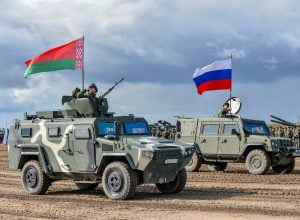
Russia and Belarus’ West-2021 drills reveal a growing hybrid threat to Europe, exposing NATO vulnerabilities and reshaping Eastern flank security dynamics.
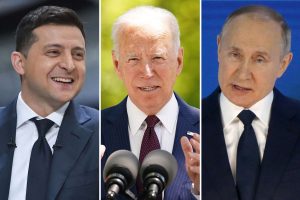
A shifting global order is redefining US–Ukraine–Russia relations. This analysis explores how power, war, and diplomacy may evolve in the midterm geopolitical landscape.
Belarus plays a decisive yet often overlooked role in Russia’s war against Ukraine—serving as a strategic launchpad, political ally, and key factor in regional escalation dynamics.
The Kremlin’s “Sea Loop” strategy reveals a hidden maritime pressure system designed to disrupt, deter, and economically strangle Ukraine’s Black Sea port operations.
“Withdrawal without withdrawal” exposes how military rhetoric and selective redeployments shape perceptions of Russian troop movements in the Ukraine war narrative landscape.
Russia’s troop withdrawal near Ukraine’s border was not simple de-escalation—it carried a “specific character” signaling strategic military repositioning and pressure tactics.
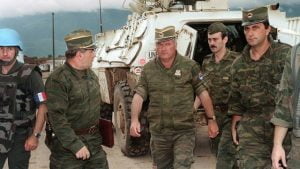
Why is the Kremlin invoking Srebrenica in Donbas? This analysis explores how genocide narratives can be used to justify escalation—and what it means for Ukraine and the world.
Russian-linked lawyers have filed thousands of complaints against Ukraine at the ECHR, in what investigators describe as a coordinated legal pressure campaign.