Russia, the occupying aggressor, has unleashed systematic energy terror against Ukraine’s major civilian cities.
Repeated strikes on power generation, CHP and thermal plants, and energy grids during severe have left hundreds of thousands without electricity and heating across multiple cities – in temperatures of minus 10 to minus 19°C.
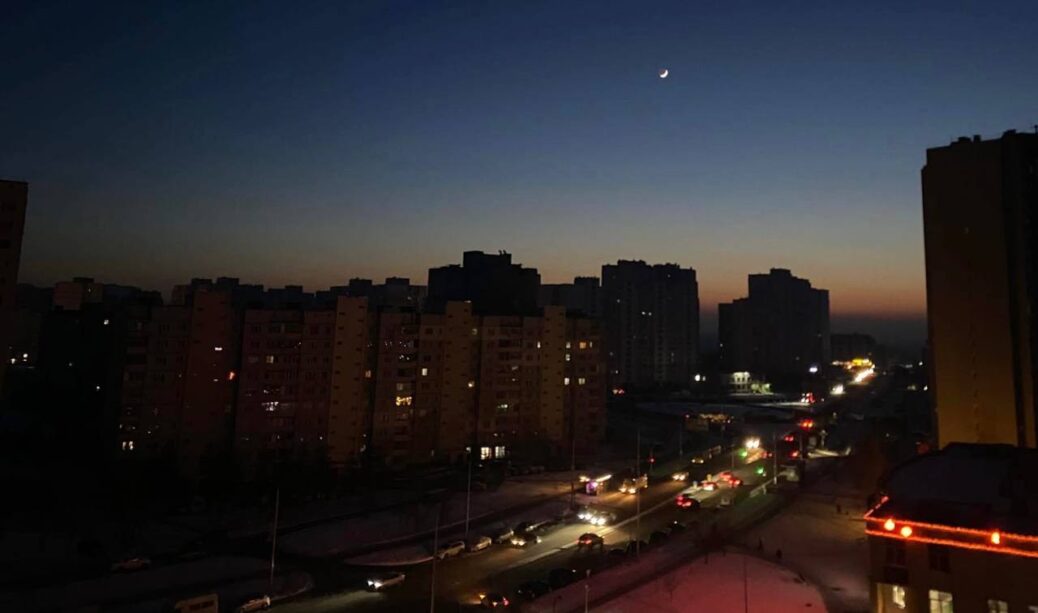
Kyiv alone has suffered at least five destructive attacks on civilian, critical energy infrastructure in less than a month after Christmas: December 27, 2025, and January 9, 13, 20, and 24, 2026. Typically, within one to two hours of these attacks, large parts of the city lost electricity, heating, and water for extended periods. At least three times, more than 6,000 apartment buildings were left without power and heat.
Municipal services have already had to carry out large-scale restoration of energy and heating supply across entire residential districts three times. In some buildings, there has been no heating for nearly two weeks.
Overall, restoring utilities takes at least several days – and in some cases, already weeks. As soon as the situation slightly improves, Russian forces launch new missile and drone strikes, plunging everything back into blackout.
Heating a city apartment under these conditions is extremely difficult.
As of now, after the latest attack, the most severe situation is in Troieshchyna. Additional aid points and heated tents, including overnight shelters, have been deployed. Immobile residents are being evacuated from apartments, and families with children are trying to relocate temporarily to places where it is warm. Conditions are also extremely difficult in buildings damaged by Russian missiles or drones.
Utility repair crews from across Ukraine – including Vinnytsia, Lviv, Mykolaiv, and many others — have arrived to help restore heating in the capital. Sincere thanks to all of them.
At the same time, the city continues to function. Stores have no food shortages; the only items selling out quickly in areas with frequent water outages are large water containers and electric heaters. Ready-to-eat meals are in high demand: buy, heat, eat.
Markets remain open. In shopping malls and salons, Kyiv’s women are still getting manicures and hairstyles – full styling, coloring, everything – not just washing hair, since there is no water at home at all.
This winter feels unusually long and vicious compared to previous ones. On several nights, temperatures dropped to minus 16–19°C, with daytime temperatures around minus 12°C. In concrete apartment buildings, just a few hours after strikes and shutdowns, indoor temperatures fell to 12–14°C, and in some buildings to as low as +8–10°C. Now we know – it is survivable. But it should never be like this again.
Where possible, people are being moved to remote work. But working from home with no heating and only a few hours of electricity per day is a serious challenge with questionable effectiveness.
Emotionally, the atmosphere is neither panicked nor despairing. People perceive the situation as a problem to be solved. Online, Ukrainians share survival tips for living in apartments with cold radiators, prolonged power outages lasting 17–24 hours or more, and without cold – let alone hot – water.
No one knows what comes next. But the most important thing is that the Ukrainian front holds. Because the cold of Muscovite occupation is far more terrifying than January frost or temporary freezing in a concrete box – and far harder to defeat.
Tags: civilian targets energy infrastructure attacks Humanitarian Impact Kyiv blackout Russian Strikes Ukraine resilience ukraine war winter crisis