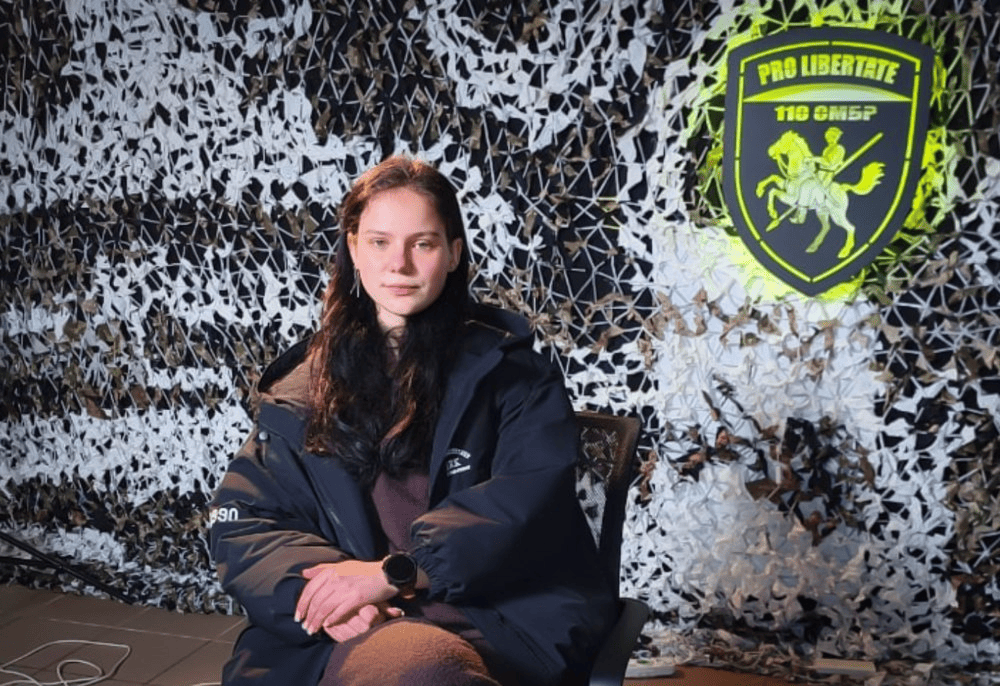
A 19-year-old UGV operator with Ukraine’s 110th Brigade speaks about her first missions, motivation to join the army, daily service, training, and how she adapted to military life.
“I did my job — I’m calm,” says 19-year-old Oleksandra, call sign Grinch, an operator with the Tryglav ground robotic systems company of the 110th Separate Mechanized Brigade named after General khorunzhyi Marko Bezruchko.
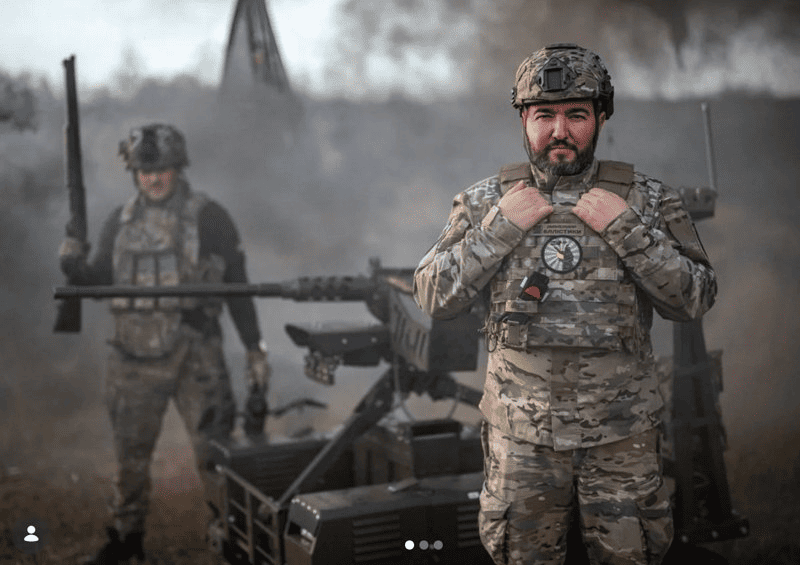
Last month, Grinch was at the controls of a ground drone that evacuated a wounded 49-year-old serviceman from a position.
“The injury was severe: shrapnel wounds and a gunshot fracture of the left leg. He was wounded during an artillery strike in the Zaporizhzhia sector. We spoke with the surgeon — the leg will be saved. I’ll say it plainly: without this evacuation, he would not have survived,” company commander Serhii Volkov explained on his Facebook page.
In the month since Grinch joined the service, this was her first evacuation mission, preceded by about ten logistical ones.
LB.ua spoke with Oleksandra about her decision to join the military, the path that led her there, and what her daily life looks like now.
LB.ua: When you were told that it would be an evacuation mission and that you had to extract a wounded soldier, what was your reaction?
Oleksandra Grinch: I was nervous. Of course, everything was explained before the mission started, but those six hours were very tense. Still, it was my job — I had to get him, the wounded soldier, out.
LB.ua: How did the mission unfold?
Oleksandra Grinch: The drone made it there without incident. On the way back, you’re worried — how he’s doing, whether he’s still alive. You try to do everything possible to deliver the wounded soldier to the medics.
There were so-called loitering drones along the route, but we managed to drive around them safely and didn’t hit any mines.
After handing the wounded soldier over to the medics, the vehicle was brought back to our position.
I don’t know anything about the wounded man. I did my job — I’m calm.
I understand that it was a difficult mission. I believe I completed it with top marks.
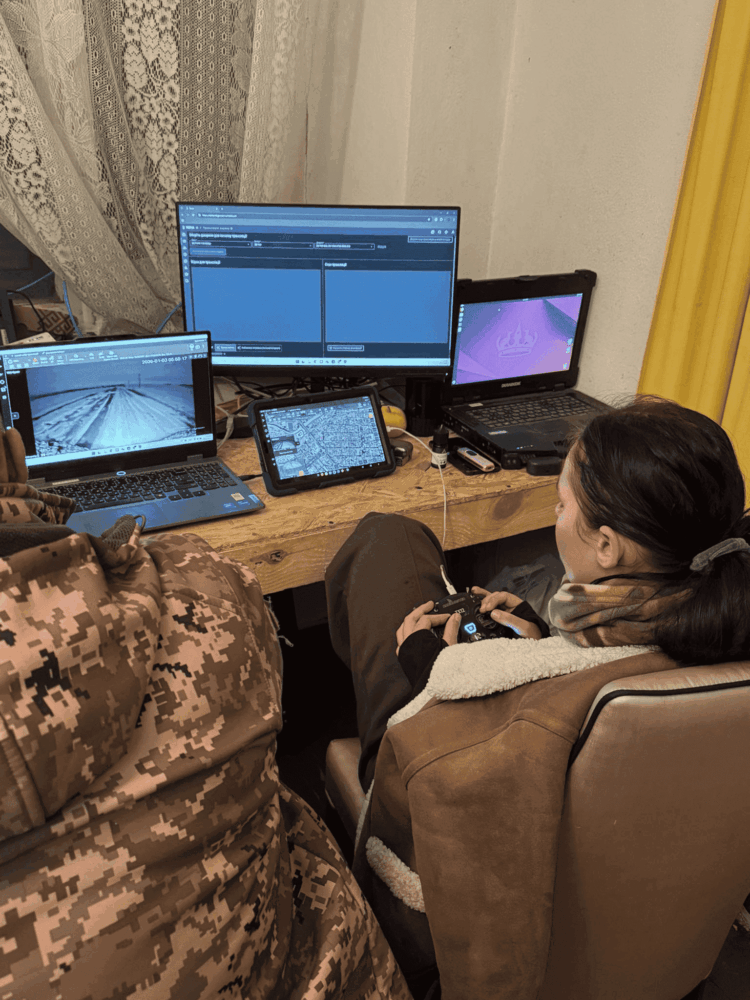
LB.ua: What does your everyday routine in the army look like now?
Oleksandra Grinch: I wake up, take care of everyday chores, and then in the evening I head out on a mission.
There are deployments every day, but sometimes the crews rotate and I’m kept back at the base so I can rest.
We deliver ammunition and supplies to positions. Everything is logistics.
Today, for example, I’m resting. That means I come in and go straight to sleep. If there’s time, I watch TV series or learn something new. But mostly, I sleep.
LB.ua: What were you preparing yourself for before starting your service, and what turned out to be unexpected?
Oleksandra Grinch: I knew it would be hard. I knew that you have to keep learning all the time, because without that there’s no way forward. If you don’t know your job and the field you work in, you won’t be able to do anything. I understood that.
But when I got here, it turned out not to be as scary as I’d imagined. Everything can be learned, everything is explained, and you understand it all. The main thing is not to slack off.
LB.ua: I know that many people are demotivated at the start of their service by the conditions of basic combined arms training. What was your experience of BCAT?
Oleksandra Grinch: It was great. We lived in fairly comfortable conditions. There was a lot of training — navigation, working with Kropyva, tactical medicine. Every day. I have very positive impressions of the training center.
And positive impressions of the brigade as well. I believe I ended up in a good brigade.
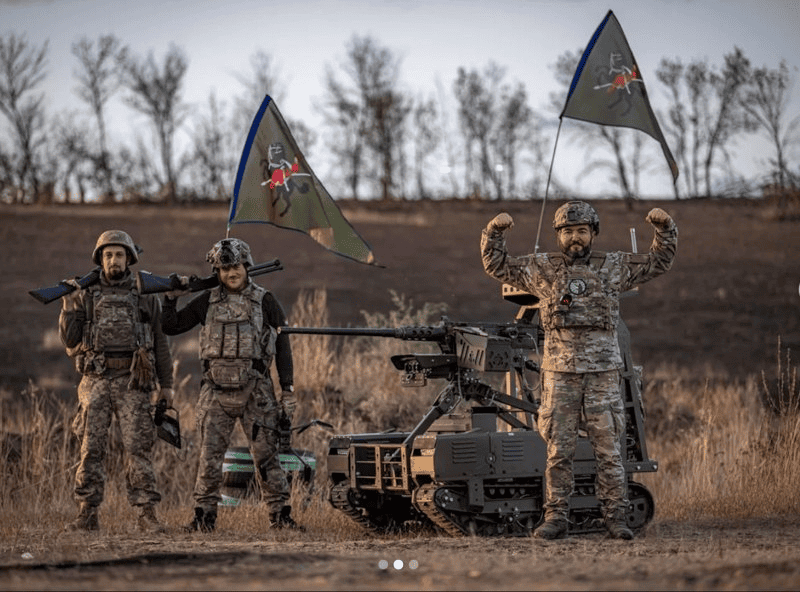
LB.ua: How did you choose where to serve?
Oleksandra Grinch: I made the choice myself. I learned about the 110th Brigade through my older sister. She has been serving here for more than a year as a combat medic. I wanted to join the same brigade as her.
She gave me the recruiters’ contact details, and I got in touch with them and made the arrangements.
LB.ua: How did you decide to join the Defense Forces?
Oleksandra Grinch: My mother was also in the military, my sister is in the military, so I’ve always been around this world. I know it well, and I decided for myself that I had to join. It’s probably in our genes. My mother passed away before the full-scale invasion. But that’s life.
I spent three months thinking about becoming a servicewoman, and in the end I concluded that it was worth it.
It was entirely my own decision — no one influenced it.
LB.ua: What were you doing before joining the army?
Oleksandra Grinch: I studied veterinary medicine and then went to work. My last job was as a florist. I worked for six months and then started gathering the documents.
LB.ua: How long did that take?
Oleksandra Grinch: About two weeks. I had to pass the military medical commission, gather all the paperwork, and wait for approval. And two weeks later I left for basic combat arms training (BCAT).
I was very determined. I knew where I was going and why, so I had no doubts.
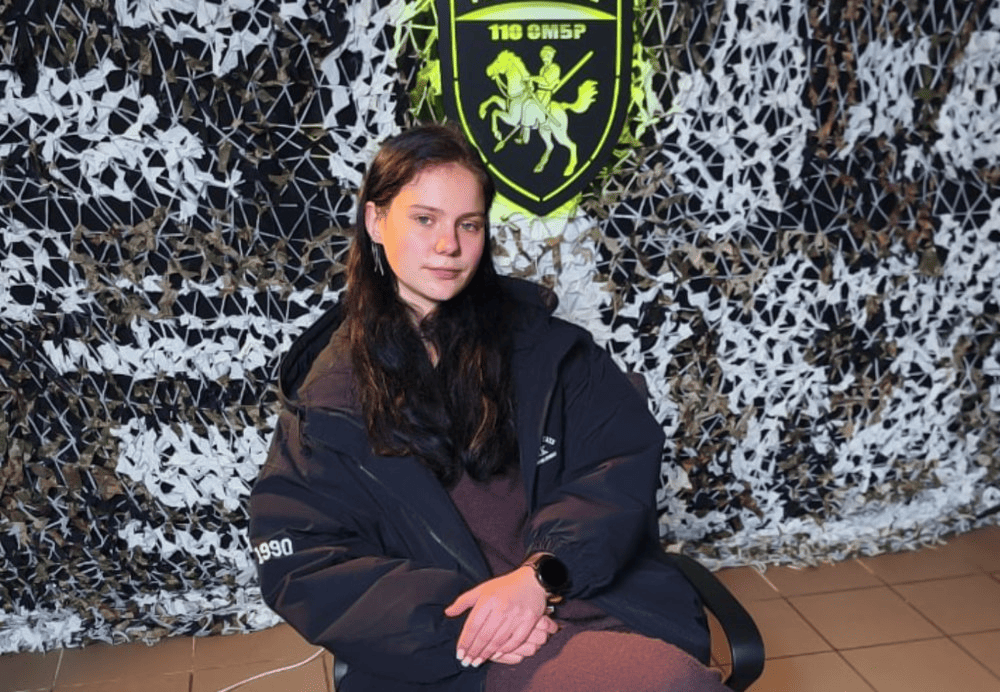
LB.ua: How did your family and loved ones react?
Oleksandra Grinch: They were shocked. They asked why. I said that I believed this was something I needed to do. They accepted it — not right away, but they came to terms with it. And now they call me every day, support me, tell me how much they’re waiting for me. They worry.
But I tell them that everything will be fine, and I believe that.
LB.ua: At the start of the war, you were nine years old. What do you remember from that time?
Oleksandra Grinch: I don’t really remember anything. I knew the war had started, and that was it.
LB.ua: How much time passed between BCAT and your first mission?
Oleksandra Grinch: About four months, if you count everything together.
After the training center, there was another month of training in my military occupational specialty. Then there was unit integration within the brigade: they train you, show you how and where you’ll be working, and you become part of the team. After that, I started going on missions.
For my professional training, I was selected for the Drone Force program (run by the Ground Forces of the Armed Forces of Ukraine to train specialists in unmanned systems — LB.ua). My impressions were very positive; I learned a lot.
LB.ua: How did you choose your specialty, and why unmanned ground vehicles?
Oleksandra Grinch: At first, I was choosing between working with Mavics or serving as a medic. But then I thought, why not try UGVs — maybe it would work out. And then I got really into it and went on to specialized training.
I made the choice while I was still in BCAT. I informed the brigade of my decision, and after the training center I went to obtain my military occupational specialty.
At the training center, two combat vehicles came to visit us — we basically just drove them around, and they explained what they were, what they’re used for, and everything else. Before that, I hadn’t been interested in this field, but then I discovered the tasks they perform and how to work with them.
LB.ua: What was your first mission like?
Oleksandra Grinch: We were delivering supplies. I was nervous because I knew we were going to an area where our vehicle could be hit. But it turned out not to be that bad. I managed it, everything was delivered, we didn’t hit any mines, and we made it back. After that first run, I felt much more confident.
LB.ua: Have you already thought about your first leave? How will you spend it?
Oleksandra Grinch: I’ll go home, to be with my family.
LB.ua: Do you stay in touch with anyone from your previous circle, apart from your family?
Oleksandra Grinch: From time to time, yes. They call, ask how I am, where I’ve disappeared to. Well, I have this kind of job — I can’t always stay in touch.
LB.ua: Do you manage to stay in contact with your sister?
Oleksandra Grinch: We mostly talk on the phone. If there’s an opportunity, we visit each other. We stay in constant contact.
LB.ua: What advice would you give to your peers who are also thinking about joining the military?
Oleksandra Grinch: That’s a complicated question, given my age. You need to carefully weigh all the pros and cons so that no one ends up regretting their decision. If a person isn’t ready to join the army at this age, then there’s nothing for them to do here, in my opinion.
If you’re prepared, if you understand what all this is for and what you’ll be learning and doing — then yes. But if it’s just for the sake of it, I don’t see the point.
LB.ua: How do you explain to yourself why you decided to join?
Oleksandra Grinch: First of all, I want to help. And secondly, I understand that I’m delivering food and ammunition to the guys so they can hold their positions, and evacuating the wounded so they can live. Because I know that if we don’t evacuate them, they’ll stay there. That’s how we save lives. And that motivates me.
LB.ua: Over this time, do you feel that you’ve adapted?
Oleksandra Grinch: Yes. I’ve bonded with the team — we have common topics, we talk a lot about work. I have good commanders; if you need help, they help. So if you have a good team, you can serve.
LB.ua: Do you follow the news? Does it affect your motivation to work in any way?
Oleksandra Grinch: I don’t follow the news. At this point, I don’t think it’s necessary. I’m not interested.
Tags: battlefield innovation drone rescue mission female soldier hero UGV operator story Ukraine military interview Ukraine war bravery