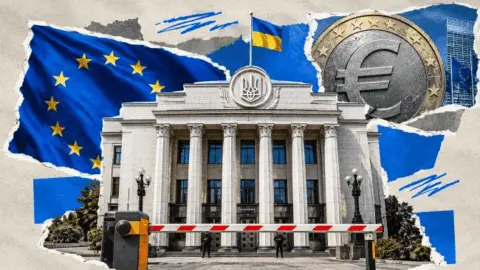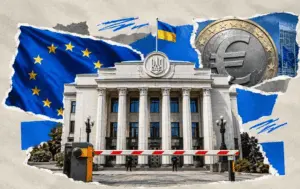
Ukraine’s parliament faces deep crisis as the ruling majority struggles with internal divisions, low discipline, and weak leadership, threatening legislative effectiveness and raising constitutional concerns.
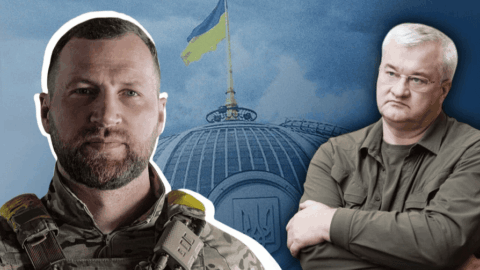
“Servant of the People” has lost its core: the faction now consists of 111 deputies,” – this statement by the first deputy head of the parliamentary majority, Andriy Motovilovets, shocked many and sparked a series of lively political debates.
Fuel was added to the fire by the head of the parliamentary committee on finance, tax, and customs policy, “Servant of the People” member Danylo Hetmantsev, who said that “the Rada has broken down,” as well as his former colleague, now a member of the parliamentary group “Restoration of Ukraine,” Oleksandr Yurchenko, who stated that “50–60 ‘servants’ have submitted resignations.”
In response, President Zelenskyy threatened the deputies “who are tired” with going to the front: if they don’t want to serve society, they should serve in the trenches.
BBC News Ukraine spoke with a number of parliamentarians, primarily representatives of the “monomajority” at various levels, to hear their version of events.
Most of them agreed to provide comments only on the condition of anonymity.
All deputies confirm that there are indeed problems with votes, but these are triggered not by a single factor, but by a whole range of issues.
In brief, these problems can be listed as follows:
- fatigue from the decisions and proposals of the Yuliya Svyrydenko government;
- frustration that “people from Mindich have still not been dismissed”;
- fear over NABU cases involving members of parliament;
- resentment toward the Office of the President after the summer scandal over voting first to revoke and then to restore the independence of NABU and SAP;
- resentment toward the president due to his general attitude toward parliament and toward certain deputies personally;
- dissatisfaction over the parliament’s lack of involvement in the peace negotiation process;
- worsening communication between faction leadership and ordinary “servants”;
- organized protest driven by ideological motives from the “Razumkov group,” the “Pavlyuk group,” and other informal formations within the faction.
At the same time, a single deputy can sometimes be motivated by several of the factors listed above simultaneously.
To better understand the nature of these problems, let’s look at some of them in more detail.
Formally, the parliament still has a “monomajority” of “Servant of the People,” which unilaterally formed the government. In theory, the existence of a single-party coalition would allow it to make decisions independently, but in practice, this has long since broken down.
Government: crisis of constructiveness and competence
“We have been given the fate of working not just in difficult times, but in the midst of a true historical storm. The Ukrainian government will continue to be fully open to cooperation with the Rada,” – assured the deputies on July 17, 2025, the prime minister candidate Yuliya Svyrydenko.
At that time, parliament believed her and gave 262 votes in favor of her appointment.
However, just a few months later, the relationship between the neighbors on Hrushevskyi Street – the Rada and the Cabinet – began to crack.
“Government officials meet with us, explain things, but usually nothing happens afterward. Plus, the repeated use of the same tools, like these cashbacks, is starting to become simply ridiculous. As a result, more and more deputies are asking themselves: ‘Are our prime minister and her economic team really competent and mature adults?’” – an influential parliamentarian explained to BBC News Ukraine.
The Rada initially expressed its public dissatisfaction with the prime minister and the Cabinet during the government question hour.
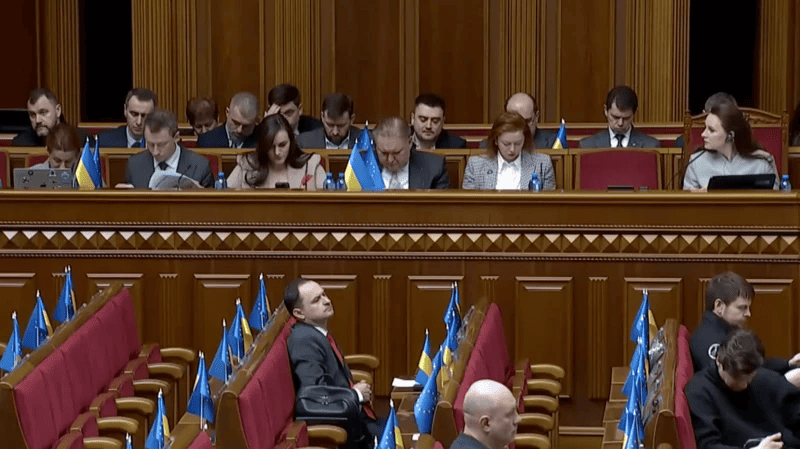
“Just look at what happens every Friday: only a few dozen deputies are in the chamber, and the rest don’t even bother to waste their time on the meaningless answers of Svyrydenko and Co., because it will have nothing to do with reality anyway,” – one of the top “Servant of the People” members told BBC News Ukraine.
A protest in this form could have continued, but against the backdrop of the need to approve commitments for the IMF in order to receive financial aid, tensions between the Rada and the Cabinet began to take on new forms.
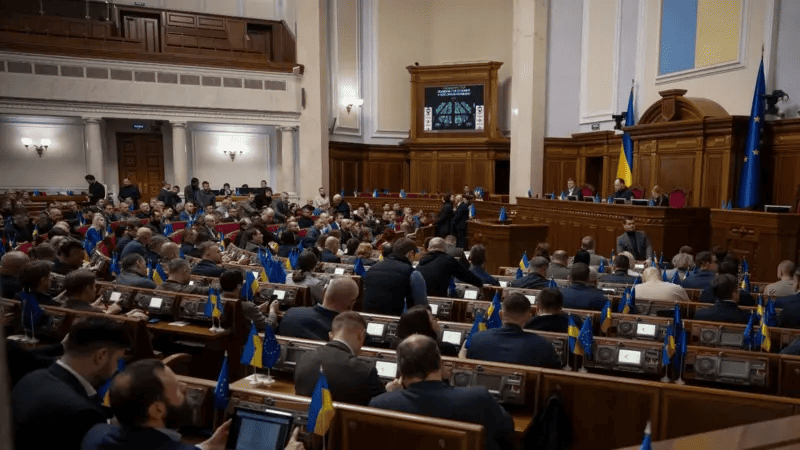
It reached the point that during the plenary week of March 10–13, deputies openly admitted to each other that they would not vote for any government bill.
“The Cabinet goes ahead, makes promises on behalf of the state without even consulting us, then submits it to the Rada, adds some more crap through amendments between readings, and then we’re supposed to vote for all this mess you signed off on!? On top of that, you take money from the budget to hand out all kinds of giveaways that bring no positive effect to the country’s economy during the war!? Well, go take a hike!” – one “Servant of the People” deputy told BBC News Ukraine.
And this is not an isolated stance. The monomajority followed similar reasoning, for example, during the vote on the OLX tax – one of the four key commitments of the Ukrainian government to the IMF.
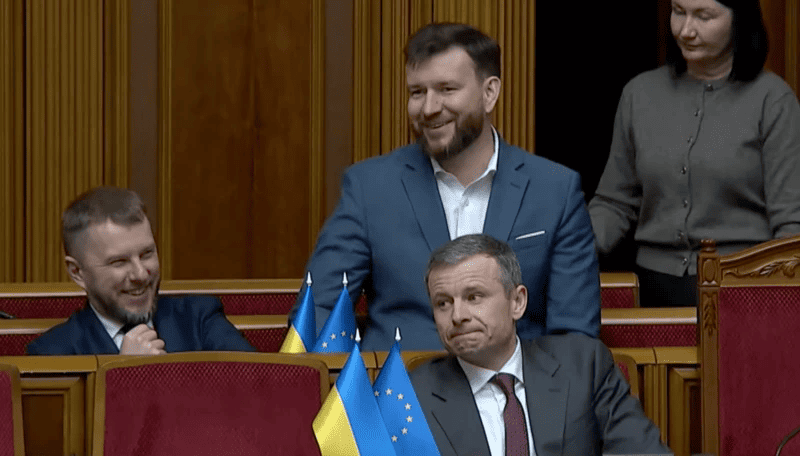
On March 10, this bill barely gathered 168 votes in the chamber, with only 126 from “Servant of the People” deputies. The deputies also refused to return the bill for a repeated first reading or even for government revisions.
It was simply defeated without any alternative offered to revive it.
But the problem in relations between the Rada and the government goes beyond this.
Deputies are also dissatisfied with the extremely low quality of the bills the government submits for their consideration.
“Sometimes it feels like the Cabinet is just formally initiating something, then telling the Rada: ‘Well, we’ve done our part, now you work, and if you don’t vote, it’s on you.’ And in the public’s perception, that’s exactly how it looks: ‘A good Cabinet helps people with money, and a bad parliament is the enemy of the people because it passes bad laws,’” – one of the top members of the monomajority told BBC News Ukraine.
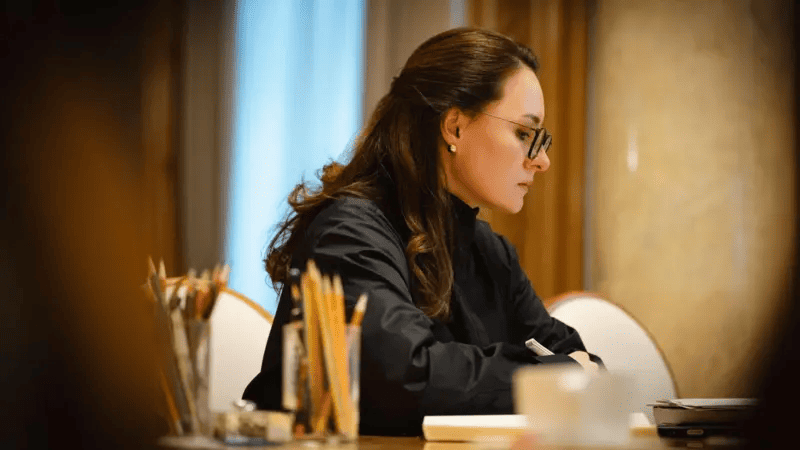
A separate part of the “Servant of the People” complaints is directed personally at Prime Minister Yuliya Svyrydenko. In their view, she has absolutely no political weight or authority among deputies.
“It’s hard for her to come to us for an honest conversation. She’s afraid she’ll just get torn apart. Although she would need to face such a meeting to earn authority – how else can you gain respect? But Yuliya finds it easier to go to the neighboring building and spin the narrative there that ‘the parliament is bad,’” – one “Servant of the People” deputy said.
The opposition is also dissatisfied with Svyrydenko’s communication with parliament.
“This communication is episodic and stems from the approach, ‘Why cooperate with anyone if there is a monomajority?’ But here’s the nuance: the ‘monomajority’ doesn’t really exist,” – emphasizes Serhiy Sobolev, deputy head of the “Batkivshchyna” faction.
Meanwhile, one of the top “Servant of the People” members told BBC News Ukraine that he is surprised by the complaints directed at the prime minister and the current government.
“First, this Cabinet’s communication with parliament is much better than previous ones. Second, the Rada itself appointed its composition and gave it authority, and now it complains that the Cabinet is exercising that authority. Third, the funds for e-Support are already included in the budget. And fourth, the IMF always negotiates not with the legislative branch but with the executive, and yet our deputies also meet with the IMF,” he said.
BBC News Ukraine reached out to Yuliya Svyrydenko to respond to all the above criticisms from deputies, but at the time of publication, the prime minister had not provided her position.
NABU and SAPO: the Mindich crisis and the presumption of innocence
July 22, 2025, became a truly black day for the current convocation of the Verkhovna Rada.
By voting to strip NABU and SAO of their independence and granting the prosecutor general extraordinary powers not seen since Yanukovych’s time, the parliamentarians opened a real “Pandora’s box.”
Thousands of people took to the streets to criticize this decision and demand its reversal.
The Rada listened to the public and by July 31 had restored everything.
However, within “Servant of the People,” this sparked a real scandal, and some members of the monomajority felt used by the Office of the President, complaining that they had been forced to “eat shit.”
But the deputies’ problems related to the SAPO and NABU acronyms did not end there.
Soon — against the backdrop of the “Mindich tapes” and a case concerning possible envelope payments to deputies — many “Servant of the People” members increasingly experienced paralysis during votes.
In the first case, it was due to outrage; in the second, due to fear.
“When the ‘Mindich tapes’ appeared, everything really started to break down. People began asking why he — someone they constantly push aside and increasingly ignore — has a lifetime PEP status (politically exposed person subject to strict financial monitoring – Ed.), while Timur, who is formally nobody but wielded enormous influence, doesn’t have PEP status and was even allowed to flee abroad. As a result, deputies just felt like fools and started underperforming in votes,” – one influential parliamentarian described the mood under the dome.
Meanwhile, against the backdrop of suspicions in the case of possible envelope payments to deputies, some members of the monomajority began worrying about their own future, which also affected the vote totals.
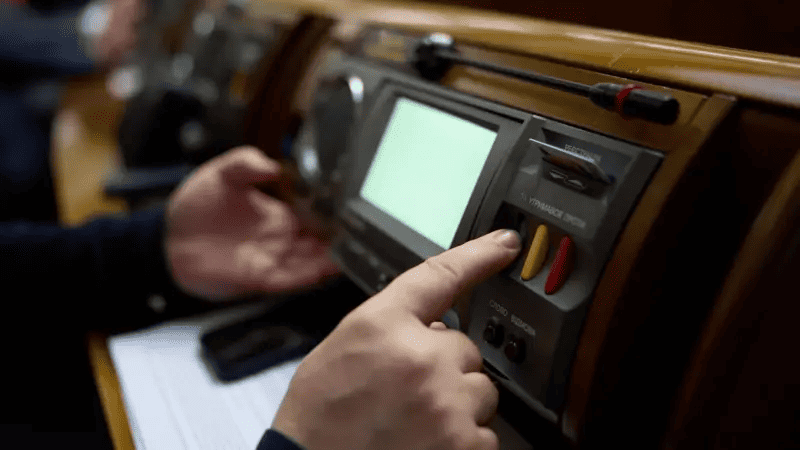
“Some deputies who are under suspicion or called in for questioning now openly say: ‘We’ll probably take a pause for this period and vote with the yellow button for everything, meaning abstain,’” – one top member of the monomajority explained to BBC News Ukraine.
Those who have not been suspected or questioned are simply scared of what they see around them under the dome.
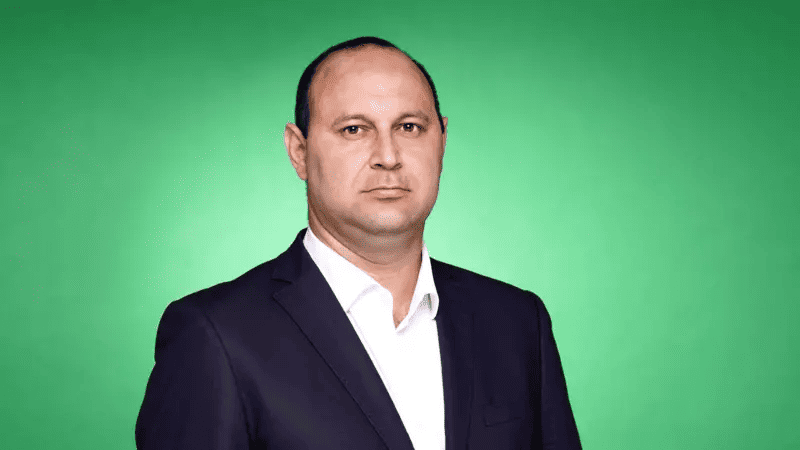
“Negulevskyi walks around the chamber with an electronic bracelet on his leg, showing it to everyone, stirring tension, talking about his interrogations and how it’s ‘unfair and ugly,’” – one influential deputy told BBC News Ukraine.
Panic over anti-corruption investigations has even reached the secretariat of the pro-presidential faction.
“Some of our staff submitted resignation letters or simply refused to survey deputies about their attendance at sessions. All because they got scared, thinking that if ordinary party analytics by NABU and SAPO are later called some kind of ‘corruption lists,’” – one “Servant of the People” deputy told BBC News Ukraine.
At the same time, all the monomajority deputies interviewed emphasized that it would be wrong to say that fear of NABU and SAPO is the main factor holding back “servants” during votes.
“There is a problem, but it’s definitely not about a hundred or even fifty deputies. There are some who got involved with ‘envelopes,’ shady agro-business deals, or something else. But such people number no more than 30,” – another member of the ruling faction stressed to BBC News Ukraine.
And one influential parliamentarian added: “It’s easy and convenient to blame everything on the NABU story, but this is definitely a much deeper issue, rooted in the relationship between the president and the faction. His attitude toward parliament has never been particularly good.”
President: crisis of trust and respect
“You have every chance to end up in textbooks as the parliament that did something incredible!” – with these words on August 29, 2019, Volodymyr Zelenskyy “blessed” the deputies of the IX convocation, who gathered for the first time under the dome on Hrushevskyi Street, 5.
But the longer this Rada worked, the more resentment toward deputies built up at the Office of the President: sometimes someone would give the president the middle finger directly from the podium, another would warn him to be careful so that “a grenade doesn’t accidentally go off,” someone would travel to Thailand during the war, or recommend “selling the dog to pay the utilities.”
And, of course, there were problematic votes on important bills.
“When they were voting on nuclear blocks, this is what they did to us! Some lists were even placed on the president’s desk, some kind of ‘messages’ were sent, like: ‘The president asked, why aren’t you voting?’” – one “Servant of the People” member recalls.
Volodymyr Zelenskyy himself has not commented on this or any other potential grievances toward the “servants.”
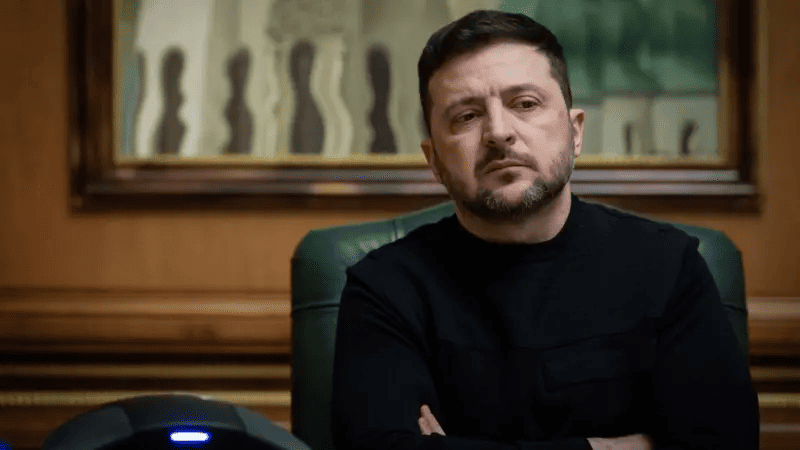
On their side, deputies also feel offended: some due to pressure from the Office, some because of what they see as the president’s unfair attitude toward them in general, some out of disappointment with certain actions and decisions of the head of state, and some because of a lack of communication between him and the faction.
However, within the monomajority, there are those who do not see Volodymyr Zelenskyy’s low involvement in discussions with deputies as a problem.
“The president is busy enough already — with matters more important than anything else. Are you suggesting he should also ask us, ‘Why aren’t you voting for the Ukraine Facility (one of the programs supporting Ukraine – Ed.)?’ — and we tell him, ‘Because we have poor communication with the government’? Well, that’s exactly something we can solve ourselves without him. Otherwise, involving him in this would just be admitting our own incapacity,” – one top member of the monomajority told BBC News Ukraine.
At the same time, the president did pay attention to parliament, especially after a series of statements from “servants” about problems with voting and “deputies’ fatigue.”
“Members of parliament will have to either serve society in parliament or serve the state at the front. I am ready to discuss with parliament representatives a law on changes to mobilization. This is my approach,” Zelenskyy said in response to a BBC News Ukraine question about the growing crisis in parliament.
However, not everyone understood him.
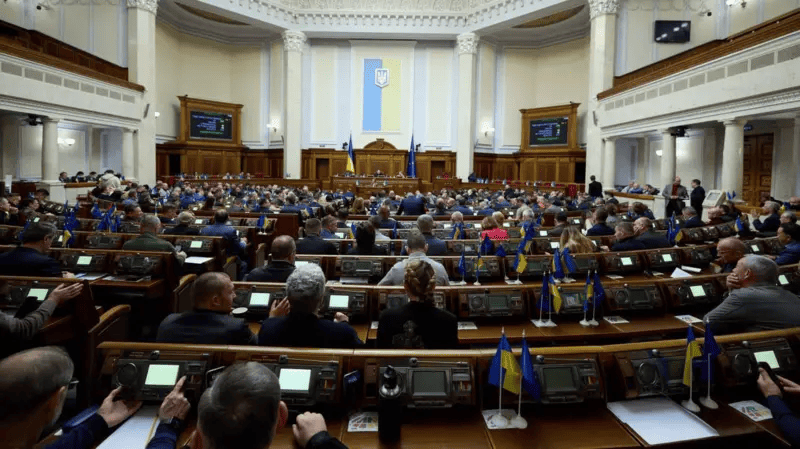
For example, in “European Solidarity,” the president’s idea is considered “not very successful.”
“He should first appeal to his own party members, the ones he brought into this Verkhovna Rada. In general, the president and his party need to have an honest conversation among themselves, rather than communicate all this through a public that is far more exhausted than the deputies,” – one ES representative told BBC News Ukraine.
The “Batkivshchyna” faction also advises the Office of the President to start with itself regarding mobilization.
“The president has good specialists there who ‘fought Chechens in Kyiv,’ so send them to the front. And parliament can be dissolved in another way, like in 2019, when ‘there was no coalition.’ There’s experience for that. But if we lose parliament, the country will descend into chaos. I don’t know who feeds the president ideas about mobilizing deputies, but he needs to get rid of such advisors and return to the question of a ‘National Unity Coalition,’ because nothing will work without it,” – Serhiy Sobolev said.
Even members of his own faction criticize Zelenskyy’s idea of sending deputies to the front.
“That’s a fantasy of the ‘fantasy’ category, because it’s hardly possible to implement in practice. Sure, all deputies resign and go to the front — and then what? Will parliament start working because of that? I don’t even know who this idea is aimed at!” – one “Servant of the People” member told BBC News Ukraine.
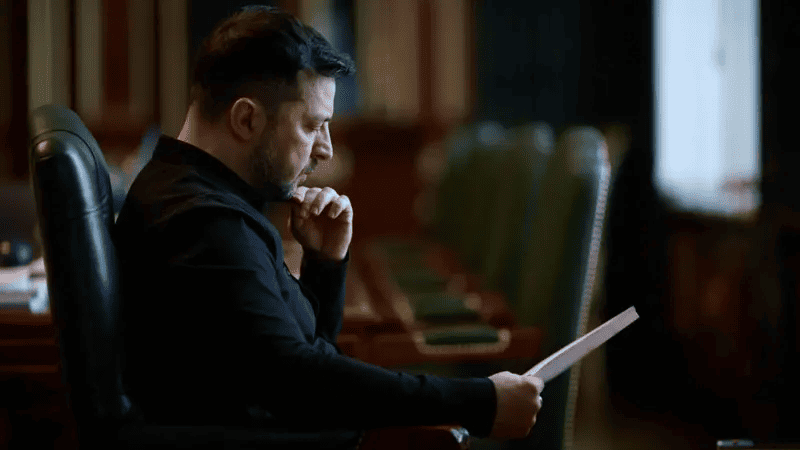
At the same time, there are those who do not see the president’s idea of mobilizing parliamentarians as a bad one.
“Sending deputies to fight is a populist, brilliant move that will be very hard for deputies to vote against, because otherwise they’ll be criticized for ‘not being with the people.’ But if, in addition to deputies, they try to mobilize all other officials, including law enforcement, NABU, SAPO, then this process could drag on, because there will be negotiations over whom to involve and whom not to,” – one influential parliamentarian told BBC News Ukraine.
Another argument in favor of such a decision is that some deputies are already fighting or are willing to fight, while others have been deemed unfit at military medical commissions or have military specializations suited for staff work rather than front-line combat.
Meanwhile, the parliamentary leadership’s circle assures that the idea of mobilizing deputies was never intended as a threat to the Rada from the president.
“This is more about the fact that the Rada isn’t functioning, not because everyone is a ‘lazy degenerate,’ but because ‘everyone went to fight.’ What questions can you have for people who went to defend their country? But if we start losing majoritarian deputies in the process, we will ultimately lose the parliament’s legitimacy, and that is a problem,” – an informed source told BBC News Ukraine.
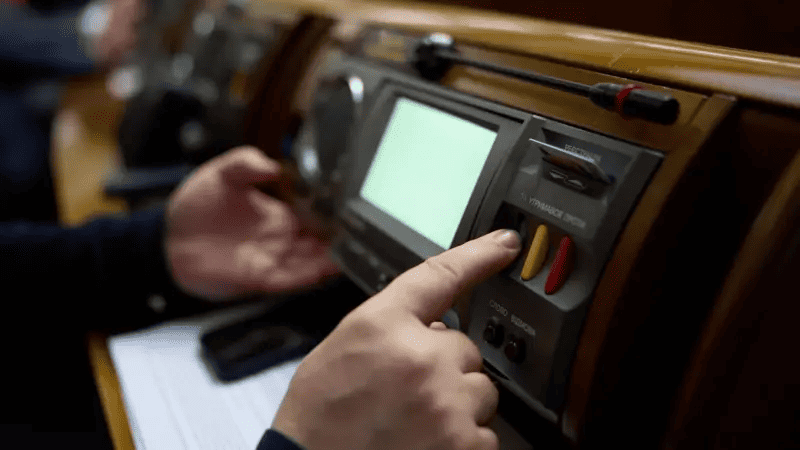
Overall, while the president is dissatisfied with the parliament’s performance during recent votes, he so far rejects the idea that a crisis exists in the Rada.
“You know, the crisis is in people’s heads. I’m not talking about society now, but about a part of the so-called ‘state-minded.’ A crisis always exists when you are looking for it and certainly not resolving it,” – Volodymyr Zelenskyy said in response to a question from BBC News Ukraine.
But do the deputies agree with him?
Parliament: crisis of the “monomajority” and its allies
All the parliamentarians — both from the government and the opposition — whom BBC News Ukraine spoke with while preparing this report agree that the current situation in the Rada is, at a minimum, difficult, and at its worst, amounts not just to a crisis but a full-blown collapse.
“For a long time, everyone pretended that everything was fine, but it’s not fine at all! So it’s good that finally someone from our side started talking about it publicly. Although, as it seems, no one currently has an effective solution for how to get out of this situation,” – one top member of “Servant of the People” described the situation, without holding back.
In private work-related chats, monomajority deputies at various levels try to discuss the problem and come up with a “magic pill” to cure the acute phase of the parliamentary virus, but so far these attempts have been unsuccessful.
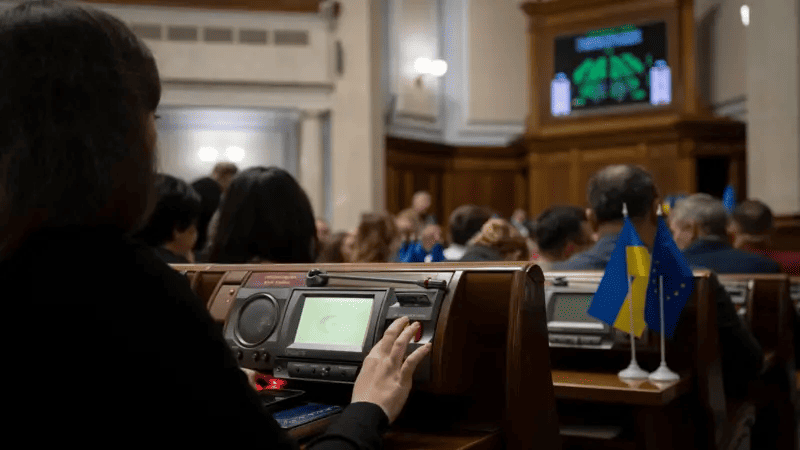
“Right now, the chats are just a mess: everyone talks about their own thing. There are exactly two shared points: that ‘NABU people are idiots’ and that ‘we have a crisis.’ But as soon as we start discussing the reasons — chaos; when it comes to solutions — total chaos. We’re trying to figure out what to do about this crisis. There have been many meetings, with and without the president. But the situation is so ambiguous and difficult that, honestly, there are very few breakthrough ideas so far,” – admitted another top member of “Servant of the People” to BBC News Ukraine.
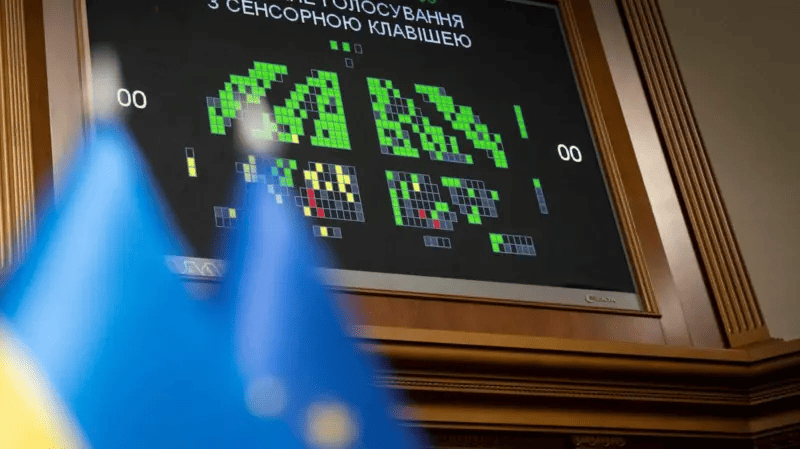
According to Serhiy Sobolev, deputy head of the “Batkivshchyna” faction, it is precisely the discord within the monomajority that has led to the current parliamentary crisis.
“Effectively, the parliamentary majority has rested on its laurels today. And this is the key problem that no one wants to acknowledge. Unfortunately, the leadership of the ‘Servants’ continues to try to secure votes through ‘political hostages’ from ex-OPZZh or by negotiating each issue with other factions and groups. But this no longer works, because the agenda is set without taking the opposition’s positions into account,” he explained.
Sobolev believes the main reason for the monomajority’s collapse is the disagreement between its leadership and ordinary ‘Servants’ or small subgroups within the faction.
“They didn’t recognize the moment of crisis and thought they could extract votes for each bill through pressure, intimidation, or other non-parliamentary — sometimes even undemocratic — methods. But it all ended badly,” Sobolev said.
At the top of “Servant of the People,” it is acknowledged that several internal groups, such as the “ex-speaker Razumkov group” or the “Pavlyuk group,” now vote neutrally or against key bills.
At the same time, the problem is not limited to these groups alone.
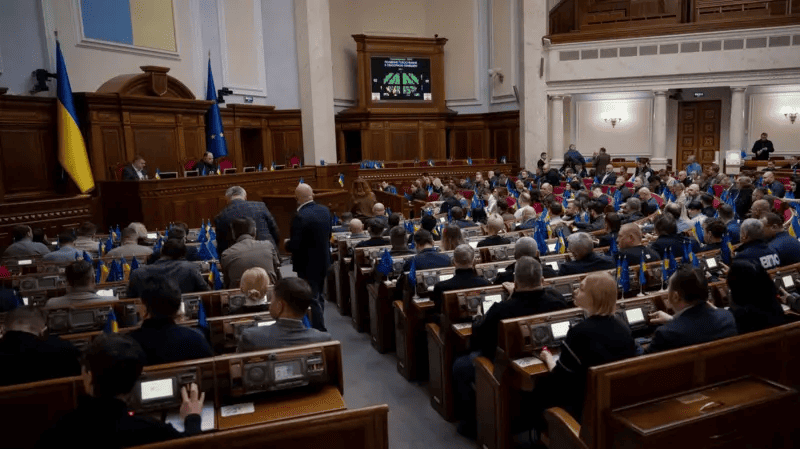
“I know deputies who always used to vote, but now tell their subgroup leaders: ‘I’m not voting,’ and the leaders say: ‘Well, if you don’t want to, fine, don’t vote.’ And no one talks to anyone else beyond that. They don’t even hold faction meetings anymore! Okay, if it’s a slow day, but when there are important reforms, like IMF-related laws, could you at least try to gather us? Honestly, I don’t even feel like going to the Rada anymore, because what’s the point? You show up just to fail something,” – one monomajority deputy told BBC News Ukraine, clearly frustrated.
However, the leadership of “Servant of the People” doesn’t fully agree with this criticism, saying that faction meetings don’t actually increase votes.
“At most, about 40 people show up, and the first 20 are committee chairs who already understand the importance of voting on bills. Plus, some laws have been discussed a hundred times already. For example, the IMF-related law: we’ve already put it on the agenda seven times! So why is it a problem that we didn’t discuss it at a faction meeting for the eighth time?” – one top member of “Servant of the People” told BBC News Ukraine, speaking with strong emotion.
Meanwhile, some members of the monomajority believe that certain failed votes, like the OLX tax, might have actually benefited the faction leadership at various levels.
“Honestly, this vote felt like a somewhat staged story. I think the faction leadership knew this would happen. Meanwhile, ordinary deputies once again felt used in the dark,” – one influential monomajority deputy shared with BBC News Ukraine.
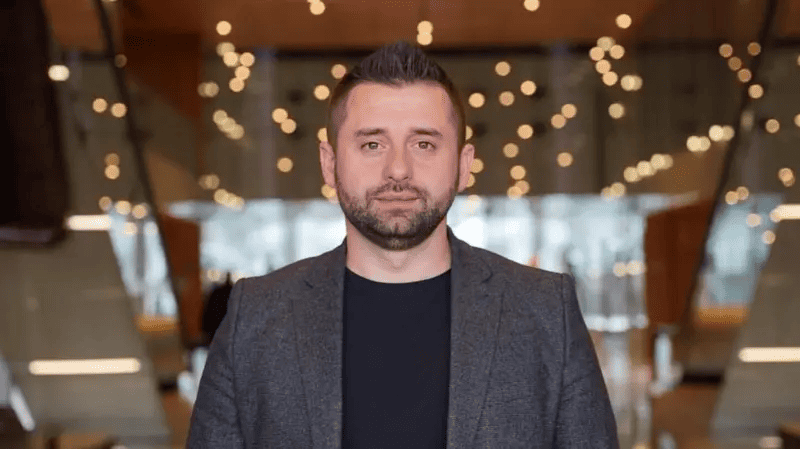
One reason some cite for weakened discipline within the “Servant of the People” ranks is the reduced involvement of Davyd Arakhamia – head of the pro-presidential faction – who has spent recent months actively participating in negotiations between Russia and Ukraine.
BBC News Ukraine asked an influential deputy to explain Arakhamia’s importance for the Rada’s work:
“Ruslan (Stefanchuk) is too soft to persuade deputies to vote, and Davyd can’t fully take Yermak’s place, even though after Yermak’s dismissal he became one of the most influential in the president’s eyes. Davyd’s main strength is that he thinks in simple, president-friendly terms, can communicate with all factions and groups, and can also present information to the president in a ‘stand-up’ format, which sometimes helps. Without Davyd, it’s difficult to find votes for ‘difficult’ laws in parliament.”
Meanwhile, “Servant of the People” insists that although Arakhamia temporarily stepped back from parliamentary processes, he is now “actively returning” to lead the faction.
BBC News Ukraine separately reached out to Davyd Arakhamia for comment, but he had not responded at the time of publication.
However, the vote problems in the “monomajority” are now not only within their own team but also among allies: some have dropped off, and some, while still supportive, cannot always save the situation during critical votes.
“The former OPZZh continues to give votes when we ask, but now they themselves don’t understand how much support we need from them. They ask: ‘How many of yours will vote?’ – and we ourselves can no longer predict that,” notes one top “Servant of the People” official.
Solomiya Bobrovska of the “Holos” faction explains the current state of the monomajority: “Everything fell apart for them when Yermak left. Now nobody organizes or intimidates them. And since the current Office doesn’t manage parliament, the parliament stopped managing itself too.”
After Andriy Yermak’s resignation, the Office has indeed been less involved in helping secure votes, as all BBC News Ukraine sources agree, because his successor – Kyrylo Budanov – does not interfere in parliamentary management.
“Kyrylo arrived when everything had already collapsed, and I doubt he has the capacity or interest to fix it,” explains one “monomajority” deputy.
“The fact that the new head of the Office is less involved with the Rada is actually a plus, because we finally understand who is responsible for what, instead of one person handling everything,” one top “Servant of the People” official says with relief.
Meanwhile, a source close to parliamentary leadership adds: “Without Yermak, there are fewer intrigues, at least at the top level. There are no more stories like: ‘Oh my God, look who he liked!’ or ‘Let’s dislike these and like those.’”
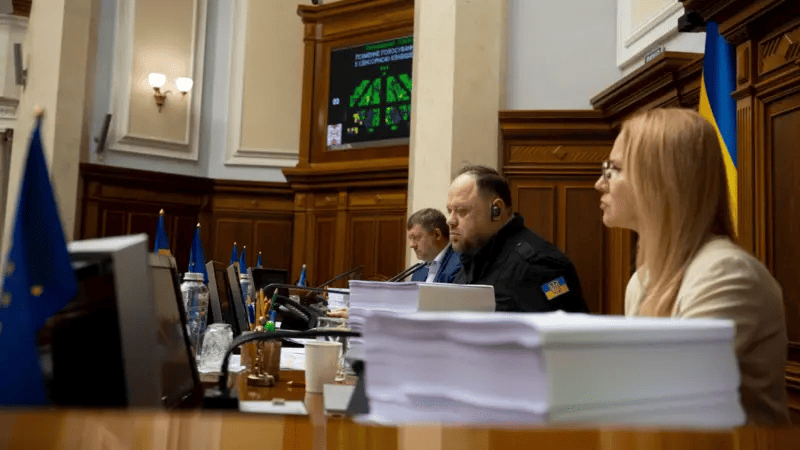
Meanwhile, sources close to the new head of the Presidential Office told the BBC that Budanov’s decision not to manage the Verkhovna Rada in a hands-on way, as his predecessors — particularly Yermak — did, is deliberate, as he opposes any form of micromanagement.
“What he needs gets voted on, but he does not aim to turn relations with the Rada into office authoritarianism. Budanov supports ‘controlled democracy,’ including in dealings with parliament,” a source close to the head of the Presidential Office explained to the BBC.
At the same time, one of the top figures in the majority bloc notes that it would be incorrect to claim Budanov is completely uninterested in parliament.
“Kyrylo Oleksiyovych is still getting into this whole situation; in some cases, he even gains insights into how it works. Although he is primarily occupied with negotiations, as a manager and administrator regarding the Rada, he also proposes certain steps. As an intelligence officer, he calculates the potential consequences of the collapse of the main law-making center for receiving funds, and here the military component comes into play, because he clearly sees that Russia has a stake in this,” one of the top ‘Servant of the People’ officials told BBC News Ukraine.
Unity coalition. Solution №1
One possible way out of the current situation could be to reformat the parliamentary majority.
Especially since the full-scale invasion began, opposition factions have repeatedly proposed that the government unite in a “National Unity Coalition.”
“Theoretically, a coalition could be formed with ‘European Solidarity’ or ‘Batkivshchyna,’ but ‘Batkivshchyna’ has corruption suspicions, and ‘European Solidarity’ has spent seven years building its politics on hating us. So why would we unite with them?” one top ‘Servant of the People’ official rhetorically told BBC News Ukraine.
Meanwhile, the ‘European Solidarity’ faction emphasizes its readiness to form a coalition with the Servants.
“This isn’t about positions, it’s about competent and professional work. Plus, a coalition is always about balance and democracy, not a unilateral approach. So I believe the solution to the parliamentary crisis lies here. We have a huge number of problems, and they can only be solved by uniting efforts and working for the country,” said Victoria Syumar of ‘European Solidarity’ to BBC News Ukraine.
Batkivshchyna is also ready to join forces with the Servants.
“We may have differences on a number of issues, for example economic ones, but there are definitely no disagreements when it comes to Ukraine,” emphasized Batkivshchyna deputy head Serhiy Sobolev.
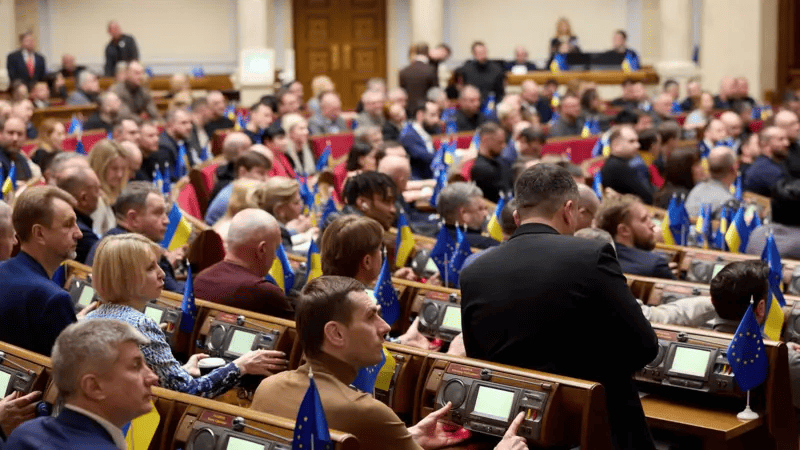
But the president does not believe in the effectiveness of such a coalition and is generally convinced that deputies can demonstrate national unity even without it.
“What stops people from coming and doing their job — voting for laws the state needs? Why is it supposedly impossible to vote in this setup, but if there were a ‘national unity coalition,’ everyone would suddenly work differently? No. They’ll work for a month, and then all fight again. This is an inherent trait of parliamentarians,” Zelenskyy said in response to a question from BBC News Ukraine.
However, Serhiy Sobolev, who has experience in seven convocations of the Rada, disagrees with the president.
“A national unity coalition could work effectively, as demonstrated by coalitions in all previous parliaments. Back then the situation was much more complex, sometimes with 8, 10, or even 15 groups and factions at once, but understanding was always found on key issues,” Sobolev said.
Overall, he considers the creation of a “National Unity Coalition” somewhat overdue.
“After the start of the full-scale invasion, it was necessary not just to call for unity in words, but immediately to form such a coalition, and also to establish a government accountable to it,” explains the deputy head of the “Batkivshchyna” faction.
Meanwhile, Parliament Speaker Ruslan Stefanchuk took a step unexpected by many and met with the opposition faction “European Solidarity.”
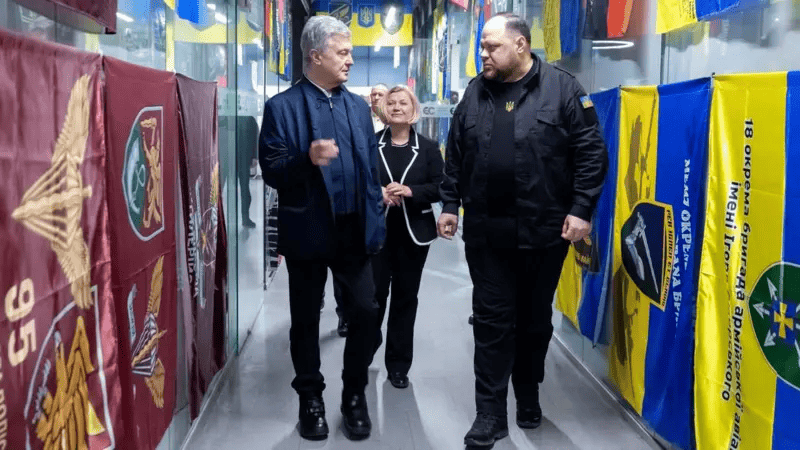
Some even saw this as a first step toward forming the so-called “National Unity Coalition,” but in reality, the visit had a different purpose.
As one top member of the ruling majority explained to BBC News Ukraine, Stefanchuk visited the European Solidarity office for a “solo project” – seeking support for amendments to the Civil Code, which he had worked on extensively.
“He really wants it passed and understands that for this, he needs not only our votes but also those of others, who are now more valuable than ever. That’s why he’s negotiating. In fact, Ruslan is visiting all factions; it’s just that European Solidarity are good communicators who get that a boring image of the speaker somewhere in the Rada is one thing, but in the party office it’s completely different,” he said.
In the European Solidarity faction, they confirm that the meeting with the speaker indeed focused on discussing the upcoming vote on amendments to the Civil Code.
Victoria Siumar, a representative of European Solidarity, told BBC News Ukraine that such communication between the parliamentary speaker and the largest opposition faction should not be surprising, as it is standard practice.
Meanwhile, within the “Servant of the People” faction, the speaker’s visit to the European Solidarity office was met with mixed reactions.
“Our people got a bit tense about it because they’re not very fond of Petro,” one top member of the ruling majority told BBC News Ukraine.
It’s worth noting that the sanctions imposed by Volodymyr Zelenskyy against Petro Poroshenko are still in effect.
Resignation of the government. Crisis exit option №2
Another potential way to resolve the current parliamentary crisis could be the resignation of the government, whose decisions and communication have displeased some deputies.
Some even suggest that the lack of votes on key legislation might be aimed precisely at this outcome.
It’s like in football, when a team sometimes deliberately loses a match to speed up the dismissal of an inconvenient coach.
“Most likely, there’s a systemic player interested in making the Svyrydenko government fail, because a government without parliament is a fiction — it can last a while, but not for long,” one Servant of the People member told BBC News Ukraine.
Another added: “The parliament could easily find votes for that, it’s a fact. Some even joke among themselves: ‘Let’s bring Shmyhal back.’”
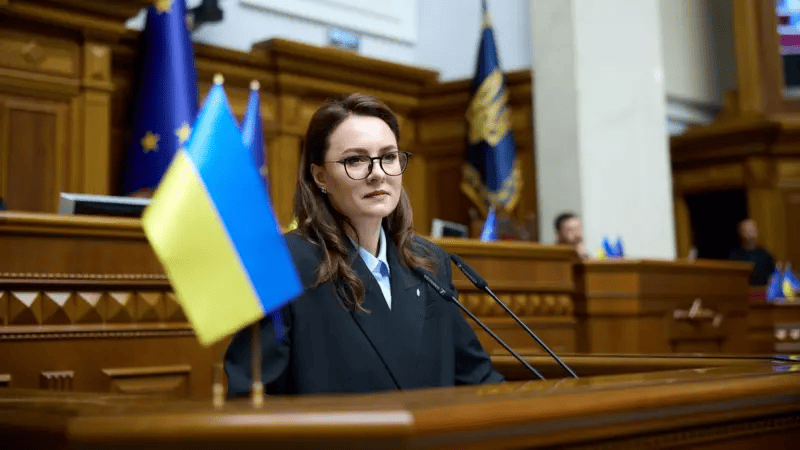
Meanwhile, within the “monomajority,” there are doubts that the government will actually be dismissed anytime soon, so for now they suggest the Cabinet handle things “with minimal disruption” – by returning to the direct norms of the Constitution.
“That means before going into any negotiations or proposing anything to the IMF, you should at least come to the majority and discuss the ‘red lines,’ and even better – also talk to the opposition, because the ‘Servants’ alone probably won’t give you the basic 226 votes,” explain members of the monomajority.
They also note that in a month or two, the Cabinet will face a budget review, and if it draws no conclusions or doesn’t change its communication with deputies, they “will never vote” for its proposals.
One top member of the monomajority sums up the current situation in the government: “For now, the Cabinet is driving down its own road with a driver who alone sees the direction, while everyone else has no idea what’s going on.”
Yulia Svyrydenko did not respond to BBC News Ukraine’s request to comment on these criticisms at the time of publication.
Restoring partnership with the President. Crisis exit №3
At the end of January, President Zelenskyy told BBC News Ukraine that despite attempts by adversaries to break up the “monomajority,” it still exists.
“Let me be honest, I know many deputies who already want to end their term or resign their mandate. Nevertheless, there is a war, there are wartime challenges, there are laws. And the ‘monomajority’ voted on all the laws requested by the European Union and the World Bank, which were very necessary for our EU candidacy. The ‘monomajority’ is still working today,” Zelenskyy emphasized.
Yet, barely two months later, some parliamentarians publicly claimed that supposedly 50-60 “Servants” have “submitted resignations.”
But is this really the case?
“There is no figure like 60. That’s Sasha spreading rumors, and he didn’t even hear everything correctly. Sixty is roughly the number of deputies across the entire parliament who, under various pretexts, wouldn’t mind stepping down. Of course, we also have those who want freedom, but among the ‘Servants,’ there are no more than 20 so far,” – assures BBC News Ukraine one of the top officials of the “monomajority.”
This is confirmed by another “Servant of the People” representative: “Sixty is an inflated number used to make this story sensational in the media. Yes, no one clings to their mandate, but there definitely aren’t as many people filing resignations as Yurchenko suggests.”
Similarly, the monomajority disagrees with the statement of the first deputy head of their faction, Andriy Motovilovets, that “fatigue, multiplied by confusion and fear,” has caused the ‘Servants of the People’ to refuse voting.
They say he “portrayed the situation quite one-sidedly,” and that “fatigue” isn’t quite the right word to use here.
“Well, one hundred deputies out of 228 can’t be ‘tired’! Maybe 25. Yes, there are those who are stressed, some need money, someone has a sick relative, but these are definitely exceptions,” – the monomajority insists.
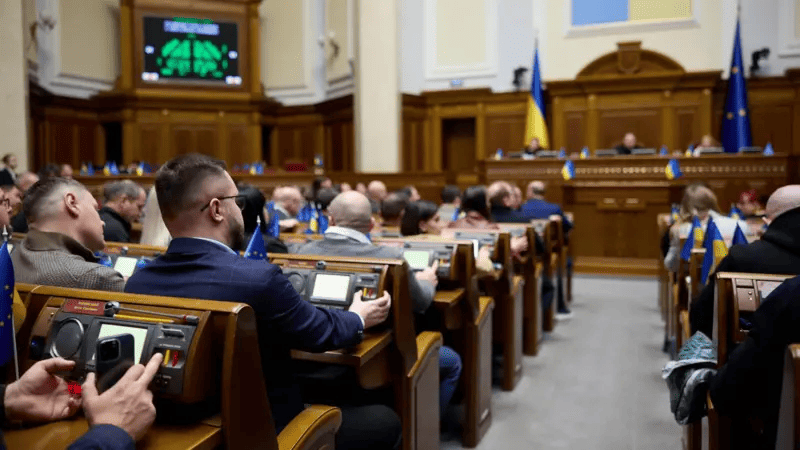
Instead of fatigue, some of BBC News Ukraine’s sources among the “Servants of the People” complain about a sense of disappointment and, in some cases, demotivation.
“Sometimes it really frustrates me that some colleagues in the faction can allow themselves not to support important bills. Why can I vote, but you can’t!? Did we swear different oaths!?” – one member of the “monomajority” explains emotionally.
“The parliament could also revive a sense of purpose among people, some kind words and feedback from them, because deputies may not be tired, but they are definitely demotivated, partly due to all the hate directed at them,” says one of the top figures of the current Rada.
Meanwhile, “Holos” faction representative Solomiya Bobrovska believes that one of the keys to restarting the parliament’s work now lies with the president.
“The president needs to turn around and remember that he brought 200-plus people into parliament. And if he continues to belittle them, it will lead to an even worse situation, which will not hit the parliament — because there’s nothing left to hit — but will hit the president, because he will lose legitimacy in the eyes of partners,” Bobrovska emphasizes.
Conclusions
In the seventh year of its term, the parliament has found itself in the most difficult situation it has faced so far. And some blame the “monomajority” for this.
“As a phenomenon, it is the greatest evil that could have happened to the country. It’s total subservience, a lack of professional discussions, internal opposition, critical thinking, understanding of the importance of one’s vote, and what a parliament as an institution actually is,” says Solomiya Bobrovska of the “Holos” faction, speaking with visible frustration.
“Everyone got used to voting on the ‘green wave’ and essentially devalued their own influence. Because there’s no point in complaining here…” – one of the “Servants of the People” admits with a certain sadness, acknowledging mistakes within their faction.
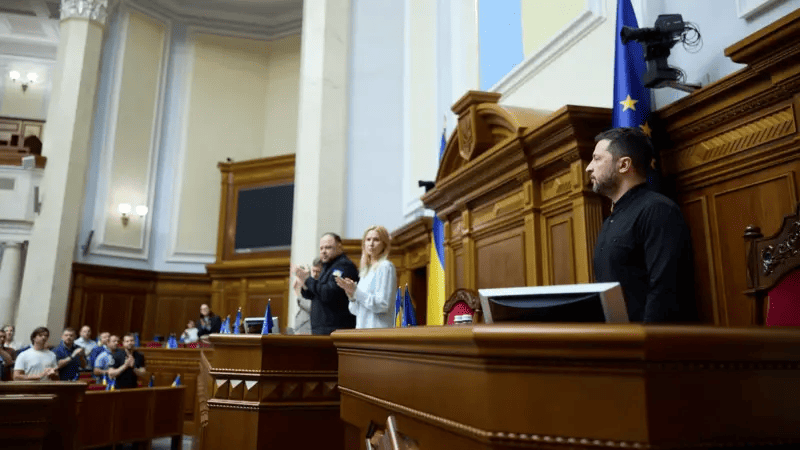
Today, partly demotivated, partly offended, and partly intimidated, deputies are trying on one hand to avoid unnecessary moves, and on the other – to assert their independence and force others to respect them.
“The parliament now is like a car that should have gone to the service station long ago but keeps driving on the highway, and it’s unclear where it will finish. It’s trying to get somewhere, but all the dashboard lights are flashing error messages,” – describes the current situation in parliament one member of the “monomajority.”
Is there a real risk that the parliament will completely lose its functionality?
The leadership of “Servant of the People” believes it is unlikely.
“But parliament has already lost its capacity to fulfill promises. What’s next? We’ll certainly vote on something military, budget replenishment, the continuation of martial law, and some neutral laws, if they are properly scheduled – on Tuesday–Wednesday as the first items,” – says one top member of “Servant of the People.”
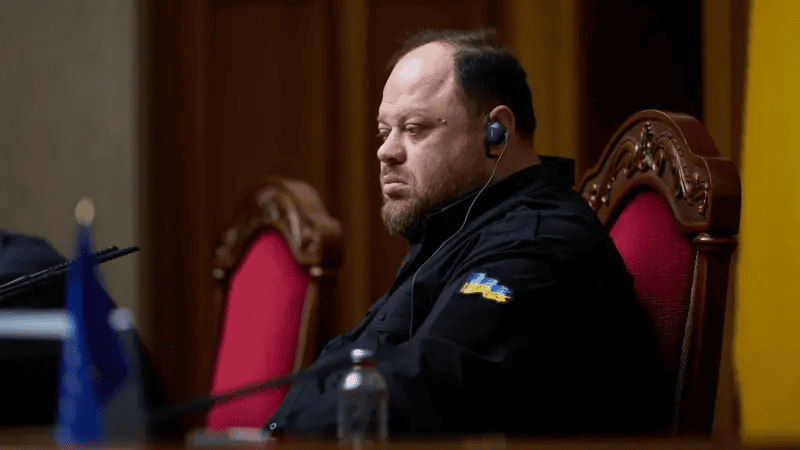
At the same time, the current crisis is far bigger than just the parliament and also affects the government and, to some extent, the president.
Each of them still has the opportunity to listen to and understand one another, and to reach agreements. Otherwise, the country could face a true constitutional collapse.