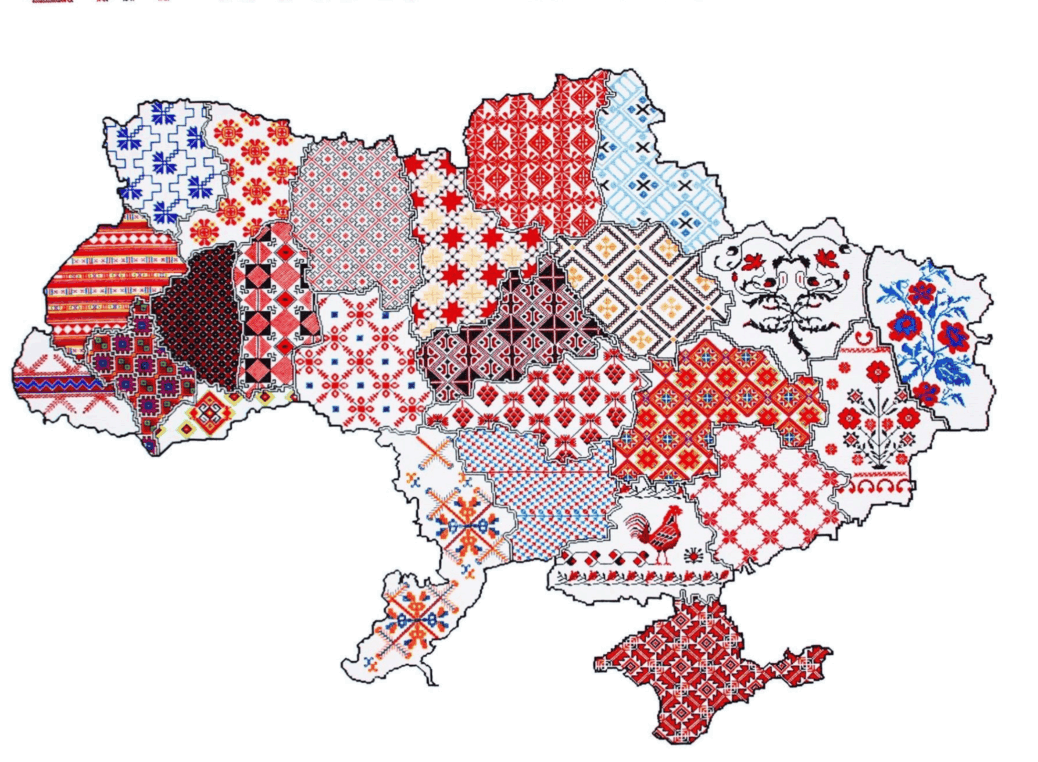
Vyshyvanka Day is more than tradition – it’s a global symbol of Ukrainian identity, resilience, and cultural survival. From school roots in 2006 to worldwide solidarity today.
Vyshyvanka Day is not simply a celebration of traditional clothing. It is a living cultural statement — one that connects Ukraine’s past, present, and future through embroidery stitched into identity itself.
Observed annually on the third Thursday of May, the day has grown from a small student initiative into a global expression of Ukrainian heritage, worn by millions across Ukraine and the diaspora. But its meaning reaches far beyond fashion or folklore.
In a country shaped by centuries of foreign domination, cultural suppression, and now full-scale war, the vyshyvanka — the traditional embroidered shirt — has become a symbol of continuity and resilience.
From Student Idea to Global Tradition
Vyshyvanka Day was founded in 2006 by Lesia Voroniuk, a student at Chernivtsi National University. The idea emerged after she suggested that her classmates choose one day to all wear vyshyvankas together. Since then, the holiday has gained popularity not only in Ukraine, but also among Ukrainian diaspora communities around the world.
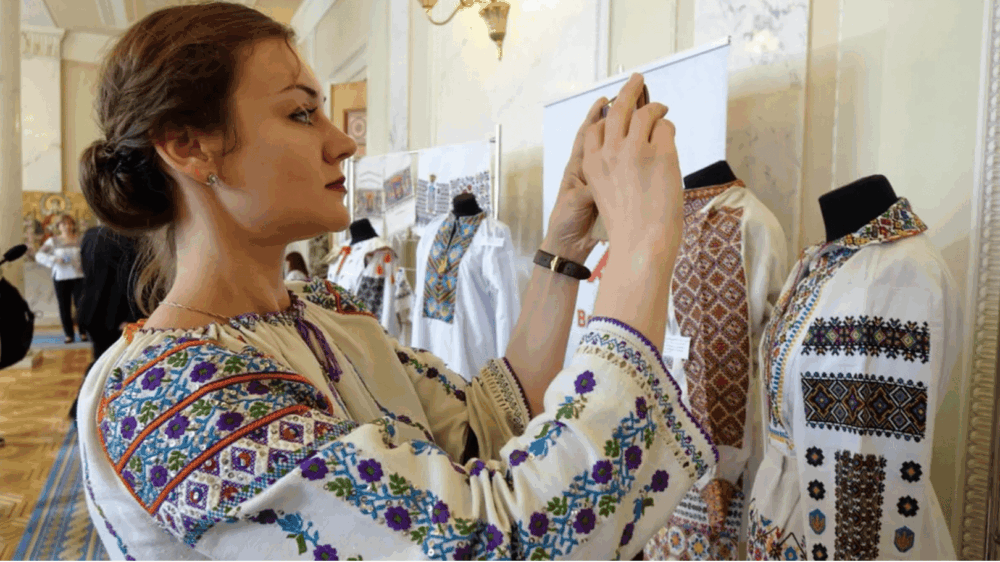
Today, Vyshyvanka Day is not organized by a single institution. It is a decentralized cultural phenomenon – powered by schools, families, artists, soldiers, diaspora communities, and everyday citizens.
Its strength lies precisely in that grassroots nature.
More Than Clothing: A Language of Symbols
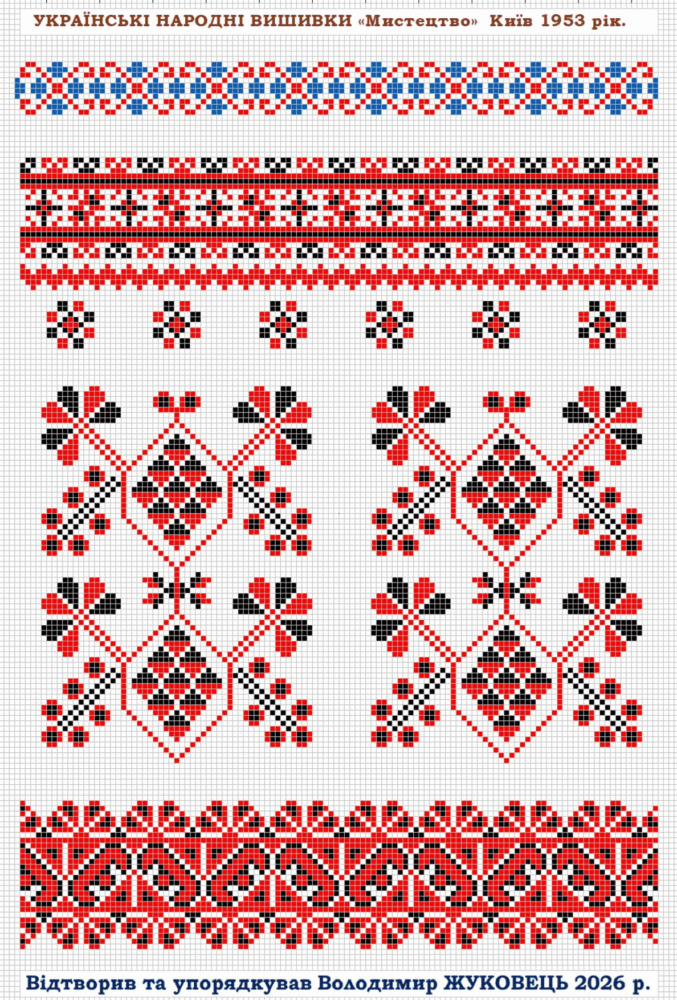
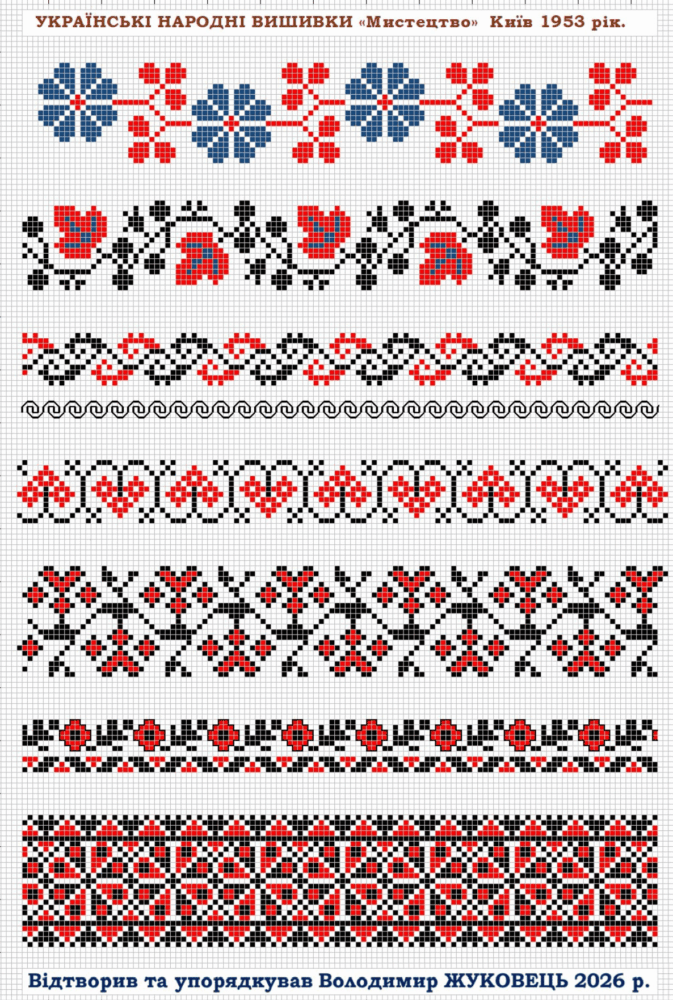
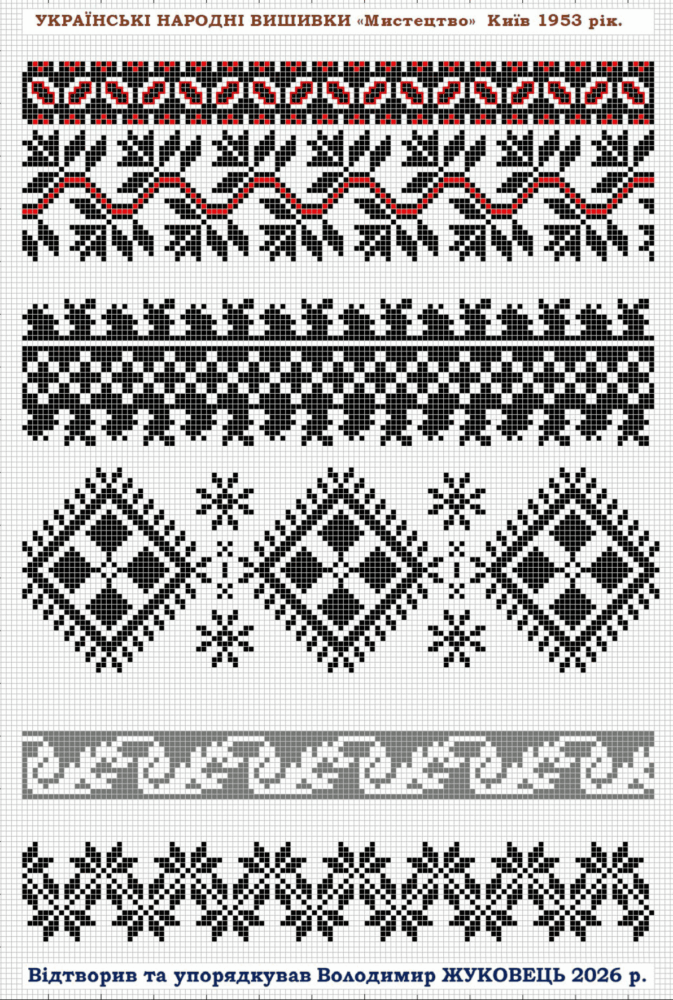
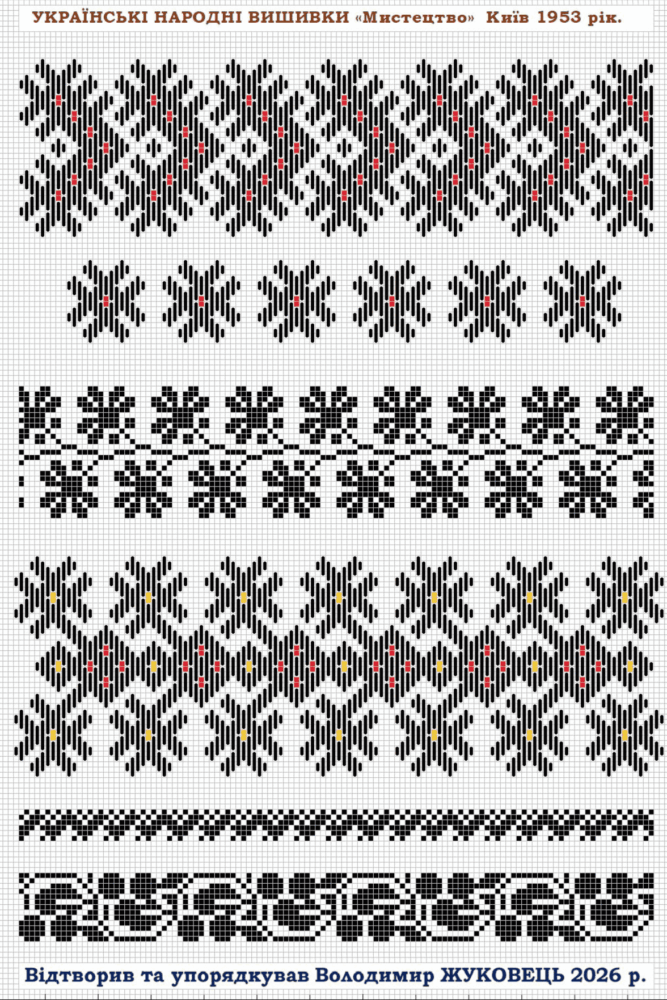
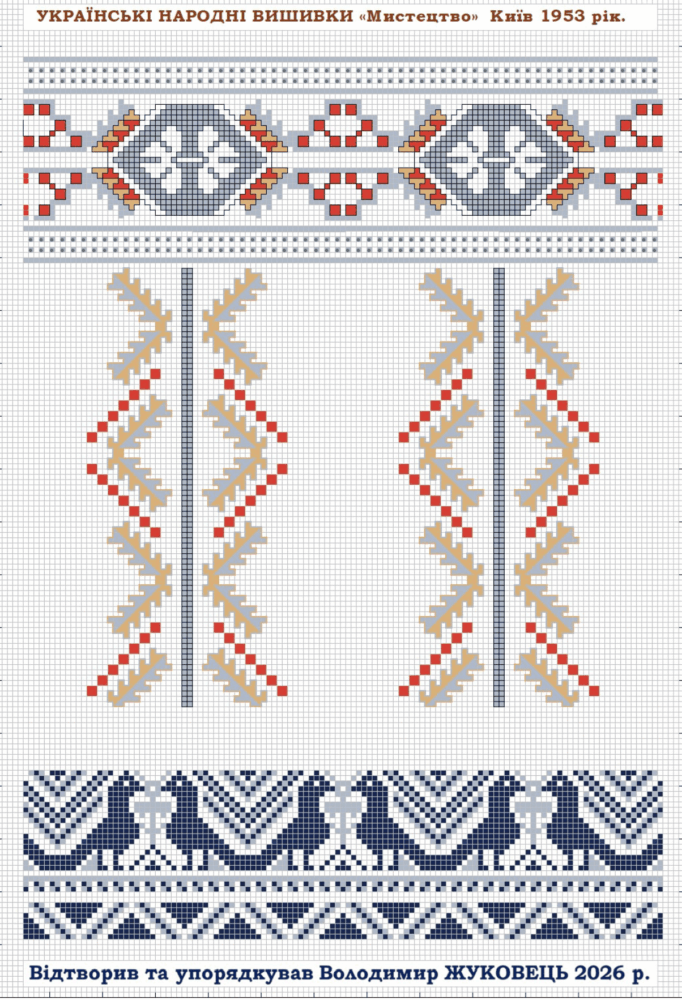
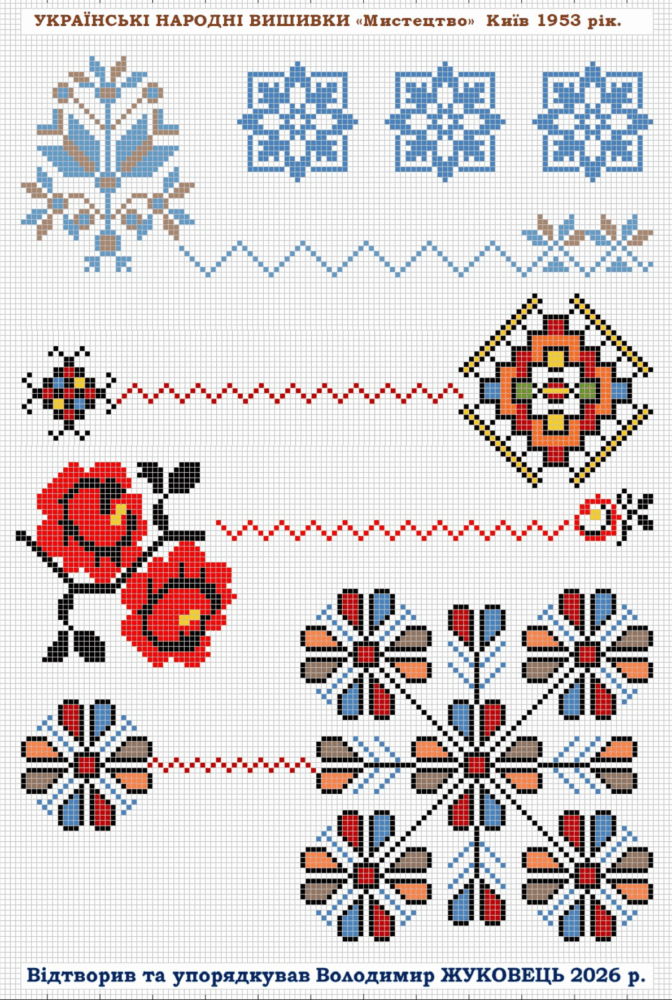
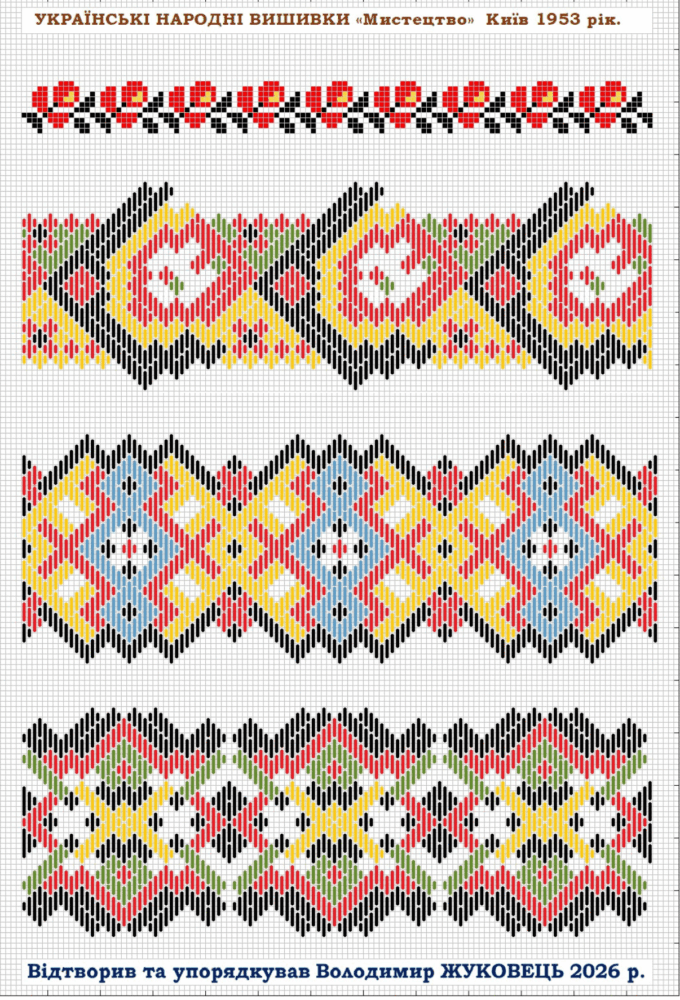
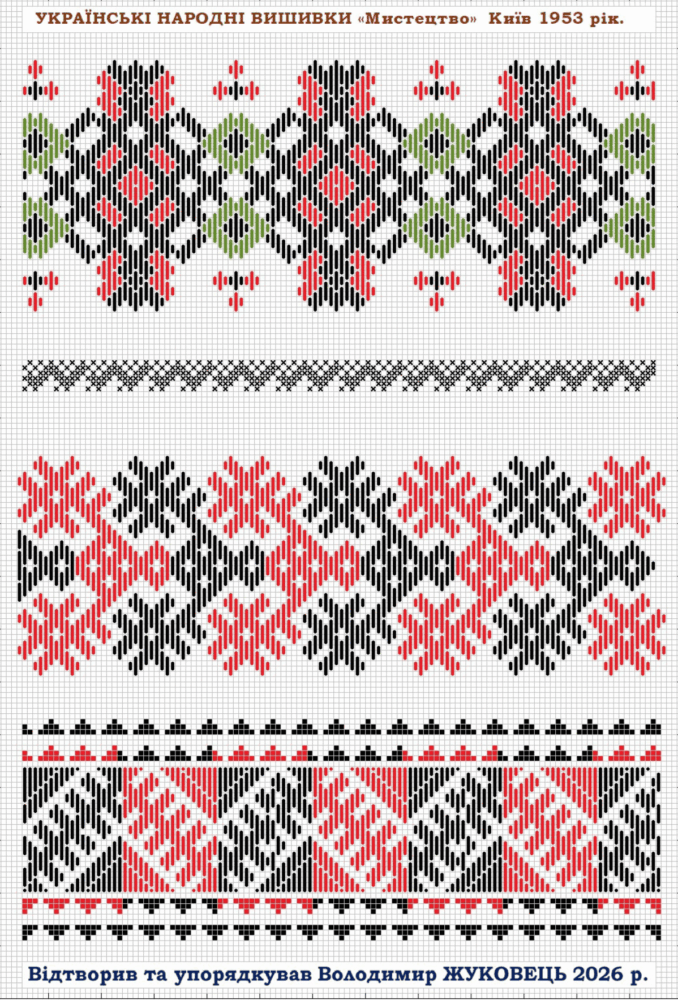
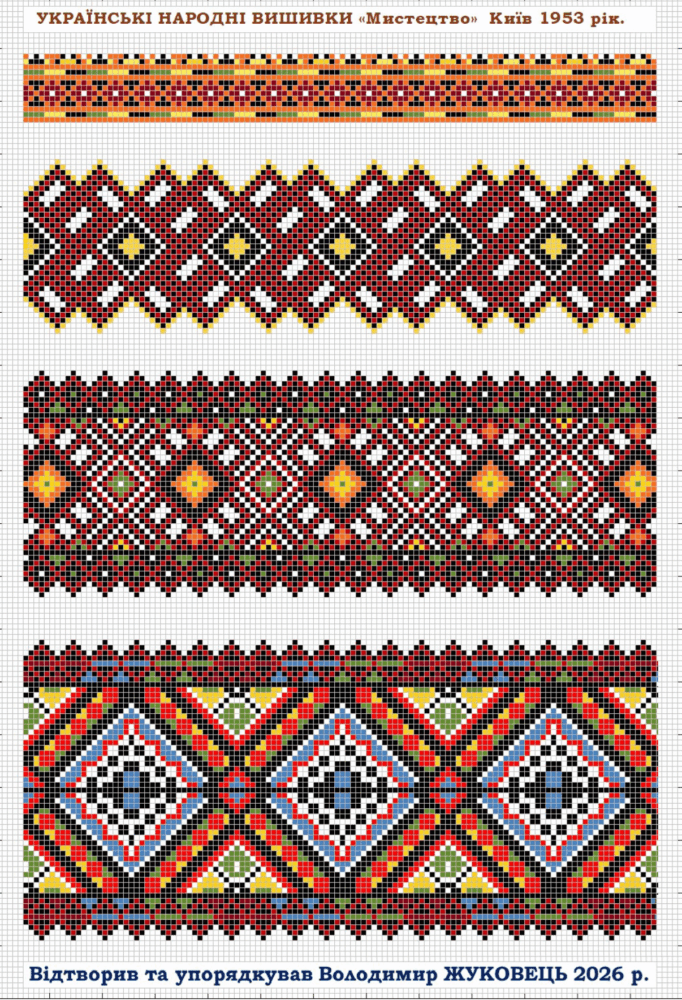
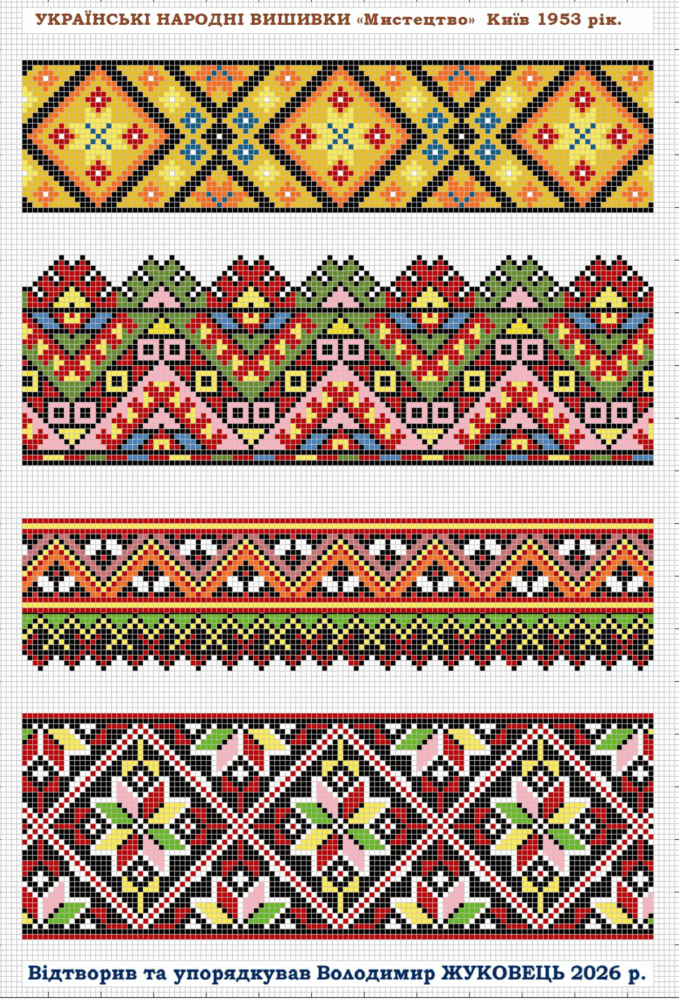
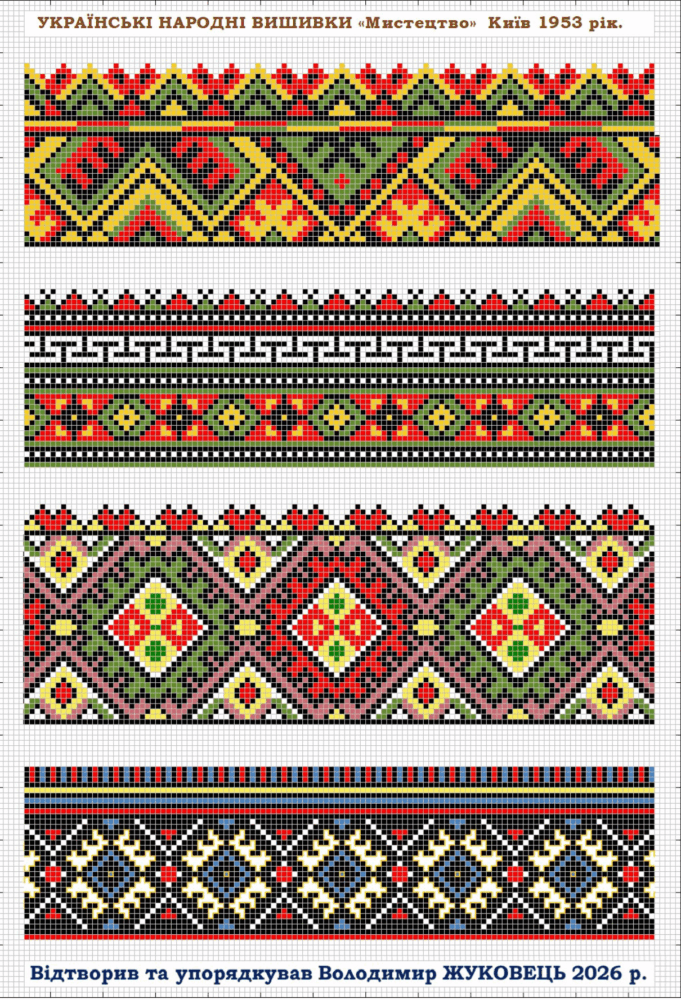
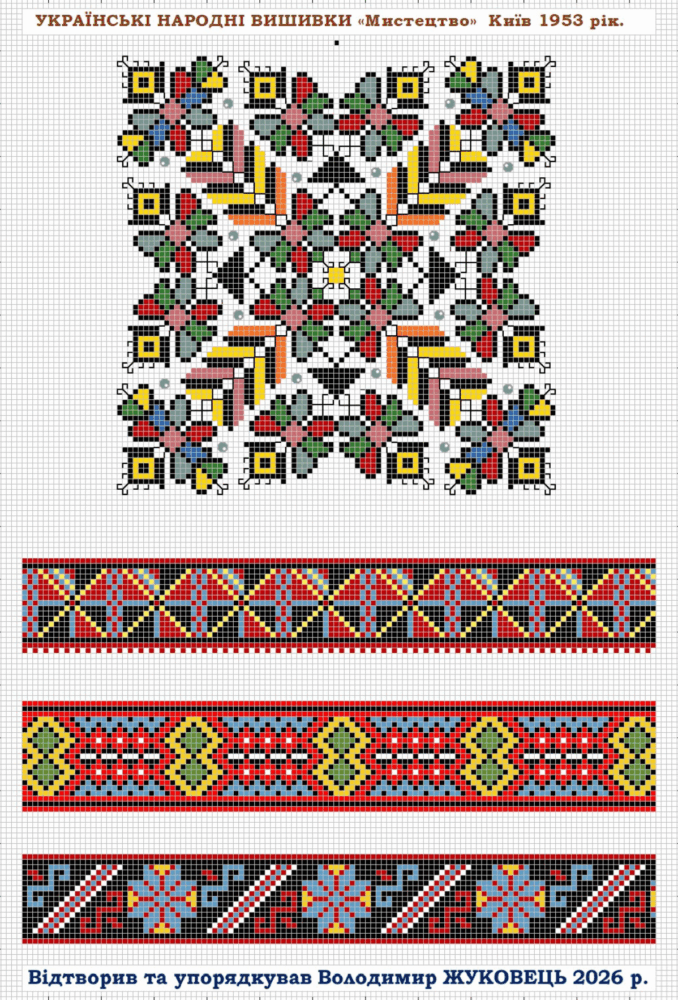
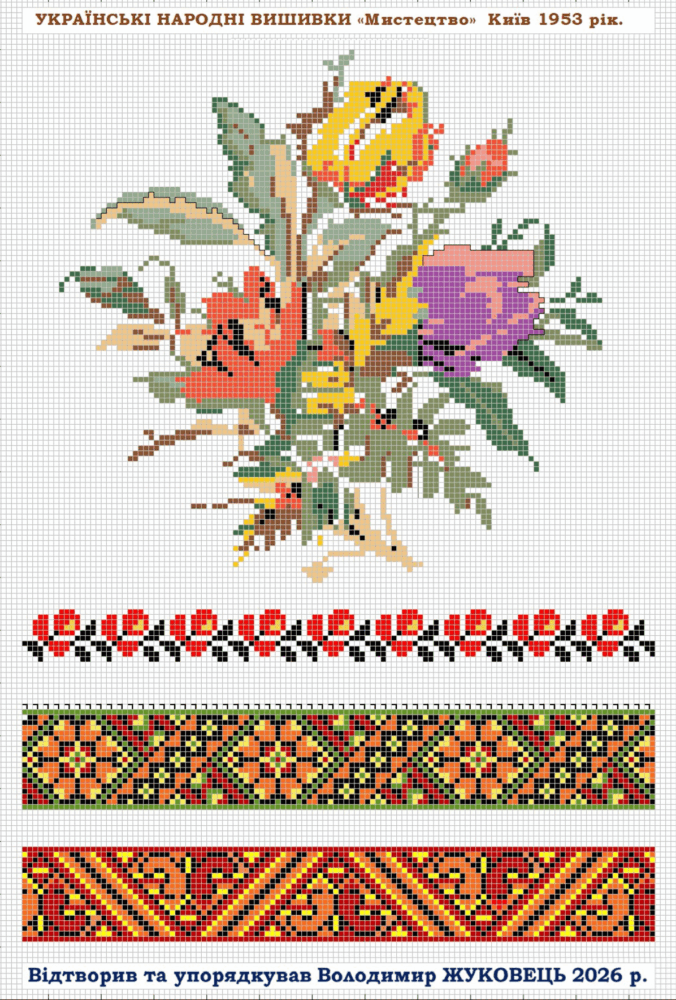
The vyshyvanka is not merely decorative. Each embroidered pattern carries meaning, often passed down through generations.
Different regions of Ukraine developed distinct styles:
- geometric patterns symbolizing protection and harmony
- floral motifs representing fertility and life
- black-and-red combinations tied to strength and memory
- intricate regional codes identifying local identity
Historically, embroidery was believed to hold protective power. Many designs were created not only for beauty, but as a form of spiritual safeguarding — worn close to the body.
In that sense, a vyshyvanka is both cultural expression and symbolic armor.
Identity Under Pressure
The meaning of Vyshyvanka Day has intensified dramatically in recent years.
During Russia’s ongoing war against Ukraine, cultural symbols have taken on renewed importance. The vyshyvanka has become a visible expression of identity at a time when that identity is under existential pressure.
Wearing it today is not only an act of cultural pride — it is also an act of resistance.
Across Ukraine, people wear vyshyvankas in schools, government buildings, hospitals, and on the frontlines. Ukrainian soldiers have been seen incorporating embroidered elements into their uniforms or wearing traditional shirts during moments of rest and remembrance.
For many, it is a reminder that Ukraine is not defined by war — but by a culture that predates it and will outlast it.
A Global Ukrainian Voice
Outside Ukraine, Vyshyvanka Day has become an important moment for the global Ukrainian diaspora.
In cities like Toronto, New York, Warsaw, London, and Berlin, public gatherings, exhibitions, and cultural events are organized annually. Ukrainian embassies and communities use the day to highlight heritage, educate international audiences, and strengthen cultural diplomacy.
In recent years, global participation has expanded beyond Ukrainian communities. Supporters of Ukraine also wear vyshyvankas as a gesture of solidarity, turning the tradition into a shared cultural language.
Cultural Memory in Thread Form
What makes the vyshyvanka powerful is its continuity.
Unlike monuments or institutions, it cannot be destroyed or relocated. It is carried on the body. It moves across generations, borders, and crises.
In that sense, Vyshyvanka Day is not only about remembering the past — it is about asserting that cultural identity survives disruption.
Each embroidered shirt becomes a fragment of collective memory, stitched into everyday life.
Tradition in a Modern World
While deeply historical, Vyshyvanka Day has also become a modern cultural moment.
Social media plays a central role in its global visibility. Images of embroidered shirts flood platforms like Instagram, Facebook, and X, turning personal expressions of identity into a global visual archive.
Contemporary designers have also reinterpreted traditional embroidery, blending ancient patterns with modern fashion, streetwear, and even digital art.
This fusion of tradition and modernity has helped keep the vyshyvanka relevant to younger generations.
Why It Matters Today
In a global context, Vyshyvanka Day is more than a cultural celebration. It is a reminder of how identity is preserved under pressure, how traditions evolve, and how symbols can become powerful tools of unity.
For Ukraine, it represents endurance.
For the world, it offers a window into a culture that continues to assert itself despite war, displacement, and historical challenges.
And for millions of Ukrainians, it is a simple but profound act:
To wear memory. To wear identity. To wear belonging.
Vyshyvanka Day endures because it is not frozen in time. It grows, adapts, and travels — just like the people who wear it.
And in every thread, there is a reminder that Ukraine’s identity is not only preserved in history books, but alive in the present — stitched into everyday life.
Tags: cultural diplomacy EMPR discover featured-1 Global Diaspora Ukraine identity Ukrainian culture Vyshyvanka Day