The renovated Sheptytskyy Museum in Lviv showcases the metropolitan’s personal items, 20th-century Ukrainian art, and sacred artifacts, preserving the memory of the UGCC and his legacy.
The Metropolitan Andrey Sheptytskyy Museum in Lviv has opened a renovated exhibition. Visitors can now view the Sheptytskyy family’s memorial items across two floors of the former monastery, as well as an exhibition of artists from the metropolitan’s close circle. The new exhibition was presented on November 30, on the day of Saint Andrew the Apostle, and in honor of the 160th anniversary of the metropolitan’s birth, which is being celebrated throughout the year. This was reported by Zaxid.net.
The museum is located at 1 Kryvonosa Street, next to the Church of the Holy Martyr Clement Sheptytskyy. It was originally opened in 2020 on the first floor of the former monastery. The second-floor premises have now been renovated to host a permanent exhibition. The museum displays works by renowned artists, including Roman Selskyy, Ivan Marchuk, Yakiv Hnizdovsky, Emma Andiyevska, and two Lemkos – Nykifor Drovnyak and Yuriy Novosilskyy. This art collection was donated to the museum by the family of Ivan and Nadiya Kholyavok from Munich.
“This is a private collection donated to our museum. This exhibition will be on display for about a year,” said the museum’s director, Fr. Sevastian Dmytrukh, to ZAXID.NET.
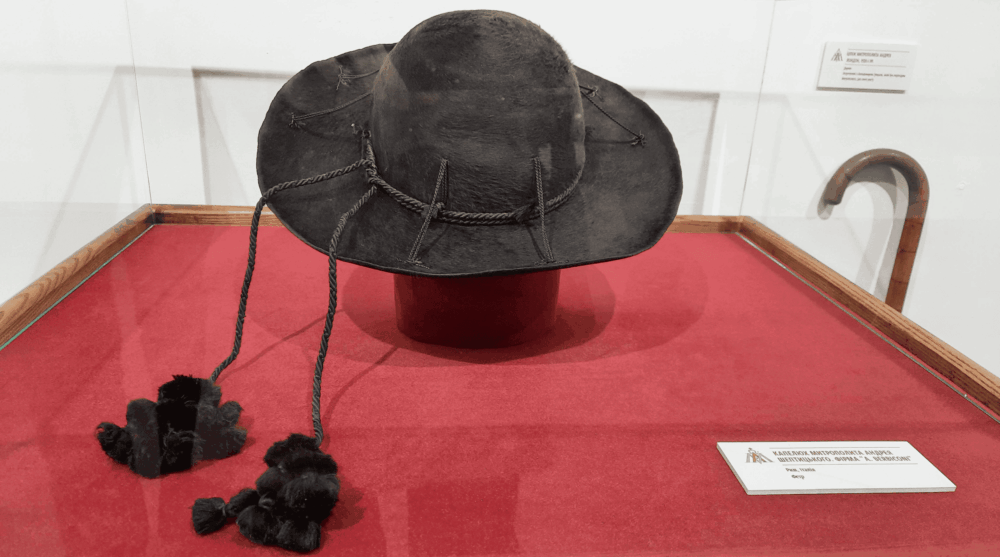
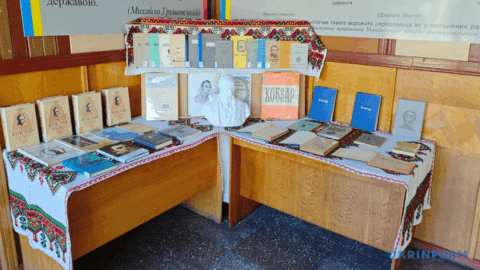
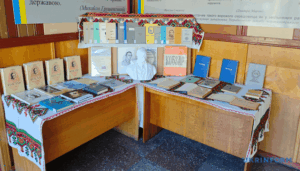
Visitors will, for the first time, access the renovated second floor, which is entirely dedicated to the metropolitan and the UGCC. It houses his personal belongings — from a handkerchief with embroidered initials, hat, and staff to liturgical vestments.
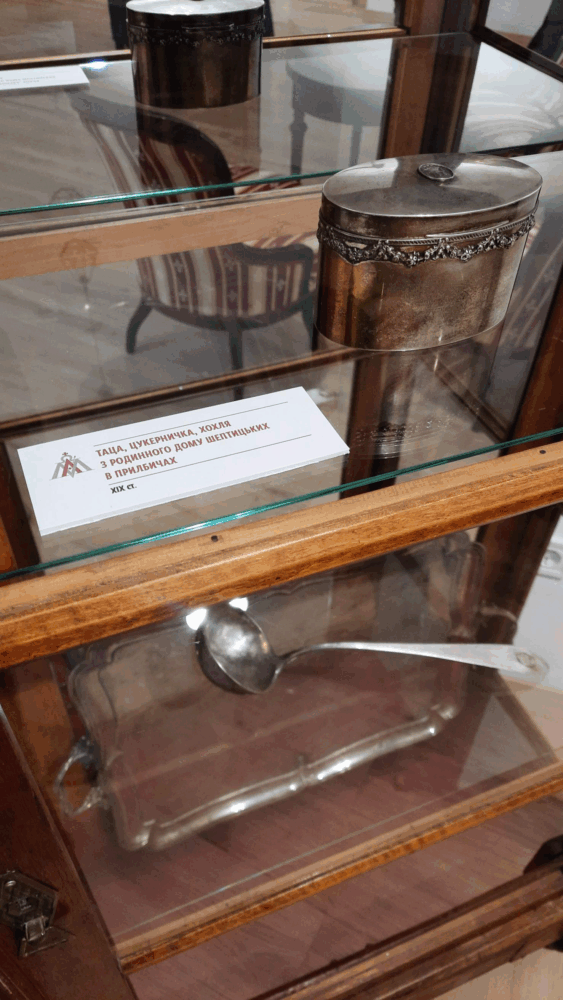
A separate room is dedicated to his brother, Fr. Klymentiy: clothing, glasses, and a watch, as well as the crucifix he prayed before. The exhibition also includes household items and furniture from the metropolitan’s chambers and the Sheptytskyy family home in Prylbichi, which was destroyed by the Bolsheviks.
All items related to the UGCC were preserved by monks and priests who went underground after the Church was banned by the Soviet authorities. Many of these objects were collected over 40 years by the museum’s director, Fr. Sevastian Dmytrukh.
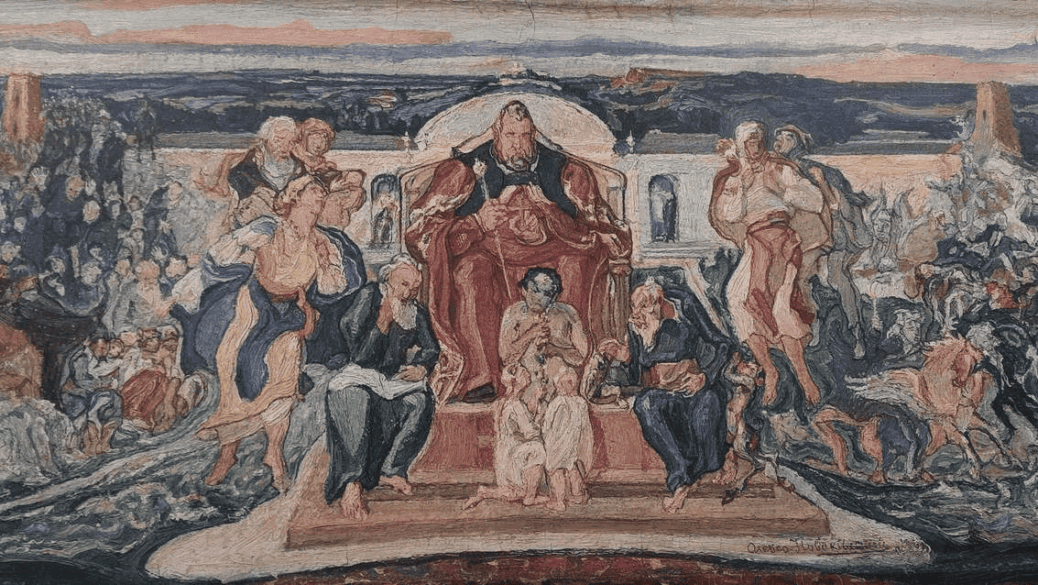
The memorial exhibition is complemented by artworks of artists who worked during the metropolitan’s time, decorating churches and painting icons. Many of them received European education funded by Andrey Sheptytskyy, who also helped open Oleksa Novakivskyy’s art school. The museum displays works by Modest Sosenko, Yulian Butsmaniuk, Petro Kholodnyi, Olena Kulchytska, Mykhailo Osinchuk, Osyp Kurylas, Sviatoslav Hordynskyy, and Oleksa Novakivskyy. The exhibition also includes drawings by the metropolitan himself, who practiced art following his mother’s example.
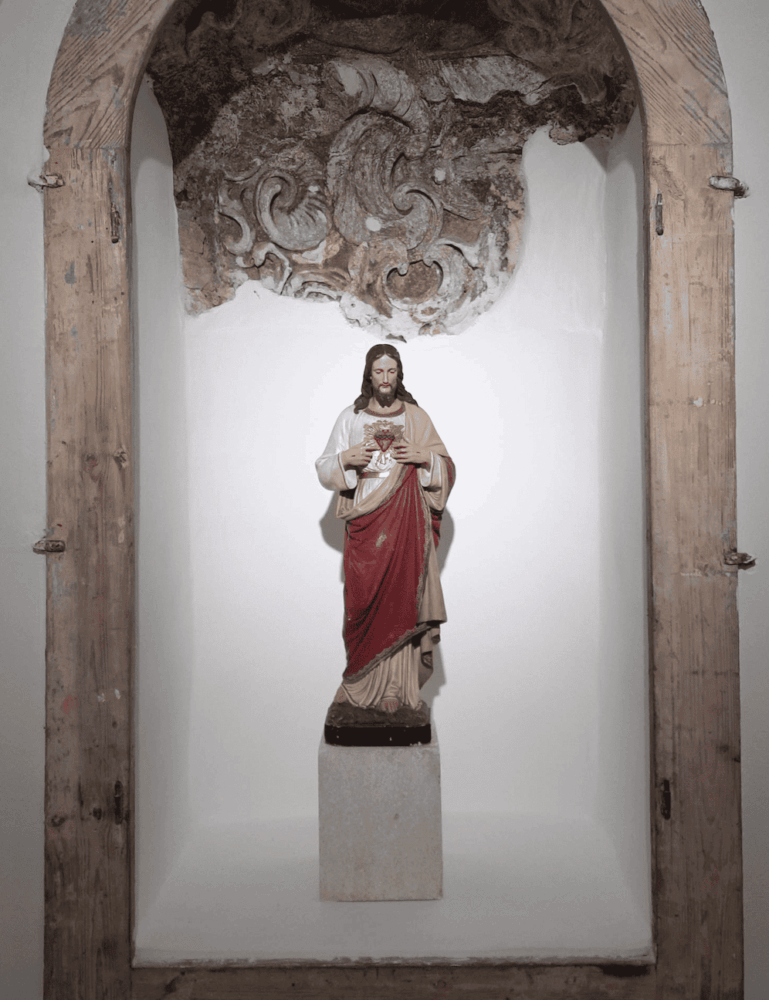
Right at the museum’s entrance, a home chapel has been recreated. The interior also features ancient sculptures of saints and icons. Visiting the museum is especially enjoyable because the exhibition hall windows offer a beautiful view of central Lviv, while the corridor overlooks the former monastery’s inner courtyard with a well.
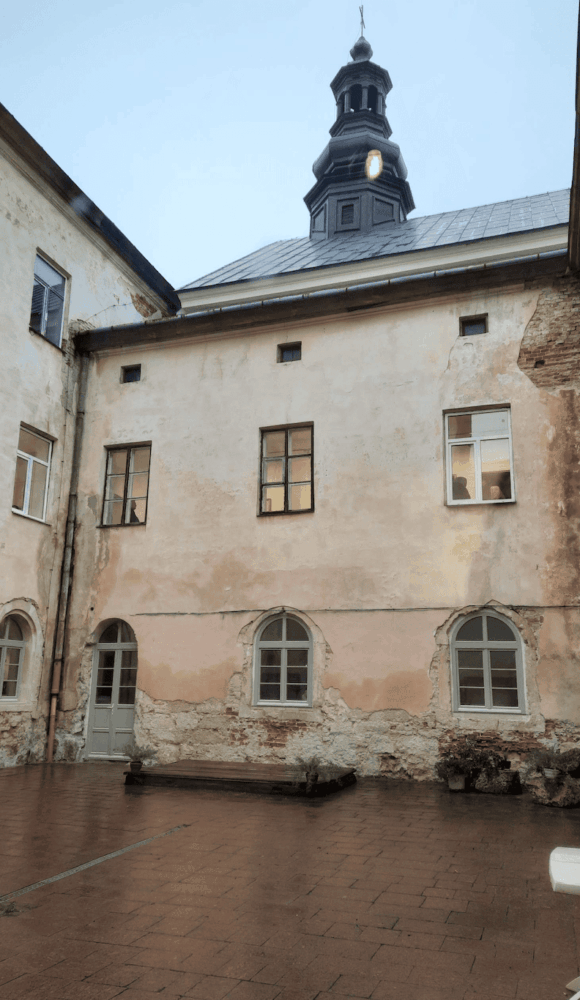
The museum operates in the building of a 17th-century Reformed monastery. During the Soviet era, the authorities transferred it to the Ministry of Internal Affairs, and negotiations for its return to the Lviv Archeparchy of the UGCC went on for a long time. The Sheptytskyy Museum opened in 2020, initially occupying the first floor. The renovated exhibition now also extends to the second floor. On the day of the opening, the Head of the UGCC, His Beatitude Sviatoslav Shevchuk, attended the exhibition and celebrated the hierarchal liturgy at the Church of the Holy Martyr Clement Sheptytskyy beforehand.
The museum’s director, Fr. Sevastian Dmytrukh, plans to expand the exhibition. He hopes that other parts of the building will gradually be returned to the Church, where they will house a museum department of sacred art, the underground Church, a Plast museum, the Carpathian Leshchetarskyy Club, as well as an art and educational center for youth and children, and a large library of rare diaspora publications.
At one time, Metropolitan Sheptytskyy collected ancient icons and valuable artworks by his contemporaries. This unique collection became the foundation of the National Museum he established. Today, a similar collection has been assembled at the Metropolitan’s museum — valuable works by 20th-century Ukrainian artists, as well as items preserving the memory of the Church and its leader. The museum is open by appointment via phone. Admission is by voluntary donation.
Tags: 2025 museums Andrey Sheptytsky cultural revival Lviv museum reopening sheptytskyy museum Ukrainian art Ukrainian heritage








![Visitors at the “Thank You With All My Heart” Ukrainian exhibition at the Council of Europe, featuring the Great Amber Heart and powerful war art. :contentReference[oaicite:2]{index=2}](https://empr.media/wp-content/uploads/2026/02/heart-300x171.png)