
A Ukrainian tennis player Oleksandra Oliynykova says she was threatened with fines and silence for speaking out. Her claims expose growing tension between sport, war, and freedom of speech.
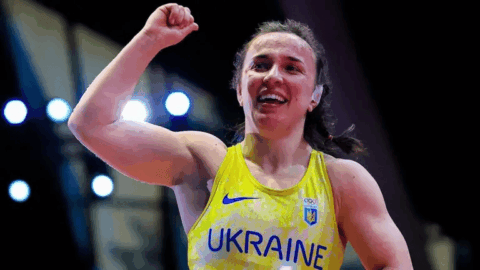
Ukrainian tennis player Oleksandra Oliynykova has publicly accused the Women’s Tennis Association (WTA) of sustained pressure after she spoke out about Russian and Belarusian players’ perceived political neutrality during Russia’s war against Ukraine.
In a series of statements shared online, Oliynykova said she faced warnings of fines and even potential disqualification for naming specific athletes who, according to her, engaged with social media content expressing support for Russian President Vladimir Putin.
The controversy centers on a video recorded by Russian media personality Victoria Bonya, in which she addresses Putin directly, calling him a “strong politician” and expressing support. According to publicly available social media activity cited by Ukrainian sources, several professional tennis players – including Aryna Sabalenka, Polina Kudermetova, Anastasia Gasanova, Irina Khromacheva, and Sofya Lansere -reportedly interacted with the content.
Oliynykova argues that such engagement carries broader implications during wartime.
“War is not only about weapons,” she said. “It is also about silence, approval, and signals sent to millions.”
She linked these dynamics directly to her lived experience in Ukraine, describing training under air raid sirens and living under the threat of missile attacks. “This is why I can be killed at night – in my own home,” she said.
The player also described what she characterized as institutional pressure from the WTA.
“I was under constant pressure. I was told to stop naming players individually,” Oliynykova said, adding that officials warned her statements could “harm” others on tour.
According to her account, WTA representatives held repeated conversations with her during tournaments, urging her to modify her public messaging. “They tried to teach me how I should speak – or rather, how I should stay silent,” she said.
Oliynykova further claimed that she was threatened with financial penalties “of tens of thousands of dollars” and possible disqualification if she continued her public criticism.
The WTA has not publicly commented on her specific allegations at the time of publication.
The issue highlights an ongoing tension in international sport: how governing bodies and athletes navigate political expression during wartime, particularly when players from countries involved in active conflict continue to compete on global stages.
For Oliynykova, the matter is personal – and unresolved.
“I will not stay silent anymore,” she said. “Speaking the truth is not a violation.”
Tags: EMPR media sport global tennis news Oleksandra Oliynykova russia ukraine war sports politics tennis tennis controversy Ukraine Sports wta WTA tennis