
One drone strike. One critical bridge. Ukraine’s latest operation could complicate Russian military logistics across occupied Crimea and southern Ukraine.
The Chonhar corridor has long been one of Russia’s most important logistical links to occupied Crimea. Any prolonged disruption could affect military mobility and supply operations across southern Ukraine.
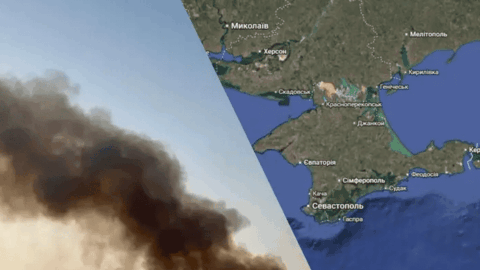
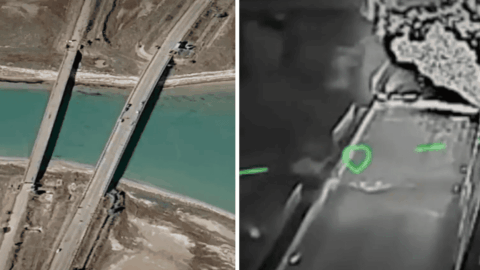
Ukrainian forces have reportedly carried out a successful drone strike on the strategically important Chonhar Bridge, a critical transport link connecting temporarily occupied Crimea with mainland Ukraine. The attack, conducted during the night of June 7, 2026, damaged the bridge roadway and forced Russian occupation authorities to suspend traffic through the nearby Dzhankoi crossing point.
The strike marks another step in Ukraine’s ongoing campaign to disrupt Russian military logistics in southern Ukraine and occupied Crimea, targeting infrastructure that supports the movement of troops, equipment, and ammunition.
According to available information, Ukrainian drone operators successfully hit the bridge deck, causing enough damage to halt transportation across the crossing. Occupation authorities later confirmed the damage and acknowledged that traffic had been completely suspended while engineers assess the condition of the bridge’s supporting structures.
Russian officials have not provided a timeline for repairs, indicating that additional inspections are required before any restoration work can begin.
The logistical consequences could be significant.
The Chonhar corridor has long served as one of the most important supply routes linking occupied Crimea to Russian forces operating in southern Ukraine. With traffic now restricted, Russian military logistics must be rerouted through alternative crossings at Armyansk and Perekop.
Military analysts note that these detours could increase transportation routes by approximately 130 kilometers, creating additional pressure on Russian supply chains and slowing the movement of personnel, military equipment, fuel, and ammunition.
The attack follows reports from Ukraine’s Special Operations Forces on June 6 that Ukrainian drone units had established effective aerial control over sections of the Melitopol–Chonhar route. According to Ukrainian military sources, drone operators have intensified efforts to target Russian logistics hubs, transport infrastructure, and military vehicles throughout the occupied south.
This strategy reflects a broader Ukrainian objective: reducing Russia’s ability to sustain frontline operations by systematically degrading supply networks far behind the front lines.
Throughout the war, bridges, railways, ammunition depots, and command centers have become high-priority targets as both sides seek to weaken their opponent’s operational capabilities. For Ukraine, disrupting routes connecting Crimea with occupied territories is particularly important because these corridors remain essential for Russia’s military presence in southern Ukraine.
The latest strike also highlights the growing role of unmanned systems in modern warfare. Ukrainian drone capabilities have expanded significantly, allowing operators to conduct increasingly precise long-range attacks against critical infrastructure and military assets.
For international observers, the incident demonstrates how the battlefield continues to evolve beyond traditional frontline engagements. Control of logistics networks, transportation hubs, and supply routes has become a decisive factor in determining operational effectiveness.
As repair assessments continue, the damage to the Chonhar Bridge could have both immediate and longer-term consequences for Russian military logistics in the region.
The development comes amid intensified Ukrainian efforts to isolate occupied Crimea and complicate Russian military operations across southern Ukraine. While the full impact of the strike remains to be seen, the disruption of a key transport artery underscores the strategic importance of infrastructure in the ongoing war.
Tags: Chonhar Bridge crimea EMPR media military logistics occupied crimea russia ukraine war southern Ukraine