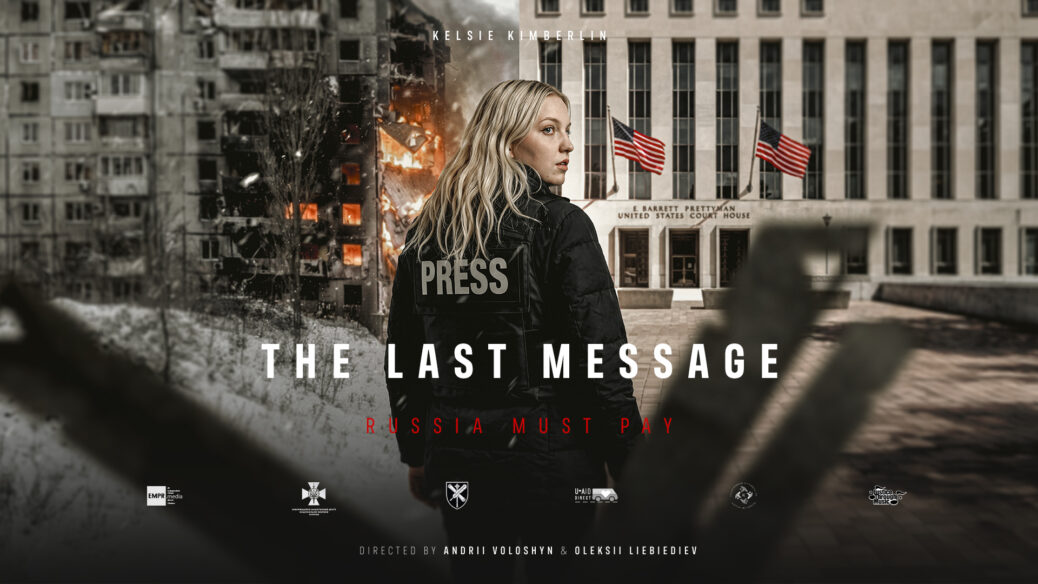
Ukrainian documentary The Last Message has built significant momentum on the international film-festival circuit, collecting more than 40 awards and official selections since February 2026 as it enters the campaign to represent Ukraine at the Oscars Academy Awards.
As Ukraine prepares to choose its official entry for the 99th Academy Awards, one independent film arrives with something rare and hard-won: genuine international momentum.
The Last Message is not a state-backed production. It is not a carefully packaged campaign with major institutional resources. It is a film made by determined filmmakers who simply refused to look away.
Kelsie Kimberlin and Andrii Voloshyn are the creative forces behind The Last Message. Kimberlin, an American-Ukrainian singer and musician, became the film’s central figure after her 21-year-old cousin, Andrii Rachok, was killed while serving in Ukraine, prompting her journey to Ukraine and the frontline to understand his decision to fight. Ukrainian filmmaker Andrii Voloshyn directed, wrote and edited the documentary, transforming her personal search into a broader story of Ukraine’s war, resilience and human cost.
Beyond the human tragedy, the film raises a question that is already becoming especially relevant today: are there real mechanisms for restoring justice for people affected by Russian aggression, and can the responsibility of the aggressor state be expressed not only through political decisions, but also through concrete compensation for the damage caused. This is a conversation not only about memory, but about actions that are possible right now.
Since February 2026, this documentary has earned an extraordinary 40+ festival awards and official selections, stretching from the United States to India, from Cannes to New York.
Among its recent honors: Best Documentary at the Chain NYC Film Festival and Best Documentary at the World Film Festival in Cannes.
These awards matter. They prove the film has already spoken to audiences and juries far beyond Ukraine.
Now it seeks something even harder: the chance to represent Ukraine at the Oscars.
A personal journey into the heart of war
The Last Message is a documentary road film about family, responsibility, and the meaning of war when it stops being abstract.
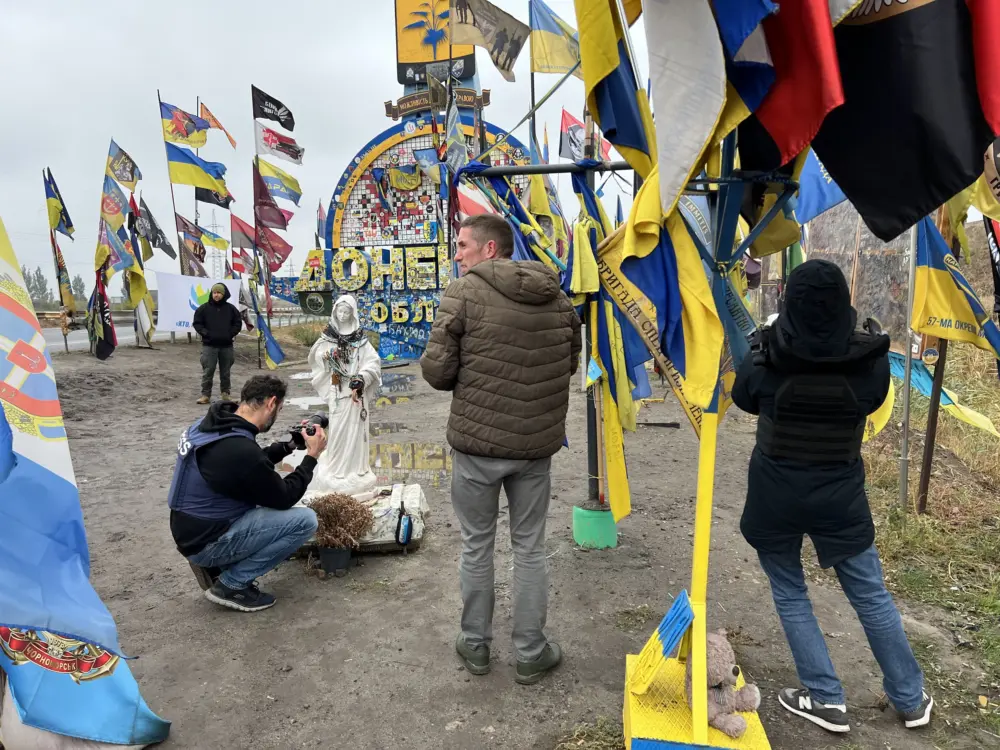
At its center is Kelsie Kimberlin – an American woman of Ukrainian descent. For her, the war was once distant headlines and political debates.
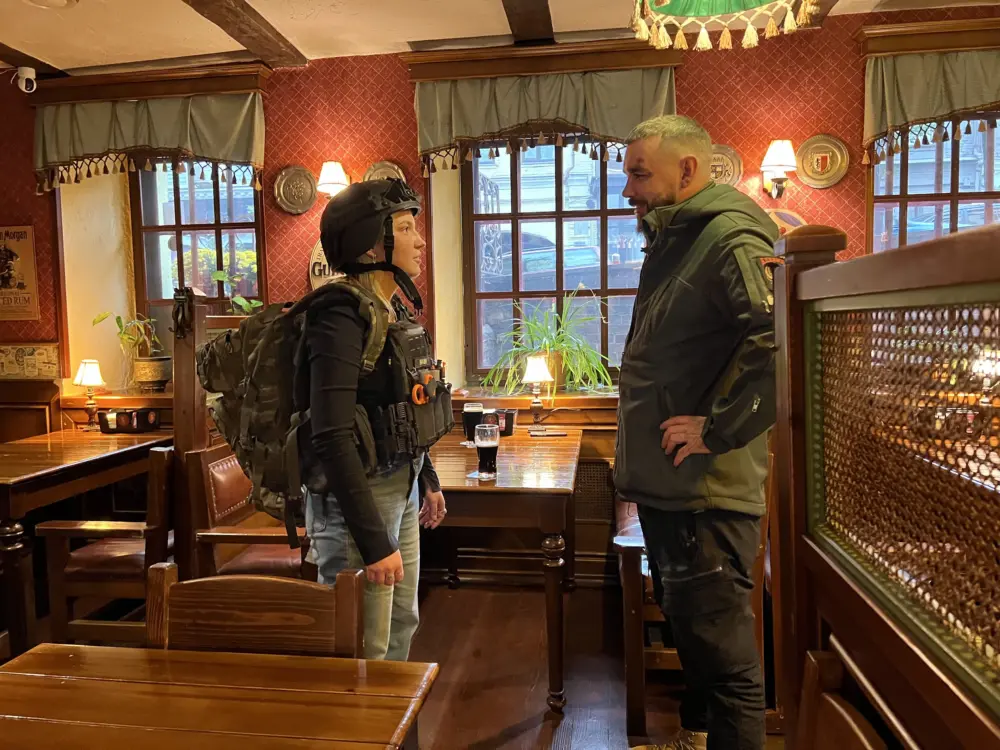
Then her 21-year-old cousin was killed on the frontline. Suddenly the conflict became blood, grief, and an unanswered question that would not let her rest.

She travels to Ukraine carrying two painful questions: Why, despite massive international aid, does Ukraine still face critical shortages of weapons, medicine, and resources?
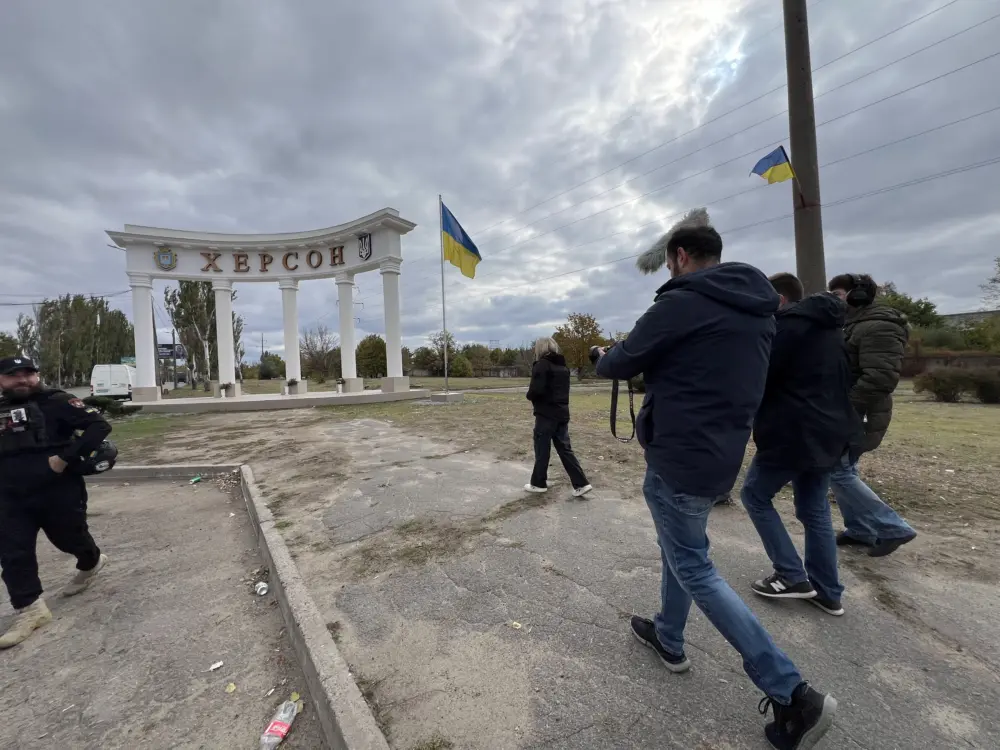
And why do Ukrainians keep fighting when the world so often calls for “peace” and compromise?
The answers unfold through real people – soldiers, volunteers, civilians, and the quiet dignity of those who have lost everything yet still refuse to surrender their home.
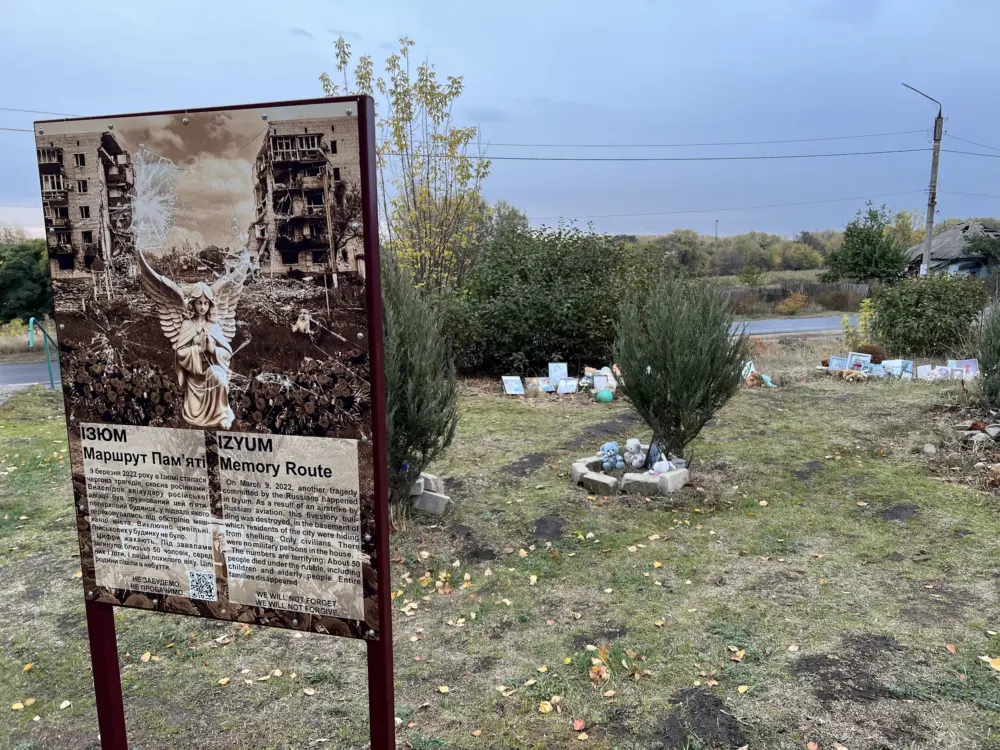
This is not a film of cinematic heroes or polished victories. It shows the war as Ukrainians actually live it: exhaustion and courage side by side, hope and grief intertwined, the daily struggle to simply stay alive and protect what remains.
A family story that speaks for thousands
Through memories, a journey to her cousin’s grave, and conversations with the soldiers who knew him, Kelsie tries to understand his choice. He did not volunteer for glory. He went because he could not do otherwise.
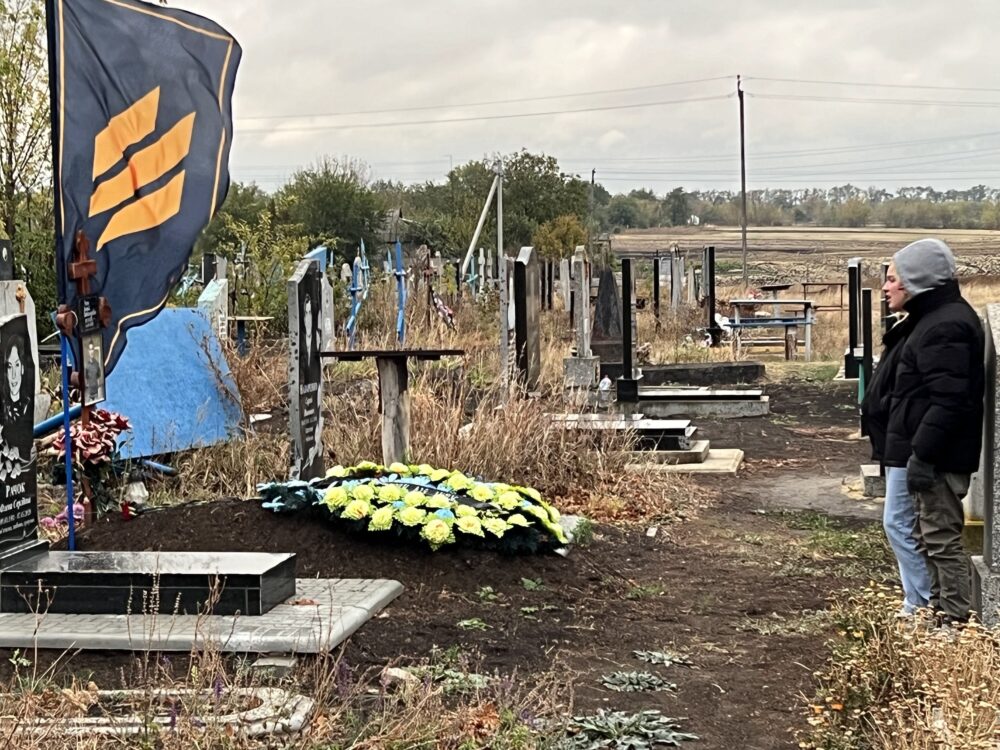
One family’s loss becomes a window into an entire nation’s experience. One death becomes a way of asking about thousands more.
The film moves constantly between the intimate and the geopolitical, between personal heartbreak and the larger questions of responsibility, aid, and survival.
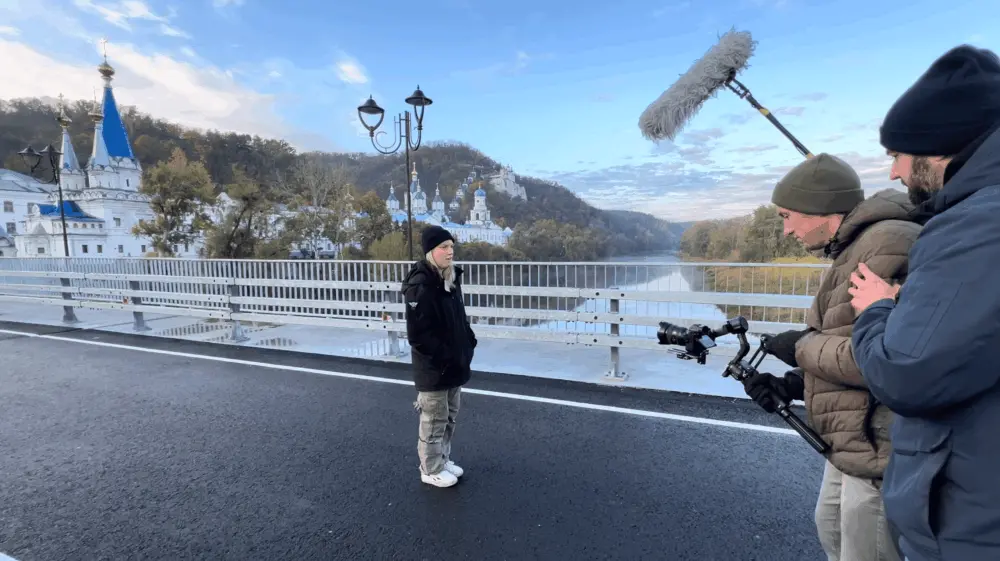
Made in English, returning home in Ukrainian
The Last Message was originally filmed in English, giving it direct access to international audiences – especially American viewers. For its Ukrainian release and Oscar campaign, a full Ukrainian-language version was carefully prepared under intense time pressure.
It is a Ukrainian story told first for the world, now returning home in its own language.
From Ukraine to Los Angeles and New York
The Oscar campaign is already underway.
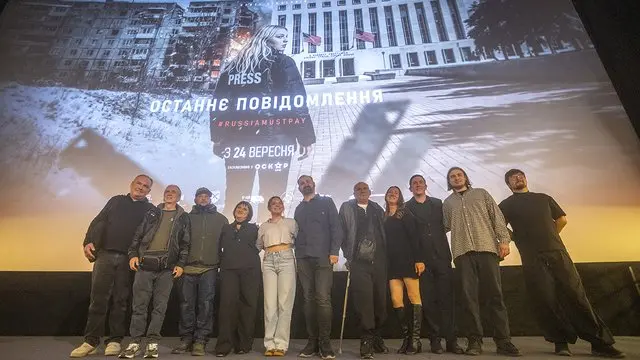
The Ukrainian theatrical premiere is scheduled for the end of September 2026, followed by a one-week run.
In October the film will premiere in Los Angeles, then continue to New York.
Festival appearances will continue through the rest of the year, including Oslo in December.
For an independent Ukrainian documentary, this combination of festival recognition and theatrical screenings is rare – and vital.

Why this film matters
“The Last Message” is a story about the war in Ukraine, told through the personal experience of American singer and public figure Kelsey Kimberlin. However, the film goes far beyond a personal story.

While shooting the film, Kelsie meets Nobel Peace Prize laureate Oleksandra Matviichuk, and together they confront the question of real accountability.
The Last Message does not claim to have simple answers. It simply refuses to look away.
It asks what happens when war becomes personal.
What responsibility means when the people dying are your family.
What “peace” means when your home is under attack.
What international support means to a soldier who needs ammunition today.

The Last Message Documentary is not a manufactured narrative.
Not a distant report.
Just the reality of courage, exhaustion, loss, and the stubborn will to keep building a future on their own soil.
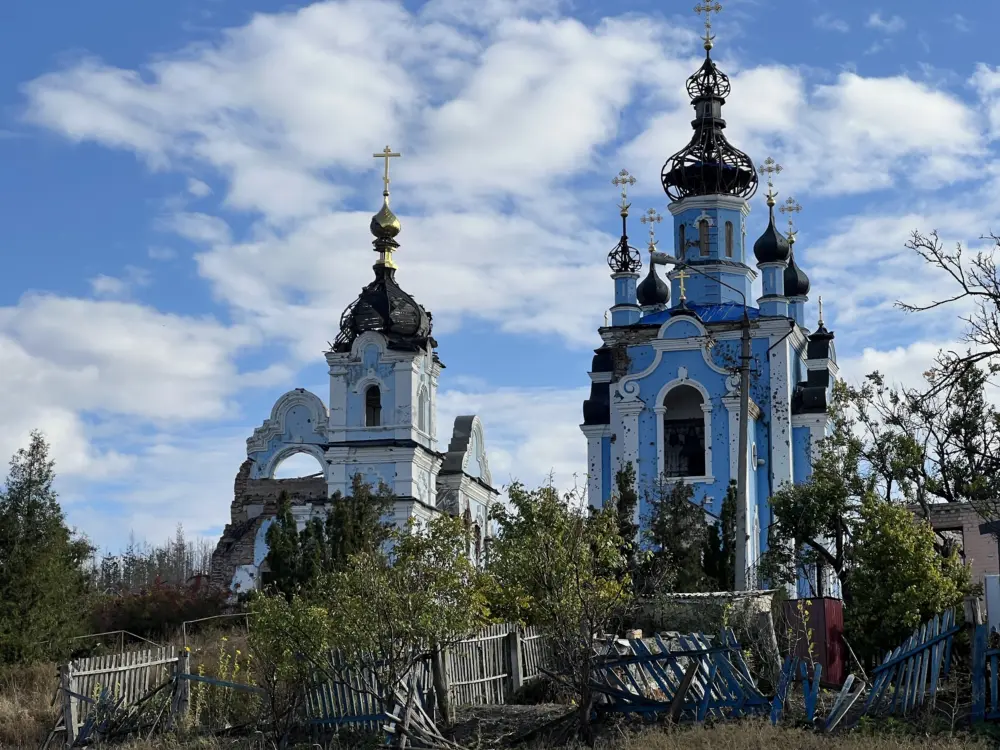
And the searing demand: Russia Must Pay.
This is not just a slogan.
The film gives a real answer on how to make Russia accountable – and you will see exactly how when you watch it to the end.