
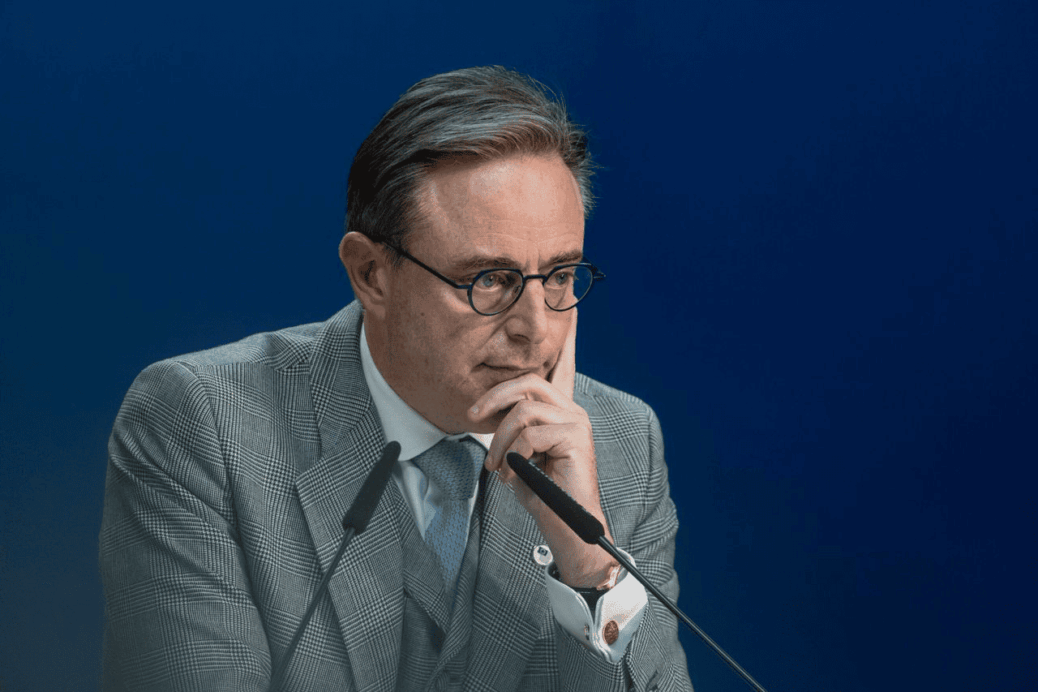
EU leaders postponed a decision on a €140 billion “reparations loan” for Ukraine using frozen Russian assets, while Belgium opposes risks and Putin allows expropriation.
Belgian Prime Minister Bart De Wever does not believe Russia will lose the war. He said this in an interview with La Libre Belgique.
Statement by the Belgian Prime Minister:
“It would be a nice story: take the money from the bad guy, Putin, and give it to the good guy, Ukraine. But stealing another country’s frozen assets, its sovereign wealth funds, has never been done before,” he explained.
De Wever noted that this concerns the funds of the Central Bank of Russia.
“Even during World War II, Germany’s money was not confiscated. During a war, sovereign wealth funds are frozen.
And after the war ends, the losing country must give up all or part of these assets to provide compensation to the victors,” the Prime Minister explained.
“But who really believes that Russia will lose in Ukraine? It’s a fable, a complete illusion. It’s not even desirable for a nuclear-armed country to lose a war and become completely unstable. Who believes that Putin will calmly accept the confiscation of Russian assets?
Moscow has made it clear that if confiscation occurs, Belgium and I personally will feel the consequences ‘forever.’ That seems like quite a long time,” De Wever added.
What is known about the “reparations loan” for Ukraine
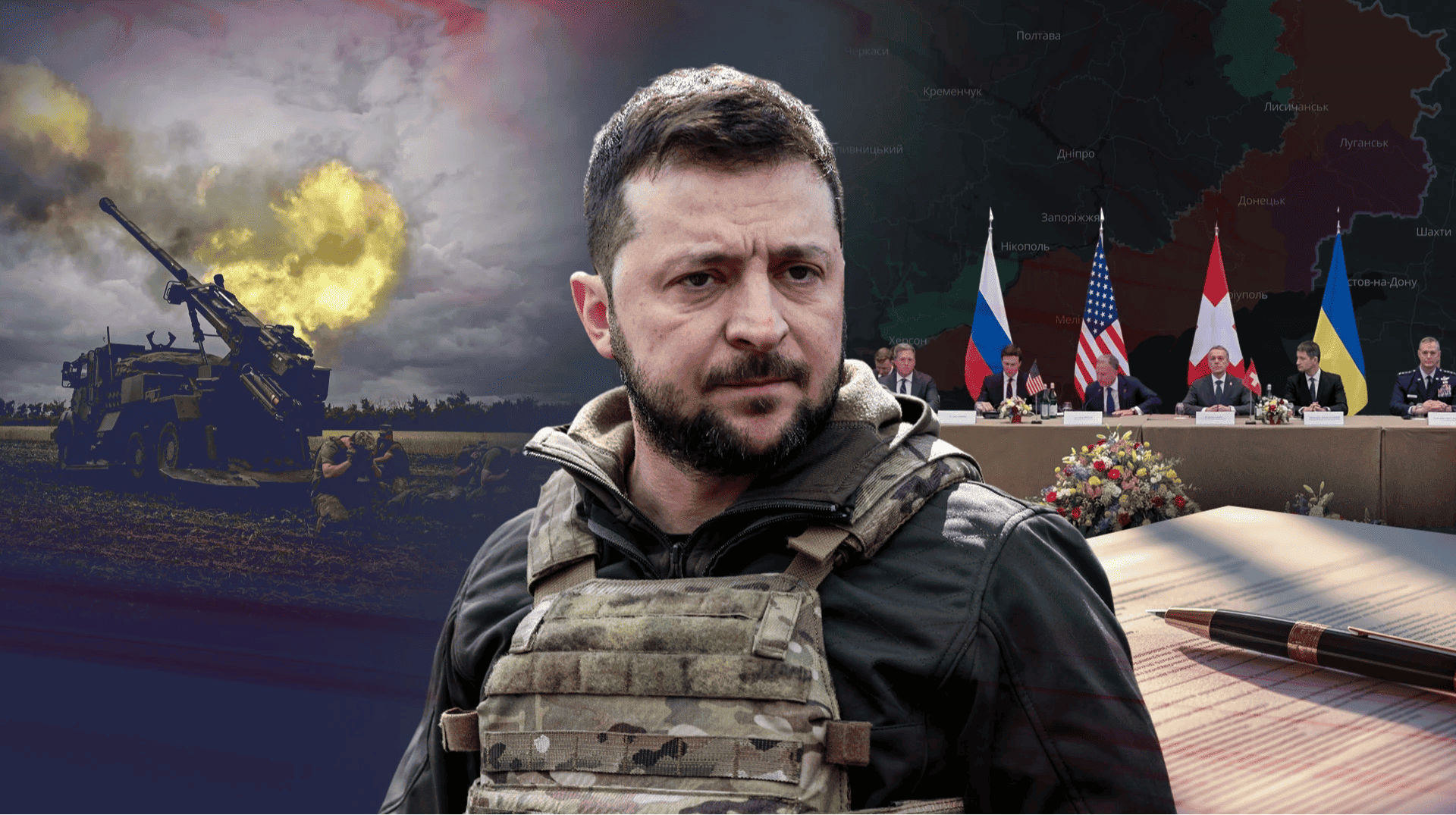
Recall that at a meeting in October, EU leaders postponed a decision on using frozen Russian assets as collateral for the so-called “reparations loan” for Ukraine, amounting to €140 billion ($163 billion). EU leaders plan to return to this issue at the meeting on December 18-19.
Belgium, which holds the bulk of these funds, opposed the European Commission’s proposed plan to use frozen Russian assets at the EU leaders’ meeting. The country fears legal and financial sanctions from Moscow and wants other EU countries to share these risks.
Earlier, European Commission President Ursula von der Leyen proposed using frozen Russian assets as collateral to provide Ukraine with “reparations loans.” Formally, sanctioned Russian assets would not be confiscated, but Ukraine would only repay such loans after Russia pays the reparations.
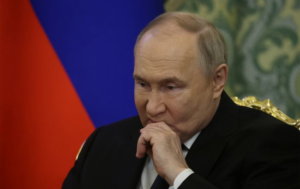
In response, Russian dictator Putin signed a decree effectively allowing the accelerated expropriation of assets belonging to Western companies that have not yet left Russia.
According to various estimates, the European Union’s “reparations loan” for Ukraine, secured by Russian assets, could amount to €130–140 billion. Its final size will be determined after the International Monetary Fund assesses Ukraine’s financing needs in 2026 and 2027.
Overall, more than €175 billion in cash from frozen Russian assets has currently accumulated in Euroclear, which could be used to secure the new loan. But before the EU approves the reparations loan, it will want to repay the G7 loan to Ukraine of €45 billion ($50 billion), agreed last year, which was supposed to be repaid using profits from the frozen Russian assets.
Tags: 2025 world news belgium De Wever european union frozen assets reparations loan Russia Russia‑Ukraine war finance

![Visitors at the “Thank You With All My Heart” Ukrainian exhibition at the Council of Europe, featuring the Great Amber Heart and powerful war art. :contentReference[oaicite:2]{index=2}](https://empr.media/wp-content/uploads/2026/02/heart-480x270.png)
![Danish and Ukrainian flags with military aircraft and armored vehicles, reflecting Denmark’s extra DKK 3.8B funding boost for Ukraine aid in 2026. :contentReference[oaicite:2]{index=2}](https://empr.media/wp-content/uploads/2026/02/daniya-480x270.png)





![Visitors at the “Thank You With All My Heart” Ukrainian exhibition at the Council of Europe, featuring the Great Amber Heart and powerful war art. :contentReference[oaicite:2]{index=2}](https://empr.media/wp-content/uploads/2026/02/heart-300x171.png)