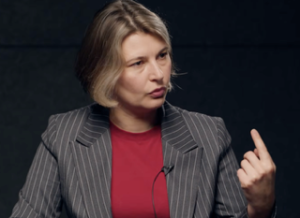
Winning the war means securing the state from within. 🏛️ EMPR Analytics breaks down the hidden risks of Ukraine's wartime governance and the urgent need for institutional reform. 🇺🇦 #Ukraine #Policy
Returning from war changes people in ways society often misunderstands. A psychotherapist explains the ethical mistakes to avoid—and how to truly support veterans.
What really happens under the dome? ☢️ 40 years after the disaster, step inside Chornobyl’s Sarcophagus. EMPR reveals how the world's most dangerous nuclear site operates today. 🇺🇦 #History
Millions of Russians now depend on the war economy. Ending the conflict could trigger economic shock, social tension, and elite fractures across the country.
The Midas corruption crisis exposes alleged large-scale kickback schemes in Ukraine’s energy sector, triggering political fallout and intensifying anti-graft investigations.
Ukraine’s evolving assault unit tactics—combining small infantry groups and drones—are reshaping frontline warfare while raising questions about sustainability and battlefield risk.
Ukraine’s anti-corruption reforms are reshaping governance under EU pressure, with NABU and SAPO at the center of a system fighting entrenched corruption.
A frontline drone developer challenges Ukraine’s defense-tech elite—raising urgent questions about effectiveness, funding, and who really delivers results in war.
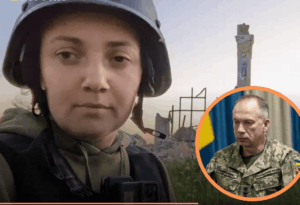
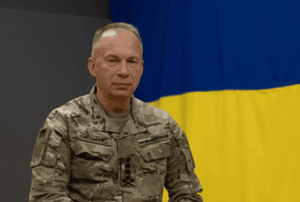
Ukraine is rethinking punishment for soldiers who walk away—Syrskyi’s softer AWOL policy exposes deeper cracks in morale, manpower, and the realities of war.
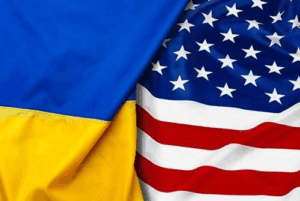
Ukraine gave up nuclear weapons worth trillions—so does the US now owe Kyiv $1T? A provocative claim reignites debate over broken guarantees and wartime support.
Ukraine’s controversial “OLX tax” could make parcels more expensive and even impact military funding—critics warn the law may hurt ordinary citizens more than it helps.