In the frontline city of Kherson, where shelling remains constant, a critical medical lifeline is under growing strain—and now, the world is beginning to see it.
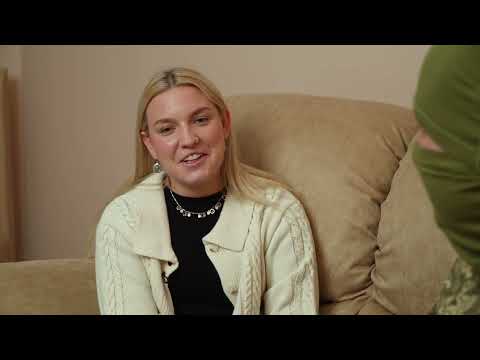
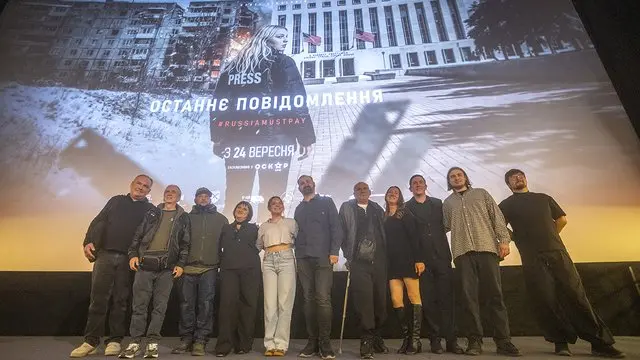
During a visit to the region, Kelsie Kimberlin documented the reality inside a local blood center while filming her documentary “The Last Message.” Traveling through Ukraine’s red zone, she captured firsthand how war is pushing essential healthcare systems to their limits.
Inside a reinforced shelter, the blood center continues operating despite repeated attacks. Since January 2024, the facility has functioned underground after suffering direct hits.
“We were shelled several times,” staff explain. “To protect both our team and donors, we moved everything here.”
Despite the destruction, operations have not stopped. The center collects blood, processes it into components, tests it for infections, and supplies hospitals with urgently needed blood types and Rh factors.
But the system depends on one fragile resource: donors.
“Donors are our raw material,” staff say. “If we have donors, we have blood. Without them, hospitals cannot function.”
Kherson’s population has significantly declined due to ongoing attacks, leaving behind a critically small donor base. The result is a growing shortage that threatens patient care across the region.
To address this, the center actively recruits donors through coordinated outreach. A public relations manager posts daily needs on social media, calling for specific blood types—especially rare and Rh-negative groups.
Meanwhile, a donor recruitment team maintains direct contact with volunteers, calling them every 60 days—the safe interval for whole blood donation—to encourage them to return.
Still, the challenge remains severe.
“Very few people are left in the city,” staff say. “And that means very few donors.”
The consequences are immediate. Blood is essential not only for those wounded in shelling but also for routine surgeries, chronic conditions, and emergency care. Without it, hospitals cannot operate.
Support from other Ukrainian cities helps bridge the gap, with deliveries of red blood cells and other components. But logistics are complex, and demand continues to rise.
Through Kimberlin’s lens, this hidden crisis becomes visible to a global audience—highlighting not just destruction, but resilience.
On the ground in Kherson, the mission continues.
“We do everything we can,” staff say. “Because every day, someone needs blood.”