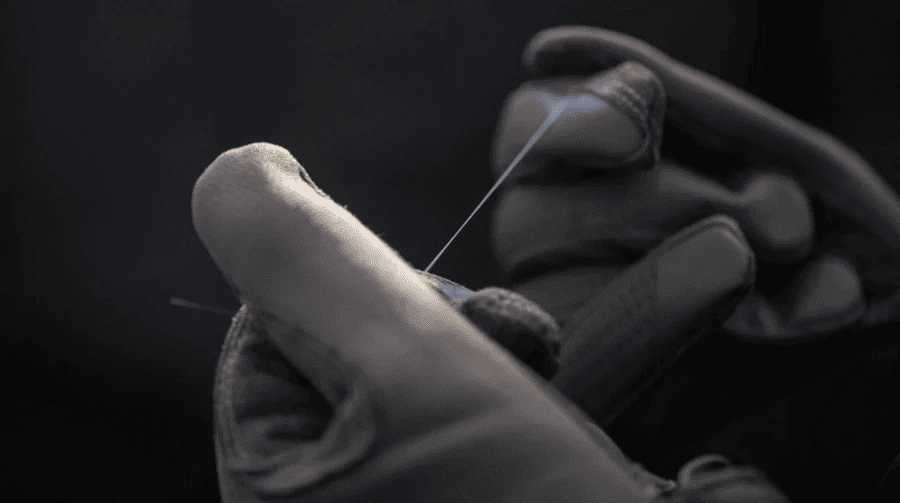
Ukraine faces a critical fiber-optic shortage for drones, driven by global supply dependence, soaring prices, and the need for local production and strategic stockpiles.
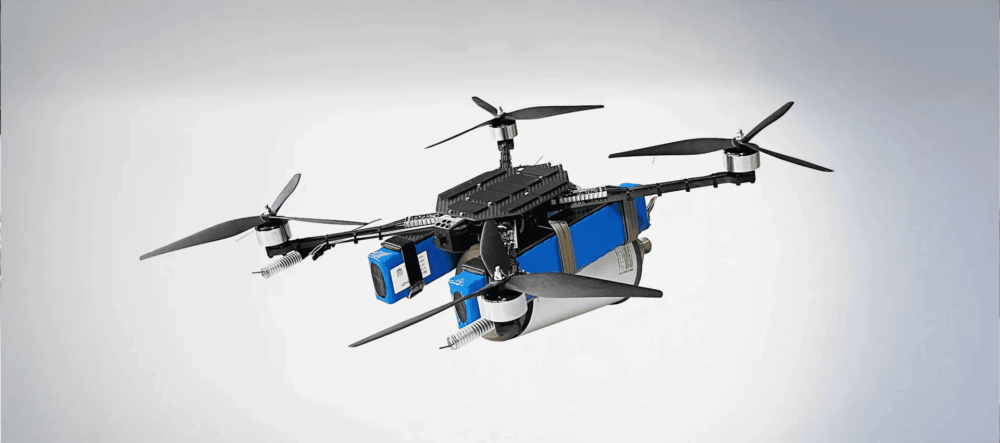
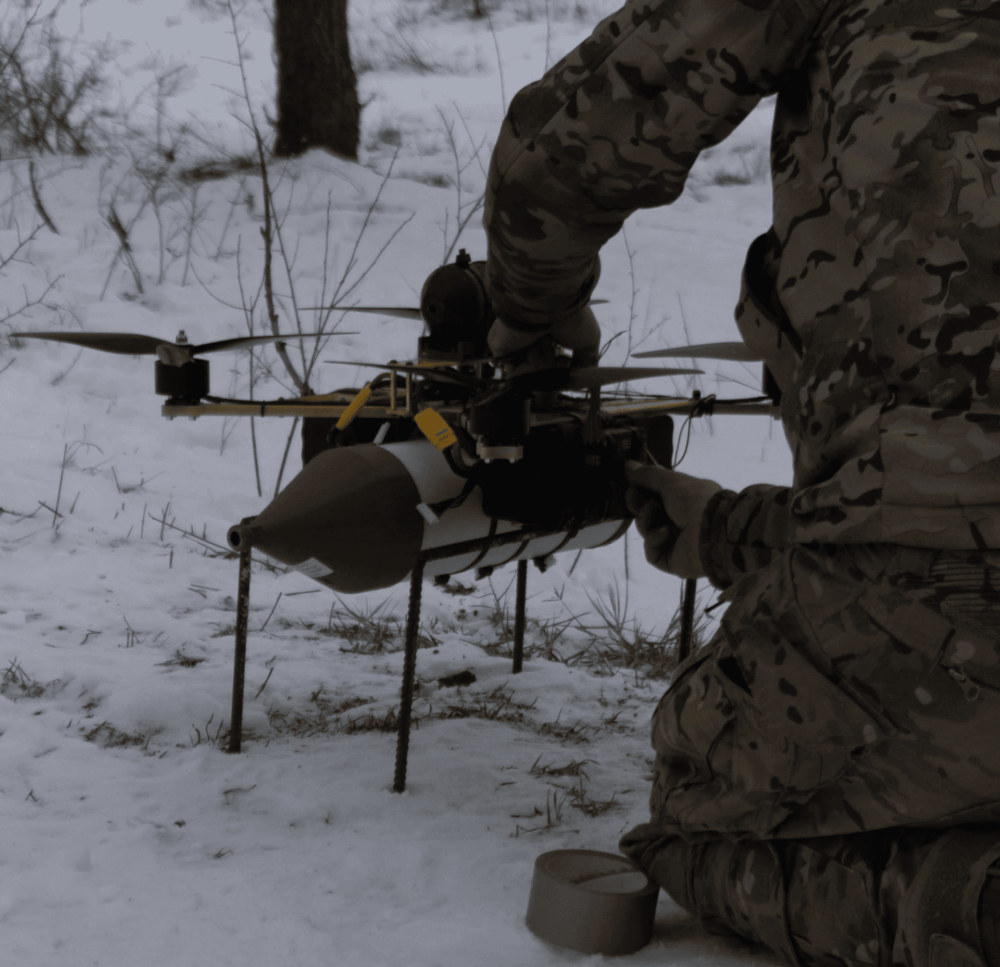
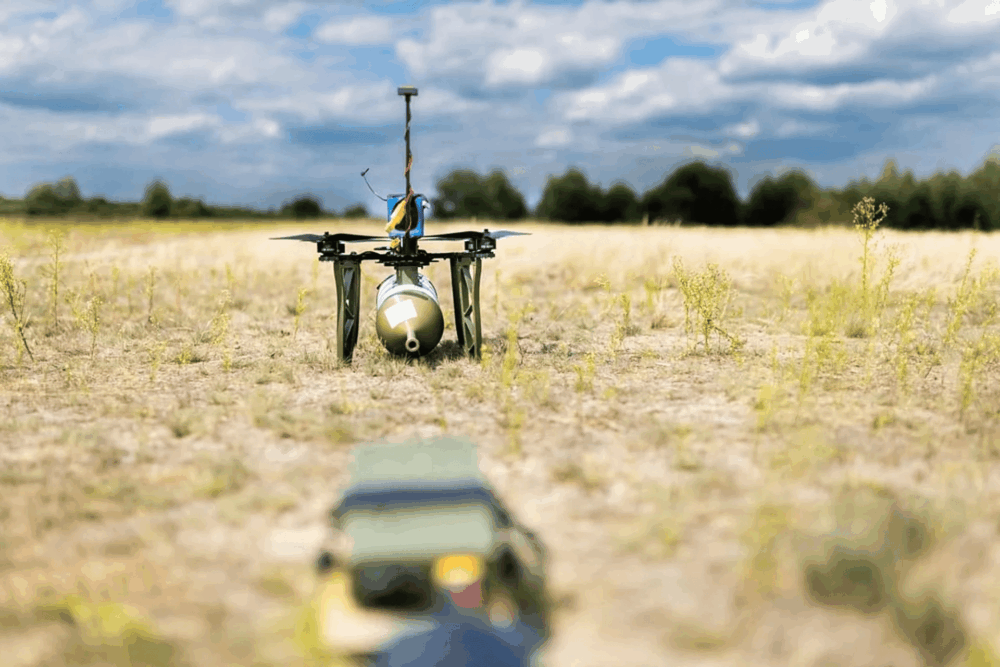
According to former Defense Minister Denys Shmyhal, Ukraine was supplying the front with more than 50,000 fiber-optic-controlled drones per month. These drones are immune to electronic warfare and have become one of the key technological challenges on the battlefield.
However, just as domestic manufacturers reached reasonable production volumes, a problem emerged due to Ukrainian companies’ dependence on imports. At the beginning of the year, Chinese suppliers began sharply increasing prices for fiber-optic cable.
“We signed a contract at a price of $5 per kilometer and paid for it. The Chinese factory produced the batch and then said: either you pay an additional $20 per kilometer, or we return the money,” Yevhen Sukhinin, founder of Ptashka Drones, told Oboronka.
According to estimates from companies interviewed by Oboronka, the price of fiber-optic cable has risen three to five times over the past two months alone and continues to grow. This directly affects the production cost of drones and the ability to manufacture more fiber-optic drones.
Oboronka spoke about the issue with FPV drone manufacturers and the Defense Procurement Agency of Ukraine. Here is what is happening and how the state plans to respond.
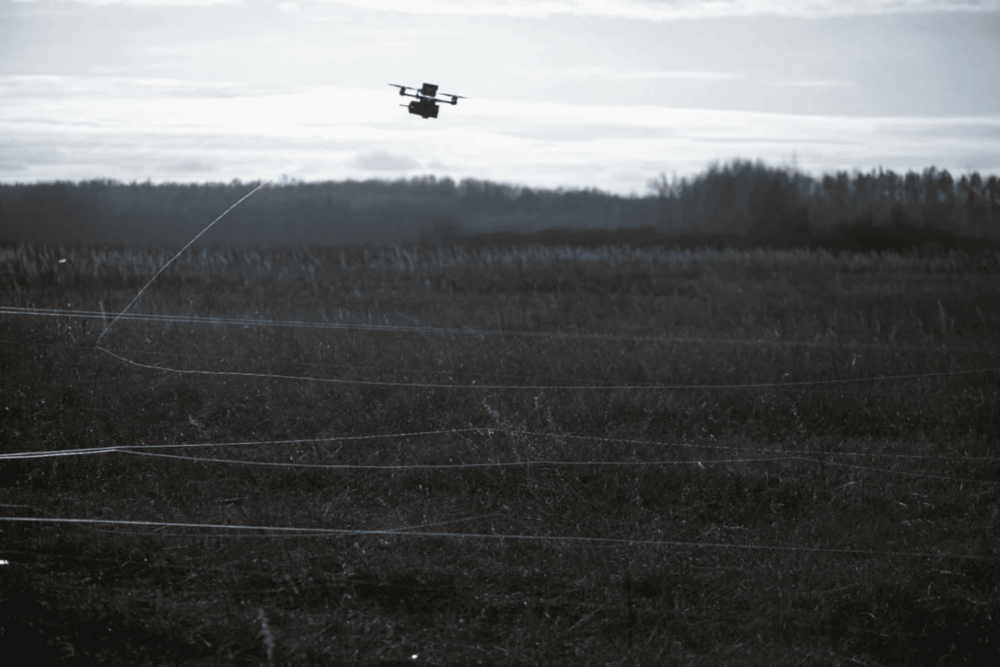
“Price is rising like Bitcoin”
At the Defense Procurement Agency of Ukraine, two key reasons for the global fiber-optic shortage are cited: the war in Ukraine and the surge in demand on the civilian market.
“Both we and the Russians are increasingly using fiber-optic drones, but fiber-optic cable is needed not only by the military. The civilian sector has sharply increased consumption — primarily for data centers supporting artificial intelligence. Production is limited: fiber-optic cable is manufactured in China, the United States, and several countries in Asia and Europe, while demand is growing faster than supply. In Asia, the price per kilometer of fiber has already increased two to three times, and in North America and Europe by five to six times,” the Agency explains.
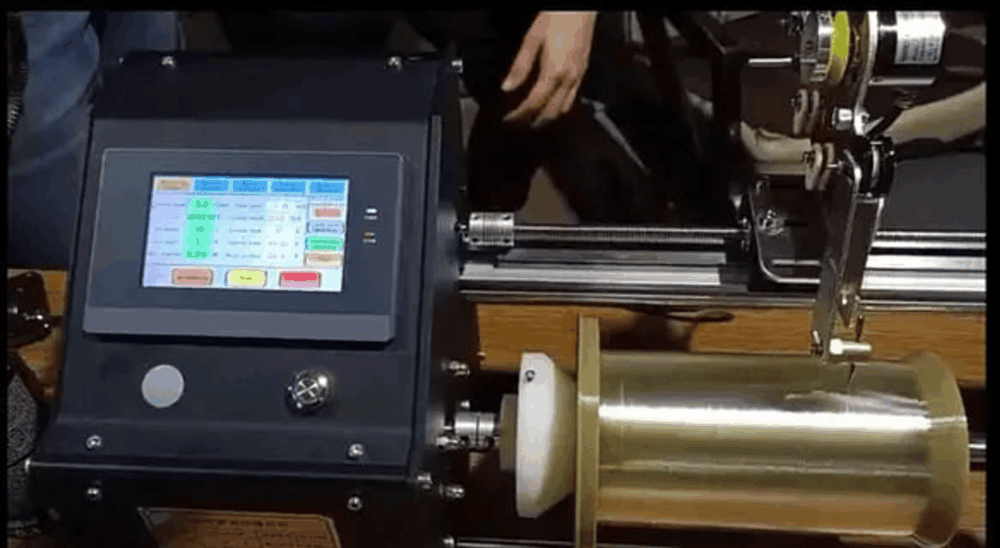
This primarily concerns fiber-optic cable of the G.657.A2 standard, which is used for FPV drones. It is best suited for combat tasks because it is resistant to bending and has minimal signal loss.
“Prices are rising like Bitcoin in its best days,” noted Yevhen Sukhinin.
According to the drone manufacturer VYRIY, in less than one quarter the price of 1 km of fiber-optic cable of the required standard increased from about $4 to $29.
“Before the full-scale war, G.657.A2 fiber-optic cable was used mainly in certain specialized industry segments. Annual production capacity was about 90 million kilometers. During 2025, the balance between supply and demand changed sharply, and fiber-optic manufacturers are physically unable to adapt quickly enough,” VYRIY told Oboronka.
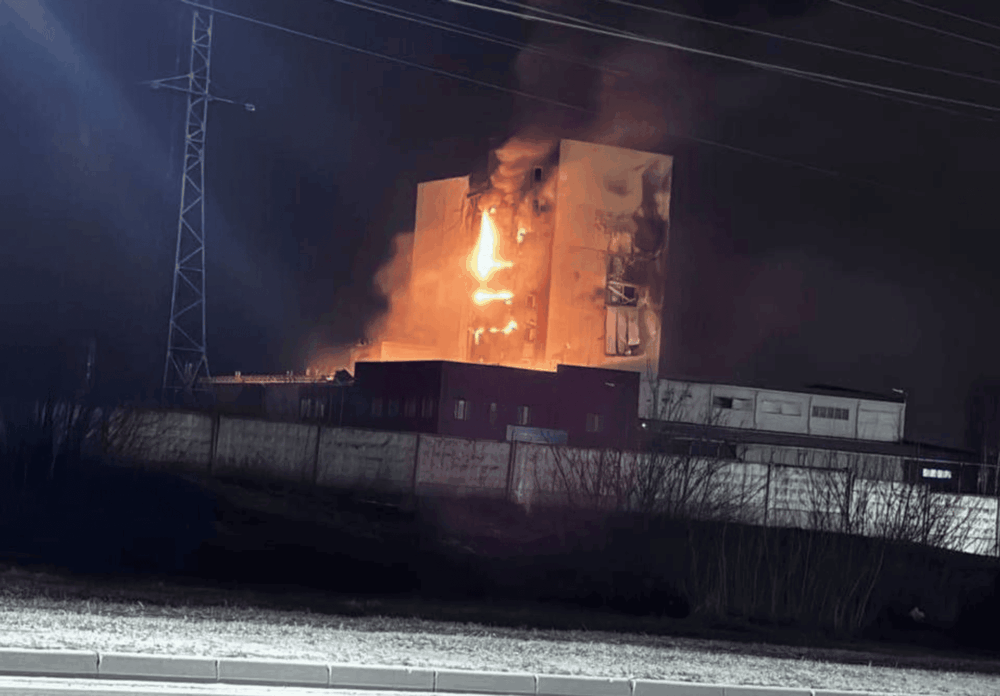
Additional pressure on the market is being created by Russia, which after Ukrainian drone strikes in April–May 2025 on its only fiber-optic plant now relies much more heavily on imports from China.
According to manufacturers, the vast majority of fiber-optic cable in Ukraine is of Chinese origin. “It can enter Ukraine directly from China if the contract is paid in cash or cryptocurrency, or through European intermediaries,” the director of the company B-Drone, who goes by the pseudonym “Hamlet,” told Oboronka.
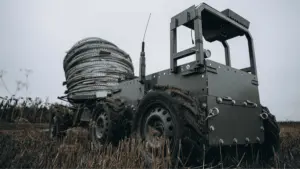
In search of the scarce fiber, companies are resorting to various solutions. For example, they split large fiber-optic spools into several shorter ones.
Will fiber-optic drones become more expensive?
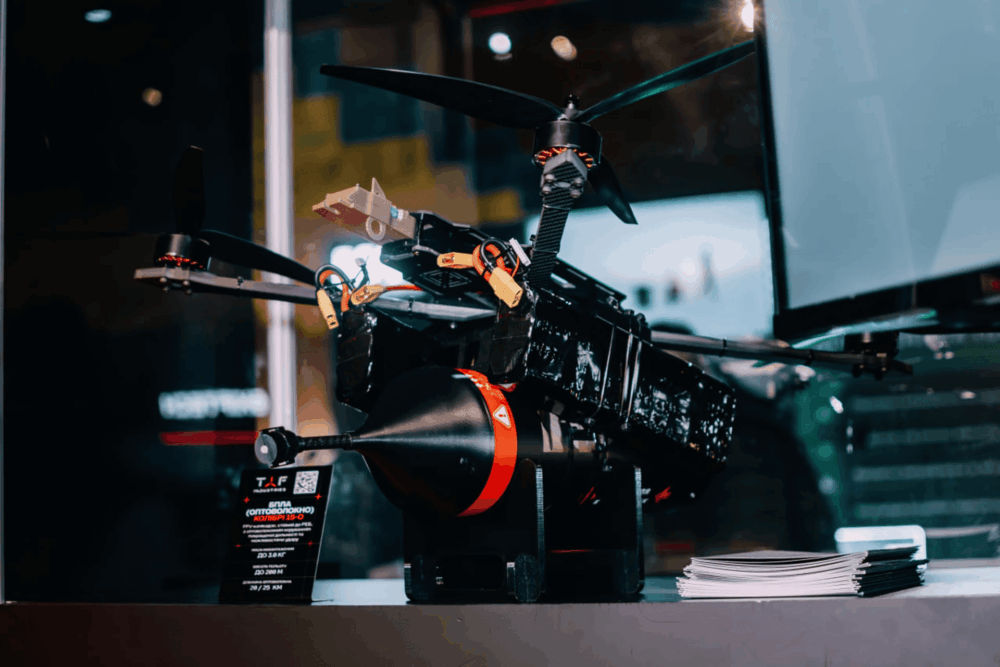
The crisis has already led to higher drone prices. As Volodymyr Zinovskyy, CEO of TAF Industries, told Oboronka, last year the cost of the drone itself and the spool of fiber were roughly the same, but now the spool accounts for the lion’s share of the price.
At VYRIY, they said the production cost of fiber-optic drones has roughly doubled. At the same time, the manufacturer promises to fulfill all orders under the previously agreed terms.
The Defense Procurement Agency of Ukraine says the supply situation for drones remains stable for now. “Thanks to reserves of this raw material that manufacturers built up at the end of 2025, there are currently no critical or large-scale delivery delays. At the same time, the risk of such delays emerging in the future remains.”
“Because of the shortage, drone manufacturers have to redistribute existing stocks to priority orders. This is not very noticeable now, but if other manufacturers fail to quickly establish supply chains, it will affect the supply of our military. We are currently seeing local delays among manufacturers, but so far the situation has not caused large-scale production stoppages,” the company General Chereshnya told Oboronka.
Small and medium-sized manufacturers have been hit especially hard, as they are now suffering greatly from the shortage. They have less working capital and are therefore unable to invest large sums in stocking components in warehouses.
According to “Hamlet,” all the fiber entering Ukraine, even at the new price, is immediately bought up by large manufacturers. Because of this, the company was forced to halt its own winding workshop. Ptashka Drones has also stopped accepting new orders due to problems with fiber supply.
What’s next?
Manufacturers see different options for resolving the situation. TAF Industries is considering focusing more on FPV drones with electronic warfare-resistant radio communication.
One possible solution is launching domestic fiber-optic production in Ukraine. However, for now, this option seems the least realistic.
“Theoretically, we could start our own production, but a full cycle requires hundreds of millions of dollars in investment and several years to set up, plus we would still depend on imported raw materials and equipment,” Anatoliy Khrapchynskyy, a member of the Advisory Board of the Defence Builder accelerator, told Oboronka.
VYRIY notes that even the global market cannot quickly respond to the surge in demand, as launching a new plant would require roughly $60 million in investment and at least two years to reach stable production capacity.
A more realistic approach for manufacturers remains diversifying supply chains, as well as producing their own spools, which are also largely imported from China. For the state, the priority is to ensure longer-term contracts for companies so they can build up reserves.
“We primarily sought suppliers of fiber-optic raw materials in Europe to avoid supply disruptions and reduce dependence on Chinese components. That’s why we did not experience a critical fiber-optic shortage in our own production,” the company General Chereshnya told Oboronka.
TAF Industries is also working with several fiber-optic spool suppliers and is ready to adapt drones to the domestic solutions available in sufficient quantities. The company VYRIY took a similar path, not only diversifying supply chains but also increasing its own spool production.
“There is currently no quick solution that could immediately eliminate the fiber-optic shortage. So decisions need to be made at multiple levels. The measures our company implements do not solve the global shortage, but they allow us to maintain process control and ensure stable supplies,” VYRIY says.
The Defense Procurement Agency of Ukraine notes that, together with the Ministry of Defense of Ukraine and the General Staff, they are already looking for ways to reduce risks. The Agency has submitted proposals to amend Resolution No. 1275 — so that contract prices can be reviewed not only when a product is improved, but also when objective market conditions change (for example, when component prices rise sharply).
They are also separately discussing the option of state procurement of fiber-optic cable as a strategic raw material. Development of both mechanisms is ongoing.
The Agency also again urges contracting drones through the military weapons marketplace DOT-Chain Defence, where up-to-date information on drone availability from different manufacturers is posted, or where it is possible to quickly secure a place in the queue.
The fiber-optic story illustrates a simple truth: in war, not only technologies or finished products are critical, but also components and raw materials. The fiber-optic reserves built up by some companies did not completely solve the problem, but they did buy time for adaptation.
However, even stockpiles do not address the main issue — dependence. When 65% of global production is concentrated in one country, and supply chains are tied to its policies, economic decisions, or even simple market fluctuations, any external factor instantly becomes an internal risk.
Therefore, the question of diversifying supply, localizing component production, and building reserves must move from the realm of discussion to that of strategic necessity, even if at the moment it seems like a more expensive solution.
Tags: Drone Warfare EMPR media fiber optic drones FPV drones Ukraine Military Technology russia - ukraine war Ukraine defense industry Ukraine war tech