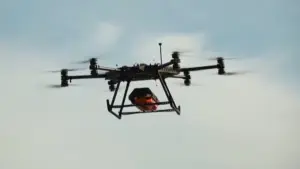

FP-5 “Flamingo” demonstrates long-range strike capability with several deep successful hits, while accuracy and consistency remain under evaluation in open-source data.
More than eight months have passed since the first photo and specifications of the Ukrainian FP-5 “Flamingo” cruise missile appeared. It is said to have a strike range of up to 3,000 km and a warhead weighing up to 1,100 kg.
This product by Fire Point has sparked both skepticism and excitement. On the one hand, its large-scale production capacity and relatively low cost are noted; on the other, there are “simple” technological solutions and conceptual drawbacks that may affect its strike effectiveness.
For a long time, there was absolutely no information about its real combat use. So the key question remains: is the FP-5 “Flamingo” still an experimental weapon, or is it already becoming a fully fledged strike tool?
“Oboronka” analyzed every attack involving “Flamingo” missiles recorded in open sources, along with satellite images after the strikes. The analysis draws on data from the communities “CyberBoroshno,” Exilenova+, and Dnipro OSINT. We explain which of these strikes proved effective and how often these missiles actually hit their targets.

How was it calculated?
Open sources report a total of six verified attacks using “Flamingo” missiles.
Fire Point’s chief designer, Denys Shtilerman, occasionally publishes videos of FP-5 launches on his X account. These posts align with official reports from the Defense Forces on the use of “Flamingo,” as well as related publications and photos on Russian information resources.
Information about launches alone is not enough, as the missile must not only reach the target but also hit it. To analyze accuracy, we compared military reports with satellite imagery, which allows for a relatively precise assessment of strike accuracy.
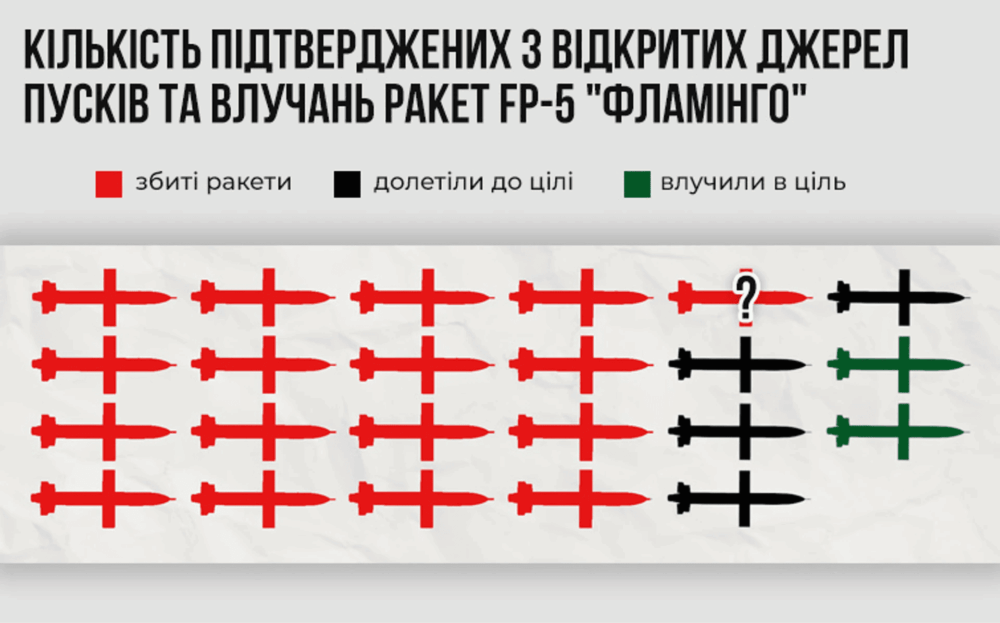
In total, 23 launched “Flamingo” cruise missiles have been captured on video over time. Ukrainian OSINT analysts identified that 6 of them reached the target area, but only 2 hit the intended object. One additional strike remains disputed.
Next comes a breakdown of each strike. But before that, it is important to note that all the information provided is based solely on data from open sources. The real number of launches or hits may be higher, and the ratio of launched missiles to successful strikes may differ significantly.
Debut. Strike on an FSB border base in Crimea
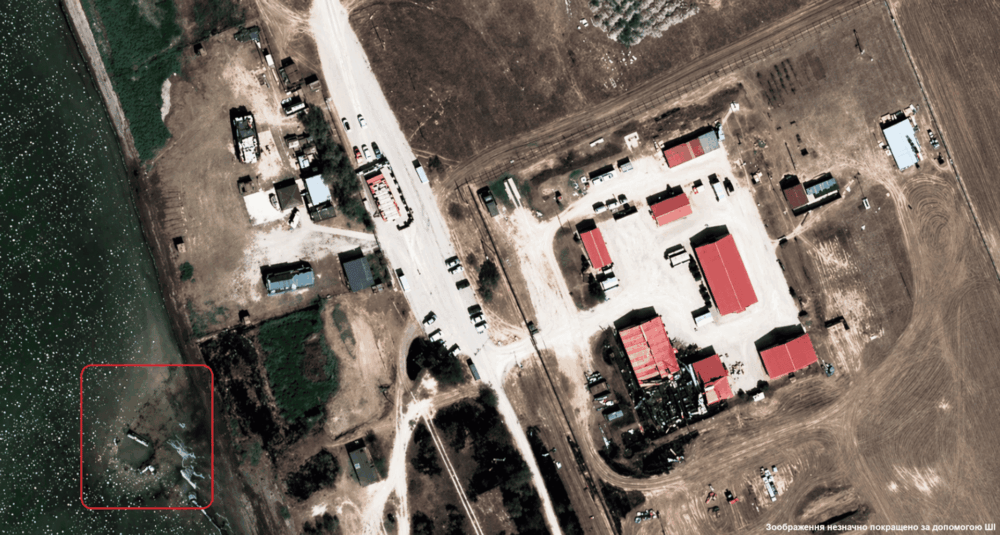
“Flamingo” first made a public appearance in the occupied city of Armyansk, at an FSB border outpost located 120 kilometers from the line of contact. The Defense Forces struck it on August 31. Of at least three missiles launched, only one is confirmed to have reached the target area — it missed and fell into the water near the base. Satellite imagery shows damage to a building, but it is difficult to say with certainty what weapon caused it or whether it corresponds to the claimed power of the “Flamingo.”
Nevertheless, this was the first time the FP-5 missile reached a Russian target at all, demonstrating that it exists.
Second strike. Attempted attack on a thermal power plant in the city of Orel
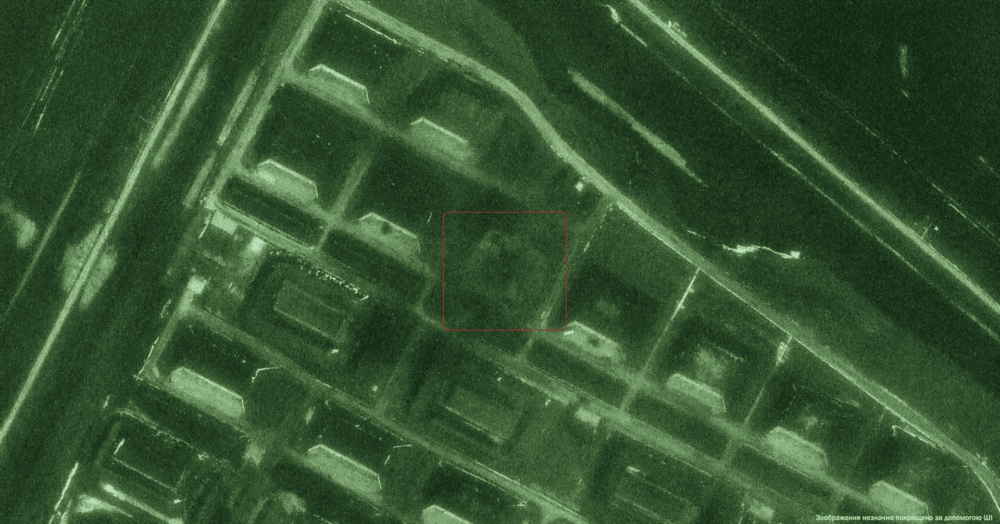
On November 13, 2025, the Defense Forces attempted to strike a thermal power plant in the city of Orel, more than 170 km from the border. At least four missiles were launched, but satellite imagery shows no fresh signs of damage or missile impact near the facility.
It appears that the missiles were intercepted by Russian air defenses. One interception of a “Flamingo” was likely captured on video published by the OSINT community Exilenova+.

Third strike. Attack on an artillery arsenal near Kotluban. First hit
The arsenal of the Main Missile and Artillery Directorate of the Russian Federation (GRAU) in Kotluban is of significant importance to the occupying army. The facility includes reinforced bunkers for ammunition storage, which are effectively unreachable for conventional UAVs. That is why the FP-5 “Flamingo” cruise missile was used to strike such targets.
On February 12, at least six cruise missiles were launched at the GRAU arsenal from a distance of over 500 km from the line of contact. Of the six, only one reached the target, striking a bunker with an area of 1,200 m². As a result, ammunition detonated, and the facility was destroyed.
This marked the first recorded successful hit by the “Flamingo” and the first strike at such a depth using missiles of this type.
Fourth. Strike on the Kapustin Yar training ground, the deployment site of the “Oreshnik” system. Miss
In January 2026, the Defense Forces attacked the Kapustin Yar training ground, specifically Site No. 105, from which missiles of the “Oreshnik” system are launched. On January 27, at least four missiles were fired at the target. Only one reached the area, but it was either intercepted on approach or missed and fell near the perimeter fence of the site. The resulting crater is visible in satellite imagery.

However, the target was still hit during that period. According to analysts from the “CyberBoroshno” community, it was Ukrainian drones, not missiles.
Fifth. Strike on the Iskander missile production plant in the city of Votkinsk. A direct hit
We now move to the case where the “Flamingo” performed at its best: a strike on a critically important facility of Russia’s defense industry at a distance of more than 1,300 km from the border.
JSC “Votkinsk Plant” specializes in the production of ballistic missiles, including RS-24 Yars ICBMs and engines for operational-tactical missile systems such as the Iskander.
One of the three missiles launched struck Workshop No. 22 in Building 19, the galvanic stamping facility, according to experts from the “CyberBoroshno” community. “A strike on such a workshop can have a critical impact on the production cycle, as it is here that the basic structure of the missile bodies is formed and prepared for the final stages of assembly,” the analysts note.
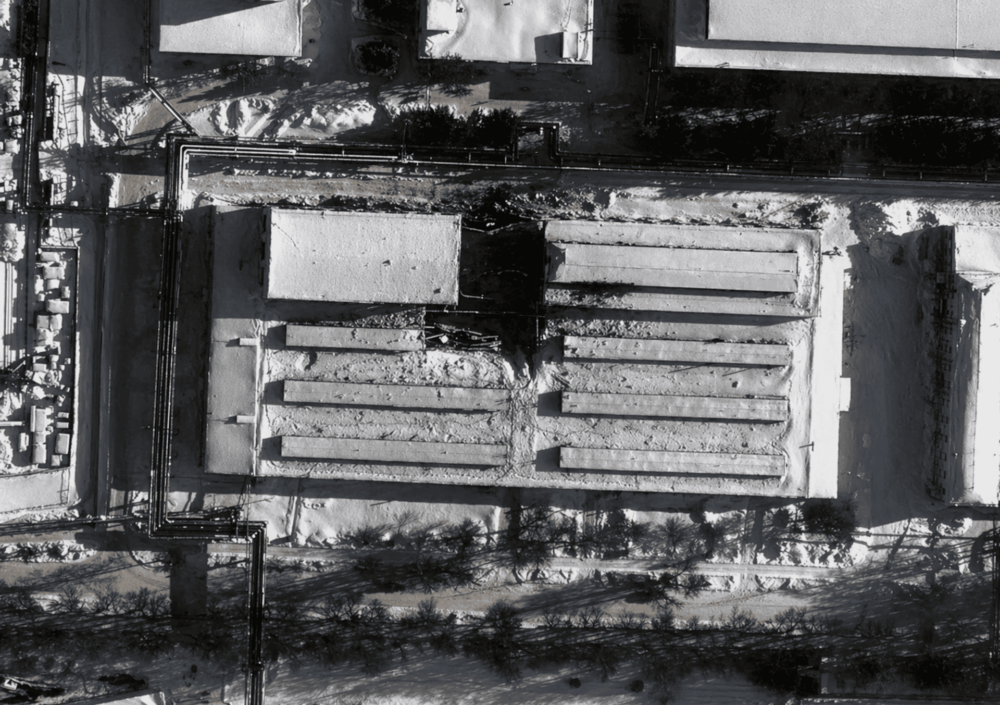
We do not know all the details of the consequences, but it appears to have been a serious blow to the enterprise.
Sixth. Missed strike on the buildings of the Promsyntez plant in the city of Chapayevsk
On March 28, 2026, the Defense Forces launched at least three missiles at the Promsyntez plant in Chapayevsk. This enterprise specializes in the production of explosive components used for equipping munitions.
During this attack, Ukrainian missiles were captured on video published by the Exilenova+ community. Of the three missiles, two reached the target area, but both missed the intended buildings, falling near the workshops. It is likely that the missiles were either intercepted at the last moment or struck a nearby lightning rod tower. The strike on Chapayevsk could have been successful.
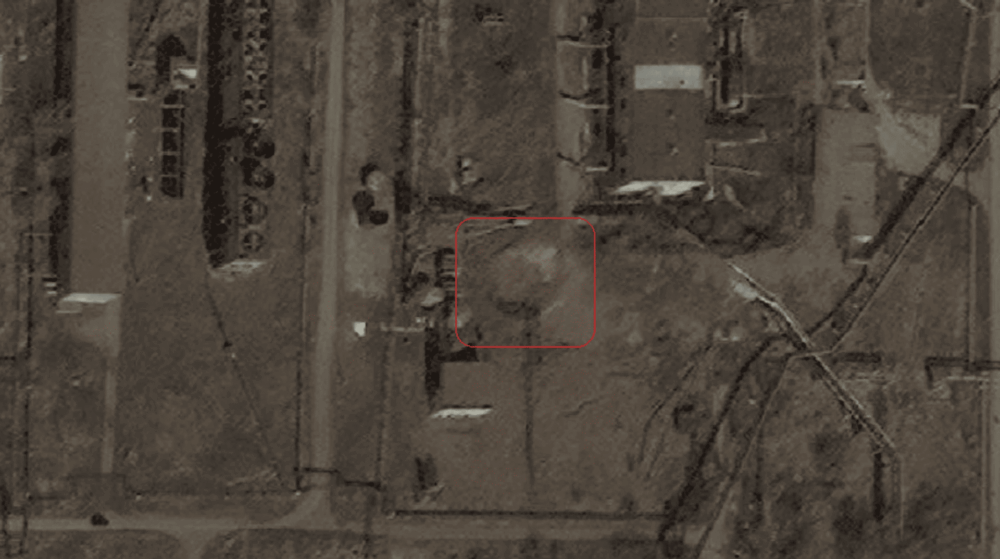
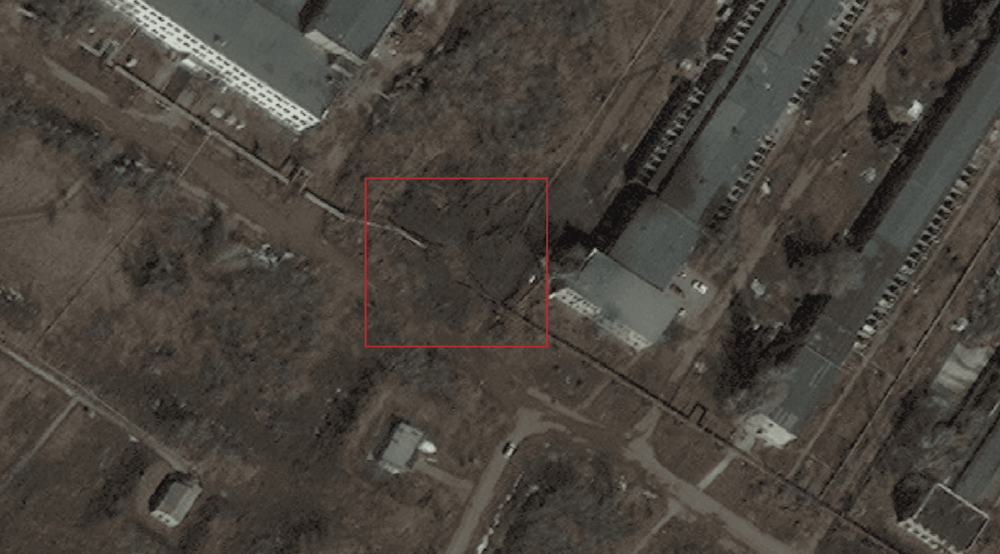
As the available data shows, the FP-5 “Flamingo” still appears to be more of an experimental weapon than a consistent strike tool. The missiles often reach the target area but fail to hit the intended point.
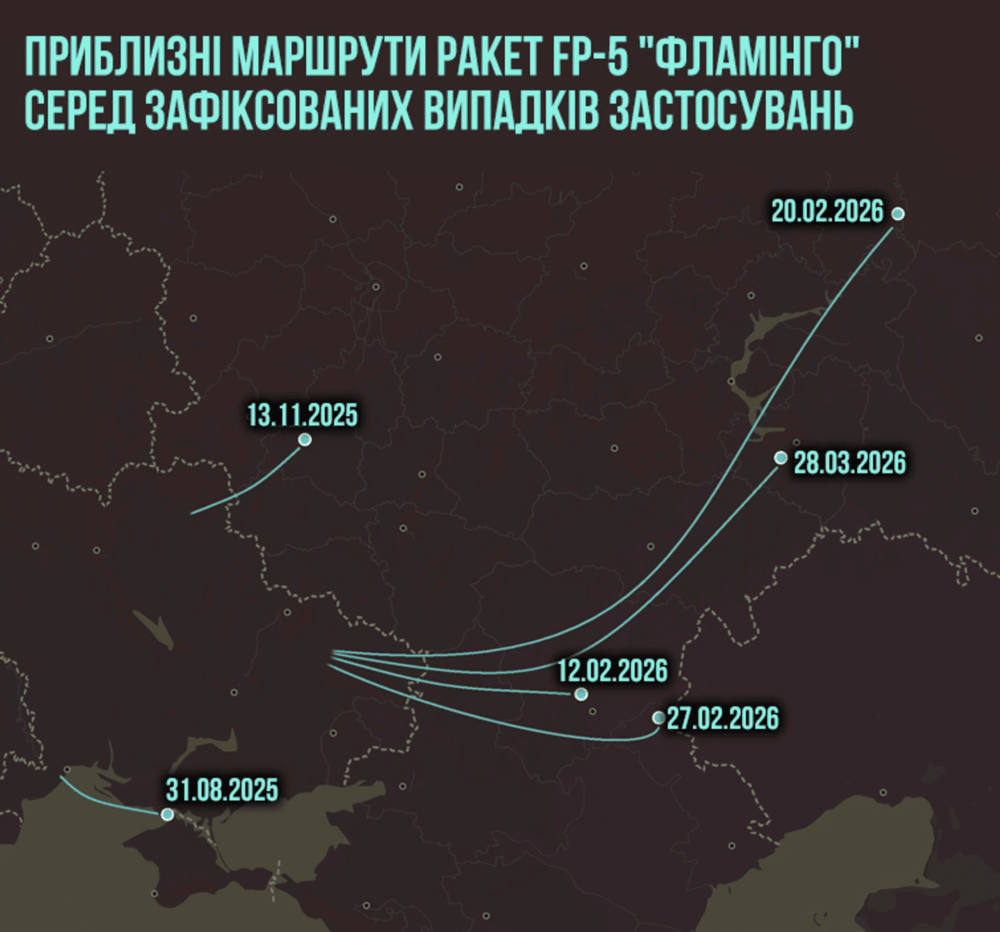
Accuracy issues are acknowledged by the company itself. “The Flamingo’s accuracy problems are largely related to the fact that flights are conducted at very low altitudes,” said chief designer Denys Shtilerman in an interview with Dmytro Gordon.
It is difficult to draw conclusions about the effectiveness of the entire program, as open sources report only 23 confirmed launches, while as early as last autumn Shtilerman stated in an interview with Dzerkalo Tyzhnia that production stood at 2–3 missiles per day.
This means that the results of the vast majority of launches remain unknown to the general public.
Tags: defense intelligence EMPR media FP-5 missiles Military Technology modern warfare Ukraine war analysis Ukraine weapons