
Vytachiv on the Dnipro slopes has become a popular tourist destination with the “Vytach” bakery, Shevchenko’s legacy, a restored chapel, and growing community-based gastronomic tourism.
Just about 10 years ago, the picturesque slopes of the Dnipro River in the village of Vytachiv in the Kyiv region were completely neglected. Today, however, it is a popular tourist destination, where crowds from the capital flock on weekends and holidays to enjoy nature and delicious pastries. UNIAN.Tourism will tell you more about this place.
Spring is a wonderful time for travel, especially to such incredible places as the village of Vytachiv in the Kyiv region.
A place of power that inspired Taras Shevchenko himself
I first visited Vytachiv in 2017 as part of a bus tour to Kaniv – along the way, our guide made several stops at scenic locations, though mostly without any tourist facilities.
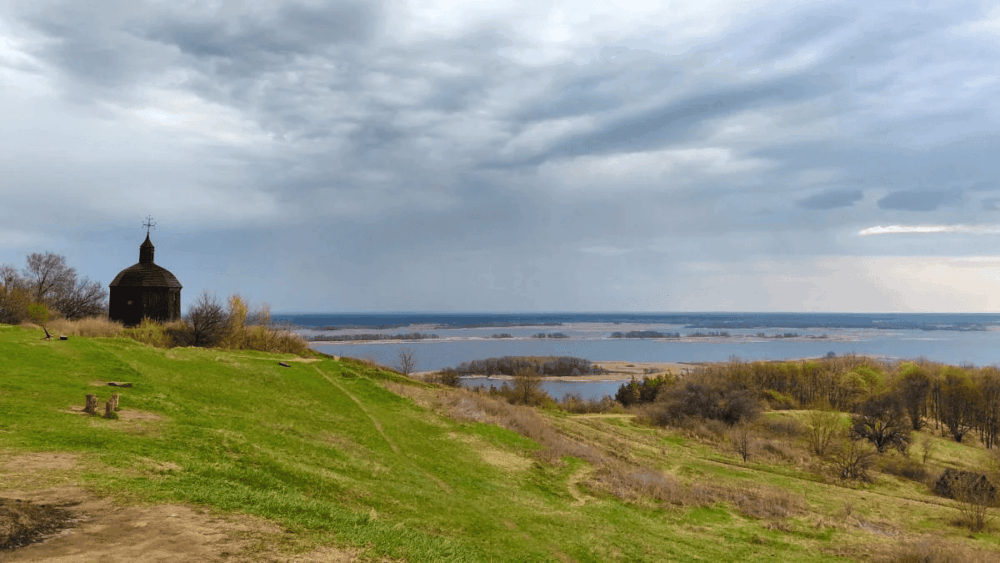
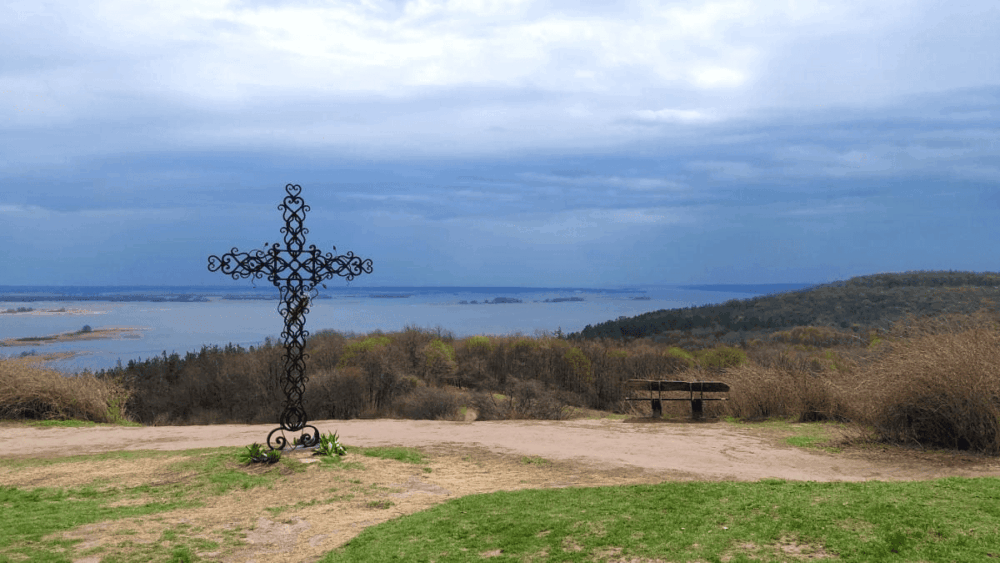
In particular, there was practically no proper road leading to Vytachiv, and noisy groups of people who liked to drink would drive right onto the grass near the chapel, leaving piles of trash behind. And although these picturesque slopes with breathtaking views of the Dnipro delighted the eye, the overall atmosphere was not very inspiring.
And this was truly unfortunate, because in fact this place has a long history. Firstly, the village of Vytachiv is considered one of the oldest settlements of the Polian principality and Kyivan Rus – according to historical data, it was founded around the 4th century AD, while the first written mention of it dates back to 949. Later, a large river port operated here, and Kyiv princes held their gatherings at this site. All of this is confirmed by the results of archaeological excavations conducted here in the 1960s–1970s.
Vytachiv is also associated with the prominent Ukrainian artist Taras Shevchenko – it is said that he loved wandering along these steep slopes in search of inspiration and even wanted to buy land here, though it never came to pass.
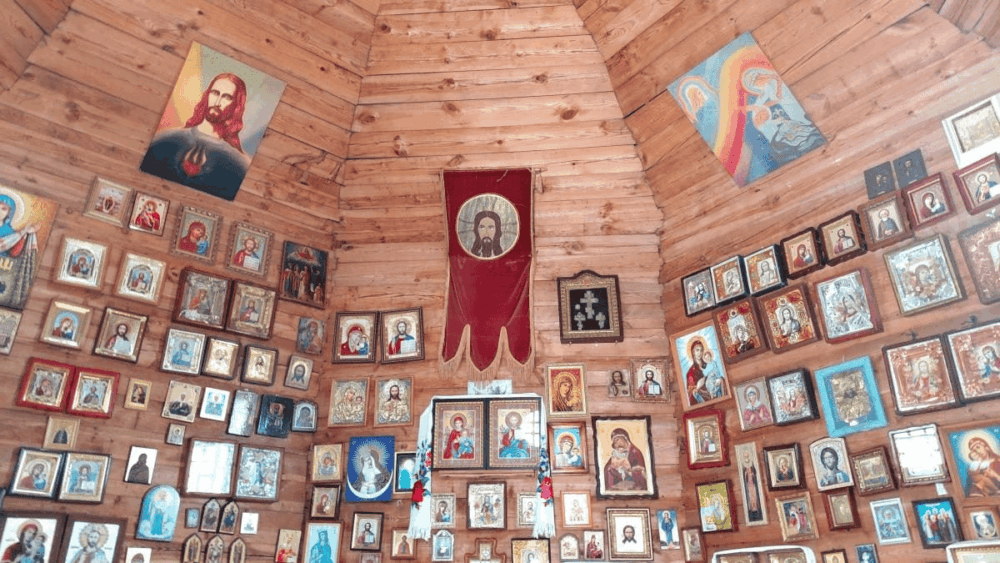
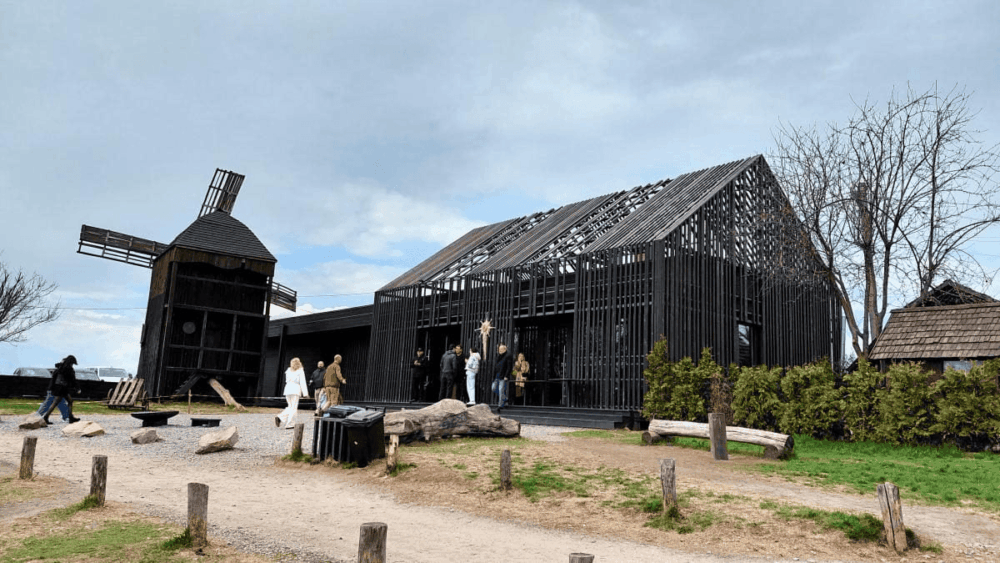
In 1991, several architectural landmarks appeared in Vytachiv that later became its main calling cards — a wooden Cossack chapel, built according to designs by Taras Shevchenko himself, and a wooden windmill. They were meant to mark the beginning of the so-called “Ukrainian Spiritual Republic,” a humanistic concept initiated by Ukrainian writer, philosopher, and dissident Oles Berdnyk.
In fact, Berdnyk built this chapel and other structures around it with his own hands, but his further plans were never realized due to declining health — he suffered his first stroke in 1996, and in 2003 he passed away at the age of 76.
A new life
For the next couple of decades, this place remained neglected. In 2007, a married couple of doctors from Kyiv, Oleksandr and Iryna Sobko, purchased a plot of land with a small house right next to the chapel. At first, they planned to set up a summer house there so their children could be closer to nature. However, in 2014, finally tired of the noise of the big city, they moved there permanently.
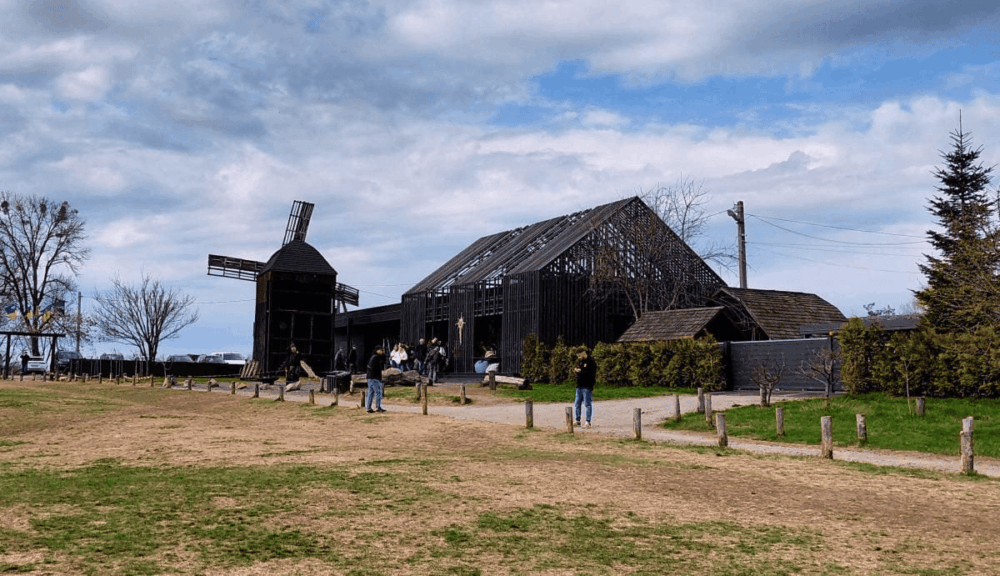
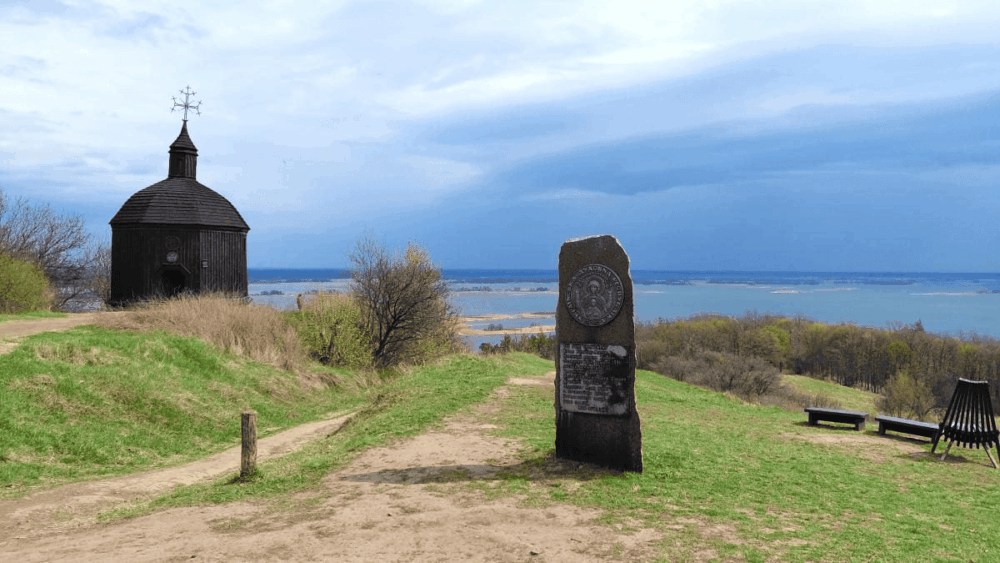
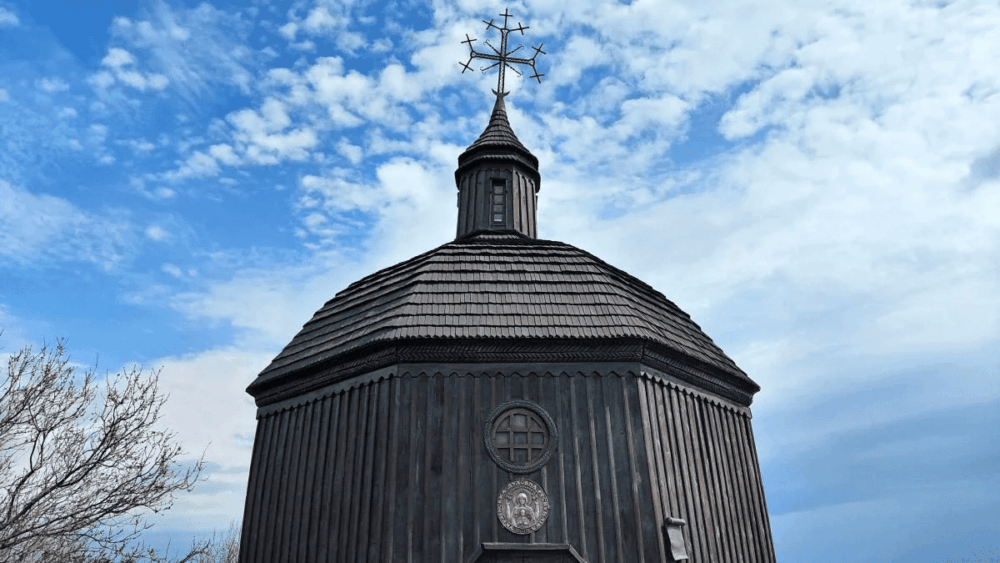
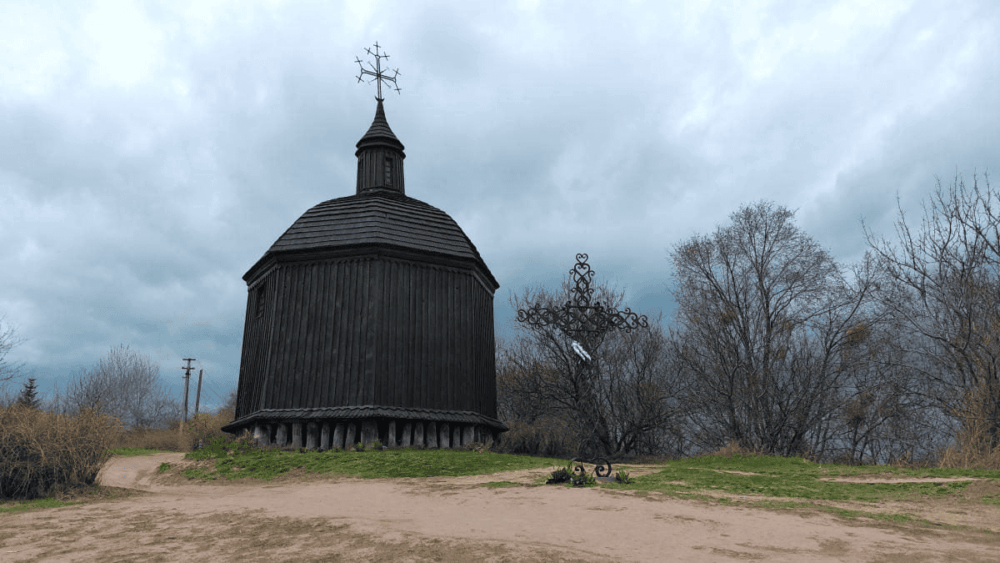
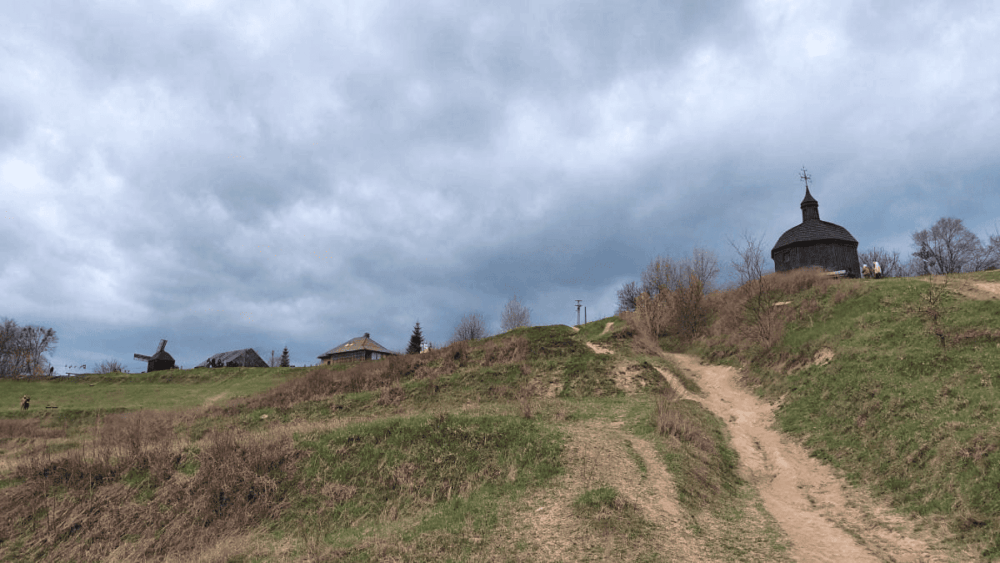
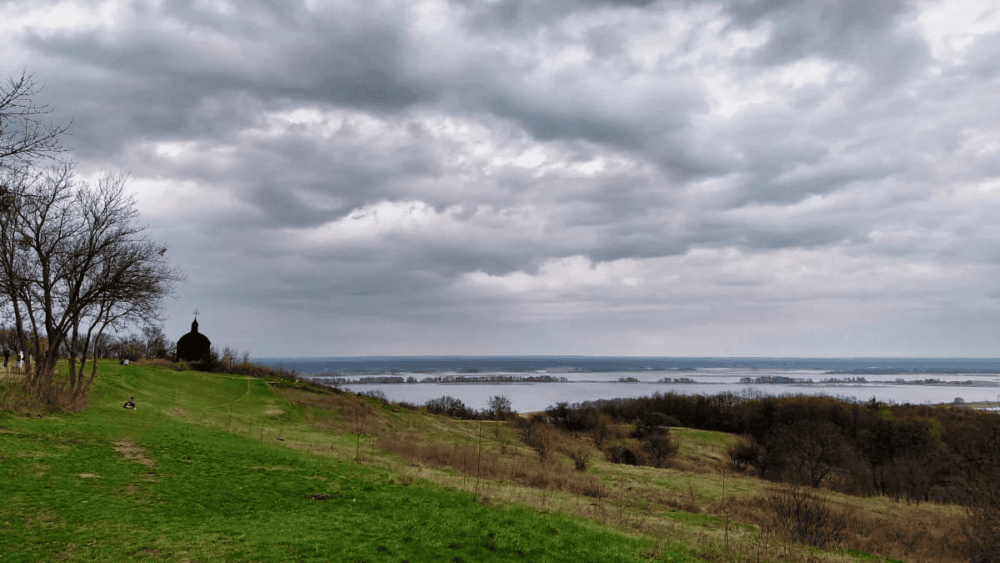
The Sobko family spent several years “re-educating” visitors who would occasionally come to these slopes — with loud music, litter, and alcohol. As they gradually restored the architectural landmarks and infrastructure in Vytachiv with their own effort and funds (Oleksandr personally covered the road with gravel, and later the local community provided asphalt paving), more conscious tourists began to arrive.
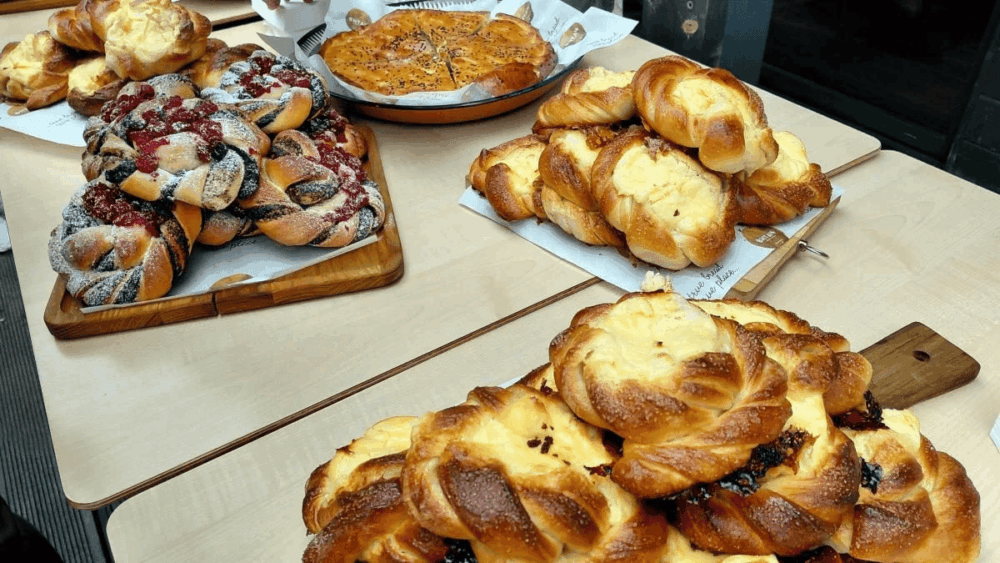
As Oleksandr and Iryna recall, over time people started knocking on their door, thinking there was a café or a shop there — this is how the idea of building the “Vytach” bakery was born. And not just any bakery, but one that would reflect the spirit of the place — bread here is baked using traditional sourdough recipes in a real brick oven. For this, Oleksandr, who had previously had nothing to do with gastronomy, trained as a baker.
“Guys come here to us from the front line, stand here and say, ‘We will not give this up to them’ (to the Russians – ed.). And there are many such places in Ukraine, they need to be discovered. We are a simple example of this. We are just an ordinary family that began to take care of this place — little by little — and realized that people need it, so we built a bakery in our yard. This is our home, we live here. We built a wood-fired bakery because we felt that everything should be authentic,” Oleksandr Sobko said during the presentation of the national program “Journey to Yourself. Paths to Recovery,” which was presented in Vytachiv earlier this week.
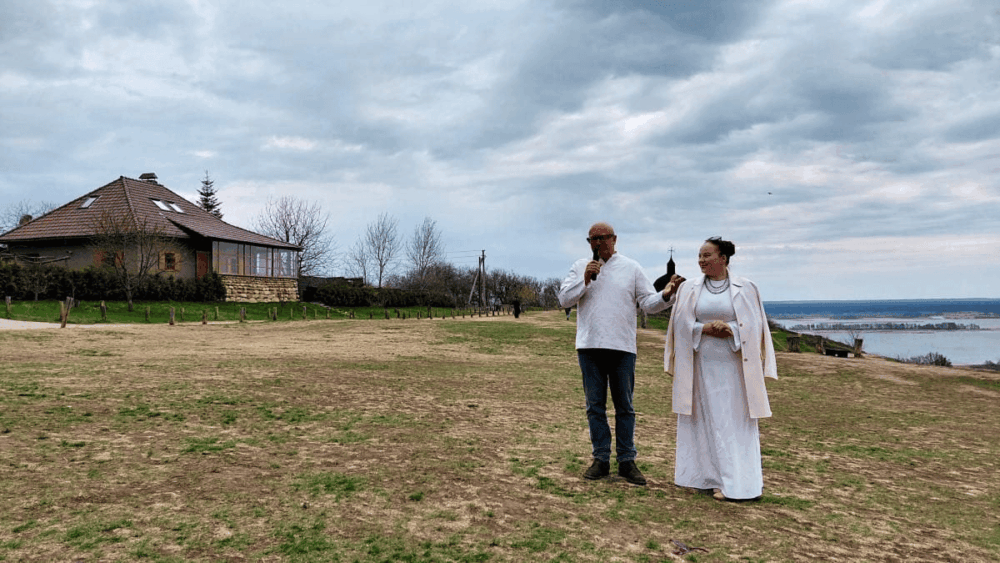
The bakery was originally planned to open by Easter 2022, but Russia’s full-scale war against Ukraine interfered with those plans. The owners decided to open earlier in order to bake bread on a volunteer basis for the needs of the army and anyone who needed it. Later, they recalled that this helped unite the local community even more — and now their business provides jobs for many residents of Vytachiv.
“I strongly believe in the strength of Ukrainians. The first days of the full-scale invasion showed that when we are united, nothing can defeat us. We started baking on February 26, 2022. Easter and Christmas Eve were always the days when, no matter where we were, we would go to my grandmother. She was born in 1927. 1933 — the famine, 1947 — the famine. The Second World War. She always taught me to love bread, to respect the people who grow it, and those who bake it. And she never allowed even a small piece of bread to be thrown away. So when the full-scale war began, her words came back to me very strongly — she used to say: ‘As long as bread is being baked and the oven is burning, Ukraine is alive,’” said Iryna Sobko.
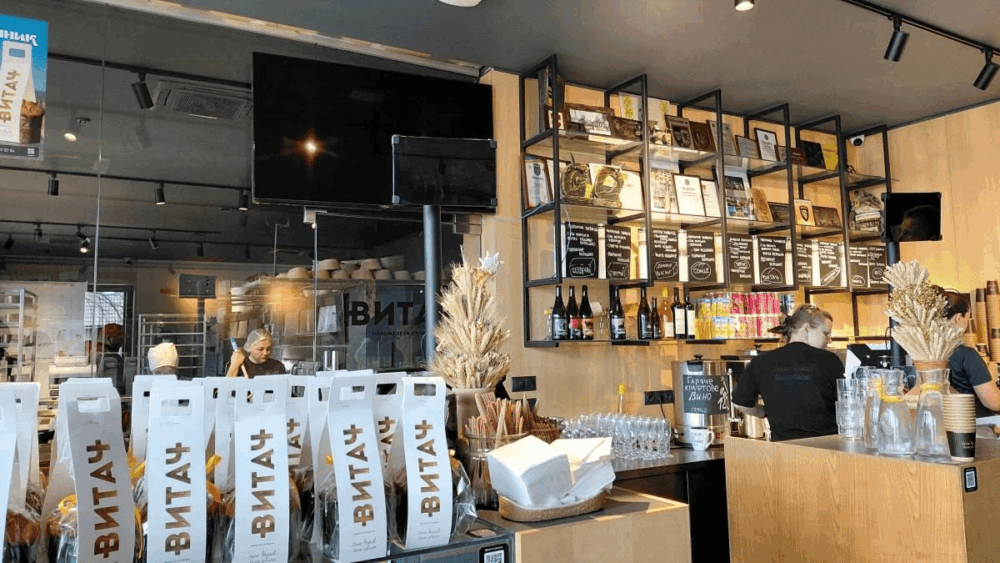
For Easter 2026, the “Vytach” bakery has prepared a special program — they baked festive treats and also organized the blessing of Easter baskets at the nearby chapel (from 12:00 to 13:00).
“On Easter, we bake papushnyky. This is an old tradition. It’s not paska. In fact, in Ukraine paska refers to a round bread with the inscription ‘Christ is Risen’ or simply ‘XB,’ with a cross and dough ornaments. And it is bread — it’s not sweet. It is placed on the table, and a candle is lit. That is paska. The sweet version was never actually called paska. That came later, during Soviet times, when many meanings were altered. This is papushnyk. We bake them using a 200-year-old recipe in a wood-fired oven,” explained the owner of the “Vytach” bakery.
The downside of popularity
Today, on weekends and public holidays throughout the year, huge crowds of tourists flock to this place, and long lines form at the café and restrooms. Therefore, if possible, it is recommended to choose weekdays for a visit (except Mondays and Tuesdays).
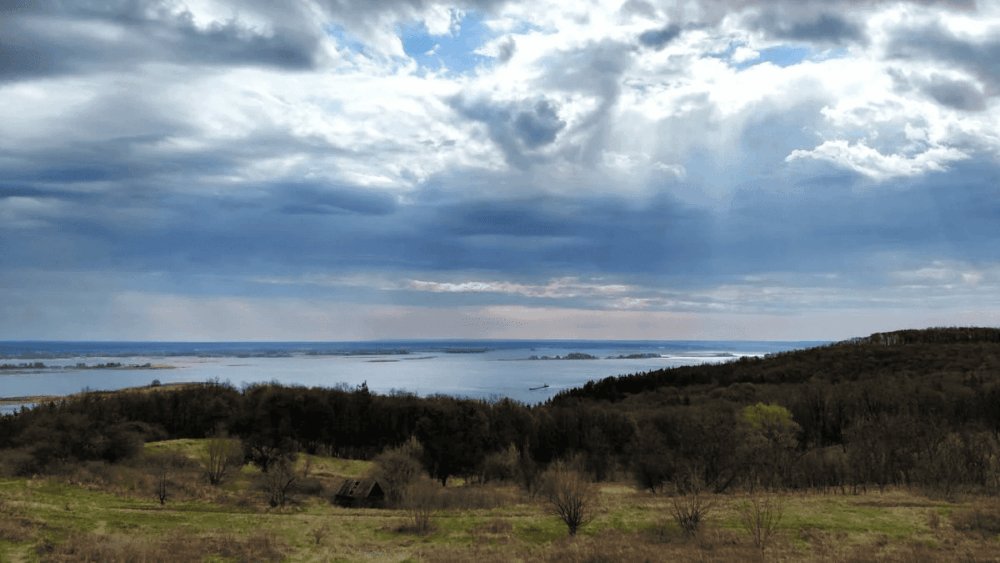
The largest crowds gather here from May to August, when the local slopes are covered in greenery and wildflowers.
At the same time, Iryna and Oleksandr admit that they are not planning to expand for now, simply because there is nowhere to do so. The bakery already occupies all the land they own, while the surrounding area belongs to a nature reserve.
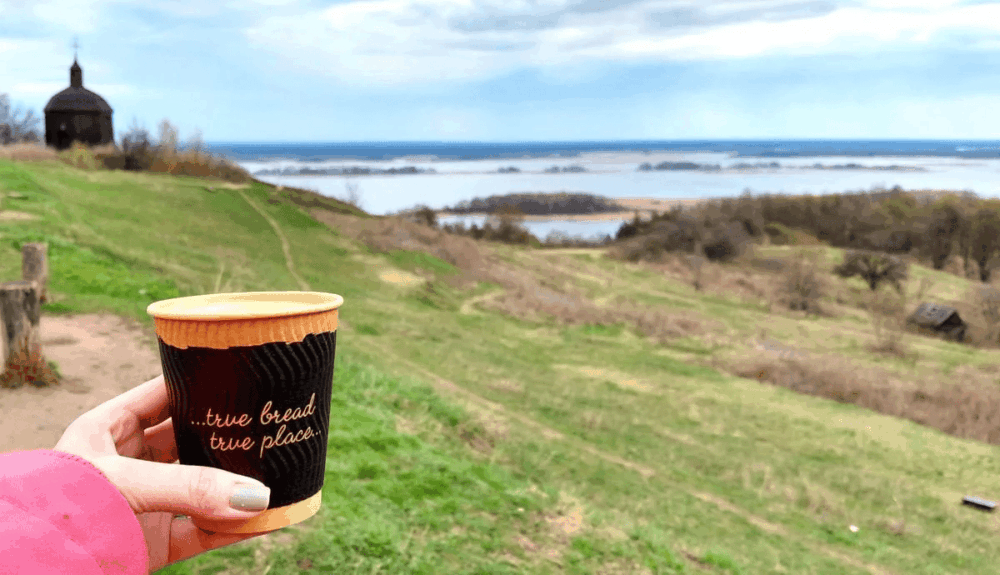
They sell the vast majority of their products directly at the bakery in Vytachiv. Another portion is donated on a volunteer basis to soldiers at the front, some is sold in a specialized shop in Ukrainka, and a smaller amount of bread is supplied to one of Kyiv’s restaurants.
How the bakery operates
The “Vytach” bakery is open to visitors from 8:00 a.m. to 6:00 p.m., Wednesday through Sunday, while Monday and Tuesday are days off.
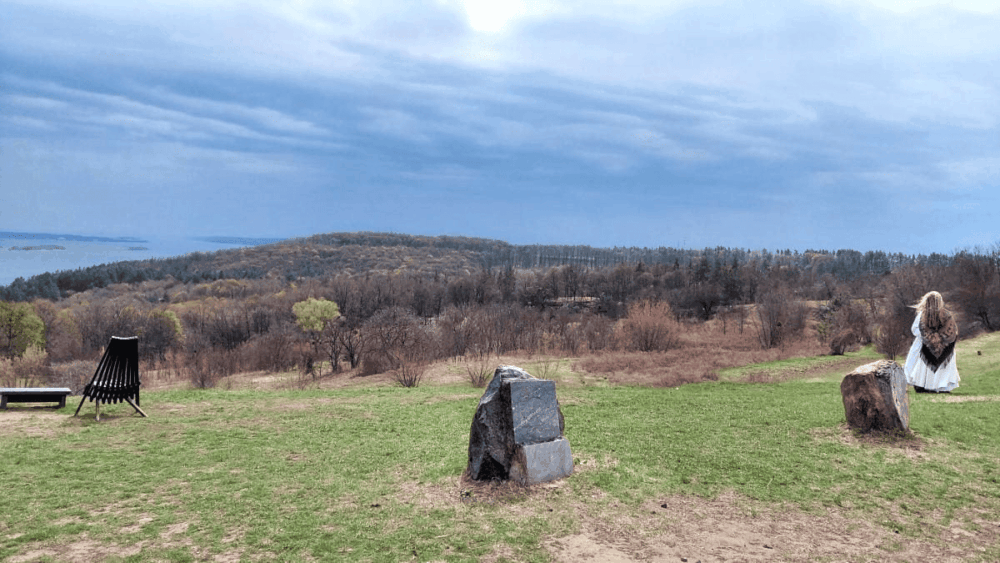
From time to time, various cultural events are held there — traditional celebrations such as Ivan Kupala, for example, as well as bread-baking workshops. Announcements can be followed on the establishment’s official Instagram page.
How to get to Vytachiv from Kyiv
One of the main challenges of many beautiful places in Ukraine is transport accessibility — or rather, the lack of it. Vytachiv is best reached by car. The drive from Kyiv takes about an hour, and not all sections of the route are currently in good condition. Along the way, you can also make stops at other scenic locations, such as Trypillia.
In addition, many excursions to Vytachiv — often combined with other destinations — are offered by numerous tour companies in Kyiv. On average, such tours cost around 1,000 UAH per person, depending on the route.
It is also possible to try reaching Vytachiv by marshrutkas. From the “Vydubychi” metro station, several direct marshrutkas run to Vytachiv each day. Alternatively, you can take a bus to Rzhyshchiv and ask to be dropped off at the “turnoff to Vytachiv.”
Another option is to take a bus from Kyiv to Obukhiv (for example, from the Central Bus Station) and then transfer to a marshrutka to Vytachiv.
However, it is worth being prepared for the fact that suburban public transport in Ukraine, unfortunately, does not always run according to schedule, and there is a significant risk that one of the necessary marshrutkas may not show up, meaning you may have to hitch a ride or call a taxi.
Ukraine still has many beautiful places with enormous tourism potential that are waiting for their time to finally receive the necessary boost for development. And it is wonderful when there are local businesses and communities willing to help develop them.
Tags: cultural heritage Dnipro river Easter traditions EMPR.media hidden gems Ukraine kyiv region spiritual tourism Ukraine travel