
By the end of March 2026, something many still refuse to see is becoming undeniable. The war is entering a phase where the decisive factor is no longer just kilometers of frontline or the number of daily assaults.
What matters now is the ability to strike the system that feeds Russia’s war. And that is exactly what Ukraine is doing.
Russia is trying to impose a narrative that it retains the initiative, presses along the entire front line, exhausts Ukraine, and patiently waits for a “favorable peace.” But this is false. The Kremlin’s real logic is different. Moscow does not want peace. It wants to grind down the front, wait for Western political fatigue, exploit any external crisis for profit, and only then sell itself to the world as an “inevitable interlocutor.”
That is precisely why tensions around Iran became a gift for Putin. As U.S. attention and parts of the West shift toward the Middle East, oil prices rise, giving the Kremlin a renewed opportunity to flood its war machine with money. This is why Ukrainian strikes on Primorsk, Ust-Luga, and other oil infrastructure targets matter far more than just another successful hit.
This is not about isolated raids. It is about a fundamental shift in the logic of war. Previously, the focus was on oil refining facilities. Now, a different pattern is clearly emerging: Ukraine is striking the export chain itself—transshipment hubs, storage tanks, ports—the entire system through which Russian oil turns into cash for war. This is no longer just tactics. It is an attempt to sever the main artery of Russia’s budget.
That is why even Western sources have been forced to report disruptions in significant portions of Russia’s export capacity. Not because they suddenly became pro-Ukrainian, but because the scale of the impact can no longer be hidden behind routine Russian claims of “minor damage.”
At the same time, Russia is intensifying pressure on the front, increasing assaults, and terrorizing Ukrainian cities with mass drone and missile strikes. It continues to target energy infrastructure, civilian facilities, housing, and cultural heritage. In other words, the Kremlin is doing what it has always done: when it cannot break Ukraine quickly, it wages war against civilian life—against the rear, against the psychological resilience of society.
This is not a sign of strength. It is a sign that conventional battlefield advantages are failing to deliver the strategic results Moscow seeks. Terror becomes the substitute.
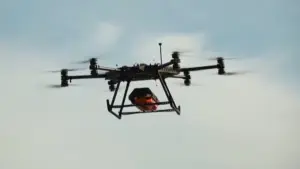
Meanwhile, another critical process is unfolding—one that many underestimate. Ukraine is steadily reducing its dependence on external technological risks, particularly in the drone sector. The emergence of so-called “non-Chinese” drones is not a minor technical detail or a talking point for Western media. It is a sign of strategic maturity.
Kyiv is confronting a simple reality: whoever controls the components controls the tempo of your war. If a critical industry depends on foreign supply chains—especially from a country pursuing its own multi-vector strategy with Moscow—that is not partnership; it is delayed vulnerability. Moving toward domestic production, Western supply chains, and technological decoupling from Chinese components is not just economic policy. It defines who will be Ukraine’s real strategic rear tomorrow.
So the picture at the end of March looks like this: Russia has not become stronger. It is simply trying to extract maximum value from every external crisis, every barrel of oil, every day of Western hesitation. Moscow seeks to pressure the front, profit from Middle Eastern instability, blackmail Europe with energy, and convince Washington that Ukraine must concede territory for “peace.”
This is not diplomacy. It is a familiar Kremlin playbook: create a crisis, monetize it, and then present blackmail as negotiation.
Ukraine, in response, is beginning to act correctly. Holding the front. Striking Russia’s oil and export infrastructure. Accelerating domestic defense production. Reducing critical dependence on unreliable external suppliers. This is what a real war of attrition strategy looks like—not waiting for help, but ensuring that every day of war becomes more expensive for the enemy.
Most importantly, what we are witnessing now is no longer just defense. It is the gradual dismantling of the economic foundation of Russia’s war.
The target is no longer just the trench, but the cash flow. Not just the assault unit, but the port, the storage tank, the logistics chain, the production base—the entire system of war financing. As long as the Kremlin has a stable flow of petrodollars, it will continue to buy time, manpower, missiles, and new waves of terror.
Conversely, the deeper this financial base is disrupted, the closer the moment when Russia begins to lose not just its propaganda narrative, but its real capacity to sustain this war.
In short, the end of March has revealed the key shift: Ukraine is no longer striking symptoms—it is targeting the source of the disease. And that is the right path forward. Because Moscow understands only the language of losses—especially when not just oil depots burn, but its future war revenues as well.
Tags: defense strategy drones energy war Geopolitics kremlin military analysis Oil Infrastructure Russia economy ukraine war