Interview with Dmytro Krasylnykov on BMT transformation: new combat challenges, training adaptation, instructor role, brigade feedback, unified standards, and assessing overall training system effectiveness.
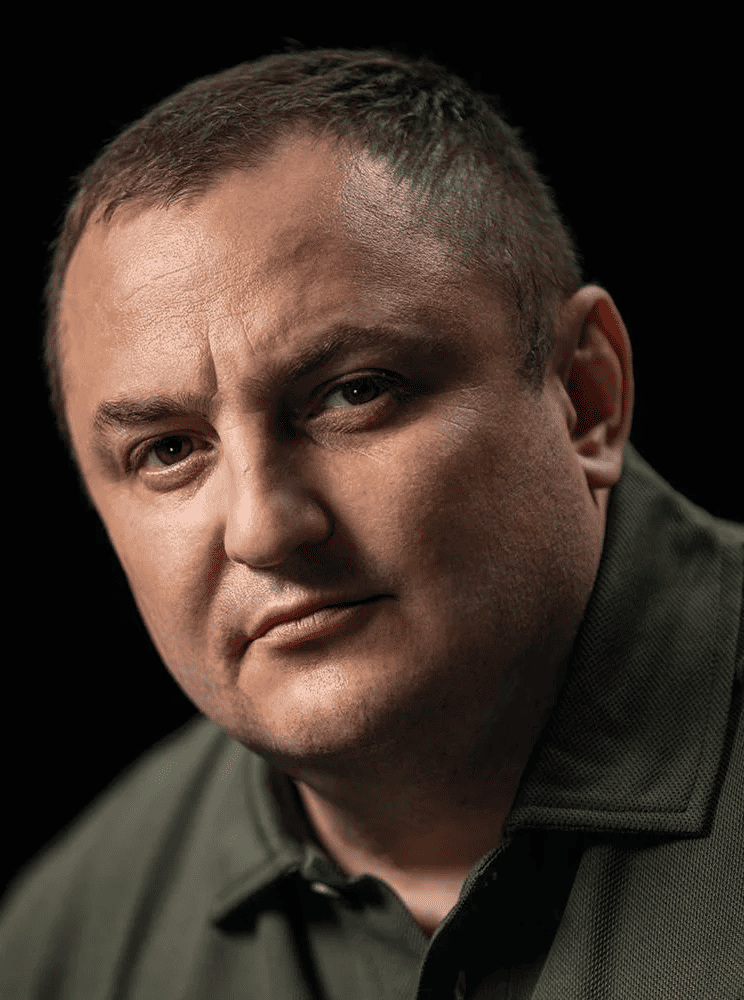
The Ground Forces of the Armed Forces of Ukraine train recruits both for themselves and for other branches of the military. Thousands of service members pass through their training centers every month, and it is crucial that these people are as well-prepared as possible for the conditions of modern warfare. How the training process is conducted, what challenges exist, and what solutions the Ground Forces see were addressed by Major General Dmytro Krasylnykov, Commander for Training of the Land Forces Command of the Armed Forces of Ukraine. This was reported by NV.ua.
From 1999 to 2012, Dmytro Krasylnykov served in the 95th Air Assault Brigade, commanding tactical-level units from platoon to battalion level. In 2014, he formed and trained the 34th Territorial Defense Battalion of the Kirovohrad region, which he commanded, in particular, during the liberation of settlements in Donetsk region such as Toretsk, Novhorodske, Verkhnotoretske, Maiorsk, and Zaitseve. From 2015 to 2017, he commanded the 57th Separate Motorized Infantry Brigade, which was formed on the basis of the 34th battalion, mainly composed of volunteers.
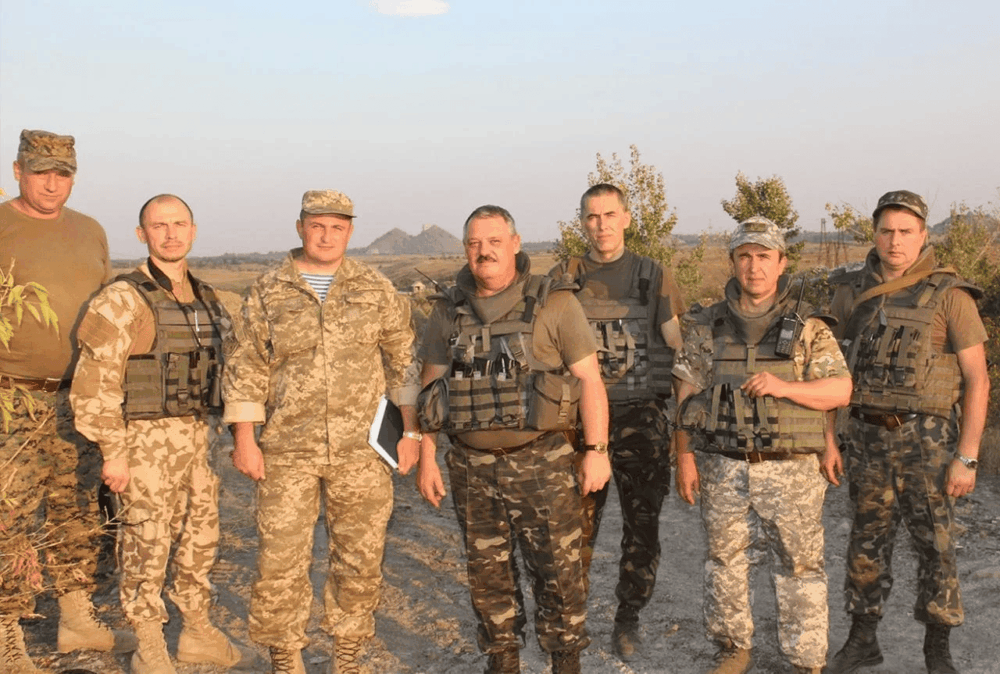
With the beginning of the full-scale aggression, he commanded groupings in various sectors, including Donetsk, Luhansk, and Kharkiv regions. He is a combat veteran, Hero of Ukraine, and a Knight of the Order of Bohdan Khmelnytsky.
— Dmytro Serhiyovych, war is constantly changing, and so is the training system in the Land Forces. Previously, for example three years ago, the goal of this training was to provide the most basic knowledge (to teach how to use weapons and work as a team). Now this is not enough; war demands more comprehensive skills. So what is currently the main task of the training system in the Land Forces? What should a training center provide to every recruit?
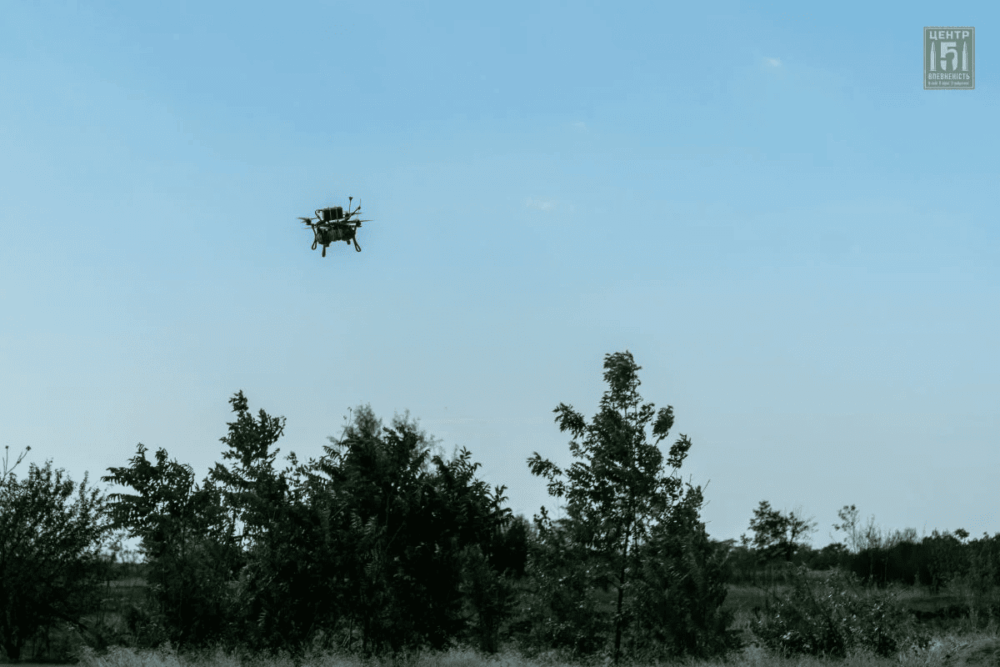
— Now, under conditions of the enemy’s use of FPV drones, drop munitions, artillery, and toxic substances, the key issue is the survival of personnel, while at the same time destroying the enemy, who continues to conduct mechanized and infantry assaults, operates in large, medium forces, and even through infiltration by small groups. Therefore, the main task of training is, first of all, to teach service members how to survive while carrying out combat missions, and secondly, how to engage and destroy the enemy. That is, primarily it is combat medicine, fortifying positions so they can actually provide protection, and skills for movement in today’s complex conditions.
It is also important to prepare people for different scenarios — both good and bad. The more a person knows, the more confident they feel. When a service member sees that everything is explained to them honestly and openly, with nothing hidden, they understand that they are valued and that they matter. It should be exactly like that. There must be trust between the instructor and the recruit, and it can only be earned through honesty and transparency.
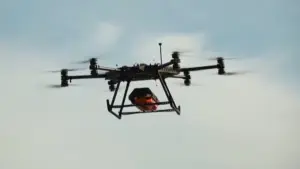
At the beginning of Russia’s full-scale invasion, the main means of destruction was artillery. Starting in 2023, and especially in 2024, FPV drones and drop drones became the primary means of strike. The enemy is also now increasing the use of Shahed drones against the front line and our immediate rear areas. Previously, the enemy did not operate this way; Russian forces used Iranian-made drones deep in the territory, targeting critical infrastructure and civilian facilities. Now they are employing these systems at the front line as well. Since 2024, another serious challenge has been the use of KABs — guided aerial bombs — which destroy key positions in the combat zone and in the shallow rear, thereby paving the way for their infantry. That is why the training center must prepare recruits for these complex conditions.
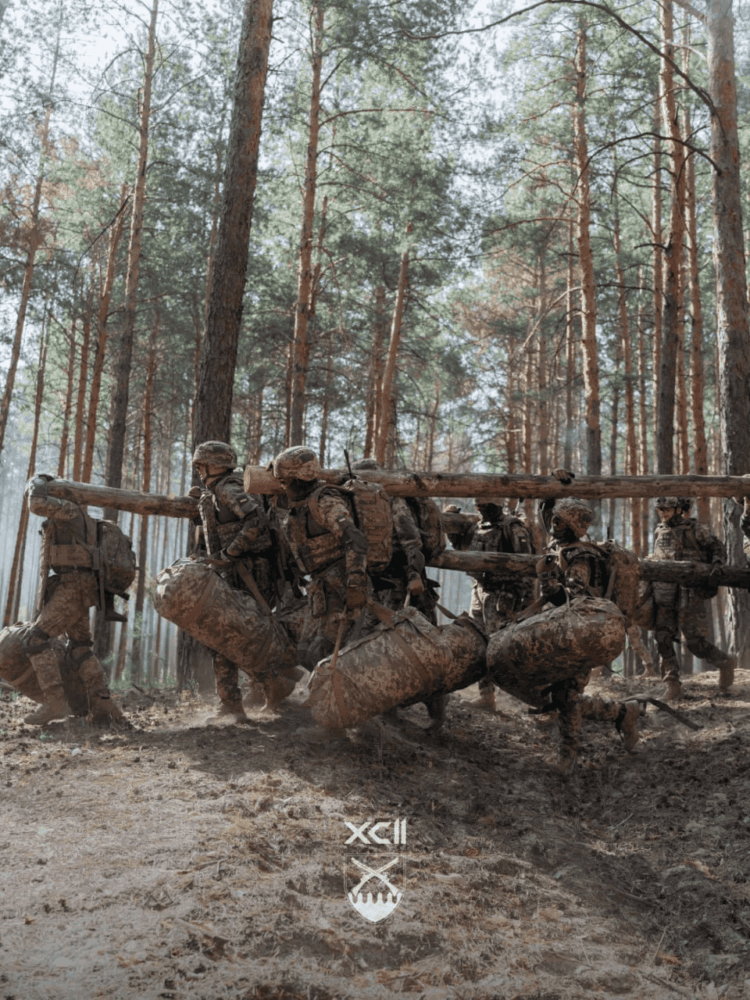
If, hypothetically, three years ago the key skills were movement and the use of small arms, now everything has fundamentally changed. Previously, troops moved as part of units, platoons, and companies, often using equipment and responding rapidly. Today, for example, the movement of a service member or a squad from one point to another over a distance of 1 kilometer can take a day, two, three, or even a week.
Accordingly, the skills we must teach during basic training have changed fundamentally over these four years.
— Let us not break down the transformations over all these four years, but focus only on the last year. What key changes have taken place in the training of the Land Forces during this period?
— The main thing is that the training centers of the Land Forces have acquired the capabilities we expected from them. Yes, there are still certain issues regarding social and living conditions, as well as the training of instructors and teaching staff, but overall organizational issues and methodological support have been resolved, and we have ensured high-quality training of personnel. We have good programs that teach from simple to complex, taking into account all the new tactics and methods of conducting combat operations used both by us and by the enemy.
We have also started training directly within brigades. There, instructor groups have been formed from the best servicemen — those who are most experienced and have received state awards. They possess the most up-to-date knowledge regarding current combat conditions.
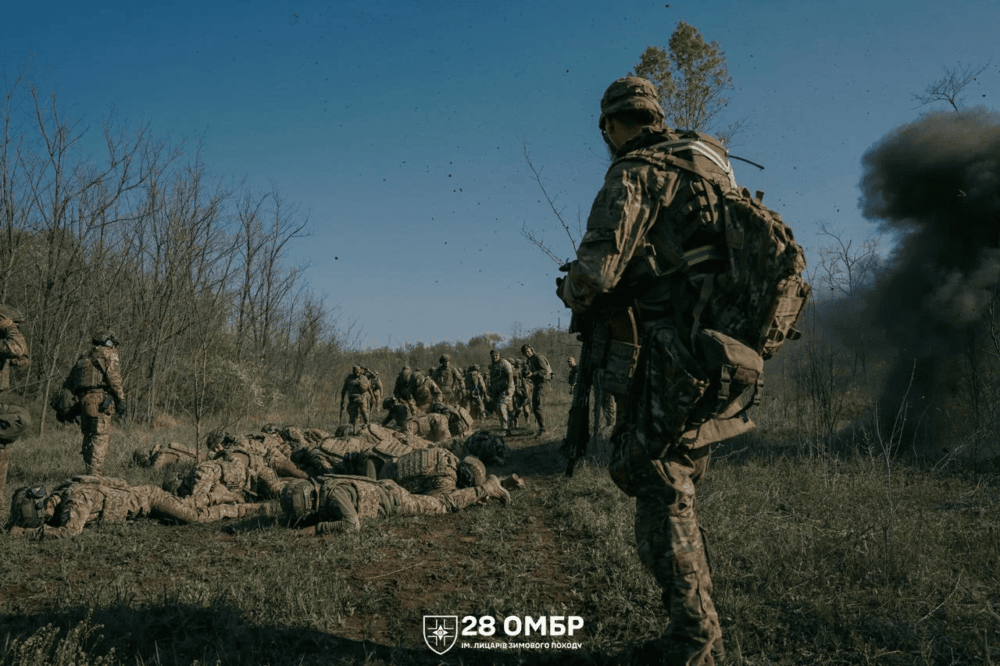
But we are mixing everything — we combine the experience we have in the brigades with the methodologies that have been developed over years in the training centers. When we do this, we get the best result. In this way, we bring modern combat experience into the training centers and minimize paperwork, while from the training centers to the brigades we bring organization, programs, and methodologies. This significantly improves the quality of training.
Instructors need to be trained, because, as the saying goes, not always the best football player becomes a good coach, and likewise, not always the best serviceman becomes the best instructor. And this is exactly what we are working on now. We are doing it both through instructor courses and through instructor-methodological sessions, and we are also carrying out exchanges of instructors between training centers and brigades. In this way, we constantly ensure an exchange of experience — both combat and methodological.
— What problems in training do you currently consider the most critical? How are you addressing them?
— First of all, we would like to resolve the issue of staffing our training units with qualified instructors. We need to motivate service members to work in the rear, so that they can promptly pass on their experience and conduct training in the best possible way. At present, we have a personnel shortage among instructors. Staffing levels are around 75%. Of those, some are recovering from injuries, some are on leave, some are ill — so the effective staffing level is even lower.
In addition, instructors need to be trained and their qualifications improved, but we are not always able to do this in a timely manner. Mobilization is ongoing in the country, and new service members are arriving at training centers for basic combined arms training. Therefore, we cannot pull all instructors out of the training process; this is done gradually.
So the biggest problem right now is staffing with qualified instructional and teaching personnel.
— Since you’ve already mentioned instructors, let’s focus on this aspect in more detail. An instructor is a key figure in Basic Military Training. Accordingly, they must be a high-class specialist. How do you ensure the quality of the instructor corps? Please describe the entire process: how instructors are selected and how they are trained.
— Instructors come to training centers from combat units. It is important to emphasize that to hold this position, combat experience is mandatory. Yes, in the past instructors would acquire this qualification after completing the necessary training, but ultimately all of them gained required combat experience. This is precisely why rotations to the combat zone are carried out on a regular basis. That is, an instructor from a training center is sent to a combat unit and gains the most up-to-date experience of conducting combat operations.
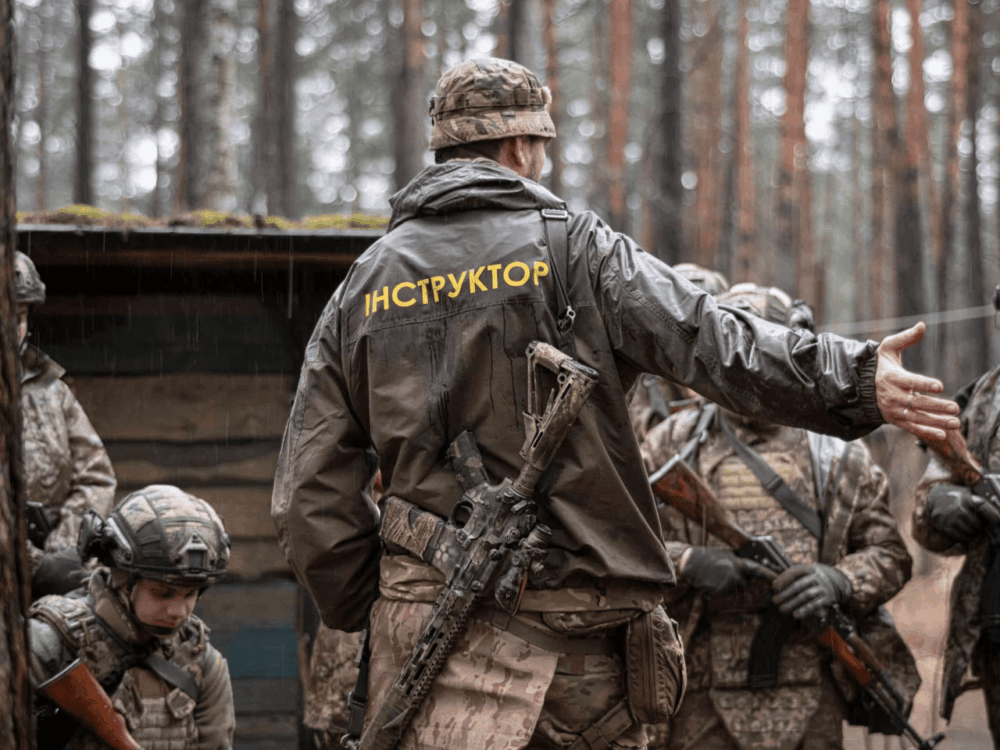
Instructors also undergo professional development courses, continuously study, and pass certifications — this is how we assess their level and determine whether a person needs additional training or an update of their knowledge. As I mentioned earlier, this is a continuous process, which is currently somewhat slowed down due to insufficient staffing of training centers with instructor and teaching personnel.
The Land Forces, together with the Ministry of Defense and Lobby X, are also implementing the “On Experience” project. We are looking for new instructors among service members, as well as veterans, who will strengthen the instructional component in our training centers.
— After an instructor has been trained, they begin working. How is their performance assessed? Are there tests, exams, or hidden inspections?
— Instructor performance is monitored continuously. From the outside, it is clearly visible who needs additional training and who may even need to be replaced. As I have already mentioned, we also regularly conduct certification of our specialists.
— To work effectively, an instructor must not only be trained but also motivated. How do you motivate the instructional staff?
— This issue is being addressed at the state level. Work is being done to resolve social and living conditions. This includes, for example, equipping workplaces for instructors where they can both live safely and prepare for classes, do laundry, rest, and simply stay in normal conditions. So the number one issue is safety. It has always been a priority, and now we are, so to speak, in another stage of addressing it. An instructor must not only be safe, but also as comfortable as possible.
— Regardless of what we say, money will always remain the main motivation. Commander of the Land Forces Hennadii Shapovalov said in his latest interview that instructors should receive the same pay as the servicemen they train for combat brigades — that is, 50,000 and more. But right now this is technically not possible. Are any legislative changes being prepared? How will an instructor in the rear be able to earn as much as a person in a combat position?
— This issue is, once again, being addressed at the state level. A model is being developed to motivate servicemen through increased monetary compensation for the instructional staff. At the same time, however, the requirements for instructors will also become higher.
We are preparing a large-scale certification of personnel with the involvement of independent groups from training centers, the Center for Sergeant Training, and the National Defence University of Ukraine. This will allow us to recertify personnel, clearly determine who is ready to continue performing duties as an instructor and receive fair compensation for it, who needs to improve their knowledge through certain courses, and who needs to change their field of activity.
This is not a quick process. I believe we will see some results — real, substantial ones that can be demonstrated — by the end of this year.
— Recently, the Military Ombudsman Olha Reshetylova gave a long interview to one of the Ukrainian media outlets, where she raised several issues concerning the training system. I would like to go through some of them. The Ombudsman mentioned a shortage of doctors in training centers. What is the scale of this problem specifically in the Land Forces training centers, and what are the solutions?
— I would like to clarify this issue as much as possible. When forming units of the Defense Forces from mobilized citizens, personnel are first selected for units of the Special Operations Forces, the Air Assault Forces, and the Naval Forces. The youngest and healthiest individuals go there. Accordingly, in the training centers of the Land Forces, we receive servicemen as a second priority. As a result, the proportion of people requiring medical assistance and support increases.
At the beginning of this year, we already started addressing this issue by creating additional medical units and integrating them into the structure of training battalions. Previously, in our training battalions there were only a few positions, which did not solve all medical support needs, and even when they did, there were significant delays. That is why we are currently working on this and staffing these units. But still, there is a shortage of medical personnel.
— Olha Reshetilova also mentioned cases of mass illness. Servicemen arrive at Basic Combined Arms Training already sick and sometimes require hospitalization. And here the Ombudsman moves to another problem: often, AWOL cases happen precisely from hospitals. How can this deadlock situation be resolved?
— If we analyze the causes of AWOL cases, the majority indeed occur during treatment in medical facilities or visits to them. That is why we want to expand our medical units to such an extent that we can treat most illnesses on site. Work in this direction is ongoing. But again, the process is slowed down due to a shortage of medical personnel in training centers.
— The Ombudsman also told journalists that she periodically receives complaints about a shortage of equipment and training ammunition in training centers. Could you comment on this: how large is the problem, and are there solutions?
— The main types of ammunition are sent to the front. First of all, they are used to meet frontline needs. Therefore, we do have certain problems. There is a shortage of ammunition for rifles used in anti-drone training. There are also some issues with simulation equipment. So unfortunately, we do not receive everything in sufficient quantities. However, these issues are being addressed fairly well through additional funding, for example, subsidies from local communities.
— A three-day adaptation course for newly mobilized servicemen has been introduced in Land Forces training centers. It includes psychological stabilization of recruits, an explanation of the army structure and soldiers’ rights, preparation for understanding and accepting combat risks, as well as reading and discussing Ukrainian history. Has this adaptation had any effect?
— At present, this issue — namely the entry into Basic Combined Arms Training — remains under constant supervision of psychological support personnel and the command staff. We have determined that it is optimal to involve the most experienced and most authoritative instructors (and every training center has them) during this adaptation period of a few days. At the beginning, these instructors act as mentors and senior comrades who demonstrate and explain all aspects of basic training, the main rules of conduct at the deployment site, how to act in the event of an air raid alert, where to request equipment that a person has lost, not received, or damaged. These are small everyday issues that may seem insignificant, but they have a very strong impact both on the moral and psychological state and on basic comfort.
This plays an important role. It gradually introduces the serviceman to the routine and daily schedule, familiarizes them with the organization of processes — what is allowed and what is not, where one can go, how life-support management is organized, cleaning procedures, and so on. Therefore, these three, four, or five days — depending on the case — are used to ensure a smooth transition into Basic Combined Arms Training.
— Across all the Defense Forces, it is the Land Forces that have the largest number of training centers, through which the greatest number of recruits pass. And these people must be trained to the same high standard. How do you ensure unified training standards across different training centers? And, most importantly, how do you monitor compliance with these standards?
— There is a single standard — the Basic Combined Arms Training program. It is a unified standard for everyone and it is implemented. Issues may arise, but we address them during instructor-methodological sessions conducted at the level of training centers with their subordinate units, heads of training centers, heads of training departments, as well as across the Armed Forces of Ukraine at the General Staff level, across the Land Forces at the level of the Training Command and Operational Commands. Therefore, anything that needs refinement or improvement is being worked on.
— The assessment of training quality in training centers directly affects the introduction of changes in the system. You must clearly know about all problems in order to solve them effectively. How do you learn about them? In theory, on paper, people can report that everything is fine. How do you find out the real situation? Unannounced inspections? Or perhaps, like in business, do you send “mystery shoppers” to the centers? How do you control this?
— First of all, when I or my officers, or officers from the operational commands, army corps, or other structures go out on inspections, no prior announcement is made for security reasons. These inspections are unannounced. In this way, we have eliminated any staged performance and see everything as it is.
Regarding so-called “mystery shoppers,” this method of inspection is indeed used. Not very often, because there is a certain level of trust between service members, between training centers, between commanders and leadership. Therefore, we do not overuse it. However, we do use it occasionally when there is a need to urgently check a specific aspect.
In addition, the level of Basic Combined Arms Training and the level of instructor preparation are immediately visible. It is difficult to conceal or present in a way that makes it look better than it actually is.
— People who undergo training in Land Forces training centers are then sent to brigades, regiments, and separate battalions. In other words, these units will assess the quality of training, since they will be working with these people. They likely have their own recommendations regarding changes in training. Do you communicate with them on this issue? How does this process work in general? Can they influence large-scale changes, for example, updates to the Basic Combined Arms Training program based on their requests?
— Of course, there is feedback. We receive it from brigade commanders. Sometimes some brigade commanders even misused this, complaining that the training was of poor quality, that they were taught the wrong things, and so on. But in order to fully understand this issue, it is necessary to clearly define what a brigade commander expects from a serviceman and what a training center actually provides. A training center provides general, universal training that is required for all components of the Defense Forces.
To prepare servicemen for the specifics of a particular unit, a so-called adaptation course was introduced, lasting up to two weeks and conducted directly within the brigade. During this course, the brigade commander, the head of the brigade training department, or brigade instructors familiarize servicemen with the specifics of their future duties. They explain the characteristics of the brigade’s combat operations, and even the specifics of enemy actions in that sector of the front, because the enemy acts differently in each area of the frontline.
However, feedback is always provided, and we analyze all remarks. Training centers, the Training Command, the Main Directorate for Doctrine and Training, the General Staff—all levels are involved in this process. Last year, for example, several dozen changes were made to the training program based specifically on the feedback received.
— How quickly are training programs updated in general? Do you have a development plan, or does it happen depending on changes at the front?
It used to be said that a combat manual is revised when more than 40% of its content has been updated. It roughly works this way. That is, minor changes are introduced continuously, and when they accumulate, a full-scale update of the Basic Combined Arms Training program takes place. In our case, this results in a complete revision of the BCT program approximately once a year.
We can introduce changes both at the level of the Land Forces Command, and at the level of army corps, operational commands, brigades, training centers, and even individual training units. The most important thing is that the overall concept is preserved, while changes are implemented continuously.
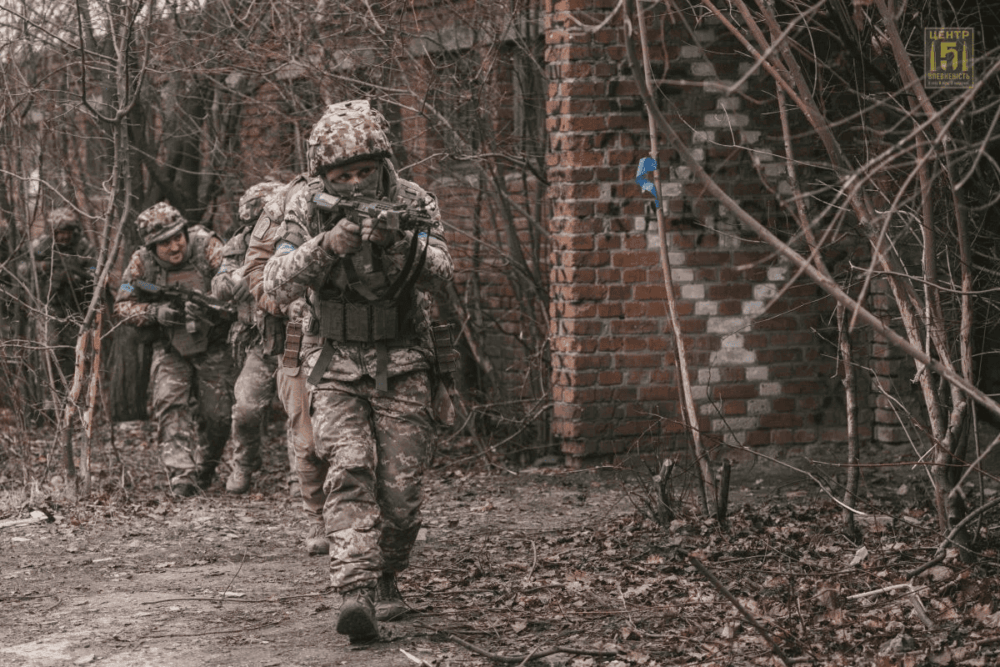
— Let us assume that a decision to change the training program has been made, and there is a clear understanding of what exactly needs to be changed. How much time is required to implement the change? Who makes such decisions?
— It works like this: changes are introduced into the existing program and are simultaneously incorporated into a new version that is being developed in parallel. When a full-scale change becomes necessary, the new version is already almost ready. After finalization, it is approved by the Commander-in-Chief of the Armed Forces of Ukraine.
— What does “training 2026” mean for you? What basic skills should infantry soldiers and junior commanders have?
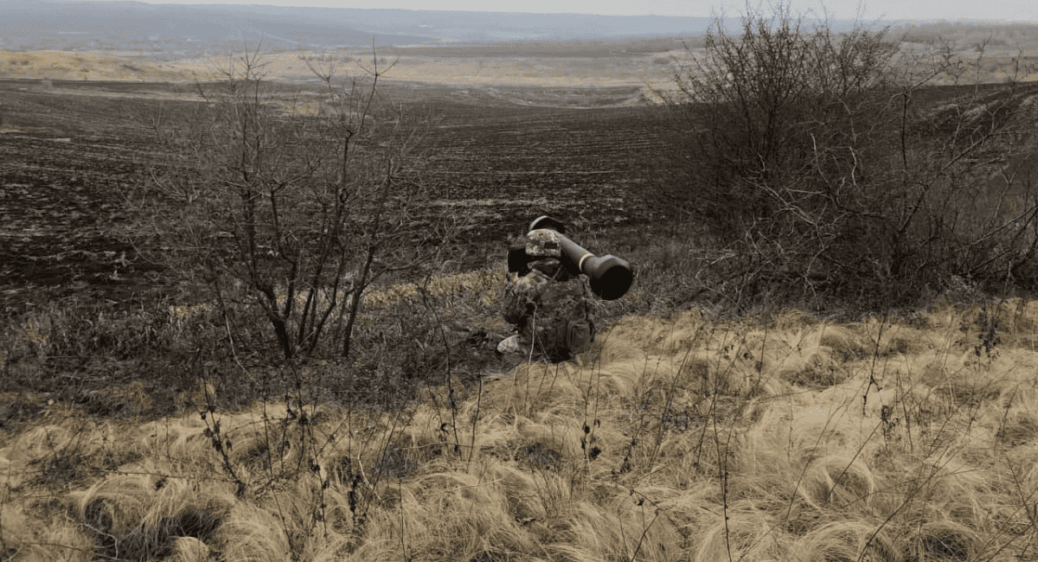
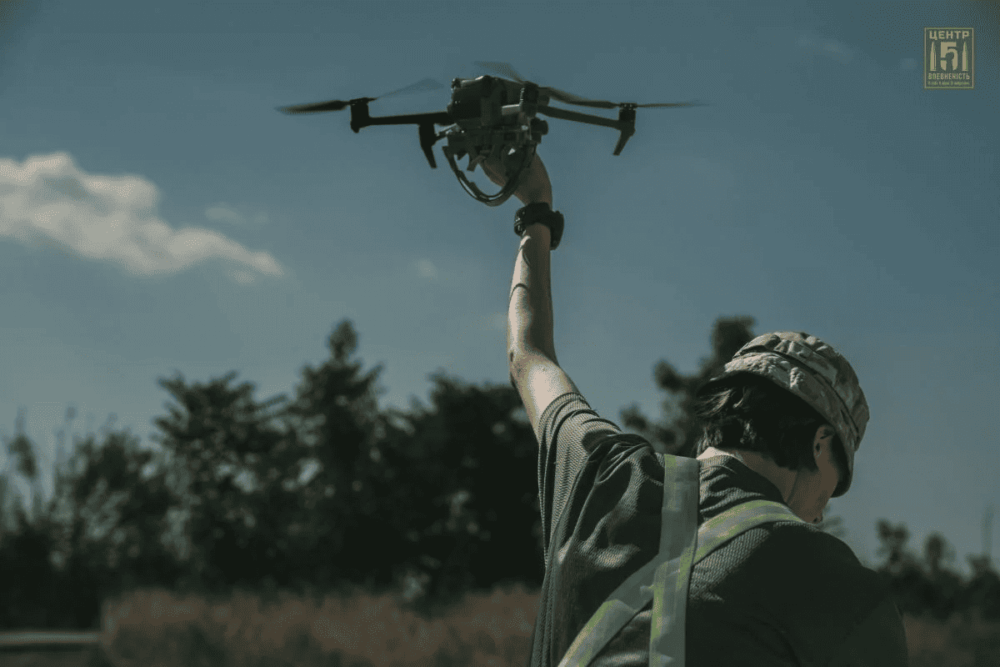
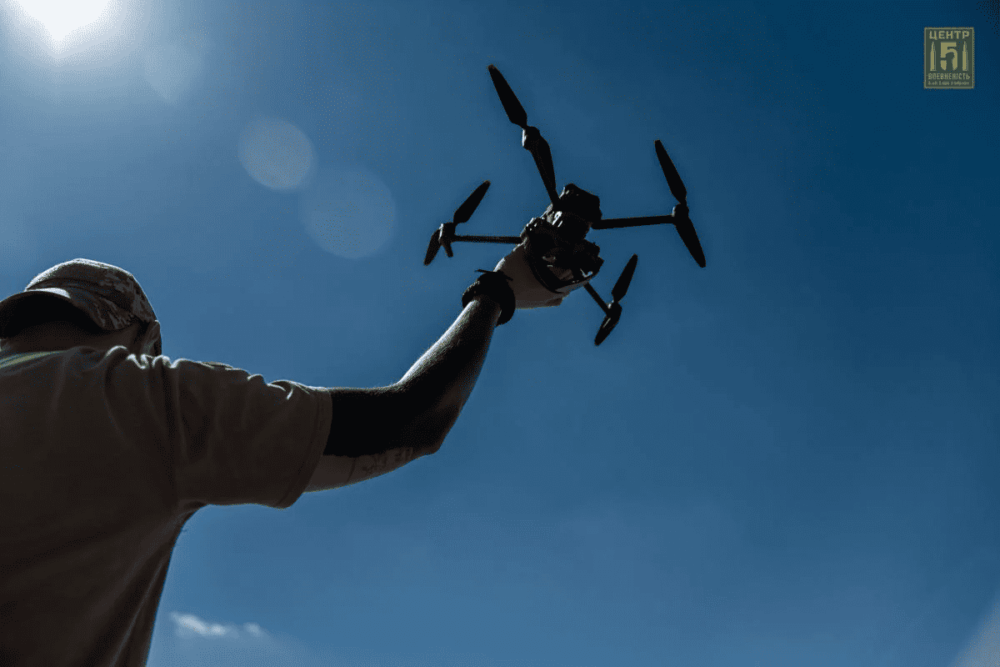
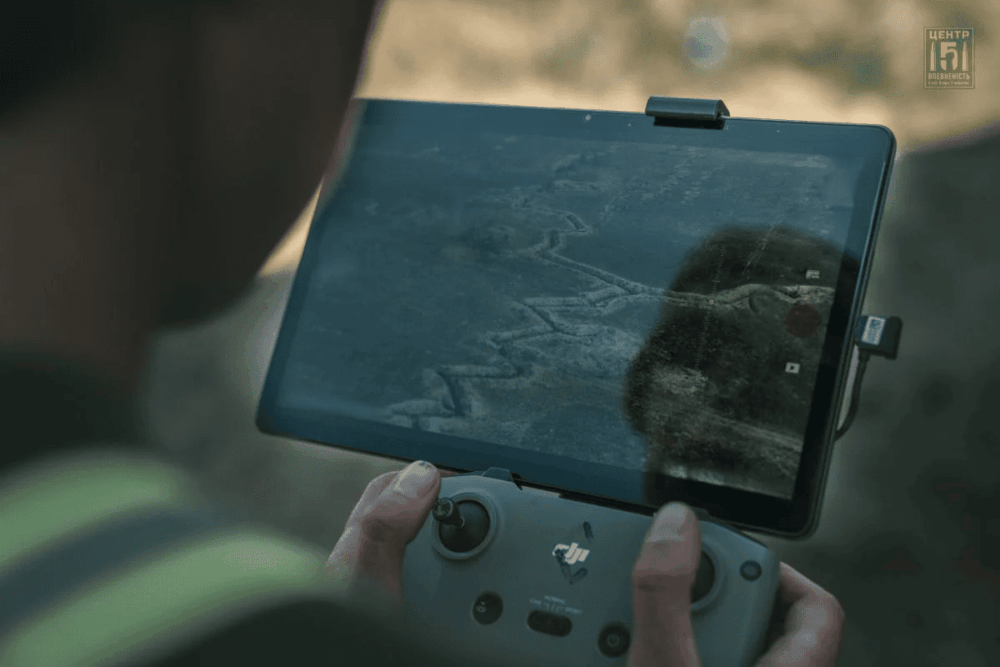
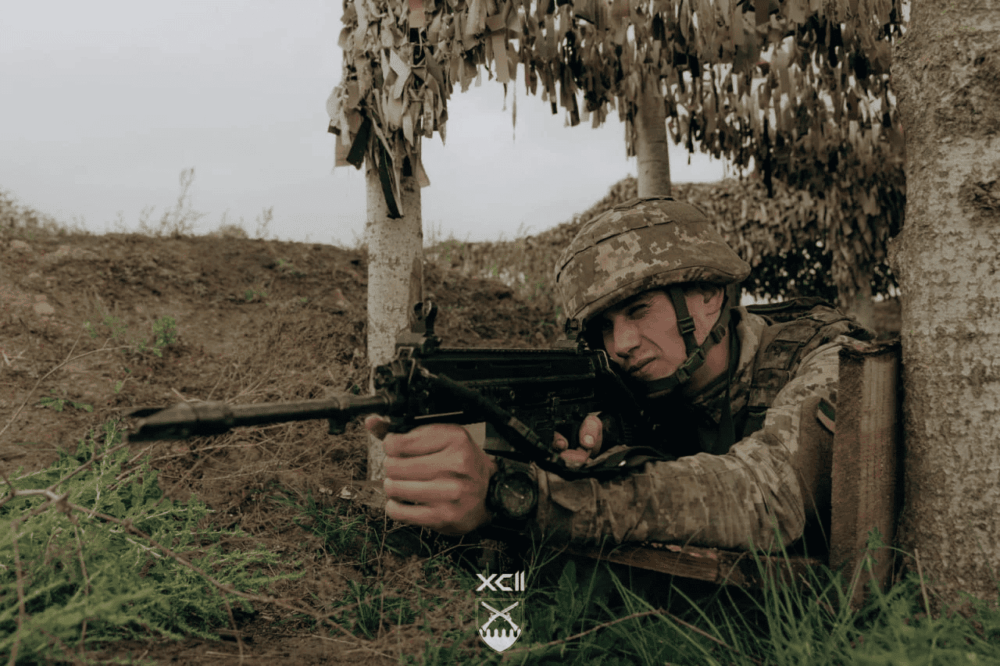
— Training 2026 means having the ability to move over long distances — at least up to 10 kilometers. It means being able to provide tactical pre-hospital care both to oneself and to a comrade. Ideally, not only knowing how to apply a tourniquet, but also how to perform its conversion and repositioning. It includes skills for countering enemy drones — how to take cover from drop munitions and how to fight FPV drones. It also includes basic skills for building and improving positions in existing conditions, meaning a serviceman must be able to dig, deepen, reinforce, and adapt positions.
They must also have basic navigation skills, which is a very important issue — understanding, at a basic level, where the enemy is and where friendly forces are, and how to orient oneself. There must also be elementary communication skills: at minimum, the ability to report what is happening, whether a person is wounded, whether they need assistance, whether they have ammunition, and so on. These are basic reporting packages that a serviceman must know and be able to transmit in different ways. These are the core fundamental skills.
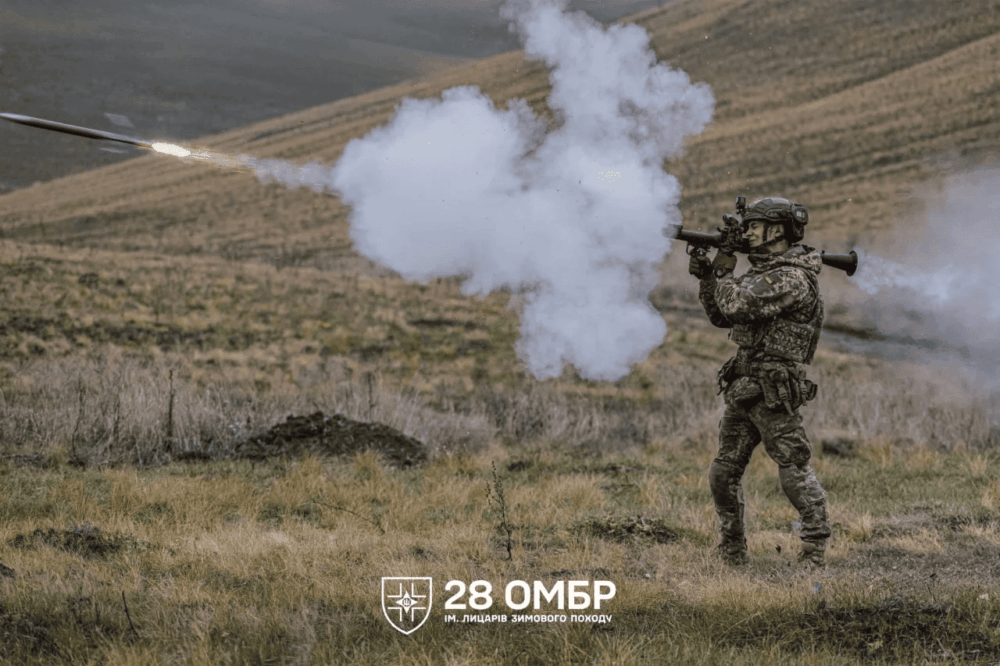
— People who arrive at Basic Combined Arms Training are civilians just yesterday. Most of them are completely unprepared for the conditions of training. What do you do to adapt recruits as quickly as possible? And who helps them the most in this — an instructor, or is it already the responsibility of psychologists?
— Unfortunately, you cannot assign a psychologist to every serviceman. Right now, we are forming micro-groups of two to three servicemen in training centers. Each group necessarily includes one person who feels more confident, and this also positively influences the other members. Ideally, these groups, which are formed and trained together, later enter a unit together and continue working in the same composition. These people live together for almost two months. This becomes cohesion and brotherhood.
Instructors also provide essential support. Here I will again mention the most authoritative ones — they are the first to help. But we are also working to ensure that there are more such people in training centers.
— What most influences motivation in a training center: order, fair rules, living conditions, equipment, or the attitude of commanders?
— There is no universal answer to what influences motivation the most. We have people of different ages and backgrounds undergoing training, and for each of them the answer will be different. For example, for a younger serviceman, social and living conditions are not as important. For him, the quality of training and instructors comes first. But unfortunately, there are not many young people in the Land Forces training centers. Recently, I worked in one training company, and the youngest serviceman there was 42 years old. The youngest!
Older servicemen prioritize social and living conditions: the ability to dry their clothes, shower in time, have some free time, the opportunity to talk to their families, and simply rest and think. For such servicemen, living conditions are very important. Because while a young man can sleep on the ground for three days and nothing will happen, older servicemen may experience back pain or joint issues. So social and living conditions are a priority for them.
We also now have experience sending servicemen directly to a unit, and from there they are sent to Basic Combined Arms Training. I have noticed that these servicemen, who first arrive in a military unit and then come to the training center as part of a platoon, have no problems at all — neither with motivation nor with living conditions. They try either to solve all issues themselves or immediately approach the leadership without hesitation. In other words, they already function as a cohesive group. And I would say that the rate of AWOL cases in such units is close to zero. It is an interesting practice I have observed over the past few months.
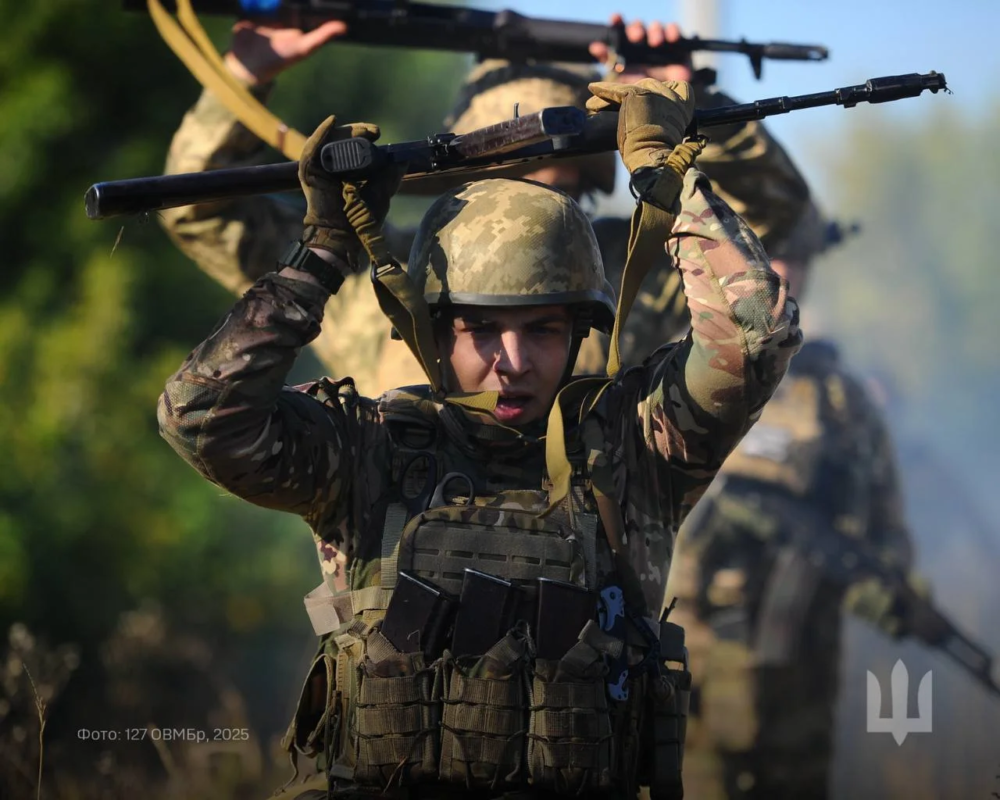
— Where should a serviceman turn if they have complaints or suggestions during Basic Combined Arms Training?
— First of all, servicemen should address their instructor. If that does not help, they should contact the personnel psychological support officer. There is one in every training company. Sessions led by the deputy company commander for personnel psychological support are held weekly, and that is where all questions can be raised. Ultimately, they can also contact the Military Ombudsman Olha Reshetilova or the Ministry of Defence hotline.
— Training units are a priority target for the enemy. Accordingly, recruits are trained under conditions of potentially increased danger. How do you organize training in wartime conditions in a way that protects people as much as possible?
— First of all, we are continuously upgrading shelters for personnel — both where people train and where they live. In training centers that are closest to the line of contact, we try to accommodate all personnel underground. In other training centers that are further away, shelters are equipped. Continuous monitoring of the information space is carried out, as well as monitoring of the radar situation. All information regarding the air situation is transmitted to the command posts of training centers.
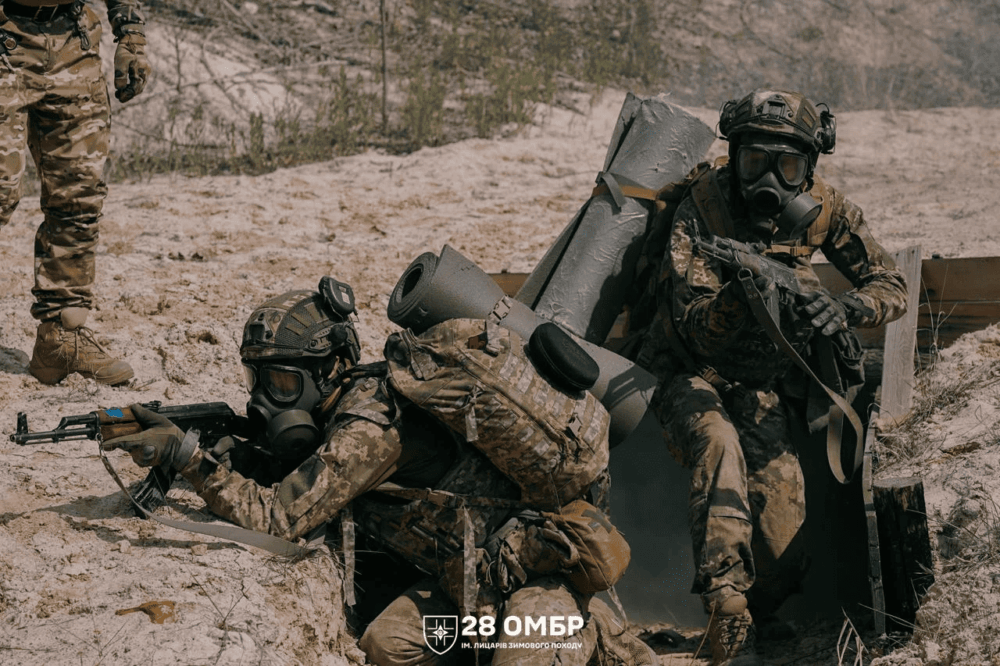
At present, we have significantly increased the level of personnel safety during training exercises. This seriously affects the training schedule, but safety comes first. We calculated that in one of our training centers, the loss of training time in a single cycle amounted to 18 training days out of 51. This affects the schedule of classes, but there is no other way, because it is about the safety of servicemen.
I also want to mention that a great deal depends on personal discipline. Our investigations have shown that many incidents of losses at training grounds occur due to servicemen failing to comply with the requirement to take shelter. Some went out for a smoke break, some simply went outside to get some fresh air, and at that time either an “Iskander” missile with a cluster warhead struck or a “Shahed” drone arrived. Of course, the Iskander is more dangerous. A Shahed can at least be heard, while an Iskander arrives very quickly. In some training centers it can reach its target in one or two minutes. In such cases, it is crucial to respond even to any drone, because usually, based on reconnaissance indicators, a drone is a direct sign of the enemy’s readiness to use missile weapons. Therefore, even if a drone may be circling for two hours, one must remain in shelter for those two hours.
— What for you is the main indicator that the training system is actually delivering results at the front? How do you assess not individual outcomes, but the overall success of the training process? What criteria do you use?
— The overall success depends on the small successes of each individual training center, each training direction, and each training unit. I will start from a bit further back. In every training center, WhatsApp groups are created where servicemen who have completed training continue to communicate with their instructors. And it is very rewarding when instructors and commanders receive words of gratitude from their former, or rather temporary, subordinates. I consider these to be small victories for specific teachers, specific instructors, and specific training centers.
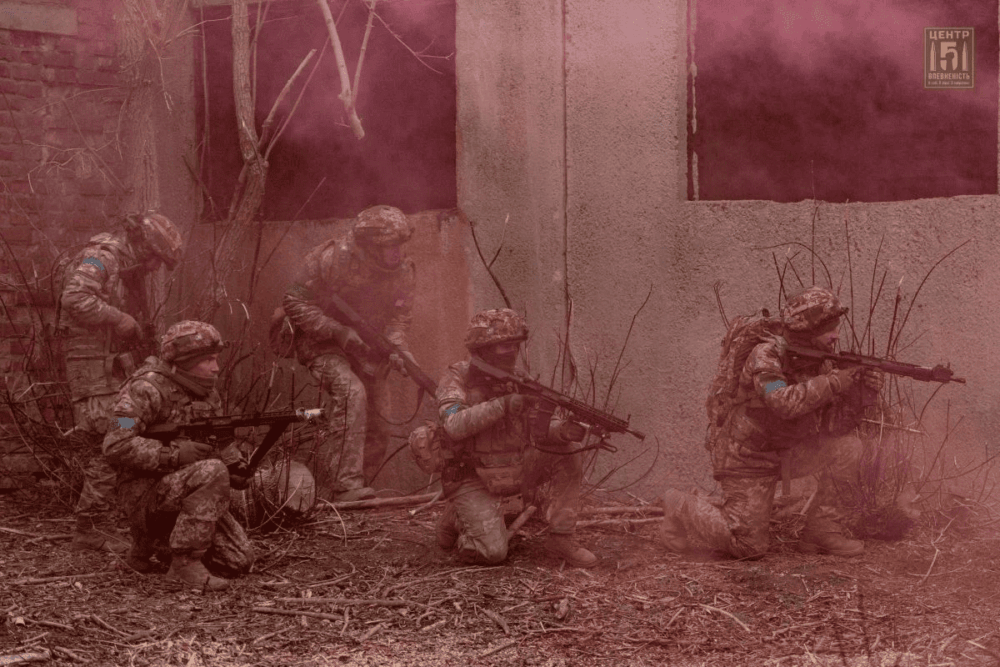
We also have certain achievements among training centers. For example, when someone says they specifically want to train in the 151st Training Center, or in another particular training center, training unit, battalion, or with a specific battalion commander. I consider these to be more significant victories — when the system has reached the level of a training unit.
As for the overall success, I can say that we have significantly improved the level of training in the Land Forces. I can clearly see this, for example, during instructor-methodological sessions.
But it is necessary to study not only what is good, but also what is not, in order to improve. We identify a high level of training in some units and centers, and immediately begin work to raise the level in other training centers. That is our main goal.
Tags: EMPR media frontline reality ground forces military training Ukraine modern warfare Ukraine war interview war tactics